 Get Insights

How to compare oxygen concentrator factory options in 2026?
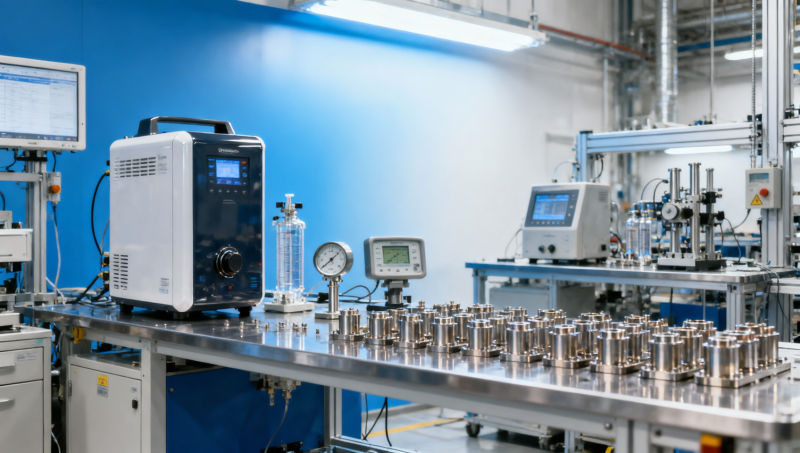
Choosing an oxygen concentrator factory in 2026 is no longer a simple matter of comparing unit prices, brochure claims, or production capacity. For hospitals, distributors, MedTech teams, and procurement leaders, the real question is this: can the factory prove stable oxygen performance, regulatory readiness, manufacturing consistency, and long-term supply reliability under real operating conditions? The strongest factory option is usually not the one with the lowest quote, but the one with the most verifiable engineering data, transparent quality controls, and lowest total risk over the product lifecycle.
If you are comparing oxygen concentrator factory options, focus first on technical evidence, compliance documentation, after-sales support capability, and process repeatability. These factors have a much greater impact on safety, service continuity, and total cost of ownership than headline pricing alone. In 2026, buyers who use a structured evaluation method are far more likely to avoid quality drift, delayed approvals, and costly field failures.
What should you actually compare when evaluating an oxygen concentrator factory?
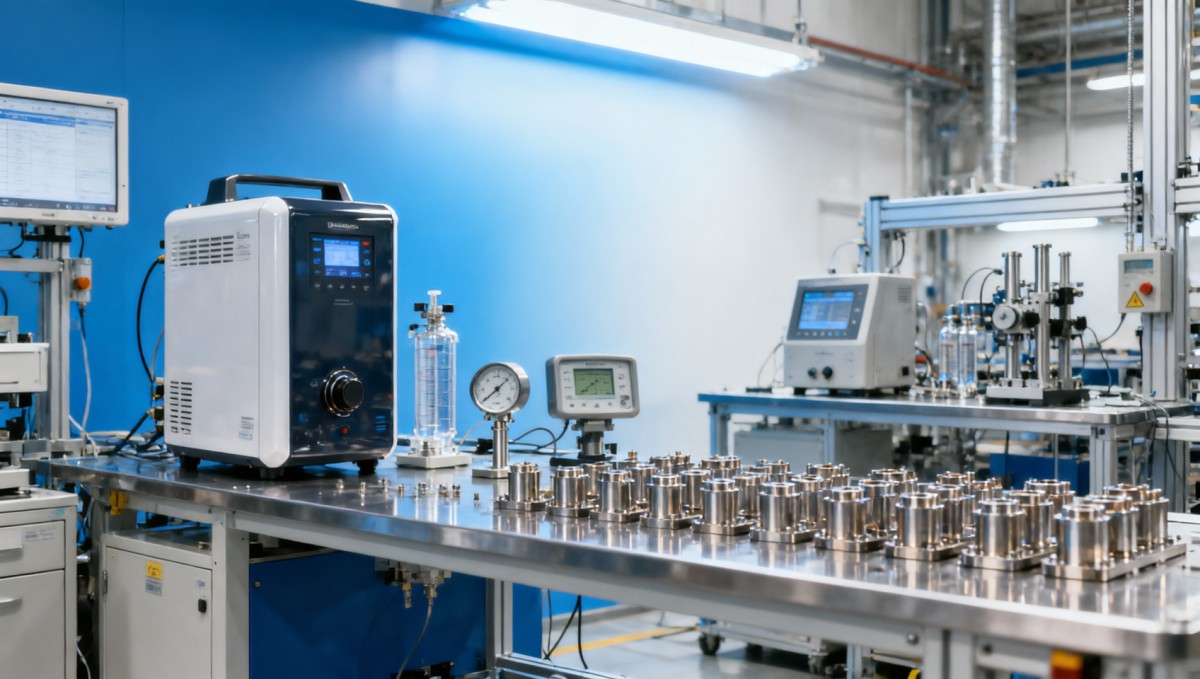
The best way to compare factories is to separate marketing language from measurable performance. Many suppliers can claim “medical grade,” “high purity,” or “stable production,” but serious buyers need evidence that can be audited, tested, and cross-checked.
Start with these comparison categories:
- Oxygen output performance: purity stability, flow accuracy, pressure consistency, and alarm reliability across operating ranges.
- Manufacturing consistency: whether the factory can produce the same quality batch after batch, not just one good sample.
- Regulatory readiness: compliance with target market requirements, including MDR or other relevant medical device frameworks where applicable.
- Component quality: compressor durability, sieve bed performance, valve lifespan, filtration quality, and sensor calibration stability.
- Supply chain resilience: backup sources for critical parts, lead-time stability, and response plans for shortages.
- Serviceability: ease of maintenance, spare parts availability, operator training, and field support structure.
- Data transparency: whether the factory provides test reports, process records, failure rate data, and traceability documentation.
This is the core shift in 2026: buyers are increasingly comparing factories as long-term technical partners, not just equipment producers.
Which factory capabilities matter most to procurement teams and decision-makers?
For procurement teams and business decision-makers, the biggest concern is risk. A low-cost factory may look attractive during sourcing, but if the units fail early, perform inconsistently, or create compliance issues, the downstream cost becomes much higher.
The most important capabilities to assess are:
1. Process control, not just final inspection
A factory that only tests finished units is weaker than one that controls key production variables throughout manufacturing. Ask whether they monitor compressor assembly tolerances, sieve bed packing consistency, oxygen sensor calibration, leak testing, and burn-in procedures. Stable process control usually predicts field reliability better than random final sampling alone.
2. Traceability of critical components
Buyers should know where critical components come from and whether each batch is traceable. In oxygen concentrators, variation in zeolite quality, compressor performance, valves, and electronic controls can directly affect oxygen purity and service life. Traceability is especially important for hospitals and importers who need defensible quality records.
3. Real quality system maturity
Do not stop at checking whether a factory says it has a quality management system. Ask how nonconformities are handled, how corrective actions are closed, how supplier quality is controlled, and whether process deviations are documented. Mature factories can explain their quality system clearly and provide records without hesitation.
4. Capacity that matches growth plans
A good oxygen concentrator factory should not only meet your current order volume, but also scale without damaging consistency. Buyers should verify whether higher output depends on subcontracting, alternate components, or relaxed inspection thresholds.
How do you verify technical credibility instead of trusting brochures?
This is often the most important question for information researchers and technical buyers. A factory should be evaluated using evidence that goes beyond sales presentations.
Useful verification methods include:
- Independent benchmark testing: third-party or think tank style evaluation of oxygen purity, flow stability, noise, thermal behavior, power consumption, and failure patterns.
- Lot-to-lot comparison: test multiple samples from different production batches instead of one handpicked demonstration unit.
- Accelerated life and stress testing: evaluate how the concentrator performs under continuous operation, variable temperatures, transport stress, and power fluctuations.
- Review of failure data: request warranty claim trends, repair frequencies, and common failure modes.
- Factory audit: inspect production lines, incoming inspection, calibration systems, aging tests, and storage controls.
An independent, data-driven approach is especially valuable because it helps procurement teams compare suppliers on a standardized basis. That matters when multiple factories appear similar on paper but differ significantly in engineering discipline.
What compliance and certification questions should buyers ask in 2026?
Regulatory readiness is now a strategic filter, not a box-ticking exercise. If a factory is not prepared for documentation scrutiny, product updates, post-market obligations, or market-specific submission requirements, buyers may face launch delays or legal exposure.
Key questions to ask include:
- Which certifications are currently valid, and for which product models?
- Are test reports recent, complete, and issued by recognized bodies?
- Can the factory support documentation required for EU MDR or other destination-market regulations?
- How are design changes controlled after certification?
- What post-market surveillance and complaint handling systems are in place?
- Is there a clear technical file or device master record structure?
For buyers serving regulated healthcare markets, a factory’s documentation culture can be as important as its production output. A technically decent product can still become a poor sourcing choice if regulatory support is weak.
How can operators and end users judge whether a factory’s product will perform well in the field?
Operators and technical users usually care less about corporate claims and more about practical performance. They want to know whether the concentrator will run reliably, remain easy to maintain, and deliver stable oxygen output in real use settings.
To judge field suitability, look at:
- Usability: clear controls, accessible filters, understandable alarms, and service-friendly design.
- Environmental tolerance: ability to operate across realistic temperature, humidity, and voltage conditions.
- Noise and vibration: especially important in patient care settings.
- Maintenance intervals: whether routine service demands are realistic for the intended setting.
- Spare parts availability: how quickly replacement parts can be sourced and shipped.
- Training quality: whether the factory or supplier offers operator manuals, technical training, and troubleshooting support.
In many cases, end-user dissatisfaction comes not from headline performance, but from poor serviceability, unclear alarms, unstable parts supply, or excessive downtime. That is why field-readiness should be part of factory comparison.
Why price alone is a poor way to compare oxygen concentrator factory options
Price matters, but unit price is only one part of procurement value. In healthcare sourcing, the cheaper factory may create higher costs through early maintenance, product returns, compliance delays, customer complaints, and emergency replacement purchases.
A more useful framework is total cost of ownership, including:
- Purchase price
- Shipping and lead-time risk
- Installation and commissioning needs
- Expected maintenance frequency
- Parts replacement costs
- Warranty handling efficiency
- Product lifespan
- Downtime cost in clinical or commercial use
- Regulatory support burden
For enterprise buyers, this approach leads to better decisions because it links factory selection to business continuity, brand protection, and lifecycle economics.
A practical checklist for comparing oxygen concentrator factories in 2026
If you need a simple way to shortlist suppliers, use the following checklist:
- Confirm product fit: medical use case, homecare use case, portability, flow range, and market alignment.
- Request technical evidence: oxygen purity curves, endurance data, alarm validation, and power performance data.
- Review quality documentation: audits, CAPA process, traceability methods, and component control records.
- Check certification readiness: destination-market compliance documents and change control process.
- Validate manufacturing stability: batch consistency, aging tests, and line inspection methods.
- Assess service model: spare parts strategy, training, manuals, and failure response times.
- Investigate supply chain resilience: critical part sources, dual sourcing, and inventory risk plans.
- Compare total value: not just quotation, but support strength and long-term reliability.
- Use independent review if possible: benchmark suppliers with third-party technical testing.
This checklist helps different reader groups make better decisions. Researchers gain a clearer evaluation framework, operators understand what affects field reliability, procurement teams reduce sourcing risk, and executives get a more defensible basis for investment.
Final thoughts
To compare oxygen concentrator factory options in 2026, buyers need to look beyond catalogs and focus on proof. The best factory is the one that can demonstrate consistent oxygen performance, documented quality controls, regulatory readiness, reliable component sourcing, and practical support after delivery.
For hospitals, distributors, MedTech companies, and healthcare decision-makers, the smartest comparison method is evidence-based and lifecycle-focused. When technical integrity, compliance strength, and manufacturing consistency are properly verified, supplier selection becomes more than a purchasing exercise—it becomes a strategic quality decision.
Recommended News
- 2026.11.15India Reforms Medical Device Incentive Scheme to Deepen Local ManufacturingDr. Julian Rossi (RehabTech Specialist)
- 2026.11.15Choosing Materials for Sheet Metal Parts: Strength, Corrosion and CostDr. Alistair Thorne (Senior Biomedical Engineer)
- 2026.11.14EU Updates MDR and IVDR Harmonised Standards Lists, Including Radiation SterilisationDr. Alistair Thorne (Senior Biomedical Engineer)
The VitalSync Intelligence Brief
Receive daily deep-dives into MedTech innovations and regulatory shifts.