 Get Insights

How to Select a Sheet Metal Housing for Vital Sign Sensors
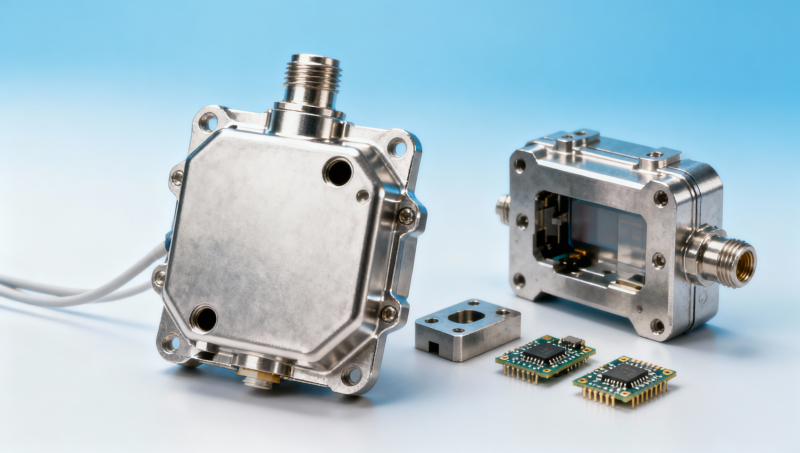
Selecting the right sheet metal housing for vital sign sensors is not just about sheet metal cost or sheet metal price—it directly affects signal stability, durability, compliance, and product life. From sheet metal fabrication, sheet metal bending, and sheet metal forming to choosing a reliable sheet metal manufacturer or sheet metal supplier, every detail matters. This guide helps researchers, operators, buyers, and decision-makers evaluate sheet metal enclosure performance with confidence.
Why does sheet metal housing matter so much for vital sign sensors?
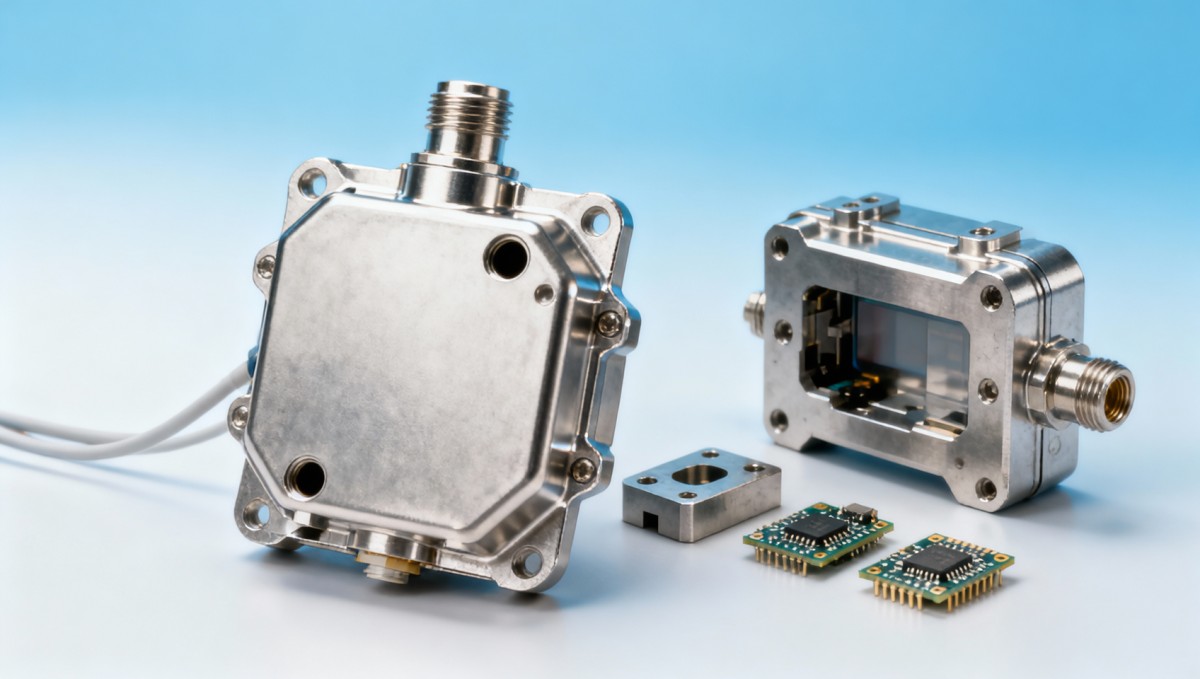
In medical sensing, the enclosure is not a cosmetic shell. It is part of the functional system that protects electronics, supports thermal control, influences electromagnetic behavior, and determines how reliably a device performs during daily use, transport, cleaning, and maintenance. For vital sign sensors used in hospitals, labs, ambulatory environments, or integrated bedside systems, poor housing design can introduce vibration, connector strain, shielding gaps, and premature corrosion.
Buyers often begin with sheet metal price, but experienced teams quickly move to lifecycle questions. Can the housing tolerate repeated disinfection cycles? Will seams trap contaminants? Is the sheet metal enclosure rigid enough to protect calibration-sensitive components? In many projects, 3 core objectives dominate evaluation: signal protection, regulatory readiness, and service life. A cheaper enclosure can become expensive if it increases field failures, validation delays, or rework after pilot builds.
For information researchers and decision-makers, the challenge is separating supplier claims from measurable engineering factors. This is exactly where VitalSync Metrics (VSM) adds value. As an independent benchmarking and technical evaluation platform for MedTech and Life Sciences supply chains, VSM helps teams compare manufacturing parameters in a structured way, turning vague promises into reviewable technical criteria that support value-based procurement.
What functions should a medical-grade housing perform?
- Mechanical protection for sensor boards, displays, connectors, batteries, and cable routing during daily handling and transport.
- Support for EMI shielding and grounding paths, especially when low-amplitude physiological signals are involved.
- Compatibility with cleaning agents, repeated wipe-downs, and routine contact conditions in clinical or laboratory spaces.
- Stable dimensional fit after sheet metal bending and sheet metal forming so that gaskets, fasteners, and ports align within normal tolerance windows.
In practical sourcing, enclosure quality is typically reviewed across 4 stages: prototype verification, pilot build, compliance review, and scaled production. If a sheet metal manufacturer cannot maintain consistency across these stages, the sensor program may face 2–4 weeks of avoidable delay from redesign, tolerance correction, or finishing issues.
Which technical parameters should you compare before selecting a sheet metal enclosure?
A strong selection process starts with parameters, not brochures. For vital sign sensors, teams usually compare material grade, thickness range, surface finish, shielding strategy, ingress protection targets, dimensional tolerance, and fabrication repeatability. The right combination depends on whether the device is portable, bedside-mounted, cart-based, wall-integrated, or used in a semi-controlled laboratory environment.
Typical sheet metal fabrication for medical electronics includes stainless steel, aluminum, and occasionally coated steel. Stainless steel is often chosen where corrosion resistance and cleaning durability are priorities. Aluminum may be preferred when lower mass, easier machining, or thermal dissipation is important. In either case, the supplier should explain how sheet metal bending radius, weld quality, and cut-edge treatment affect fatigue, fit, and electrical continuity.
Procurement teams should also look beyond raw material. Surface treatment choices such as passivation, powder coating, anodizing, or conductive finishing influence not only appearance but also touch durability, grounding, and long-term maintenance. In many programs, enclosure thickness may fall in a typical range such as 0.8 mm–2.0 mm depending on size and structural load, but thickness alone is not a guarantee of performance.
The table below summarizes practical selection dimensions used when evaluating a sheet metal housing for vital sign sensors. It is intended as a technical screening tool rather than a one-size-fits-all specification.
When teams benchmark these factors early, they reduce late-stage design changes. VSM commonly recommends reviewing at least 5 checkpoints before supplier shortlisting: material traceability, process capability, finish consistency, assembly fit, and documentation depth. That approach is especially useful when a device must move from low-volume validation to medium-volume production without changing housing architecture.
How do sheet metal bending and forming affect device reliability?
Sheet metal bending and sheet metal forming determine whether the final enclosure holds shape under stress, keeps connectors aligned, and avoids sharp transitions that can concentrate load. Excessive springback, poor bend sequencing, or inconsistent tooling can cause cumulative dimensional drift. For a vital sign sensor, that may lead to unstable mounting of sensor modules or pressure on cable harnesses after only a few service cycles.
A capable supplier should be able to explain bend allowances, corner relief design, joining methods, and how prototype results translate into production control. If these topics are unclear during quotation review, that is often an early warning that the sheet metal supplier may not be ready for medical enclosure work.
How should buyers compare materials, cost, and manufacturing trade-offs?
Not every project needs the same housing strategy. A lightweight portable monitor may prioritize mass reduction and fast assembly, while a fixed clinical system may emphasize impact resistance, disinfectant tolerance, and service access. That is why sheet metal cost should be analyzed together with maintenance burden, failure risk, finishing durability, and expected production volume rather than as a standalone number.
In sourcing discussions, a lower quote can conceal important exclusions: secondary deburring, conductive masking, gasket interfaces, documentation for material certificates, or tighter inspection at critical dimensions. Buyers should compare total delivered scope. For many B2B healthcare programs, the relevant cost window is not simply piece price, but the cost across prototype lots, pilot runs, and commercial batches over 6–18 months.
The following comparison table helps procurement teams assess common housing routes used around sensor devices. Final selection should always reflect device architecture, expected cleaning exposure, installation environment, and quality documentation requirements.
For operators and maintenance teams, serviceability matters as much as initial cost. A housing that reduces access time by even 10–15 minutes per service event can lower downtime across a fleet. For procurement managers, this means asking practical questions: how many fasteners are required, how quickly can covers be removed, and can critical components be replaced without deforming the enclosure?
A practical 4-point cost review
- Compare prototype, pilot, and production pricing separately because tooling and setup burdens differ by stage.
- Ask what is included in the quote: finishing, inserts, weld cleanup, inspection reports, and packaging.
- Review likely rework drivers such as tight bend zones, cosmetic surfaces, and mounting tolerances.
- Estimate ownership cost over the expected support period, often 3–5 years for healthcare equipment platforms.
A balanced decision does not always choose the cheapest sheet metal manufacturer. It selects the housing route that protects performance, shortens qualification time, and minimizes downstream disruption.
What should procurement and quality teams verify for compliance and supplier readiness?
In MedTech-adjacent procurement, housing selection is closely linked to documentation quality. Even when the enclosure itself is a subcomponent, it supports broader product compliance activities by affecting electrical safety interfaces, cleaning validation, labeling placement, environmental protection, and manufacturing traceability. For organizations working under MDR or IVDR expectations, weak component documentation can slow technical file preparation and design review.
A dependable sheet metal supplier should provide clear records for material certificates, finishing specifications, revision control, and inspection methods. Typical review packages may include drawings, tolerance notes, finish definitions, incoming material references, and process-level controls. Lead times vary by geometry and finish, but prototype housing programs often move in 7–15 working days, while pilot or validated batches may require 2–4 weeks depending on documentation depth.
This is where VSM’s independent evaluation model becomes useful for enterprise decision-makers. Rather than relying on vendor sales language, teams can benchmark whether the proposed sheet metal fabrication route aligns with intended use, risk profile, and long-term maintenance assumptions. That reduces the chance of selecting a supplier that looks acceptable on paper but cannot support regulated product evolution.
5 checks before approving a supplier for sensor enclosure work
- Can the supplier explain process controls for sheet metal bending, joining, finishing, and final inspection in a way your engineering team can verify?
- Are material and finish records traceable to the exact revision and batch used for your enclosure?
- Is there a documented path from prototype approval to pilot and then repeat production without uncontrolled design drift?
- Can the supplier identify dimensions that require tighter monitoring because they affect sealing, display fit, or connector access?
- Does the supplier understand the cleaning, service, and clinical use conditions that the housing must tolerate over time?
Common compliance-related mistakes
One common mistake is treating the enclosure as a standard industrial box. In healthcare environments, edge condition, cleanability, labeling space, grounding continuity, and mechanical repeatability can all become review points. Another mistake is qualifying a supplier only on sample appearance. A good-looking prototype does not guarantee repeatability at 50, 200, or 1,000 units if process control is weak.
A third mistake is failing to define acceptance criteria early. Teams should document 6 key acceptance items where relevant: material, finish, critical dimensions, assembly fit, visual criteria, and packaging condition. This saves time during incoming inspection and reduces internal disagreements between engineering, quality, and purchasing.
How do application scenarios change the best housing choice?
The best sheet metal housing for a vital sign sensor depends heavily on where and how the device is used. A ward monitor, transport cart module, wearable docking station, and laboratory acquisition unit all create different mechanical and environmental demands. That is why application-based selection is often more effective than choosing by material alone.
For example, a bedside device may need better cable strain relief, rounded edge treatment, and easier wipe-clean geometry. A mobile cart unit may need stronger resistance to repeated impacts and vibration from movement across floors. A laboratory system may prioritize access panels, thermal openings, and service layout over portability. In each case, the enclosure affects user confidence and maintenance efficiency as much as it affects device protection.
VSM often advises project teams to map housing requirements against 3 layers: environmental exposure, operator interaction, and maintenance frequency. That simple framework helps resolve disagreements between engineering and purchasing when one side prioritizes cost while the other prioritizes reliability.
Scenario-based selection priorities
This comparison shows why a single “best” sheet metal enclosure does not exist. The strongest option is the one matched to the use environment, cleaning routine, expected handling load, and maintenance model. When these factors are clarified early, buyers avoid overspecification in low-risk settings and underspecification in critical care or intensive-use settings.
A short implementation path
- Define operating scenario and cleaning exposure in 1 documented requirement set.
- Shortlist 2–3 enclosure concepts based on material, finish, and service access.
- Request prototype review with critical dimensions and assembly checkpoints.
- Approve the supplier only after pilot repeatability and documentation quality are acceptable.
FAQ: what do teams most often ask before buying a sheet metal housing?
How do I choose between stainless steel and aluminum for vital sign sensors?
Choose based on environment and product architecture. Stainless steel is often preferred when corrosion resistance, repeated cleaning, and structural durability are top priorities. Aluminum is often selected when lower mass and easier handling matter more. The correct answer depends on use conditions, finish choice, grounding needs, and service expectations over the device lifecycle.
What should I ask a sheet metal manufacturer during quotation review?
Ask about material traceability, bend capability, finish process, tolerance control, inspection method, and prototype-to-production transition. Also confirm what is included in the quoted sheet metal cost. At minimum, review 5 items: material, finish, critical dimensions, documentation, and expected delivery window. This helps avoid hidden scope gaps and qualification delays.
How long does a custom sheet metal enclosure project usually take?
For standard complexity, prototypes may take around 7–15 working days after drawing confirmation, while pilot or documented production batches often require 2–4 weeks. More complex programs may take longer if they involve special finishing, repeated design iterations, tighter inspection requirements, or coordinated approval across engineering, quality, and purchasing teams.
What are the most common mistakes in sheet metal enclosure selection?
The most common mistakes are choosing only by sheet metal price, underestimating cleaning and service needs, ignoring tolerance stack-up from sheet metal bending, and approving suppliers without documentation review. Another frequent issue is failing to match the housing to the real use scenario. A lab-friendly enclosure may not perform well in mobile or bedside conditions.
Why work with VSM when evaluating a sheet metal supplier or enclosure concept?
For healthcare procurement teams and MedTech innovators, the hardest part is rarely finding a sheet metal supplier. The harder task is validating whether a proposed housing will support clinical-grade reliability, documentation needs, and long-term product evolution. VSM addresses that gap by translating engineering details into benchmarkable decision inputs, helping buyers and technical teams align around evidence rather than marketing claims.
Our role is especially relevant when your team needs to compare 2–3 suppliers, clarify material and finish options, review tolerance-critical features, or understand how enclosure choices may affect compliance preparation under MDR or IVDR-oriented workflows. We focus on measurable factors that matter in real procurement: risk exposure, repeatability, lifecycle suitability, and technical transparency.
You can contact VSM for support with parameter confirmation, sheet metal enclosure selection, supplier comparison, prototype review priorities, delivery-cycle evaluation, compliance-related documentation expectations, sample assessment, and quotation discussions. If your project involves portable monitors, bedside sensor modules, laboratory devices, or integrated healthcare electronics, we can help define a practical evaluation path before you commit to tooling or volume orders.
If you need a structured review, prepare 4 inputs before reaching out: intended use scenario, target material or finish, estimated quantity stage, and key risk concerns. With those basics, VSM can help you narrow the right sheet metal fabrication route, identify gaps in supplier readiness, and support a better-informed sourcing decision.
- sheet metal fabrication
- sheet metal bending
- sheet metal forming
- sheet metal enclosure
- sheet metal housing
- sheet metal supplier
- sheet metal manufacturer
- sheet metal price
- sheet metal cost
- healthcare procurement
- value-based procurement
- life sciences
- supply chain
- manufacturing parameters
- healthcare equipment
- Vital Sign Sensors
- Packaging
Recommended News
- 2026.10.08How to Evaluate Compact Biosignal Sensors for Reliable Wearable Vital-Sign MonitoringLydia Vancini (Regulatory Compliance Lead)
- 2026.10.07How Custom Orthotics Technology Can Improve Physical Therapy OutcomesSarah Jenkins (Laboratory Infrastructure Consultant)
- 2026.10.06How to Validate Metal Biocompatibility Testing for Implantable Medical DevicesDr. Julian Rossi (RehabTech Specialist)
The VitalSync Intelligence Brief
Receive daily deep-dives into MedTech innovations and regulatory shifts.