 Get Insights

Wearable Health Monitoring Tech That Solves Real Use Problems
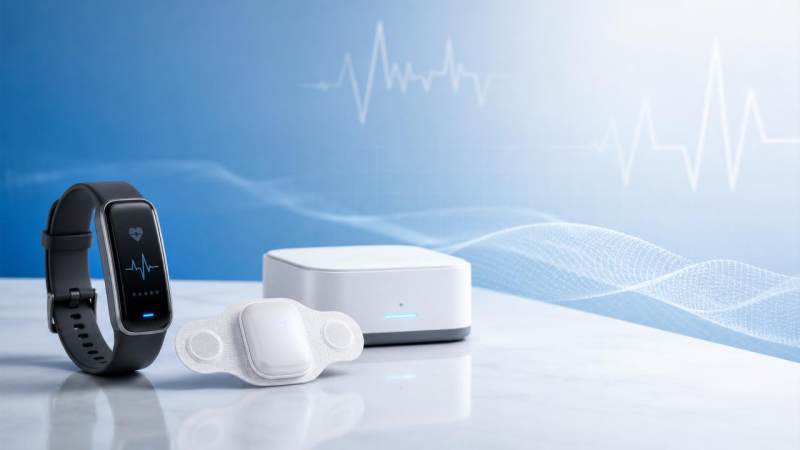
Wearable technology for healthcare monitoring is only valuable when it solves real operational problems—signal instability, user discomfort, short battery life, and unreliable data integration. For operators and frontline users, performance must go beyond marketing claims and deliver consistent, clinically relevant results. This article explores how practical wearable health monitoring tech is reshaping care through measurable engineering quality, usability, and trust.
Why scenario differences matter more than feature lists
In daily use, wearable technology for healthcare monitoring is not judged by how advanced it sounds, but by whether it works under the specific conditions of the job. A wrist device used in home recovery faces very different demands from a patch used in an ICU step-down ward, a cardiac monitor deployed in outpatient follow-up, or a sensor worn by a lab technician during long shifts. Operators need to know what the device can tolerate, how often it fails, how quickly it can be reapplied, and whether the data can be trusted without constant manual correction.
This is where engineering-focused evaluation becomes essential. VitalSync Metrics (VSM) approaches wearable health systems from a technical verification perspective: signal quality under motion, battery stability across duty cycles, skin contact consistency, wireless transfer reliability, and alignment with regulated workflows. For users and operators, these are not abstract specifications. They define whether a monitoring program saves time, reduces alarm fatigue, supports clinical decisions, or creates extra operational burden.
When healthcare teams compare wearable technology for healthcare monitoring across vendors, the smartest question is not “Which device has the most features?” but “Which device fits the actual scenario with the least friction and the highest data confidence?”
Common application scenarios and what users should evaluate first
The same product category can behave very differently depending on who wears it, how long it is worn, and how often the user moves. Before choosing wearable technology for healthcare monitoring, operators should map the intended workflow. The table below highlights how scenario requirements change.
This comparison shows why wearable technology for healthcare monitoring should never be purchased as a one-size-fits-all solution. The right device is the one that maintains performance in the exact operational environment where it will be used.
Scenario 1: Home recovery and chronic condition management
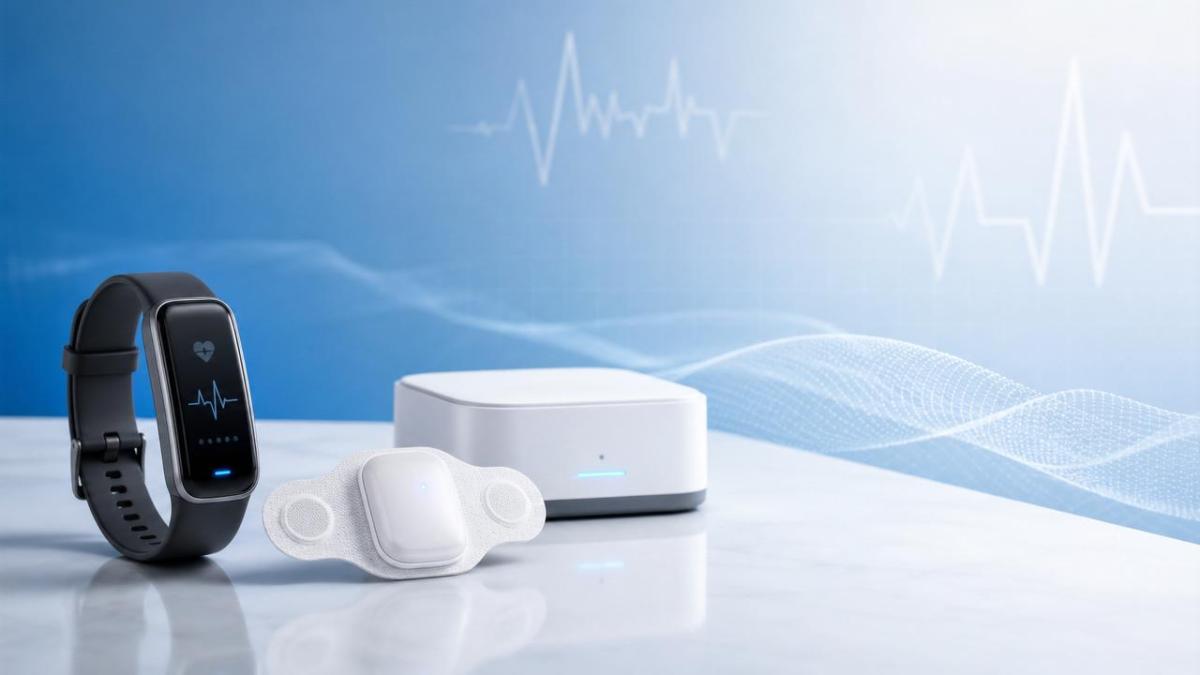
In home-based care, the strongest device may still fail if users do not want to wear it. Comfort, charging habits, adhesive tolerance, and clear visual cues often matter more than premium dashboards. For blood oxygen, heart rate, respiratory trend, sleep, or mobility tracking, wearable technology for healthcare monitoring must fit into ordinary daily routines without creating confusion.
Operators supporting this scenario should focus on adherence risk. Does the user remove the device during sleep because it becomes hot or itchy? Does battery anxiety cause long offline periods? Are alerts understandable, or do they trigger unnecessary calls? Devices for home recovery should minimize maintenance, provide intuitive status indicators, and preserve data locally if connectivity drops.
A useful rule is simple: for long-term home wear, usability is part of measurement quality. If the patient cannot maintain consistent use, even a clinically strong sensor cannot deliver operational value.
Scenario 2: Post-discharge monitoring where early change detection matters
Post-discharge programs use wearable technology for healthcare monitoring to detect worsening conditions before readmission becomes necessary. This applies to cardiac recovery, respiratory observation, surgical follow-up, and frail patient oversight. In this scenario, continuity is everything. A device that performs well for a few hours but loses connection overnight may miss the trend that matters most.
Frontline users should verify three things: first, whether the sensor produces stable trend data across multiple days; second, whether alerts are based on meaningful thresholds rather than raw variability; third, whether the platform can route information into established review workflows. If nurses or care coordinators must manually reconcile multiple data streams every morning, the monitoring model may not scale.
This is also where VSM-style benchmarking becomes especially relevant. Transmission success rate, artifact rejection, and the difference between nominal battery duration and real-world battery duration can determine whether a post-discharge program remains clinically actionable or becomes an administrative burden.
Scenario 3: Ambulatory cardiac and rhythm-focused monitoring
Some of the most demanding use cases for wearable technology for healthcare monitoring involve cardiac rhythm observation. Patients move, sweat, change posture, and forget ideal wear behavior. Yet users still expect the system to capture high-value events with enough fidelity to support downstream interpretation. In this setting, raw sensor sensitivity is not enough. Motion artifact management, electrode stability, and signal-to-noise ratio are central.
Operators should look closely at patch adhesion over wear duration, reapplication instructions, skin compatibility, and whether poor contact produces obvious warnings. A device that silently records noisy data creates dangerous confidence. False alarms are also costly. They increase review time, frustrate users, and reduce trust in the monitoring process.
For this scenario, the right wearable technology for healthcare monitoring is usually the one with validated waveform quality under common movement conditions, not the one with the broadest consumer-style feature set.
Scenario 4: In-hospital monitoring that must fit staff workflow
In hospitals, wearable technology for healthcare monitoring succeeds only if it reduces friction for staff. A sensor may be compact and technically capable, but if it takes too long to apply, requires frequent resets, or does not connect reliably with the hospital system, adoption will suffer. Ward-based monitoring often involves high turnover, varied patient conditions, and strict expectations around documentation and traceability.
Operators in this setting should prioritize rapid onboarding, durable attachment, cleaning or replacement logic, and alert management. Integration matters just as much as measurement. If wearable data cannot flow into the electronic health record, escalation pathway, or centralized dashboard used by the clinical team, the device becomes a parallel system rather than a practical tool.
A common mistake is assuming that lightweight devices are automatically easier to operationalize. In reality, hospital success depends on the total workflow: application time, handoff steps, battery swap process, patient reassignment, and alarm governance.
How needs differ by user type and operating environment
Even within the same application, different users judge wearable technology for healthcare monitoring by different standards. Frontline operators often care about setup time, charging burden, and failure visibility. Clinical reviewers focus on trend trustworthiness and decision relevance. Procurement teams need evidence of durability, regulatory alignment, and vendor support continuity. These viewpoints should be aligned before rollout.
This stakeholder view is important because wearable technology for healthcare monitoring often fails when one group chooses based on features while another group must live with the operational consequences.
Frequent misjudgments when matching devices to scenarios
Several recurring errors appear across healthcare programs. The first is overvaluing dashboard design and undervaluing sensor integrity. Clean visuals cannot compensate for unstable source data. The second is trusting claimed battery life without examining usage assumptions. Real-world monitoring includes screen checks, wireless handshakes, alarms, and variable sampling loads. The third is ignoring skin tolerance and fit variance across users, especially for long-wear patches.
Another misjudgment is treating integration as a later step. For wearable technology for healthcare monitoring, integration is part of core performance. A technically good device that cannot feed established workflows may still perform poorly at the program level. Finally, teams often under-test movement. Bench performance in static conditions is helpful, but practical value comes from behavior during walking, repositioning, sleep, and routine activity.
A practical selection framework for operators and frontline users
If you are evaluating wearable technology for healthcare monitoring for real deployment, start with scenario fit rather than broad product comparisons. Define the use period, user mobility, acceptable intervention rate, alert pathway, and data destination. Then test the device against those conditions. Short pilot studies should capture not just clinical metrics but operational friction points: recharge failures, adhesive replacement frequency, user confusion, Bluetooth dropouts, and false alert volume.
It is also wise to request independent technical evidence whenever possible. VSM’s benchmarking philosophy is valuable here because it focuses on measurable engineering truth: signal-to-noise ratio, fatigue resistance, component consistency, and translation of manufacturing parameters into comparable decision data. For operators, this helps separate durable tools from attractive prototypes.
The best wearable technology for healthcare monitoring is not the most advertised option. It is the one that keeps producing trustworthy information with the fewest disruptions in your specific care environment.
FAQ: scenario-based questions users often ask
Which scenario benefits most from wearable technology for healthcare monitoring?
The strongest fit is any scenario where continuous or repeated observation improves response time but traditional bedside equipment is impractical. Common examples include home recovery, chronic disease support, post-discharge monitoring, and ambulatory cardiac observation.
What should operators check before large-scale rollout?
Check signal stability during movement, actual battery endurance, comfort over intended wear time, cleaning or replacement workflow, alert quality, and integration with existing systems. These factors usually predict success better than feature count.
Is consumer-style wearability enough for healthcare use?
Not by itself. Wearable technology for healthcare monitoring must combine comfort with technical reliability, regulatory awareness, and clinically relevant data quality. A pleasant user experience is helpful, but healthcare use requires stronger evidence.
Moving from interest to confident adoption
Wearable technology for healthcare monitoring delivers the most value when organizations stop treating it as a general trend and start evaluating it as a scenario-specific operational tool. Different environments create different priorities: comfort and adherence in home care, continuity in post-discharge oversight, waveform fidelity in cardiac observation, and workflow integration in hospital deployment.
For operators and frontline users, the path forward is clear: define the scenario, identify the failure points that matter most, and verify performance using evidence that goes beyond sales language. That is exactly where independent engineering insight adds value. By translating technical performance into practical decision criteria, VSM helps healthcare teams source and deploy monitoring solutions with greater confidence, lower operational risk, and better long-term outcomes.
Recommended News
- 2026.10.14Clinic Supplier Comparison: Evaluating Cost, Delivery Reliability, and SupportDr. Alistair Thorne (Senior Biomedical Engineer)
- 2026.10.13Engineering Performance Testing Services: Evaluating Test Methods and AccuracyDr. Alistair Thorne (Senior Biomedical Engineer)
- 2026.10.12Preparing for an ISO 13485 Audit: When to Use External QMS SupportDr. Julian Rossi (RehabTech Specialist)
The VitalSync Intelligence Brief
Receive daily deep-dives into MedTech innovations and regulatory shifts.