 Get Insights

When medical device testing misses real-world use failures
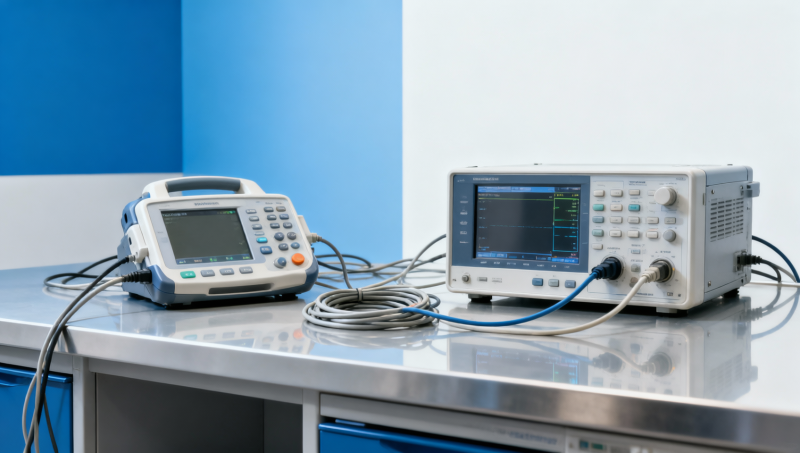
When medical device testing fails to reflect real-world use, even certified products can fall short in safety, reliability, and clinical performance. For global decision-makers navigating healthcare digital integration, medical device evaluation must go beyond lab results to address MDR IVDR, medical equipment compliance, and long-term medical device reliability. This is where rigorous healthcare benchmarking and medical technology assessment become essential.
For procurement leaders, device operators, MedTech founders, and healthcare infrastructure planners, the central question is no longer whether a device passed a controlled test. The real question is whether it will remain accurate, safe, maintainable, and compliant after 6 months, 12 months, or 5,000 use cycles in a clinical environment where variables are rarely controlled.
That gap between validated performance and real-world performance creates avoidable procurement risk. It can lead to higher service calls, unstable readings, operator workarounds, delayed integration, and product returns that were not predicted by routine verification protocols. In a value-based procurement model, those hidden failures can materially affect total cost of ownership and patient workflow reliability.
Independent benchmarking matters because it translates engineering claims into measurable evidence. For organizations comparing suppliers across wearables, diagnostics, connected monitoring, laboratory systems, or implantable components, a more realistic medical device assessment process helps separate regulatory sufficiency from operational readiness.
Why certified devices still fail in real-world use
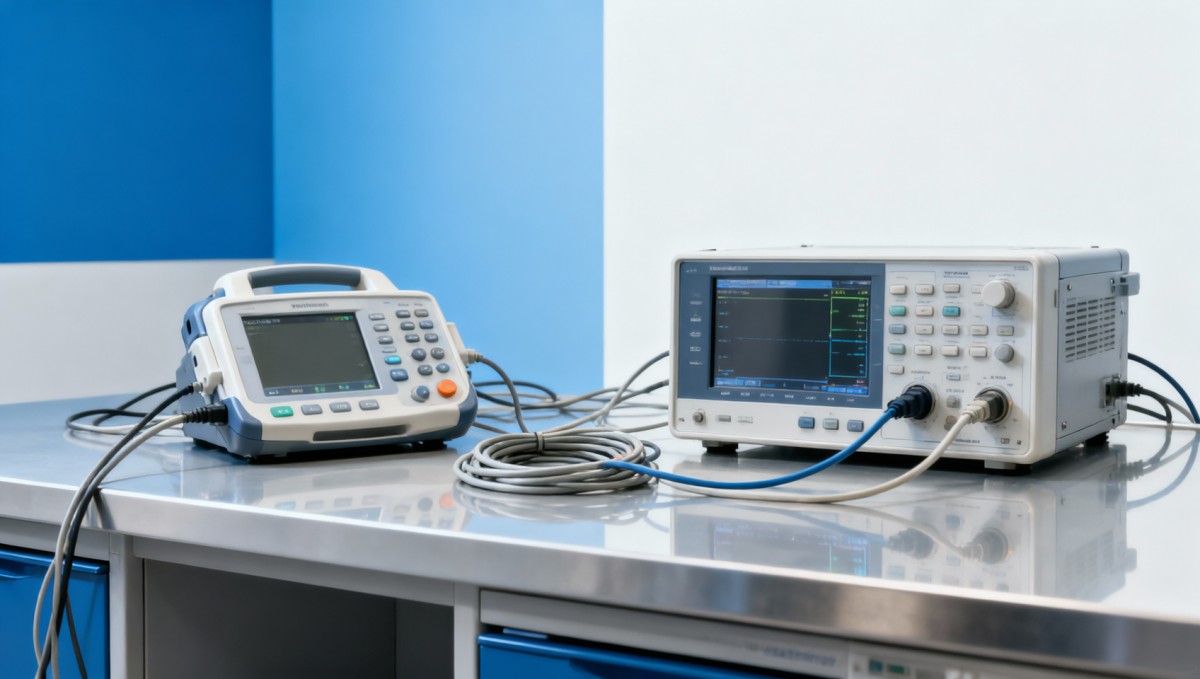
A medical device can satisfy baseline conformity requirements and still underperform when exposed to real users, variable environments, and repeated handling. Lab conditions often reduce variability to isolate a parameter, but hospitals, outpatient centers, and laboratories introduce temperature shifts, inconsistent charging behavior, mixed operator skill levels, network interruptions, and cleaning-related material stress.
In practical terms, a wearable sensor that shows acceptable signal quality during a 2-hour bench test may produce unstable readings after 8 to 10 hours of continuous wear, especially when motion artifacts, perspiration, and poor skin contact appear together. The same logic applies to infusion systems, diagnostic instruments, and software-enabled monitoring tools that behave differently outside validation scripts.
Another common issue is incomplete human factors testing. A device may technically operate within tolerance, yet the interface can still trigger misuse. Small labeling errors, unclear alarms, or a calibration step that takes 4 screens instead of 1 can increase operator error rates. In high-throughput settings, even a 30-second delay per case becomes significant across 100 to 300 uses per week.
For procurement teams, this means that pass or fail documentation alone is not enough. They need evidence that reflects device performance across a broader envelope of use, including stress, maintenance intervals, component aging, transport vibration, repeated disinfection, and interoperability with existing systems.
Four recurring gaps between test design and actual clinical conditions
- Environmental mismatch: testing at stable 20–25°C does not reflect transport exposure, warm wards, or mobile use across 10–35°C ranges.
- Usage intensity mismatch: validation may cover 50 cycles, while actual use can exceed 500 cycles within one quarter.
- Operator mismatch: trained specialists behave differently from rotating staff, temporary users, or multi-site deployment teams.
- Integration mismatch: devices can pass standalone testing but fail when connected to middleware, LIS, EHR, or hospital networks.
Typical failure patterns that appear after deployment
Real-world use failures are often not catastrophic at first. They begin as drift, instability, alarm fatigue, poor battery endurance, casing wear, intermittent connectivity, or rising recalibration frequency. These are early reliability signals, and if they are ignored during supplier selection, they later translate into downtime, clinician frustration, and elevated support costs.
Below is a practical comparison of what conventional testing may miss and what field-oriented benchmarking should examine before a purchasing decision is finalized.
The key conclusion is simple: certification confirms a threshold, but threshold compliance does not guarantee resilience in daily operation. For higher-stakes procurement categories, decision-makers should treat conventional testing as the starting line, not the finish line.
What a stronger medical device evaluation framework should include
A stronger evaluation framework combines regulatory review, engineering stress testing, user-context simulation, and lifecycle reliability analysis. This is especially relevant in an MDR IVDR environment, where documentation quality, post-market thinking, and traceable risk controls increasingly influence procurement acceptance alongside technical performance.
For most buyer groups, an effective framework should cover at least 4 layers. First, confirm claimed specifications and declared intended use. Second, test performance under realistic operating conditions. Third, assess serviceability, calibration, and maintenance burden. Fourth, review integration and long-term data consistency. Missing any one of these layers can distort the final purchasing decision.
This approach is particularly valuable when comparing new market entrants against established suppliers. Startups may offer innovation and lower entry cost, but procurement teams still need evidence around signal quality, repeatability, material durability, software maturity, and failure recovery behavior over a measurable period such as 30, 60, or 90 days.
Independent laboratories and technical benchmarking groups help standardize this comparison. By converting raw manufacturing, materials, and performance variables into structured whitepapers, they enable non-engineering stakeholders to make technically grounded decisions without relying only on sales collateral.
Core evaluation layers for buyers and technical teams
- Specification verification: confirm accuracy ranges, response time, power requirements, and declared environmental limits.
- Use-case simulation: run tests across actual handling patterns, cleaning cycles, motion conditions, or sample throughput volumes.
- Reliability profiling: evaluate drift, fatigue, battery degradation, component wear, and alarm consistency over repeated cycles.
- Deployment readiness: review software updates, interoperability, training burden, consumable dependency, and service response models.
Key evidence categories to request before purchase
A practical buyer should ask for more than brochures and a declaration of conformity. Useful evidence includes raw performance summaries, test conditions, calibration intervals, cleaning compatibility notes, error logs, packaging stress information, and documentation showing how failure modes were identified and mitigated.
The table below shows how a procurement-oriented evaluation matrix can turn scattered technical details into a usable decision tool.
This matrix makes it easier to compare options objectively. It also supports cross-functional review, since engineers, clinicians, operators, and finance teams can each score the same device against different but linked acceptance criteria.
How real-world benchmarking improves procurement and risk control
Healthcare procurement has shifted from unit-price comparison to value-based sourcing. That means a lower purchase price can be misleading if the device requires more recalibration, more downtime, more user retraining, or more replacement parts over a 24- to 36-month lifecycle. Real-world benchmarking helps quantify those hidden cost drivers before contract signing.
For procurement directors, benchmarking provides a neutral basis for supplier comparison. For operators, it reveals usability and maintenance issues that are rarely visible in a demo. For decision-makers, it creates a stronger bridge between technical evidence and business risk, especially when evaluating new technologies such as wearable monitoring, remote diagnostics, or digitally connected laboratory systems.
A robust benchmarking process typically includes 3 to 5 phases: requirement definition, protocol design, controlled stress testing, comparative scoring, and report translation into procurement recommendations. Depending on device complexity, this process may take 2 to 6 weeks, but it can prevent months of downstream disruption.
Importantly, benchmarking does not replace regulatory review. It complements it by asking how a device behaves when subjected to normal abuse, frequent cleaning, staff turnover, software change, or long operating periods. Those are the conditions that often determine whether a “compliant” product becomes a “reliable” product.
Procurement questions that benchmarking can answer
- Will the device maintain performance within the stated tolerance after repeated daily use?
- How many operator steps are required before a valid reading or completed workflow is achieved?
- What happens if charging, cleaning, connectivity, or consumable replacement is inconsistent?
- How quickly can the device recover after a fault, reboot, or interrupted update?
A practical scoring model
Many organizations use a weighted scorecard with 4 or 5 categories. A common model assigns 30% to technical performance, 25% to reliability, 20% to compliance readiness, 15% to usability, and 10% to serviceability. Exact weights vary, but the principle is consistent: price should be only one part of the final decision.
When buyers compare devices this way, they can justify decisions with evidence rather than assumption. That is especially important in multi-site hospital groups, public tenders, and cross-border sourcing where decision scrutiny is higher and long-term accountability matters.
Common mistakes in medical technology assessment and how to avoid them
One of the most frequent mistakes is overvaluing a single headline metric. A supplier may emphasize sensitivity, battery life, throughput, or mechanical strength, but one strong number cannot represent the full device lifecycle. A diagnostic system with good initial throughput can still become inefficient if cleaning takes 15 minutes between runs or if recalibration is required every 2 days.
Another mistake is ignoring the operator environment. Devices used in teaching hospitals, decentralized labs, emergency settings, or multi-shift outpatient networks face very different handling patterns. A product that performs well in a specialist center may struggle where training time is limited to 30 minutes and user turnover is high.
A third issue is weak post-installation validation. Many procurement projects end at delivery and acceptance, even though the first 60 to 90 days are often when real-world failure patterns emerge. Without a structured early-use review, small performance issues may be normalized until they become expensive.
Finally, some buyers assume that compliance documentation automatically proves operational fit. It does not. Regulatory conformity is necessary, but procurement success also depends on field reliability, software stability, maintenance burden, spare-part continuity, and documentation clarity for end users.
Risk control checklist before final supplier selection
- Test at least 2 to 3 realistic use scenarios instead of one ideal protocol.
- Review maintenance intervals, consumable dependency, and expected wear points over a 12-month period.
- Confirm how software patches, firmware updates, and interoperability changes are governed.
- Ask for evidence of cleaning compatibility and material resistance across repeated disinfection cycles.
- Include operator feedback in final scoring, not just engineering review.
FAQ for buyers, operators, and decision-makers
How long should a realistic device evaluation take?
For a focused comparison, 2 to 4 weeks is often enough to review documents, perform targeted stress tests, and score operational risk. More complex systems involving software integration or multi-site deployment may require 4 to 8 weeks, especially if interoperability testing is included.
Which teams should participate in the evaluation?
At minimum, include procurement, a technical reviewer, and an end-user representative. For connected systems, add IT or data integration stakeholders. A 3- to 5-person review group is often more effective than a larger committee because accountability remains clear while expertise stays balanced.
What indicators matter most beyond price?
Priority indicators usually include repeatability, drift over time, maintenance frequency, training burden, fault recovery, and documentation quality. Buyers should also check whether the supplier can support spare parts, recalibration, and updates over the expected service life, often 3 to 7 years depending on device type.
Is benchmarking useful for startups as well as established suppliers?
Yes. For startups, independent benchmarking can validate engineering credibility and reduce buyer hesitation. For established brands, it helps confirm whether legacy products still perform competitively under current use conditions and digital integration expectations.
Turning engineering evidence into better sourcing decisions
The most effective medical device procurement strategies now combine compliance review with operational evidence. Buyers need to understand not only whether a product passed testing, but whether that testing captured the realities of workload, human behavior, environmental stress, and digital integration. That is where objective healthcare benchmarking creates measurable value.
VitalSync Metrics supports this need by acting as an independent technical filter for the MedTech and Life Sciences supply chain. By benchmarking parameters such as signal-to-noise ratio, fatigue resistance, repeatability, and materials performance, VSM helps organizations compare suppliers on engineering substance rather than marketing language alone.
For information researchers, operators, procurement teams, and corporate decision-makers, the advantage is practical: fewer surprises after deployment, clearer sourcing rationale, stronger compliance confidence, and a more accurate view of long-term medical device reliability. That matters whether the goal is validating a new device category, selecting between competing platforms, or strengthening an internal sourcing standard.
If your organization needs a more realistic medical technology assessment process, now is the right time to move beyond brochure claims and isolated lab results. Contact VitalSync Metrics to discuss benchmarking priorities, request a customized evaluation framework, or learn more about evidence-led solutions for safer and more confident healthcare sourcing.
- healthcare procurement
- value-based procurement
- medical technology assessment
- medical device assessment
- medical device reliability
- medical equipment compliance
- medical technology
- medical equipment
- MDR IVDR
- technical benchmarking
- signal-to-noise ratio
- digital integration
- life sciences
- supply chain
- global decision-makers
- clinical performance
- healthcare digital integration
- healthcare benchmarking
- medical device evaluation
- medical device testing
- medical device procurement
- Packaging
Recommended News
- 2026.10.08How to Evaluate Compact Biosignal Sensors for Reliable Wearable Vital-Sign MonitoringLydia Vancini (Regulatory Compliance Lead)
- 2026.10.07How Custom Orthotics Technology Can Improve Physical Therapy OutcomesSarah Jenkins (Laboratory Infrastructure Consultant)
- 2026.10.06How to Validate Metal Biocompatibility Testing for Implantable Medical DevicesDr. Julian Rossi (RehabTech Specialist)
The VitalSync Intelligence Brief
Receive daily deep-dives into MedTech innovations and regulatory shifts.