 Get Insights

How to Evaluate a Medical Device Quality Management Provider Before Outsourcing
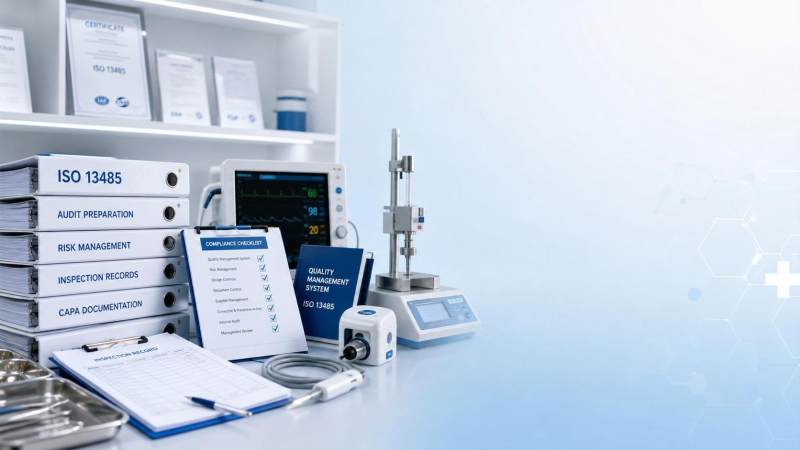
How to Evaluate a Medical Device Quality Management Provider Before Outsourcing
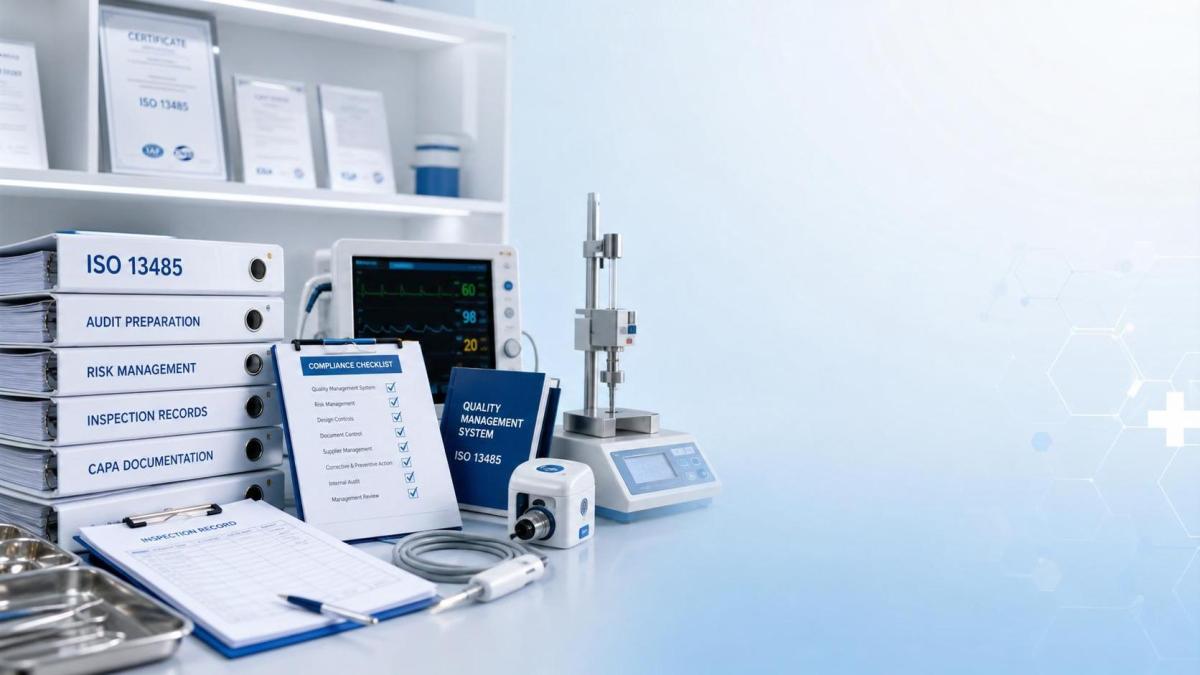
Choosing a medical device quality management provider is no longer a routine outsourcing decision. It shapes compliance, product quality, launch timing, and long-term market trust.
That shift is more visible under MDR and IVDR. Teams now need stronger evidence, cleaner documentation, and better control over every quality-related process.
In practice, many providers sound similar at first. They all mention ISO 13485, risk management, CAPA, audits, and supplier controls.
The real difference appears when you test their methods. A reliable medical device quality management provider can explain how systems perform under regulatory pressure.
This is where evaluation should become structured. You are not buying slide decks. You are assessing whether a partner can protect product integrity and business continuity.
Start with Regulatory Depth, Not Sales Language
A capable medical device quality management provider should show current regulatory fluency, not generic compliance claims. That includes MDR, IVDR, ISO 13485, ISO 14971, and post-market expectations.
Ask how they handle changing guidance. Ask what changed in their client processes after recent updates. The answer should be specific and operational.
Look for evidence in three areas:
- Document control aligned with current regulatory structure
- Clear procedures for complaint handling, vigilance, and traceability
- Working knowledge of technical file and design history requirements
A strong provider should also explain where companies usually fail. Weak answers often signal a template-driven service model with limited technical ownership.
Verify Engineering Rigor Behind the Quality System
Quality management in MedTech cannot sit apart from engineering reality. A medical device quality management provider must understand how design, materials, manufacturing, and performance interact.
This matters even more for connected devices, diagnostics, wearables, and complex assemblies. Paper compliance alone will not hold up when field performance starts drifting.
Ask how they connect quality events to technical causes. For example, can they relate sensor drift, material fatigue, software anomalies, or supplier variation to quality controls?
The better medical device quality management provider will speak in measurable terms. They should discuss process capability, validation strategy, failure analysis, and data-backed corrective action.
This is also where independent benchmarking becomes useful. Groups like VitalSync Metrics help decision-makers compare technical claims against standardized engineering evidence.
Useful Questions to Ask
- How do you validate that a CAPA solved the root cause?
- How do you link complaint trends to process changes?
- What technical metrics do you review during management review?
- How do you assess supplier changes that may affect device performance?
Assess Their Audit Readiness and Evidence Quality
Many outsourcing decisions break down during audits. A provider may have acceptable procedures, yet poor records, weak consistency, or unclear ownership.
A dependable medical device quality management provider should be able to show how evidence is created, reviewed, stored, and retrieved across the product lifecycle.
Review sample deliverables before signing. Do not limit your review to polished presentations. Request redacted SOPs, audit reports, CAPA records, training logs, and validation summaries.
Look closely at writing quality. Strong records are precise, traceable, and internally consistent. Weak records rely on broad phrases and leave gaps between issue, action, and verification.
This review quickly shows whether the provider can withstand scrutiny from notified bodies, customers, and internal quality leaders.
Red Flags During Review
- Generic templates with little product-specific tailoring
- No clear trail from nonconformance to CAPA effectiveness check
- Training records that do not match actual process ownership
- Audit readiness described as a one-time event
Examine Operating Model, Team Structure, and Continuity
A medical device quality management provider is not just a technical resource. It is part of your operating model, especially when internal teams are lean.
That means delivery structure matters. You need to know who owns strategic oversight, who writes documentation, and who responds when an audit issue appears.
Ask whether senior experts stay involved after onboarding. Some firms lead with specialists, then move execution to junior staff without adequate supervision.
Business continuity also deserves attention. If one consultant leaves, can the provider maintain history, decisions, and quality records without losing control?
A reliable medical device quality management provider should offer documented escalation paths, role clarity, communication cadence, and backup coverage.
What a Stable Model Usually Includes
Look at Data Discipline and Decision Support
Recent market changes have made quality data more valuable. The best medical device quality management provider does more than maintain files. It helps interpret signals early.
That includes trend analysis, complaint categorization, supplier performance review, nonconformance tracking, and process monitoring linked to business risk.
Ask what dashboards or review formats they use. Then ask how those outputs influence decisions on design changes, supplier actions, validation, and field response.
This is where data-driven organizations stand apart. VSM’s benchmarking approach reflects the same principle: decisions improve when technical claims are translated into comparable, standardized evidence.
If a provider cannot explain how quality data changes operational decisions, their service may remain administrative rather than strategic.
Compare Providers with a Practical Scorecard
A structured scorecard keeps selection grounded. It also prevents short-term pricing pressure from overriding long-term compliance and performance needs.
When comparing any medical device quality management provider, score each candidate across the same decision factors:
- Regulatory depth and update discipline
- Engineering understanding of the product category
- Audit evidence quality and traceability
- Team stability and communication model
- Data analysis and decision support capability
- Responsiveness during deviations, audits, and change control
Weight the scorecard based on product risk and market goals. A diagnostic platform may need deeper IVDR support. A wearable device may need stronger performance analytics.
This approach makes tradeoffs visible. It also makes final approval easier when multiple stakeholders are involved.
Make the Final Decision Based on Fit Under Pressure
The best medical device quality management provider is rarely the one with the broadest marketing story. It is the one that performs clearly when conditions become difficult.
That includes audit preparation, change control, supplier disruption, complaint spikes, and technical uncertainty during scale-up.
A sound evaluation process should test regulatory strength, engineering discipline, evidence quality, and operating resilience together. Looking at only one area creates blind spots.
In actual business settings, confidence comes from proof. That is why independent technical benchmarking, clean records, and measurable quality outcomes matter so much.
Before outsourcing, build a shortlist, request working evidence, interview the delivery team, and score providers against business-critical risks. That process leads to better decisions and fewer surprises later.
Recommended News
- 2026.10.14Clinic Supplier Comparison: Evaluating Cost, Delivery Reliability, and SupportDr. Alistair Thorne (Senior Biomedical Engineer)
- 2026.10.13Engineering Performance Testing Services: Evaluating Test Methods and AccuracyDr. Alistair Thorne (Senior Biomedical Engineer)
- 2026.10.12Preparing for an ISO 13485 Audit: When to Use External QMS SupportDr. Julian Rossi (RehabTech Specialist)
The VitalSync Intelligence Brief
Receive daily deep-dives into MedTech innovations and regulatory shifts.