 Get Insights

Are eco-friendly cabins worth the higher upfront cost?
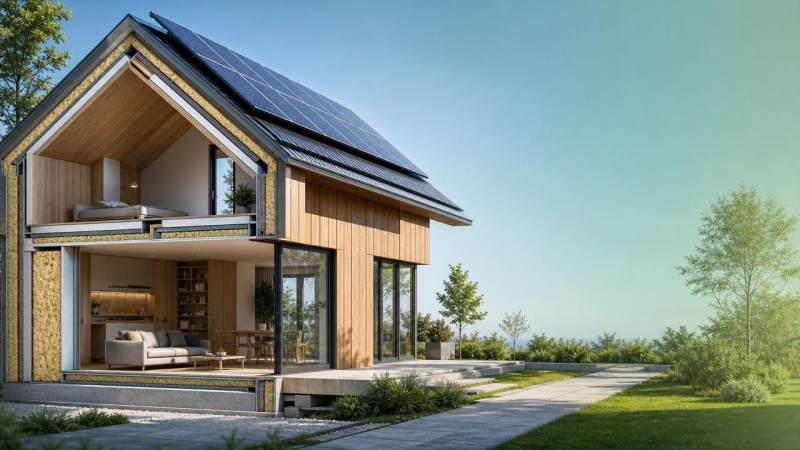
Eco-friendly cabins often come with a higher upfront price, but the real question is whether that premium translates into long-term value. For consumers comparing comfort, durability, energy savings, and environmental impact, the answer depends on materials, insulation, maintenance needs, and how the cabin will be used over time. This article takes a practical, evidence-based look at the true cost of eco-friendly cabins—helping you decide whether the initial investment supports lower operating expenses, healthier living, and a smarter, more sustainable lifestyle.
What makes eco-friendly cabins cost more at the beginning?
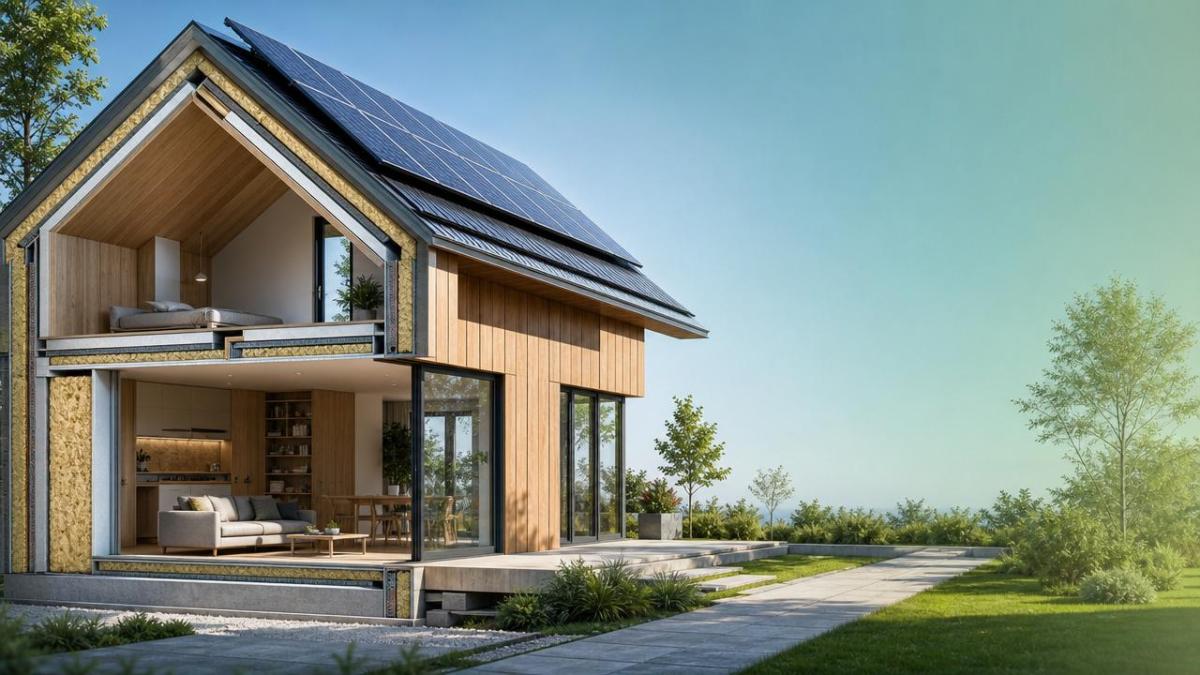
The higher price of eco-friendly cabins is rarely caused by one feature. It usually comes from a combination of certified materials, tighter building envelopes, efficient systems, and better design planning.
A conventional cabin may look affordable on paper, yet it can hide future costs in heating, cooling, moisture repair, replacement finishes, or poor indoor air quality.
The main cost drivers consumers should understand
- Low-impact materials, such as responsibly sourced timber, recycled insulation, low-VOC finishes, and durable exterior cladding, often cost more than basic alternatives.
- Higher insulation levels and air sealing require more precise installation, which increases labor time but improves thermal performance.
- Efficient windows, ventilation systems, solar-ready wiring, and water-saving fixtures add upfront cost but reduce long-term utility demand.
- Design work may be more detailed because eco-friendly cabins must balance orientation, shade, airflow, moisture control, and material durability.
For a consumer with a limited budget, the right question is not simply “Which cabin is cheaper?” It is “Which cabin has the lower cost of ownership?”
Where eco-friendly cabins can create measurable long-term value
Eco-friendly cabins become more attractive when their benefits can be connected to measurable performance. Energy use, comfort stability, maintenance frequency, and resale potential all matter.
This is where a data-driven mindset is useful. VitalSync Metrics applies technical benchmarking principles in complex procurement environments, and the same logic helps consumers evaluate cabin claims.
The following table compares common value areas where eco-friendly cabins may outperform standard builds over years of use.
The financial return depends on climate, energy prices, usage frequency, and construction quality. Eco-friendly cabins deliver the clearest value when performance is specified and verified.
Which buyers are most likely to benefit from eco-friendly cabins?
Not every buyer needs the same specification. A weekend fishing cabin, a full-time residence, and a rental retreat have different performance priorities and payback timelines.
Best-fit scenarios
- Full-time residents benefit from daily energy savings, healthier interiors, and durable construction that supports long-term occupancy.
- Remote workers need stable temperatures, good air quality, acoustic comfort, and lower operating costs during long indoor hours.
- Short-term rental owners can use lower utility bills, sustainability positioning, and comfort reviews to support pricing strategy.
- Off-grid users gain value from reduced energy demand, smaller renewable systems, and improved water management.
Less suitable situations
If the cabin will be used only a few days each year, a full premium package may not pay back quickly. A targeted upgrade approach may work better.
In that case, prioritize insulation, moisture protection, and durable exterior materials before adding solar, smart controls, or premium interior finishes.
Cost comparison: upfront price versus lifetime ownership
The cost conversation around eco-friendly cabins should separate purchase price from ownership cost. A cheaper cabin can become expensive if it leaks heat or needs early repairs.
Use the table below as a practical framework. Actual numbers vary by region, design size, labor availability, and selected systems.
The strongest case for eco-friendly cabins appears when buyers plan to keep the property, use it frequently, or operate it as a premium rental asset.
What specifications should you check before paying the premium?
A higher price only makes sense when the specification is clear. Consumers should avoid vague claims such as “green,” “natural,” or “energy-saving” without supporting details.
Performance checkpoints for eco-friendly cabins
- Ask for insulation values in walls, roof, and floor, and confirm whether the cabin suits your climate zone.
- Review window performance, including glazing type, frame material, air leakage rating, and solar heat gain suitability.
- Confirm ventilation strategy, because airtight cabins need controlled fresh air to prevent condensation and stale interiors.
- Check material documentation, including timber sourcing, low-VOC coatings, recycled content, and product safety data.
- Evaluate water management details, including roof overhangs, drainage, flashing, vapor control, and foundation protection.
This is similar to technical procurement in medical and life sciences supply chains: marketing language must be translated into measurable requirements, traceable documents, and practical risk controls.
How to avoid overpaying for weak sustainability claims
Some eco-friendly cabins justify their premium with solid engineering. Others rely on attractive images, recycled décor, or broad environmental language that does not improve performance.
Before signing, separate emotional appeal from verifiable value. A cabin can look rustic and still perform poorly if the envelope, ventilation, and drainage are weak.
The checklist below helps buyers examine claims with the same discipline used in structured product benchmarking.
Good suppliers welcome specific questions. If a seller avoids documentation, the price premium deserves closer scrutiny before you commit.
Are eco-friendly cabins worth it for tight budgets?
Yes, eco-friendly cabins can be worth it for budget-conscious buyers, but only if upgrades are prioritized. You do not need every sustainability feature at once.
A practical upgrade order
- Start with the building envelope: insulation, air sealing, roof design, drainage, and moisture protection should come before visible finishes.
- Choose efficient windows and doors suited to the local climate, not just the most expensive option available.
- Add low-VOC finishes in sleeping areas, compact living spaces, and rooms with limited ventilation.
- Plan electrical and roof structure for future solar even if you install renewable systems later.
- Document all specifications so resale buyers, insurers, or lenders can understand the quality of the build.
This phased approach keeps eco-friendly cabins accessible while protecting the features that are most expensive to correct after construction.
Common misconceptions about eco-friendly cabins
Many consumers hesitate because sustainability sounds complicated or expensive. In reality, good design is often about reducing waste, not adding unnecessary technology.
Misconception 1: Eco-friendly always means luxury pricing
Some premium cabins are expensive, but many efficient choices are practical. Better orientation, compact floor plans, and smart insulation can reduce system size and operating cost.
Misconception 2: Natural materials automatically perform better
Natural materials still need proper detailing. Wood, fiber insulation, and breathable finishes must be protected from uncontrolled moisture and installed according to climate conditions.
Misconception 3: Solar panels fix an inefficient cabin
Solar helps, but reducing demand comes first. A leaky structure requires larger systems, higher battery capacity, and more expensive backup planning.
FAQ: questions consumers ask before choosing eco-friendly cabins
The following questions reflect common decision points for buyers comparing budget, comfort, sustainability, and long-term ownership risk.
How long does it take for eco-friendly cabins to pay back?
Payback depends on local energy prices, usage frequency, climate, and specification quality. Full-time use usually shortens payback compared with occasional holiday use.
Instead of relying on a generic payback claim, request an energy estimate and compare it with your expected heating, cooling, and maintenance costs.
Do eco-friendly cabins require special maintenance?
They do not necessarily require more maintenance. However, ventilation filters, exterior finishes, drainage systems, and sealants should be checked on a planned schedule.
The benefit is predictability. A well-documented maintenance plan helps prevent moisture issues, energy loss, and premature material failure.
Are eco-friendly cabins suitable for cold or humid climates?
Yes, but climate-specific design is essential. Cold climates need strong insulation and airtightness, while humid regions require vapor control and reliable drying paths.
A cabin designed for one region should not be copied blindly into another. Ask how the design handles condensation, airflow, and seasonal temperature swings.
What documents should I request before purchase?
Ask for material specifications, insulation values, window data, ventilation plans, warranty terms, installation requirements, and any available third-party product documentation.
For eco-friendly cabins, the most useful evidence is specific and traceable. A beautiful brochure is not a substitute for technical clarity.
Why choose VitalSync Metrics for evidence-based product decisions?
VitalSync Metrics is built around a simple principle: purchasing decisions should be based on verifiable performance, not promotional noise. That approach is valuable beyond healthcare.
In MedTech and life sciences, VSM benchmarks technical integrity, reliability, and compliance signals where the gap between claims and performance can be costly.
For consumers considering eco-friendly cabins, the same evaluation mindset helps clarify whether a higher upfront cost is justified by measurable long-term value.
How we can support your decision process
- We can help define the parameters you should confirm, including insulation, ventilation, materials, durability, and operating assumptions.
- We can help compare supplier documentation so you understand which claims are measurable and which need further clarification.
- We can support product selection discussions by turning broad sustainability goals into practical evaluation criteria.
- We can help you prepare questions about delivery timelines, customization options, certification requirements, sample materials, and quotation details.
If you are comparing eco-friendly cabins and need a clearer way to evaluate cost, comfort, documentation, and long-term performance, contact VitalSync Metrics for a structured decision review.
Bring your quotes, specifications, intended usage, climate region, and budget range. We will help you identify the questions that protect your investment before you buy.
Recommended News
- 2026.11.16Choosing Wi-Fi Diagnostic Hardware: Connectivity and Security CriteriaDr. Hideo Tanaka (Imaging Systems Analyst)
- 2026.11.15India Reforms Medical Device Incentive Scheme to Deepen Local ManufacturingDr. Julian Rossi (RehabTech Specialist)
- 2026.11.15Choosing Materials for Sheet Metal Parts: Strength, Corrosion and CostDr. Alistair Thorne (Senior Biomedical Engineer)
The VitalSync Intelligence Brief
Receive daily deep-dives into MedTech innovations and regulatory shifts.