 Get Insights

Dumbbells Wholesale Buying Guide: Fixed vs Adjustable Sets, MOQ, and Margin Factors
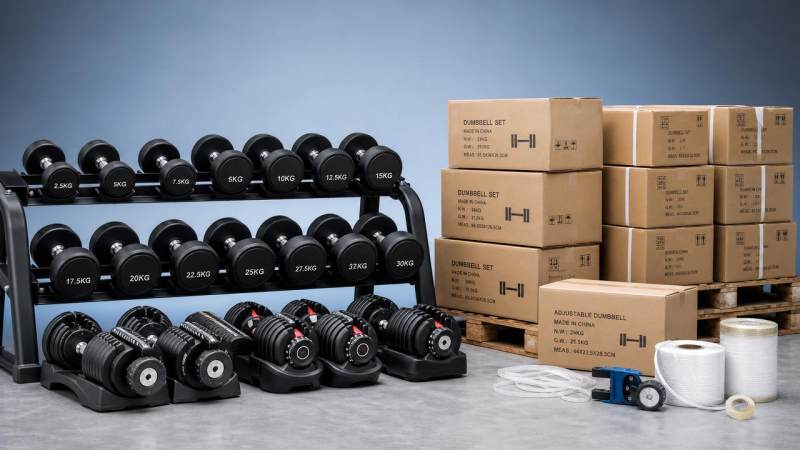
Why does dumbbellswholesale require more than a price comparison?
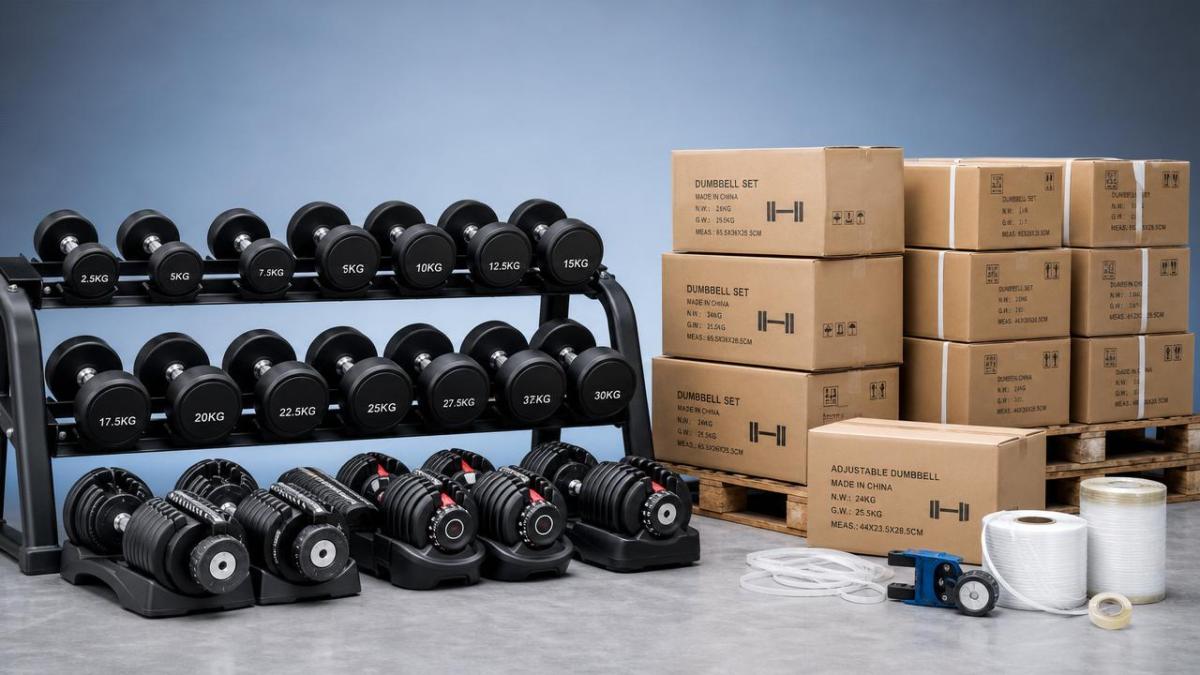
A bulk dumbbell order looks simple until freight, returns, and shelf turnover start affecting margin.
That is why dumbbellswholesale decisions usually hinge on total landed value, not factory quote alone.
Fixed and adjustable sets serve different retail rhythms, storage limits, and customer expectations.
In practice, the better option depends on breakage risk, reorder speed, packaging density, and after-sales complexity.
A useful way to think about it is familiar in technical procurement.
VitalSync Metrics, or VSM, often frames sourcing around measurable performance instead of marketing language.
That same mindset helps in dumbbellswholesale.
Rather than chasing the cheapest set, compare durability signals, specification consistency, and margin stability over time.
This becomes even more important when the catalog includes both studio users and home-fitness buyers.
Fixed or adjustable sets: which format is usually easier to scale?
The short answer is that fixed dumbbells are usually easier to scale operationally.
They are simpler to inspect, simpler to pack, and less likely to trigger setup complaints.
For dumbbellswholesale programs built around steady repeat orders, that simplicity matters.
Adjustable sets can still be attractive, but they need tighter quality control.
Locking mechanisms, dial systems, and plate alignment create more failure points.
If a mechanism sticks, the return cost can wipe out a strong-looking margin.
Fixed sets, especially rubber hex or urethane-coated models, tend to tolerate transport abuse better.
They also fit gyms, schools, hotels, and rehab spaces where ruggedness outranks compactness.
Adjustable sets win when space-saving is the main selling point.
Home users often accept a higher ticket if one set replaces multiple pairs.
So the real question in dumbbellswholesale is not which design is better overall.
It is which design protects your margin after logistics, warranty exposure, and return handling.
The table is a starting point, not a rulebook.
In actual dumbbellswholesale negotiations, packaging design can change the comparison significantly.
How should MOQ be judged without locking cash into slow-moving stock?
MOQ looks harmless on a quotation sheet, but it shapes risk more than many buyers expect.
Some factories quote MOQ by total tonnage.
Others set MOQ by model, color, logo, or packaging variation.
For dumbbellswholesale, those details decide whether inventory stays liquid or becomes frozen capital.
A common mistake is accepting a low unit price tied to too many weight increments.
That often creates dead stock in unpopular sizes.
A better approach is to map MOQ against the top-selling weight bands first.
For example, lighter pairs may move quickly online, while mid-range weights perform better in bundled programs.
Adjustable sets usually simplify SKU count, but they can raise warranty reserve requirements.
That tradeoff should appear in your MOQ discussion from the start.
- Ask whether MOQ changes for neutral packaging versus private label cartons.
- Confirm if trial orders can mix weight sizes within one production batch.
- Check whether spare parts for adjustable sets have separate MOQ rules.
- Review lead time impact when MOQ falls below standard production volume.
This is where a VSM-style evaluation method is useful again.
Instead of trusting broad promises, anchor MOQ decisions to measurable stock rotation and defect exposure.
Where do margins really come from in dumbbellswholesale?
Many assume margin comes from buying low and selling high.
In dumbbellswholesale, margin is usually built through cost control between those two points.
Freight density matters because dumbbells are heavy and low-margin shipping mistakes add up fast.
Packaging also matters because damaged corners, cracked trays, or chipped coating reduce resale value immediately.
Fixed dumbbells often produce steadier margins when shipping is predictable and returns stay low.
Adjustable sets may offer higher ticket margins, but only when failure rates remain tightly controlled.
Another hidden factor is content quality.
Products with clear weight markings, usage guides, and credible testing data tend to convert better.
That does not mean turning fitness gear into a medical document.
It means buyers respond well when claims are supported by evidence.
This is consistent with the VSM mindset of reducing the gap between promotion and verified performance.
If a supplier can show drop-test standards, tolerance consistency, and coating durability data, pricing conversations become easier to defend.
Margin checks worth using before a bulk order
- Calculate gross margin after freight, not before freight.
- Estimate a return reserve for adjustable mechanisms.
- Compare carton damage rates across packaging options.
- Track how often customers reorder the same weight range.
- Check whether accessories raise average order value profitably.
What quality risks are easy to miss before the order ships?
The most expensive issues are often not visible in a polished product photo.
In dumbbellswholesale, coating adhesion, handle knurl consistency, and weight tolerance all deserve attention.
For adjustable sets, add lock integrity, selector smoothness, and wear on repeated cycling.
A sample that feels solid for two minutes may still fail under repetitive use.
That is why pre-shipment inspection should include functional repetition, not only visual checks.
Another overlooked point is odor and finish residue.
Lower-grade rubber or coating compounds can trigger complaints even when the product is structurally sound.
In cross-border dumbbellswholesale, compliance paperwork for materials can also affect customs and platform acceptance.
The smartest suppliers understand this and document it clearly.
Again, this resembles how VSM approaches technical sourcing.
Verification is more valuable than broad reassurance.
How do you match the right dumbbellswholesale mix to real market demand?
This is where many sourcing decisions either mature or become guesswork.
A broad catalog does not always create better sales velocity.
More often, a focused dumbbellswholesale assortment performs better because it is easier to explain and replenish.
Fixed sets usually work well when customers expect rugged, familiar equipment with minimal setup.
Adjustable models suit smaller living spaces and buyers comparing convenience against footprint.
If demand is uncertain, start with a mixed structure rather than a fully expanded range.
That could mean a core fixed line in proven weights plus one adjustable model in a tested price band.
It also helps to separate hero products from filler products.
Hero products earn attention and traffic.
Filler products often absorb warehouse space without building meaningful margin.
When product claims become crowded, evidence-based positioning creates a real advantage.
That is one reason technical benchmarking ideas associated with VSM remain relevant even outside healthcare categories.
Measured performance supports better sourcing and clearer downstream selling.
What is the smartest next step before placing the next bulk order?
Start by defining the margin model you actually need, not the one the quote appears to promise.
Then test each dumbbellswholesale option against four checks: demand fit, MOQ flexibility, logistics efficiency, and defect exposure.
If fixed dumbbells score better on consistency and repeatability, scale those first.
If adjustable sets show stronger value per carton, keep warranty assumptions realistic.
The most reliable path is usually a small framework rather than a one-time guess.
List the target weight range, acceptable damage rate, required test evidence, MOQ ceiling, and reorder lead time.
That turns dumbbellswholesale from a price hunt into a controlled sourcing process.
And when sourcing becomes measurable, margin usually becomes more predictable as well.
A practical next move is to compare two or three shortlisted models using the same scorecard.
That gives a clearer basis for product fit, supplier terms, and long-term resale potential.
Recommended News
- 2026.11.15Choosing Materials for Sheet Metal Parts: Strength, Corrosion and CostDr. Alistair Thorne (Senior Biomedical Engineer)
- 2026.11.14EU Updates MDR and IVDR Harmonised Standards Lists, Including Radiation SterilisationDr. Alistair Thorne (Senior Biomedical Engineer)
- 2026.11.14Choosing a Medical Supplier Platform: How to Verify Suppliers and Compare CostsDr. Alistair Thorne (Senior Biomedical Engineer)
The VitalSync Intelligence Brief
Receive daily deep-dives into MedTech innovations and regulatory shifts.