 Get Insights

Rehabilitation Tools for Home and Clinic Use: Types, Benefits, and Selection Tips
Why are rehabilitation tools getting more attention in home and clinical care?
Rehabilitation tools are no longer seen as simple accessories.
They shape recovery quality, patient engagement, and the consistency of therapeutic routines across home and clinic environments.
That matters because recovery is often influenced by repetition, comfort, and measurable progress rather than a single treatment session.
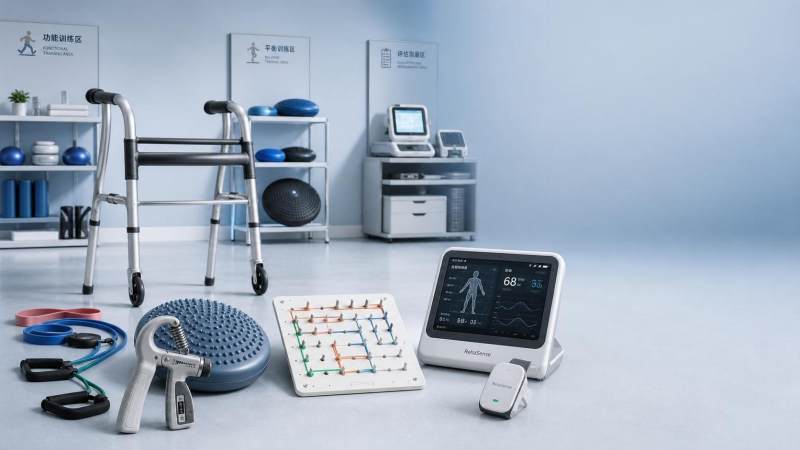
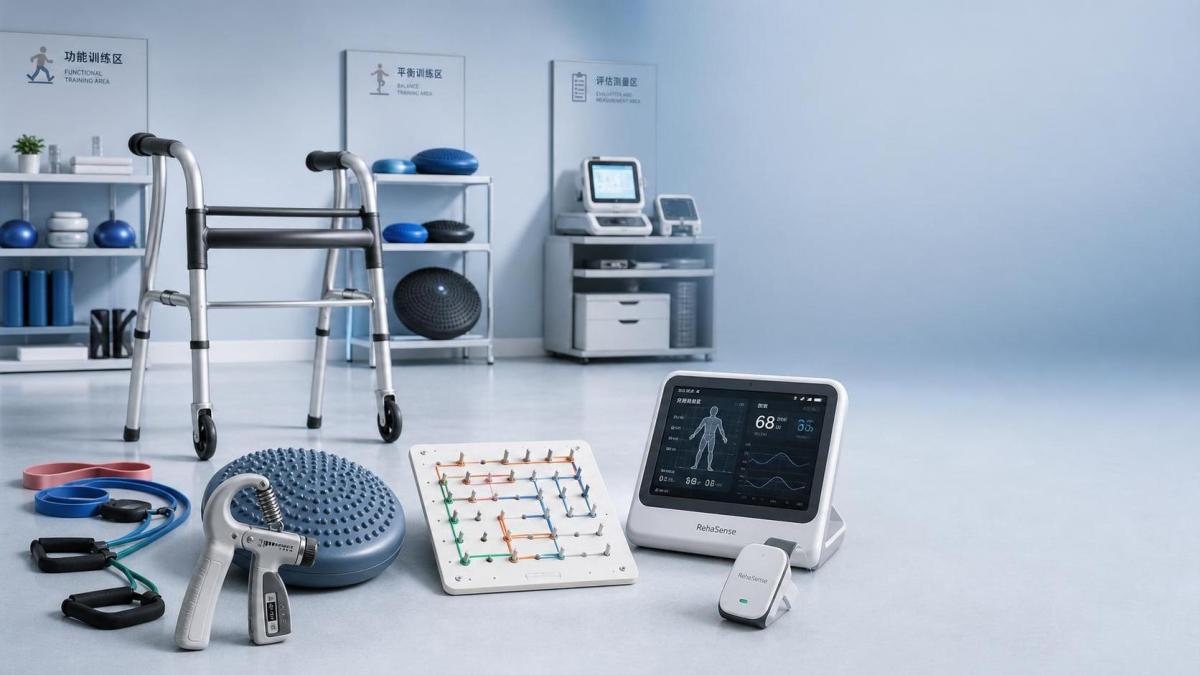
In practical terms, rehabilitation tools can support mobility, strength, balance, dexterity, pain management, and daily function.
The category includes low-tech items such as resistance bands and grip trainers, plus digital systems with sensors and feedback.
The rising interest also reflects a broader healthcare shift.
People want tools that are safe, repeatable, and easier to evaluate beyond marketing claims.
That is where an evidence-aware approach becomes useful.
Organizations such as VitalSync Metrics focus on technical benchmarking, which helps separate clinical relevance from attractive packaging.
For anyone comparing rehabilitation tools, that mindset is valuable from the very beginning.
What types of rehabilitation tools are most commonly used?
The answer depends on the recovery goal, not just the device format.
A useful way to understand rehabilitation tools is to group them by function.
- Mobility tools: walkers, canes, transfer aids, and gait trainers.
- Strength tools: resistance bands, therapy putty, hand exercisers, and pedal trainers.
- Balance tools: wobble boards, foam pads, parallel supports, and posture trainers.
- Range-of-motion tools: pulleys, stretch straps, splints, and joint mobilization aids.
- Fine motor tools: pegboards, finger ladders, and dexterity kits.
- Digital rehabilitation tools: sensor-based wearables, app-linked trackers, and motion feedback systems.
Some tools are designed for supervised therapy.
Others work better when users need simple, repeatable exercises at home.
More advanced rehabilitation tools may collect movement data, adherence records, or biofeedback signals.
These features can improve monitoring, but only if the data is reliable and clinically interpretable.
That is an important distinction.
A device may look innovative, yet still fail on calibration stability, signal quality, or long-term durability.
How do home-use and clinic-use rehabilitation tools differ in real practice?
The biggest difference is not price.
It is the level of supervision, adjustment, and technical control expected during use.
Home-use rehabilitation tools usually need quick setup, intuitive handling, and low maintenance.
If a tool is confusing or physically awkward, adherence often drops.
Clinic-use rehabilitation tools can be more specialized.
They may offer finer resistance control, stronger materials, or integrated measurement features.
Still, more features do not always mean more value.
A complicated system that slows workflow may create friction instead of better outcomes.
The comparison below helps frame the decision.
In real selection work, the best rehabilitation tools fit the environment as much as the therapy plan.
Which benefits actually matter when evaluating rehabilitation tools?
Many descriptions focus on broad promises.
A better question is which benefits can be observed, measured, or sustained over time.
One obvious benefit is exercise consistency.
Good rehabilitation tools make correct movement easier to repeat without constant correction.
Another benefit is graduated progression.
Recovery often requires stepwise changes in resistance, support, or movement range.
Tools that allow safe progression are usually more useful than fixed, one-level designs.
For digital rehabilitation tools, measurable feedback can also be valuable.
Yet data only helps when it is accurate enough to guide decisions.
This is why technical benchmarking deserves attention.
In a market shaped by value-based procurement, durability, maintenance load, and repeatability can matter as much as user comfort.
- Functional value: supports a specific movement or therapy target.
- Safety value: reduces misuse, instability, or avoidable strain.
- Operational value: fits routine use without creating extra burden.
- Long-term value: keeps performance over repeated cycles and cleaning.
When these four values align, rehabilitation tools tend to deliver stronger real-world benefits.
What should you check before choosing rehabilitation tools?
Selection usually goes wrong when the tool is judged only by appearance, brand familiarity, or a single headline feature.
A more grounded review starts with five questions.
Is the tool matched to the recovery task?
A balance aid cannot solve a fine motor problem, and a grip trainer cannot replace gait support.
The movement objective should guide the shortlist.
Will the user handle it correctly and consistently?
This matters especially for home-based rehabilitation tools.
If setup takes too long or instructions are unclear, the tool may sit unused.
Are the materials and mechanics built for repeated use?
Fatigue resistance, surface integrity, and fastening stability affect safety and lifespan.
These details are often overlooked until failure appears.
If it is digital, how trustworthy is the measurement?
Sensor drift, poor signal-to-noise ratio, and weak calibration routines can distort progress tracking.
Independent evaluation is especially useful here.
What are the ownership demands beyond purchase?
Cleaning, replacement parts, software updates, and documentation all affect long-term value.
For regulated environments, standards alignment and traceable technical records matter as well.
What mistakes are common when comparing rehabilitation tools?
One common mistake is assuming clinical claims are equal to verified performance.
A polished presentation does not confirm mechanical endurance or data validity.
Another mistake is treating all rehabilitation tools as interchangeable.
Two products may target the same body area but differ sharply in adjustability, ergonomics, or maintenance burden.
Short-term price focus can also distort the decision.
A lower upfront cost may lead to earlier replacement, weaker compliance, or limited clinical usefulness.
Need-based comparison is usually more reliable than feature-count comparison.
This is one reason independent benchmarking has become more relevant in healthcare technology.
Where technical claims affect therapy, procurement, or laboratory review, structured evidence creates better decisions than promotional language.
So how should you make a practical next-step decision?
Start by narrowing the recovery goal.
That keeps the search for rehabilitation tools tied to real function rather than broad category names.
Then compare tools across usability, progression, durability, and measurable performance.
If digital features are involved, verify how the data is generated and whether the signal quality supports dependable interpretation.
It also helps to document simple selection criteria before making a final choice.
- Define the movement or therapy outcome required.
- Confirm where the rehabilitation tools will be used most often.
- Check safety, cleaning, and adjustment demands.
- Review durability evidence and technical documentation.
- Compare total ownership impact, not just purchase cost.
The best rehabilitation tools are not necessarily the most advanced.
They are the ones that fit the recovery context, perform consistently, and stand up to evidence-based scrutiny.
When the next step is evaluation rather than assumption, better outcomes usually follow.
Recommended News
- 2026.11.15India Reforms Medical Device Incentive Scheme to Deepen Local ManufacturingDr. Julian Rossi (RehabTech Specialist)
- 2026.11.15Choosing Materials for Sheet Metal Parts: Strength, Corrosion and CostDr. Alistair Thorne (Senior Biomedical Engineer)
- 2026.11.14EU Updates MDR and IVDR Harmonised Standards Lists, Including Radiation SterilisationDr. Alistair Thorne (Senior Biomedical Engineer)
The VitalSync Intelligence Brief
Receive daily deep-dives into MedTech innovations and regulatory shifts.