 Get Insights

What good medical device evaluation looks like in rehab tech
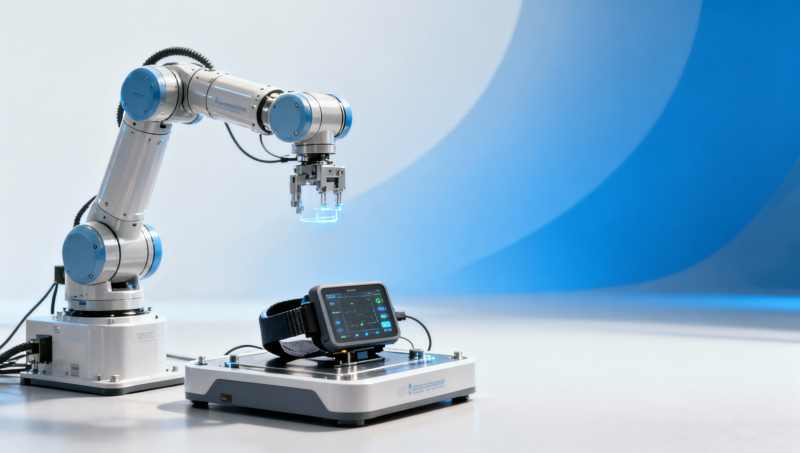
In rehab tech, good medical device evaluation is not about whether a product demo looks impressive. It is about whether a device can deliver safe, repeatable, clinically meaningful performance in real care settings—across different users, workflows, patient conditions, and procurement cycles. For hospitals, rehab providers, startup teams, and healthcare buyers, the real question is simple: can this technology stand up to medical device testing, healthcare benchmarking, medical equipment compliance requirements, and long-term operational use?
The strongest evaluations combine technical verification, usability assessment, regulatory readiness, and outcome-focused evidence. In other words, a rehab device should not only “work” in a controlled pitch environment. It should show reliable signals, consistent mechanics, traceable documentation, interoperability, and practical value once deployed. That is what separates innovation from procurement risk.
What decision-makers actually mean by “good” medical device evaluation
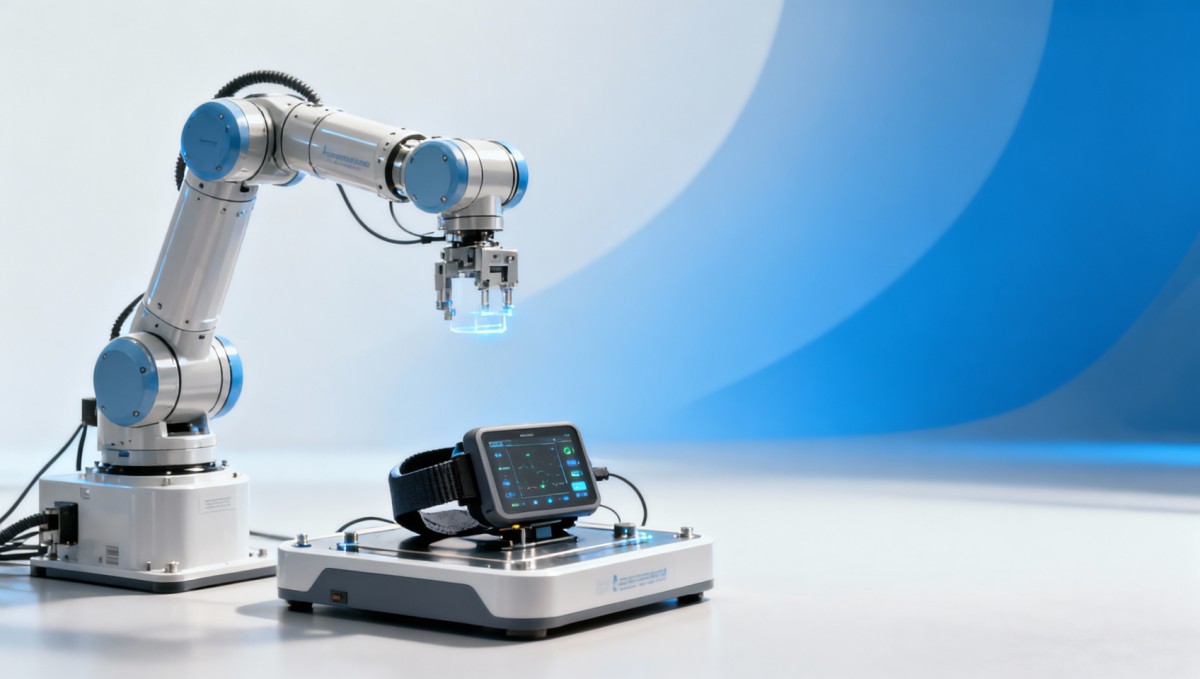
When people search for what good medical device evaluation looks like in rehab tech, they are usually not looking for a textbook definition. They want a practical standard for deciding whether a device is trustworthy, scalable, and worth adopting.
For most target readers, a good evaluation answers five business-critical questions:
- Is it safe? Does the device perform within acceptable limits under real use conditions?
- Is it compliant? Does the evidence support MDR/IVDR expectations, quality documentation, and medical equipment compliance obligations?
- Is it clinically useful? Does it improve rehab outcomes, monitoring quality, or care efficiency in ways that matter?
- Is it usable? Can clinicians, operators, and patients use it correctly without excessive training burden or workflow disruption?
- Is it reliable over time? Will performance remain stable after repeated use, cleaning, transport, calibration, software updates, and environmental variation?
That is especially important in rehabilitation technology, where devices often sit at the intersection of biomechanics, sensors, software, patient variability, and long treatment cycles. A rehab robot, wearable monitor, motion analysis tool, electrotherapy system, or assistive training platform may look promising in a lab but still fail in clinical practice if evaluation is too narrow.
Why rehab tech needs a different level of scrutiny
Rehab technology is uniquely exposed to real-world complexity. Unlike some devices used in short, tightly controlled episodes, rehab systems are often used repeatedly over weeks or months by different therapists and patient populations. That means evaluation must go beyond a single performance claim.
Strong medical technology evaluation in this field should account for:
- Patient diversity: mobility limitations, cognitive variation, age differences, neurological conditions, pain, fatigue, and recovery stages
- Operator variability: different therapists, technicians, caregivers, or home users applying the device in different ways
- Environmental factors: outpatient clinics, inpatient wards, home settings, humidity, movement, electromagnetic noise, and transport conditions
- Repeated-use stress: strap wear, sensor drift, actuator fatigue, charging cycles, calibration changes, and hygiene-related degradation
- Software dependency: firmware revisions, analytics dashboards, cloud connectivity, user permissions, and interoperability with hospital systems
This is why healthcare benchmarking matters. Buyers and technical reviewers need normalized evidence, not isolated vendor claims. A device may advertise precision, comfort, or AI-powered insight, but without benchmarked testing criteria, those claims are difficult to compare across suppliers.
What good evaluation looks like in practice
A robust evaluation framework in rehab tech usually includes several layers of evidence. The best assessments do not rely on one study, one certification, or one performance chart. They combine engineering, clinical, and operational proof.
1. Technical performance verification
This is the engineering foundation. The device should be tested for the parameters that actually matter to its function. Depending on the product, that may include signal-to-noise ratio, force accuracy, motion capture precision, latency, repeatability, battery consistency, thermal stability, material fatigue, or actuator reliability.
Good medical device testing asks not only whether the device can achieve a claimed metric once, but whether it can do so consistently under realistic conditions. For example:
- Does a wearable rehab sensor maintain measurement accuracy during sweat, movement, and long sessions?
- Does a robotic assist device preserve torque consistency after repeated cycles?
- Does a gait analysis platform remain accurate across different body weights and walking patterns?
- Does the software introduce lag that affects therapeutic timing or clinical interpretation?
2. Usability and human factors assessment
Many rehab devices fail not because the core technology is weak, but because the product is difficult to use correctly. Evaluation should include setup complexity, interface clarity, error prevention, cleaning procedures, patient comfort, therapist workload, and training demands.
A device that produces strong technical results but causes workflow friction may still be a poor procurement decision. Good evaluation therefore measures whether the product can be used safely and effectively by real operators, not only by the manufacturer’s team.
3. Clinical relevance and outcome alignment
Clinical evidence should connect the device to outcomes that matter in rehabilitation. That could mean better adherence, faster functional recovery, improved range of motion tracking, more sensitive progress monitoring, reduced therapist burden, or improved patient engagement.
The key is relevance. A technically sophisticated device is not automatically valuable if its measured outputs do not influence treatment decisions or patient outcomes. Good evaluation checks whether the data generated is actionable in clinical practice.
4. Regulatory and documentation readiness
For procurement teams and enterprise decision-makers, evaluation must also examine whether the product is ready for regulated healthcare environments. MDR/IVDR alignment, risk management documentation, traceability, validation records, software lifecycle evidence, labeling, and post-market planning all influence whether a device can be safely adopted and scaled.
This does not mean every buyer must perform a full regulatory audit alone. But strong evaluation should clearly show whether claims are backed by documentation that can withstand scrutiny.
5. Lifecycle reliability and serviceability
One of the biggest gaps between product marketing and operational reality appears after purchase. Good evaluation therefore includes durability, recalibration needs, maintenance burden, replacement part availability, update stability, data retention policies, and long-term support capability.
In value-based procurement, this is critical. A cheaper device with unstable performance, high service demand, or short usable life can become more expensive than a higher-quality option with stronger reliability data.
How procurement teams and operators can judge evaluation quality fast
Not every reader needs to run a full laboratory analysis, but everyone involved in selection can ask sharper questions. If the answers are vague, the evaluation is probably weak.
Useful screening questions include:
- What exact performance metrics were tested, and why do they matter clinically?
- Were tests conducted under realistic rehab use conditions or only ideal laboratory settings?
- How many user types and patient scenarios were included?
- What evidence shows repeatability over time?
- What known limitations, failure modes, or edge cases were documented?
- How does the product compare against recognized benchmarks or competing systems?
- What documentation supports compliance, risk management, and validation?
- What happens after software updates or hardware wear?
- What training and support burden should users expect?
- What total cost of ownership risks emerge after deployment?
This type of questioning helps information researchers filter noise, helps operators anticipate usability issues, helps procurement teams reduce sourcing risk, and helps executives make decisions based on defensible evidence rather than promotional positioning.
Common signs of weak or misleading rehab device evaluation
Readers should also know what poor evaluation looks like. In rehab tech, weak evidence often appears polished on the surface but collapses under inspection.
Warning signs include:
- Heavy reliance on broad marketing language with few measurable test results
- Claims of accuracy or effectiveness without methods, conditions, or comparison baselines
- Small pilot data presented as universal proof
- No discussion of repeatability, drift, wear, or long-term performance
- Limited attention to clinician workflow or patient usability
- Regulatory language used vaguely without concrete documentation support
- No transparency about exclusions, limitations, or test boundaries
- No healthcare benchmarking against alternative devices or reference standards
These gaps matter because procurement errors in healthcare are rarely just financial. They can affect patient safety, staff efficiency, digital integration, audit exposure, and long-term care quality.
What a strong evaluation framework delivers to different stakeholders
Although different audiences ask different questions, the value of rigorous evaluation is shared across the decision chain.
- For researchers and information gatherers: it separates validated performance from generic market claims.
- For clinicians and operators: it reveals whether the device fits everyday use, patient handling, and treatment workflows.
- For procurement professionals: it reduces technical uncertainty, supports vendor comparison, and strengthens negotiation leverage.
- For business leaders: it improves capital allocation, lowers adoption risk, and supports value-based procurement goals.
This is where independent benchmarking and engineering-led assessment become particularly valuable. A third-party, data-driven review can translate complex technical parameters into standardized evidence that non-engineering stakeholders can still act on confidently.
Conclusion: in rehab tech, good evaluation proves trust before purchase
What good medical device evaluation looks like in rehab tech is ultimately straightforward: it proves that a device is safe, usable, compliant, clinically relevant, and reliable in the real environments where rehabilitation actually happens.
For modern healthcare buyers and users, that means looking beyond surface innovation and asking for evidence that holds up across medical device testing, healthcare benchmarking, medical equipment compliance, and long-term operational performance. The best evaluation is not the one with the most impressive brochure language. It is the one that reduces uncertainty, clarifies trade-offs, and enables better decisions with confidence.
In a market shaped by value-based procurement and digital healthcare integration, rigorous medical technology evaluation is no longer optional. It is the standard that turns rehab innovation into something healthcare organizations can trust, scale, and defend.
- value-based procurement
- medical equipment compliance
- medical technology
- medical equipment
- material fatigue
- signal-to-noise ratio
- digital integration
- data-driven
- technical verification
- medical technology evaluation
- healthcare benchmarking
- medical device evaluation
- medical device testing
- healthcare integration
Recommended News
- 2026.10.08How to Evaluate Compact Biosignal Sensors for Reliable Wearable Vital-Sign MonitoringLydia Vancini (Regulatory Compliance Lead)
- 2026.10.07How Custom Orthotics Technology Can Improve Physical Therapy OutcomesSarah Jenkins (Laboratory Infrastructure Consultant)
- 2026.10.06How to Validate Metal Biocompatibility Testing for Implantable Medical DevicesDr. Julian Rossi (RehabTech Specialist)
The VitalSync Intelligence Brief
Receive daily deep-dives into MedTech innovations and regulatory shifts.