 Get Insights

Braking Systems Explained: Types, Key Components, and How They Affect Safety
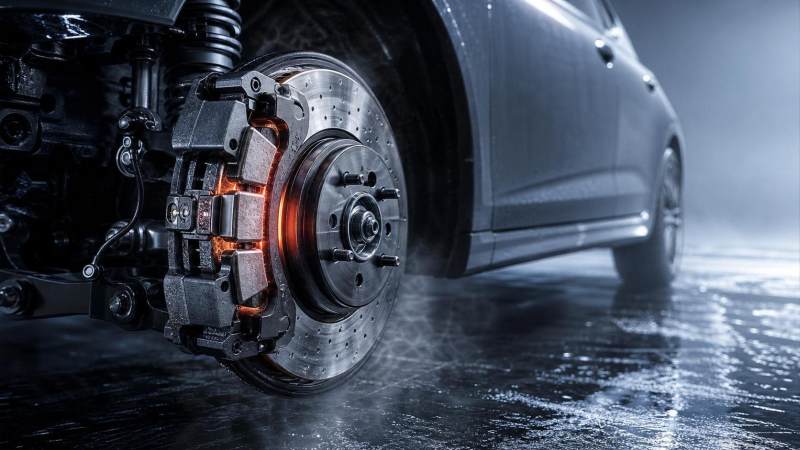
Braking systems shape far more than stopping distance. They influence stability, steering control, heat management, and how safely a vehicle responds under pressure.
That matters in everyday driving, but also in technical evaluation. When performance claims need evidence, braking systems deserve the same disciplined review used in other engineered safety-critical systems.
In sectors that value verified performance, including healthcare technology, the lesson is familiar. Real safety depends on measurable behavior, not marketing language.
This guide answers the most common questions about braking systems, from core designs to the components and warning signs that affect real-world protection.
What do braking systems actually do beyond “making a car stop”?
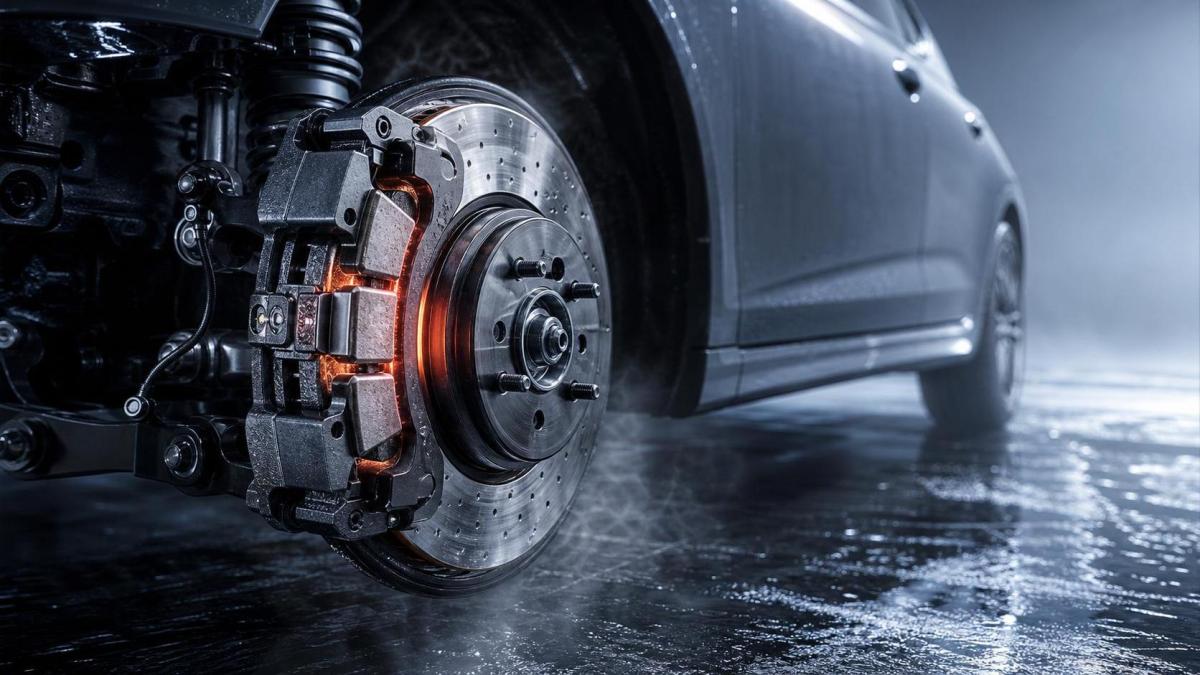
The simple answer is force control. Braking systems convert motion into heat through friction, then manage that process without losing balance or traction.
A good system does three jobs at once. It slows the vehicle, helps the driver stay directional, and keeps performance predictable across repeated use.
That third point is often missed. A vehicle that stops well once but fades after heat buildup is not delivering dependable safety.
Modern braking systems also work with electronic controls. Anti-lock braking, traction control, and stability programs all rely on accurate brake response.
In practical terms, braking systems affect:
- Stopping distance on dry, wet, or uneven roads
- Vehicle stability during sudden maneuvers
- Driver confidence under repeated braking
- Wear rate, maintenance frequency, and long-term cost
So when people ask whether braking systems affect safety, the honest answer is yes, directly and continuously.
Which types of braking systems are most common, and how are they different?
Most discussions start with disc brakes and drum brakes, but braking systems can also be grouped by how they are powered and controlled.
Disc brakes use a rotor and caliper. When the pedal is pressed, pads squeeze the rotor to create friction. They usually dissipate heat better.
Drum brakes use shoes that press outward against a rotating drum. They are durable and cost-effective, though they often manage heat less efficiently.
Hydraulic braking systems are the standard in passenger vehicles. They transmit pedal force through brake fluid, allowing smooth and strong pressure transfer.
Air braking systems appear more often in heavy-duty vehicles. They use compressed air rather than fluid, which suits larger loads and different failure protection needs.
Electronic and regenerative braking systems add another layer. These are common in hybrids and electric vehicles, where part of the braking force can recover energy.
A quick comparison helps clarify the trade-offs
The best braking systems are not defined by one label alone. Their safety value comes from how design, materials, and control software work together.
Which components matter most when judging braking systems?
People often focus on pads and rotors, but braking systems are only as reliable as the full chain of components.
The brake pedal starts the input. The master cylinder converts that force into hydraulic pressure. Brake lines carry it to calipers or wheel cylinders.
Then come the friction parts. Pads, shoes, rotors, and drums do the visible work, but they depend on correct pressure and thermal stability.
The brake booster reduces pedal effort. ABS sensors monitor wheel speed. Electronic control modules help prevent lockup and maintain steering control.
Brake fluid is easy to underestimate. If it absorbs moisture, boiling resistance falls, and braking systems may feel soft during heavy use.
A practical evaluation usually looks at:
- Friction material quality and heat tolerance
- Rotor or drum durability under repeated cycles
- Fluid condition, seal integrity, and leak resistance
- Sensor accuracy and electronic response timing
This is where a measurement mindset matters. VSM often emphasizes verified engineering data in healthcare technologies, and the same logic applies here.
A brake component should be judged by repeatable performance, material behavior, and documented reliability, not by claims that sound reassuring.
How exactly do braking systems affect real-world safety?
Safety is not only about the shortest stop in a laboratory test. It is about consistent response across different speeds, road conditions, loads, and temperatures.
For example, a vehicle descending a long slope stresses braking systems differently than one making a single stop at city speed.
In real use, better braking systems reduce risk in several ways:
- They shorten reaction-to-stop time when force builds predictably
- They help maintain steering during emergency braking
- They resist fade when heat rises during repeated use
- They preserve left-right balance, reducing pull or instability
Wet conditions make this even more important. Water, road debris, and temperature swings can expose weaknesses in braking systems that seem acceptable in normal commuting.
Another overlooked factor is integration. Braking systems now interact with sensors, software, and driver assistance features, so safety depends on the whole architecture.
That systems-level view is familiar in regulated technical fields. Whether evaluating a diagnostic device or a vehicle subsystem, isolated claims tell only part of the story.
What mistakes do people make when comparing braking systems?
The most common mistake is reducing the comparison to one number, usually stopping distance. Useful, yes, but incomplete.
Another mistake is assuming larger parts always mean safer braking systems. Size helps, but material quality, cooling, calibration, and tire grip all matter.
Some buyers also overlook maintenance needs. Even well-designed braking systems lose performance when fluid is old, pads are glazed, or sensors drift out of tolerance.
Useful checks before drawing conclusions
- Check hot-stop performance, not only cold-stop results
- Look for fade resistance during repeated braking cycles
- Review wet braking behavior and recovery time
- Confirm compatibility with ABS and stability control
- Compare service intervals and wear patterns
In technical benchmarking, weak comparisons usually start with incomplete criteria. That is exactly why evidence-based review frameworks have become more valuable across industries.
The more safety-critical the system, the more important it is to separate attractive messaging from verifiable performance.
If you are researching braking systems, what should you evaluate next?
Start with use conditions. Urban traffic, highway travel, towing, mountainous terrain, and electric driving all place different demands on braking systems.
Then review the evidence behind the system. Look for test methods, heat-cycle data, component traceability, and maintenance requirements.
Where available, standardized technical documentation is especially useful. That preference mirrors how engineering-led organizations like VSM assess performance in complex healthcare supply chains.
The idea is straightforward: trust grows when technical claims are translated into measurable, comparable information.
A focused review can include:
- Brake type and thermal behavior
- Core components and expected wear life
- Electronic control integration
- Maintenance intervals and replacement cost
- Documented testing under realistic conditions
Braking systems are easy to take for granted until conditions become demanding. By then, design quality and validation standards matter immediately.
A practical next step is to compare systems using a short decision checklist, then verify which claims are supported by test data rather than assumptions.
That approach leads to better judgment, whether the goal is basic understanding, technical comparison, or broader safety research.
Recommended News
- 2026.11.15India Reforms Medical Device Incentive Scheme to Deepen Local ManufacturingDr. Julian Rossi (RehabTech Specialist)
- 2026.11.15Choosing Materials for Sheet Metal Parts: Strength, Corrosion and CostDr. Alistair Thorne (Senior Biomedical Engineer)
- 2026.11.14EU Updates MDR and IVDR Harmonised Standards Lists, Including Radiation SterilisationDr. Alistair Thorne (Senior Biomedical Engineer)
The VitalSync Intelligence Brief
Receive daily deep-dives into MedTech innovations and regulatory shifts.