 Get Insights

How Medical Device Sourcing Intelligence Insights Help Compare Suppliers and Control Risk
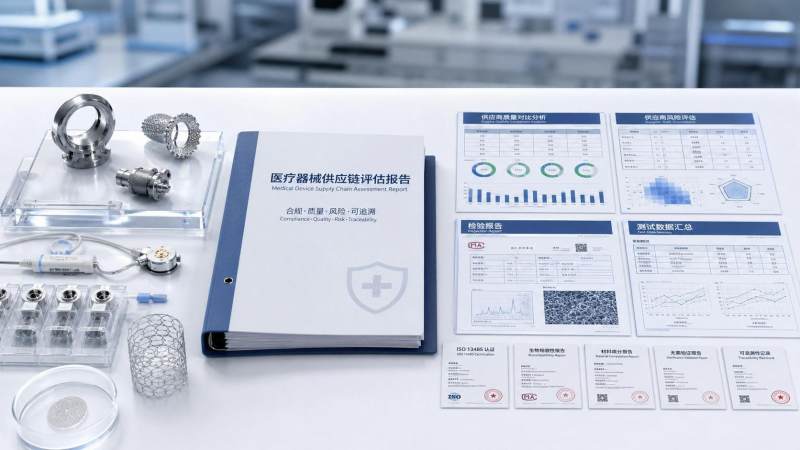
How Medical Device Sourcing Intelligence Insights Help Compare Suppliers and Control Risk
In a market where technical claims often outpace verified performance, medical device sourcing intelligence insights give procurement teams a clearer way to compare suppliers and control risk.
By turning engineering data, compliance signals, and reliability benchmarks into evidence, buyers can move beyond brochures and make decisions with stronger confidence.
Why Supplier Comparison Has Become Harder
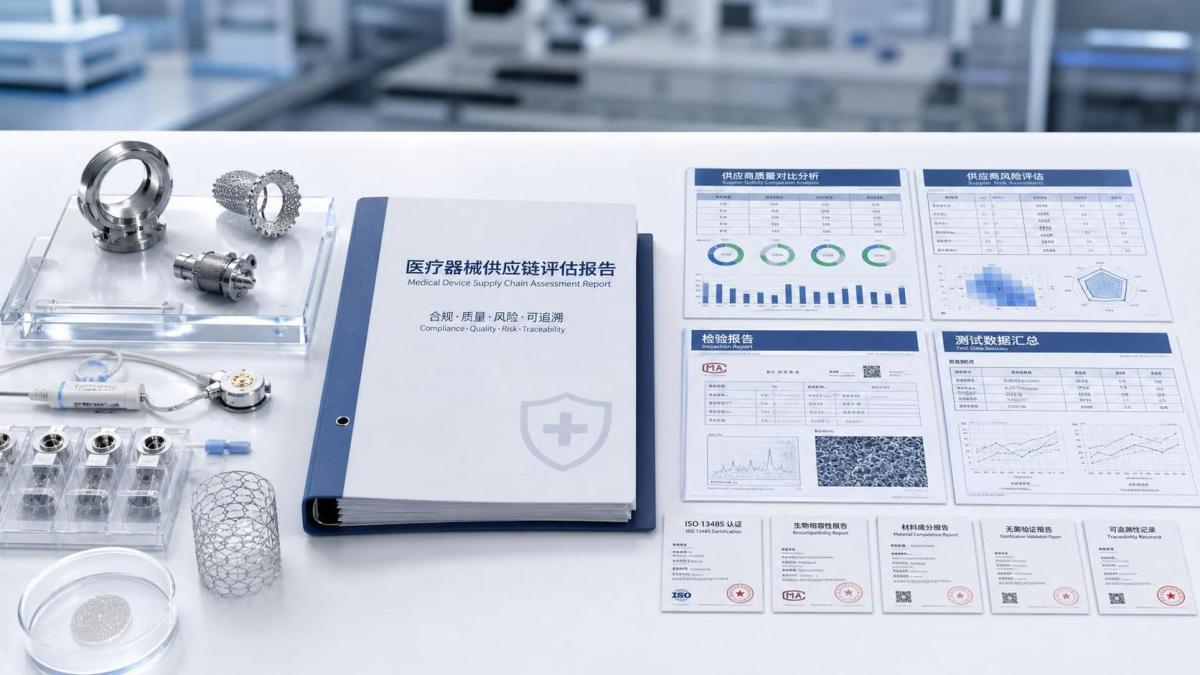
Medical devices now combine hardware, software, connectivity, and stricter documentation. That complexity makes side-by-side supplier comparison much harder than basic price checks.
A low quoted price can hide weak traceability, unstable components, or poor post-market support. Those gaps usually appear late, when switching costs are already high.
This is where medical device sourcing intelligence insights become useful. They help separate commercial messaging from verified technical performance.
From recent market shifts, the clearer signal is this: sourcing risk is no longer only about delivery delay. It also includes compliance exposure, product reliability, and lifecycle cost.
In practical terms, buyers need more than supplier lists. They need structured evidence that explains who can perform consistently under real operating conditions.
What Medical Device Sourcing Intelligence Insights Actually Show
Good medical device sourcing intelligence insights connect technical, regulatory, and commercial signals into one decision framework.
That means buyers can compare suppliers using measurable indicators instead of broad sales claims.
Core data points that matter
- Device performance consistency across batches
- Material durability and fatigue tolerance
- Sensor accuracy, signal stability, and noise levels
- MDR and IVDR documentation maturity
- Process control, traceability, and change management
- Complaint history and field reliability trends
- Supply continuity and component dependency risk
When these inputs are benchmarked properly, medical device sourcing intelligence insights reveal meaningful differences that normal RFQ reviews usually miss.
This also improves internal alignment. Engineering, quality, and sourcing can discuss the same facts instead of debating isolated assumptions.
How to Compare Suppliers Beyond Unit Price
The most common sourcing mistake is treating quoted cost as the main decision driver. In medical procurement, total value matters much more.
Medical device sourcing intelligence insights support a broader comparison model that looks at both cost and operational exposure.
A practical comparison checklist
- Validate whether technical data comes from verified testing or self-declared marketing material.
- Review regulatory readiness, including file completeness and update history.
- Assess production repeatability across lots, not only one sample batch.
- Check service responsiveness, complaint handling, and CAPA discipline.
- Estimate lifecycle cost, including failure rates, maintenance, and replacement timing.
A supplier with a slightly higher unit price may still deliver better value if the device lasts longer, performs more consistently, and creates fewer quality events.
That is one of the strongest uses of medical device sourcing intelligence insights. They reframe cost from a purchase number into a risk-adjusted business outcome.
Key Risk Signals Buyers Should Not Ignore
Some supplier risks look minor at first. In regulated healthcare environments, they rarely stay minor for long.
Medical device sourcing intelligence insights are most valuable when they highlight early warning signs before a contract is locked in.
Watch for these signals
- Frequent specification changes without robust change control
- Incomplete validation records or inconsistent test methods
- Heavy dependence on a single sub-tier component supplier
- Weak response quality during technical due diligence
- Large gaps between claimed and benchmarked performance
- Limited visibility into complaint trends or field returns
These patterns often point to deeper process instability. More importantly, they increase the chance of recalls, audit findings, or expensive replacement programs.
In day-to-day sourcing work, risk control gets stronger when teams score these signals consistently across all shortlisted suppliers.
Using Benchmarking to Make Decisions Defensible
Supplier selection often needs approval from quality, clinical, finance, and operations. That makes defensible evidence essential.
Independent benchmarking helps by converting complex test results into comparable sourcing intelligence.
VitalSync Metrics supports this need as an independent benchmarking laboratory and think tank focused on MedTech and life sciences supply chains.
Its role is not to amplify supplier marketing. It is to translate engineering truth into sourcing clarity.
That includes evaluating factors like wearable sensor signal-to-noise ratio, implant material fatigue limits, and manufacturing parameter consistency.
When technical benchmarking is standardized into usable whitepapers, medical device sourcing intelligence insights become much easier to apply in procurement decisions.
A Simple Supplier Comparison Table
A structured table keeps supplier reviews disciplined. It also reduces the bias that often appears during stakeholder discussions.
Used consistently, this kind of framework turns medical device sourcing intelligence insights into a repeatable buying process.
How to Build a Smarter Sourcing Process
A stronger process does not need to be overly complex. It needs to be evidence-based, cross-functional, and consistent from supplier discovery to final award.
Start by defining the device risks that matter most. Then map those risks to the data required for comparison.
Next, use medical device sourcing intelligence insights to score each supplier on performance, compliance, resilience, and total cost.
Finally, keep the record trail clear. A documented rationale protects both the purchase decision and the organization behind it.
As procurement becomes more technical, the buyers who win are not simply the ones who negotiate harder. They are the ones who verify better.
That is the practical value of medical device sourcing intelligence insights: clearer supplier comparison, tighter risk control, and better long-term sourcing outcomes.
Recommended News
- 2026.11.16Choosing Wi-Fi Diagnostic Hardware: Connectivity and Security CriteriaDr. Hideo Tanaka (Imaging Systems Analyst)
- 2026.11.15India Reforms Medical Device Incentive Scheme to Deepen Local ManufacturingDr. Julian Rossi (RehabTech Specialist)
- 2026.11.15Choosing Materials for Sheet Metal Parts: Strength, Corrosion and CostDr. Alistair Thorne (Senior Biomedical Engineer)
The VitalSync Intelligence Brief
Receive daily deep-dives into MedTech innovations and regulatory shifts.