 Get Insights

Is eco-friendly home improvement worth the upfront cost?
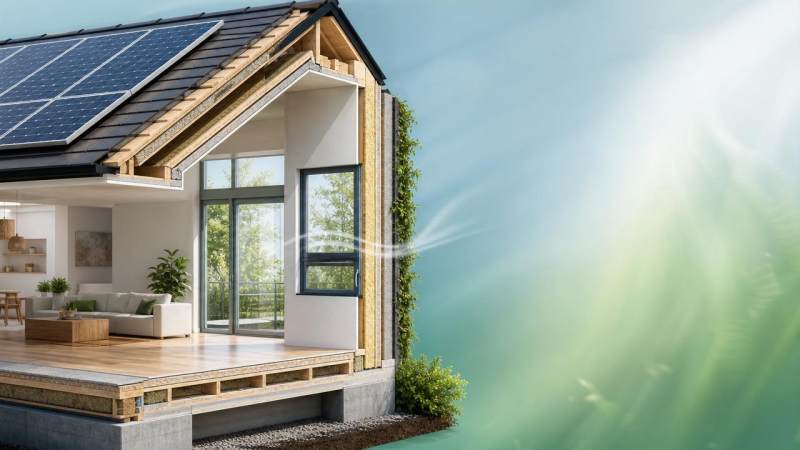
Is eco-friendly home improvement truly worth the upfront cost, or is it simply a lifestyle premium?
The answer depends on measurable factors: energy savings, material durability, indoor air quality, maintenance cycles, and long-term property value.
As sustainability standards rise, eco-friendly home improvement is judged by lifecycle return, not by appearance alone.
Is eco-friendly home improvement worth the upfront cost in real living scenarios?
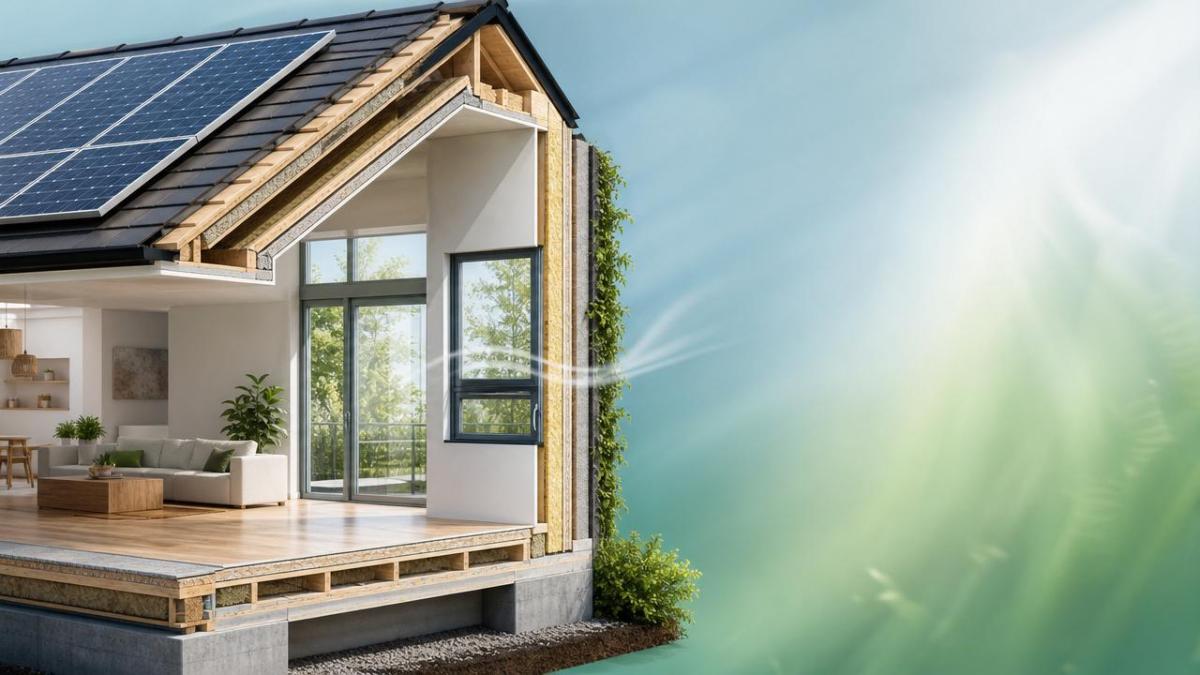
Eco-friendly home improvement becomes worthwhile when the chosen upgrade solves a specific performance problem.
A solar-ready roof, low-VOC interior finish, or high-efficiency heat pump should match the building’s actual conditions.
The strongest cases appear where energy demand is high, materials fail early, or indoor comfort is already poor.
The weakest cases appear when upgrades are selected mainly for branding, resale hype, or aesthetic similarity.
A practical decision should compare purchase cost, installation complexity, incentives, maintenance, and expected lifespan.
This mirrors technical benchmarking used in other industries, where claims must be tested against measurable operating performance.
Scenario background: why the same upgrade delivers different value
No single eco-friendly home improvement has the same payback in every property.
Climate, utility prices, building age, insulation quality, moisture risk, and local incentives change the result.
A premium window may perform well in a cold region, but underperform where cooling loads are minor.
Bamboo flooring may suit dry interiors, yet require extra care in damp rooms.
Eco-friendly home improvement should therefore begin with a scenario diagnosis, not a product catalog.
The best question is not “Which green material is popular?”
The better question is “Which weak point creates the largest avoidable cost over time?”
Scenario 1: high energy bills and inefficient building envelopes
When heating or cooling bills are consistently high, eco-friendly home improvement often starts with the building envelope.
Air sealing, attic insulation, insulated doors, and efficient glazing can reduce wasted energy before equipment is replaced.
The key judgment point is leakage, not just equipment age.
A new heat pump loses value if conditioned air escapes through gaps and under-insulated surfaces.
In this scenario, upfront cost is often justified by lower monthly utility exposure.
The payback is strongest where energy prices are high and seasonal temperature swings are severe.
Best-fit upgrades for this scenario
- Air sealing around ducts, frames, penetrations, and attic access points.
- High-performance insulation with moisture-aware installation.
- Energy-efficient windows selected by climate zone.
- Smart thermostats paired with verified HVAC sizing.
Scenario 2: renovation focused on indoor air quality
Eco-friendly home improvement is not only about energy.
In sealed buildings, indoor air quality can become the main value driver.
Low-VOC paints, formaldehyde-conscious cabinetry, natural finishes, and balanced ventilation reduce exposure to avoidable pollutants.
The core judgment point is material emissions over time, not just odor during installation.
A product that smells mild can still release compounds after curing.
Reliable eco-friendly home improvement decisions should review certifications, emission limits, adhesive content, and ventilation compatibility.
This scenario often delivers comfort value that is hard to capture through utility savings alone.
Scenario 3: moisture-prone kitchens, baths, and basements
Moisture changes the economics of eco-friendly home improvement.
Materials that are sustainable in dry rooms may fail early in wet zones.
Mold resistance, vapor control, drainage, and cleanability matter more than marketing labels.
For kitchens and baths, durable recycled tile may outperform softer natural materials.
For basements, flooring should tolerate humidity and occasional water exposure.
The best green choice is the one that avoids premature replacement.
In this scenario, lifecycle durability can matter more than the carbon story of the material itself.
Scenario 4: solar, batteries, and electrification decisions
Solar panels, battery storage, induction cooking, and heat pumps are visible eco-friendly home improvement choices.
They can produce strong returns, but only when the electrical system and load profile support them.
A solar system should be assessed against roof orientation, shading, tariff structure, and future electricity use.
Battery value depends on outage frequency, time-of-use pricing, and backup requirements.
Electrification may require panel upgrades, wiring changes, or ventilation adjustments.
The upfront cost is worthwhile when installation planning avoids hidden infrastructure surprises.
Different scenario requirements at a glance
This comparison shows why eco-friendly home improvement needs evidence-based prioritization.
The right upgrade is not always the most expensive or most visible option.
Scenario-fit recommendations before spending more
A useful eco-friendly home improvement plan should rank actions by risk, savings, and installation dependency.
Start with low-regret measures before committing to complex systems.
- Audit energy use, humidity patterns, ventilation, and maintenance history.
- Fix air leaks, water intrusion, and insulation gaps first.
- Select materials by verified durability and emissions data.
- Calculate incentives, utility rates, and replacement timing.
- Request performance documentation, not just sustainability statements.
This approach prevents eco-friendly home improvement from becoming a collection of disconnected purchases.
It turns renovation into a staged performance upgrade.
Common misjudgments that weaken the return
The first mistake is ignoring installation quality.
Even premium sustainable materials fail when moisture barriers, flashing, curing, or ventilation are poorly handled.
The second mistake is comparing purchase prices without comparing lifespan.
A cheaper surface that needs early replacement may cost more over ten years.
The third mistake is treating every certification as equal.
Different labels measure recycled content, emissions, forestry practice, energy use, or broader environmental impact.
The fourth mistake is skipping maintenance planning.
Eco-friendly home improvement still requires cleaning, filter changes, sealing, calibration, and periodic inspection.
The fifth mistake is overestimating resale value.
Green upgrades support value best when they are documented, functional, and easy to understand.
How to decide if the upfront cost is justified
Eco-friendly home improvement is worth the upfront cost when it meets at least one clear condition.
- It reduces a recurring utility or maintenance burden.
- It extends the service life of a key building component.
- It improves comfort, air quality, or moisture control measurably.
- It qualifies for incentives that shorten payback.
- It fits the building’s climate, structure, and usage pattern.
If none of these conditions apply, the upgrade may still be desirable.
However, it should be treated as a values-based choice, not a guaranteed financial return.
The strongest decisions combine environmental intent with engineering discipline.
Action guide: turn eco-friendly home improvement into a measurable plan
Before approving a green renovation budget, create a short performance checklist.
Record current energy bills, comfort complaints, humidity readings, material failures, and expected renovation timing.
Then match each eco-friendly home improvement option to one measurable outcome.
Ask for product data sheets, emissions certificates, warranty terms, installer qualifications, and maintenance requirements.
Compare total ownership cost, not only invoice price.
A practical green upgrade should make the home more efficient, durable, comfortable, and easier to maintain.
When selected by scenario, eco-friendly home improvement is often worth the upfront cost.
When selected by trend alone, it can become an expensive missed opportunity.
Recommended News
- 2026.10.13Engineering Performance Testing Services: Evaluating Test Methods and AccuracyDr. Alistair Thorne (Senior Biomedical Engineer)
- 2026.10.12Preparing for an ISO 13485 Audit: When to Use External QMS SupportDr. Julian Rossi (RehabTech Specialist)
- 2026.10.11How to Benchmark Remote Monitoring Systems for Laboratory Uptime and Alert AccuracyLydia Vancini (Regulatory Compliance Lead)
The VitalSync Intelligence Brief
Receive daily deep-dives into MedTech innovations and regulatory shifts.