 Get Insights

Medical technology evaluation for tools with short lifecycles
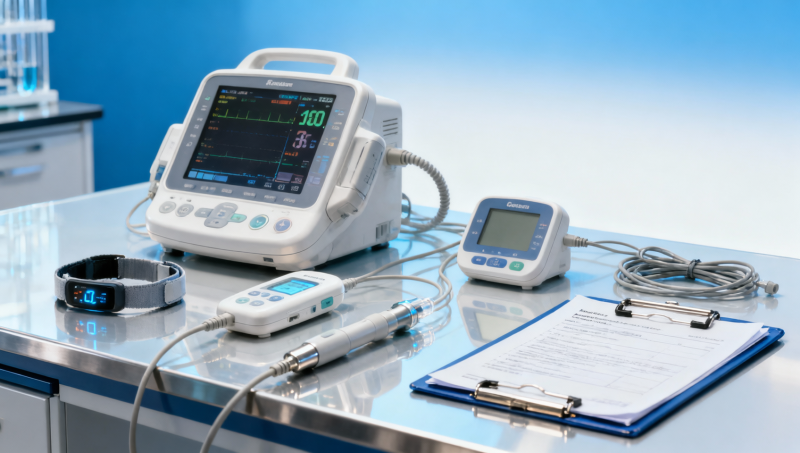
In an industry shaped by rapid medical device innovation and ever-shorter product lifecycles, medical technology evaluation has become essential for buyers, operators, and global decision-makers. From medical device testing and healthcare benchmarking to MDR IVDR alignment and medical equipment compliance, reliable assessment now determines whether a tool delivers true clinical value, regulatory confidence, and long-term performance.
For procurement teams, the pressure is practical: a device launched 12 months ago may already be approaching replacement, software deprecation, or a revised regulatory pathway. For operators, the challenge is usability and stability under real workloads. For executives, the question is whether short-lifecycle tools can still deliver measurable value within 24–36 months without introducing hidden compliance or maintenance risks.
This is where structured medical technology evaluation matters. A rigorous framework helps separate attractive product positioning from verifiable technical performance. It also enables a more disciplined approach to vendor comparison, total cost forecasting, validation planning, and lifecycle governance across hospitals, laboratories, outpatient networks, and emerging MedTech programs.
Why short-lifecycle medical tools require a different evaluation model
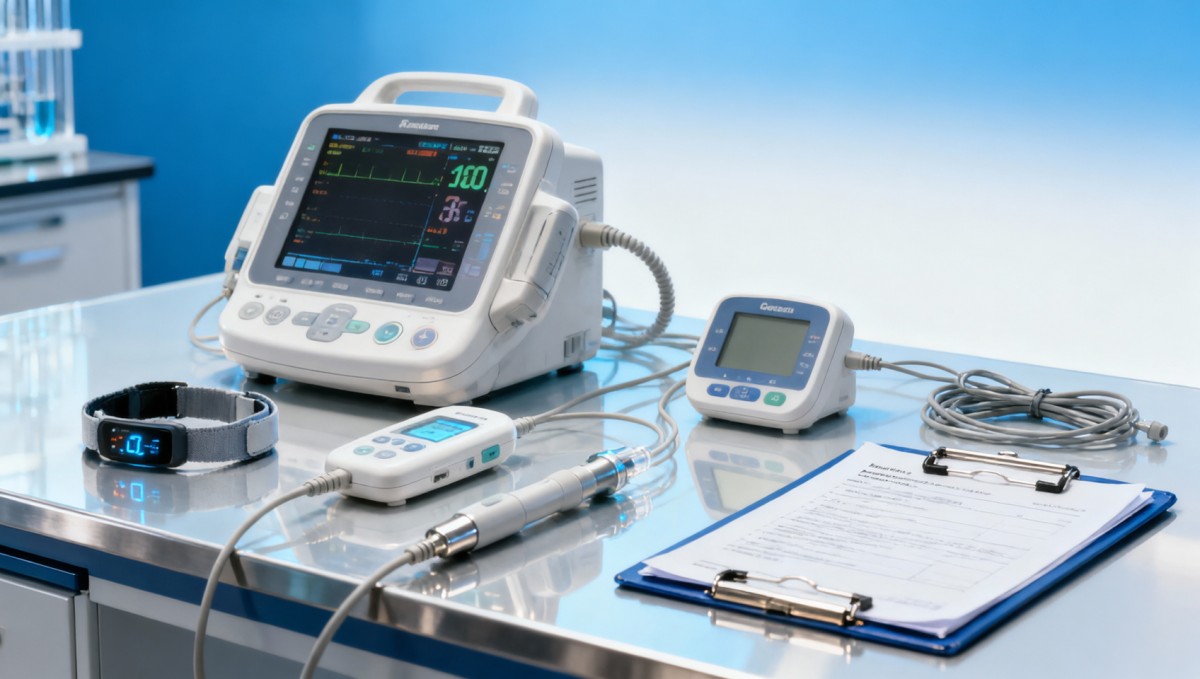
Traditional capital equipment evaluation often assumed a usable life of 5–10 years. That model no longer fits many digital and connected devices. Wearable sensors, AI-assisted diagnostic modules, software-driven monitors, compact imaging add-ons, and smart lab tools may change materially within 12–24 months through firmware updates, component substitutions, or platform redesigns.
The risk is not simply faster obsolescence. Short lifecycles can affect calibration continuity, accessory compatibility, cybersecurity maintenance windows, and document control under MDR or IVDR expectations. A device may still function, yet its evidence package, serviceability, or integration roadmap may no longer support safe procurement at scale.
For operators, short-lifecycle tools create training churn. A unit interface revised every 6–9 months can increase user error if onboarding materials lag behind. For procurement leaders, frequent version changes complicate apples-to-apples comparison because a specification sheet from one quarter may not match the delivered configuration in the next quarter.
An effective healthcare benchmarking approach therefore needs to focus on both present performance and future stability. The evaluation should test whether a tool meets current clinical needs, while also examining software support duration, component traceability, spare parts access, validation burden, and the likely impact of design refresh cycles.
Independent benchmarking laboratories such as VitalSync Metrics support this process by translating technical claims into comparable engineering evidence. Instead of asking only whether a device works, buyers should ask whether it can remain compliant, maintainable, and operationally useful through its realistic lifecycle horizon.
Core pressure points in short-lifecycle procurement
- Version turnover in 6–18 months, which can invalidate earlier comparisons or pilot data.
- Service support windows shorter than the expected asset planning cycle of 24–36 months.
- Frequent software revisions that require repeated validation, retraining, and cybersecurity review.
- Supply chain substitutions in sensors, batteries, polymers, or chips that may alter performance consistency.
What should be evaluated beyond headline performance
A short-lifecycle tool should be evaluated across at least 4 dimensions: clinical relevance, technical repeatability, compliance readiness, and lifecycle supportability. If one of these dimensions is weak, a low upfront price can still lead to higher downstream costs through retraining, retesting, delayed deployment, or early replacement.
Key criteria for medical device testing and healthcare benchmarking
A robust medical technology evaluation framework needs measurable criteria. The goal is to reduce subjectivity and create a procurement record that stands up to internal audit, quality review, and budget scrutiny. In practice, most organizations benefit from using 5–7 weighted criteria rather than relying on a single score or a purely commercial shortlist.
Technical performance should be tested under representative conditions, not only vendor-demonstration settings. For example, wearable or monitoring devices may need signal stability checks across temperature ranges of 18–28°C, battery cycles over 8–12 hours, and repeated use across multiple operators. Laboratory and diagnostic tools may require verification of drift tolerance, error rates, or sample throughput under peak-hour conditions.
Compliance evaluation should examine document completeness, intended-use clarity, labeling consistency, and post-market update discipline. MDR IVDR alignment is not only about possessing the right declarations. It also concerns whether technical documentation, change records, risk management files, and traceability processes can support ongoing use when product versions evolve quickly.
Another critical area is serviceability. Devices with short lifecycles may have acceptable primary performance but weak support continuity. Teams should verify spare part lead times, software patch cadence, field service response windows, and whether accessories remain available for at least 24 months after the purchased version is introduced.
A practical criteria matrix for evaluation
The following table shows a practical way to compare short-lifecycle medical tools before pilot approval or tender release. It is especially useful for procurement committees that need a structured basis for supplier discussion.
The key takeaway is that benchmarking should combine laboratory evidence and operational evidence. A device that scores highly in a controlled test but poorly in integration or support may not be the right purchasing decision. This is particularly true when deployment spans multiple departments or geographies.
Suggested weighted scoring structure
- Technical performance: 30%
- Regulatory and documentation quality: 20%
- Workflow and usability fit: 20%
- Service and support continuity: 15%
- Total cost and replacement planning: 15%
This kind of structure helps cross-functional teams avoid overvaluing a polished demo or underestimating documentation risk. It also creates a repeatable evaluation record for future reorders, renewals, or replacement decisions.
How to assess regulatory, compliance, and lifecycle risk
Medical equipment compliance for short-lifecycle products requires attention to change management. Even when a tool enters the market with acceptable documentation, frequent hardware or software revisions can create gaps between approved claims, validated performance, and the version actually delivered to the user site. This is one of the most common hidden risks in dynamic MedTech categories.
Buyers should therefore look at version governance as closely as they look at core performance. Ask how often product revisions are released, which changes trigger customer notification, and whether prior validation data remains applicable. A revision every 3 months is manageable only if document control and communication are equally disciplined.
For MDR IVDR alignment, the evaluation should also consider whether the supplier can maintain evidence continuity through the product lifecycle. This includes risk files, instructions for use, complaint handling pathways, and documented design changes. In fast-moving product categories, the ability to preserve audit-ready records over 2–5 years is often more valuable than an aggressive launch schedule.
Lifecycle risk also affects capital planning. If a tool is likely to face platform discontinuation within 18–30 months, the procurement team should model transition costs in advance. These costs may include retraining, validation repeats, accessory replacement, or software integration updates that do not appear in the initial quotation.
Compliance checkpoints procurement teams should request
- A documented change notification process with clear triggers for major and minor revisions.
- Evidence of complaint handling and field corrective action procedures.
- A support statement covering patching, spare parts, and accessory continuity for a defined period.
- Technical documentation review covering intended use, warnings, labeling consistency, and traceability.
Common risk patterns by evaluation category
The table below can help decision-makers identify where short-lifecycle products most often fail after purchase, even when the initial demonstration appears strong.
The most resilient procurement strategy is to treat compliance as an operational capability rather than a one-time document check. That mindset reduces exposure to version churn and strengthens long-term sourcing confidence.
Building an evaluation workflow that works for buyers, operators, and executives
A medical technology evaluation program is most effective when it reflects the needs of three groups at the same time. Operators need usability and reliability. Procurement teams need comparability, traceability, and defensible supplier selection. Executives need confidence that the tool will deliver value within budget and within a realistic lifecycle horizon.
A practical workflow usually consists of 5 stages: requirement definition, document screening, technical benchmarking, pilot validation, and commercial decision. Depending on risk class and deployment scale, the full process may take 3–8 weeks for simpler tools or 8–16 weeks for highly connected or regulated systems. Skipping stages often creates downstream delays that exceed the time saved upfront.
At the requirement stage, teams should define no more than 10–12 must-have criteria. These may include measurement accuracy, data export format, sterilization compatibility, battery duration, onboarding time, environmental tolerance, and support response time. Clear requirements prevent tender drift and reduce negotiation based on nonessential features.
Technical benchmarking should be conducted against standardized use scenarios. VitalSync Metrics supports this by converting manufacturing parameters and operational evidence into structured whitepapers. That format helps procurement committees compare unlike products on a common basis, especially when supplier marketing language varies widely.
The pilot stage should not be a loose product trial. It should define duration, acceptance criteria, user groups, failure logging, and escalation thresholds. A 14-day pilot with 3 user roles and 5 acceptance checkpoints is often more valuable than a 60-day informal test with no documented conclusions.
Recommended 5-step evaluation flow
- Define the clinical or operational use case and rank mandatory versus desirable criteria.
- Screen supplier documentation for compliance completeness and version clarity.
- Run medical device testing or independent benchmarking on key technical metrics.
- Conduct a limited pilot in real workflow conditions with predefined success thresholds.
- Review lifecycle support, commercial terms, and replacement planning before award.
Questions each stakeholder should ask
Operators should ask whether the tool can be learned in less than 2 hours and used reliably across shifts. Procurement should ask whether the evaluated version matches the orderable version and whether support terms are explicit. Executives should ask whether the device can provide measurable value before the next likely product refresh cycle.
Practical selection advice, common mistakes, and next-step questions
One common mistake is choosing short-lifecycle medical tools based on specification density rather than usable evidence. More features do not automatically create more value. In many settings, a stable device with a clear 24-month support plan outperforms a feature-rich alternative that changes every quarter and requires repeated retraining or revalidation.
Another mistake is treating a pilot as proof of long-term suitability. A pilot confirms fit under limited conditions; it does not guarantee lifecycle resilience. Procurement teams should still review support terms, patching cadence, accessory continuity, and the supplier’s change control discipline before final award.
For MedTech startups and product teams, independent evaluation can also accelerate market readiness. Benchmarking reveals where a device underperforms before commercial scale-up, and it can help translate engineering outputs into procurement-friendly evidence. That is often critical when entering hospital systems that require structured comparison rather than promotional claims.
For healthcare organizations, the best approach is to establish a repeatable sourcing policy for short-lifecycle technologies. Even a lightweight policy with 6 core checks, a 2-stage review path, and a standard pilot template can significantly reduce avoidable risk while improving supplier transparency.
FAQ: What buyers and users often ask
How do you evaluate a tool when the product version changes frequently?
Freeze the tested version in writing, request revision-controlled documents, and require notification rules for any change introduced before delivery. If revisions occur every 3–6 months, the contract should define which changes trigger retesting, retraining, or acceptance review.
What is a reasonable pilot duration for a short-lifecycle medical device?
A focused pilot often runs 2–4 weeks. That is usually enough to test real workflow fit, user adoption, and failure logging across multiple shifts. Longer pilots are useful only when the acceptance criteria are clear and the additional time produces new evidence.
Which metrics matter most during procurement?
Start with 4 groups of metrics: performance repeatability, documentation quality, workflow compatibility, and support continuity. Then add use-case-specific factors such as battery duration, throughput, drift tolerance, or data integration stability.
When is independent benchmarking most valuable?
It is especially valuable when comparing new market entrants, reviewing conflicting vendor claims, assessing connected devices with evolving software, or making multi-site purchasing decisions where inconsistent performance could create significant operational cost.
Medical technology evaluation for tools with short lifecycles is no longer optional. It is a practical safeguard for clinical performance, regulatory confidence, and procurement efficiency. When organizations combine medical device testing, healthcare benchmarking, MDR IVDR review, and lifecycle support analysis, they make better decisions with fewer hidden costs.
VitalSync Metrics helps buyers, operators, and decision-makers convert product claims into technical evidence that supports confident sourcing. If you need a structured benchmarking program, a compliance-focused comparison workflow, or a clearer basis for evaluating fast-moving medical technologies, contact us to discuss your application, request a tailored assessment framework, or learn more about our independent evaluation solutions.
- medical equipment compliance
- wearable sensors
- medical technology
- medical equipment
- MDR IVDR
- technical benchmarking
- supply chain
- manufacturing parameters
- global decision-makers
- sourcing confidence
- clinical performance
- medical technology evaluation
- healthcare benchmarking
- medical device testing
- medical device innovation
Recommended News
- 2026.10.08How to Evaluate Compact Biosignal Sensors for Reliable Wearable Vital-Sign MonitoringLydia Vancini (Regulatory Compliance Lead)
- 2026.10.07How Custom Orthotics Technology Can Improve Physical Therapy OutcomesSarah Jenkins (Laboratory Infrastructure Consultant)
- 2026.10.06How to Validate Metal Biocompatibility Testing for Implantable Medical DevicesDr. Julian Rossi (RehabTech Specialist)
The VitalSync Intelligence Brief
Receive daily deep-dives into MedTech innovations and regulatory shifts.