
What changes with next-gen wireless charging fast charging
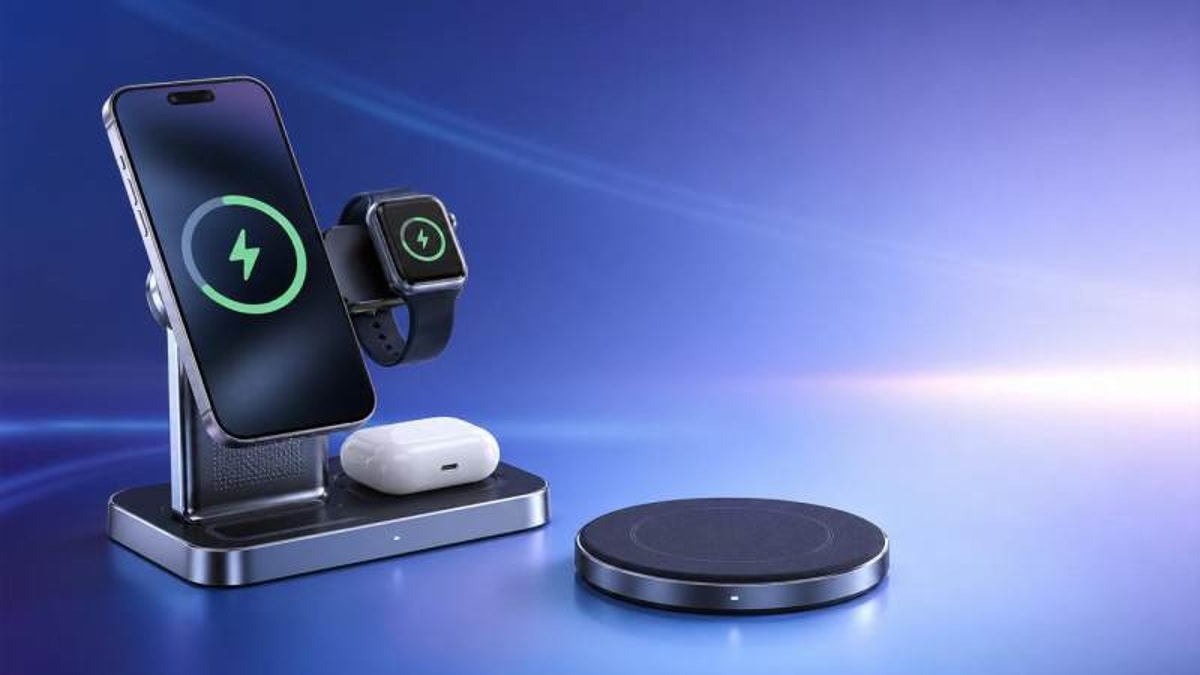
What changes with Next-gen wireless charging fast charging? For consumers, it means more than shorter charging times—it signals smarter power management, better thermal control, improved device compatibility, and a safer everyday experience. As wireless power technology evolves, understanding these upgrades helps users make more informed choices about phones, wearables, and other connected devices built for speed, convenience, and long-term performance.
The market signal is clear: wireless charging is moving from convenience to performance
For years, wireless charging was treated as a useful extra: cleaner desks, fewer cables, easier bedside charging. That is now changing. The rise of Next-gen wireless charging fast charging shows that the market no longer sees wireless power as a slow alternative. It is becoming a serious performance feature, and that shift matters to everyday buyers.
Several visible signals support this change. More premium and mid-range devices now advertise charging speed as a headline benefit. Accessory makers are redesigning pads, stands, and in-car mounts around thermal management and magnetic alignment. Consumers are also using more battery-dependent devices at once, including earbuds, watches, health wearables, and compact tablets. In that environment, charging friction becomes a quality-of-life issue, not just a technical detail.
This is especially relevant in a digitally connected lifestyle where uptime matters. Whether someone is tracking sleep, using wireless earbuds for work calls, or relying on health-monitoring wearables throughout the day, charging speed and reliability increasingly shape product satisfaction. The broader electronics market is reacting to that expectation.
What is actually changing with Next-gen wireless charging fast charging
The most important change is not raw wattage alone. Next-gen wireless charging fast charging combines several upgrades that work together: better coil design, more precise device positioning, improved communication between charger and device, adaptive charging control, and stronger heat management. These improvements make wireless charging faster in real-world use, not just in ideal lab conditions.
Consumers often assume charging speed depends only on the charger rating, but the experience is shaped by alignment quality, power loss, device temperature, battery chemistry, and software limits. Newer systems are becoming smarter about all of these variables. That means a user may see more stable charging, fewer interruptions, and less overheating than with earlier generations.
Another major shift is compatibility thinking. Older wireless charging choices often forced buyers to choose between speed and universal use. Newer ecosystems are trying to reduce that tradeoff through broader standards support and more consistent performance across accessories.
Why this trend is accelerating now
The movement toward Next-gen wireless charging fast charging is being driven by both user demand and engineering maturity. On the demand side, consumers want fewer cables, cleaner spaces, and charging that fits into short breaks during the day. On the engineering side, manufacturers have learned that speed alone is not enough; efficiency, temperature control, and battery protection are now central to product credibility.
Another driver is product convergence. Smartphones are no longer the only devices in play. Smartwatches, fitness trackers, hearing-related wearables, portable medical-adjacent sensors, and compact audio devices all need dependable charging. As more people build small personal ecosystems of connected products, fast and convenient wireless power becomes a stronger purchasing factor.
Sustainability also plays a role, even if indirectly. A better charging experience can extend how long users keep accessories and reduce replacement caused by poor thermal behavior or unreliable charging. In sectors where trust and device reliability matter, including wellness and health-connected electronics, users are becoming more sensitive to quality signals rather than just promotional claims. That logic aligns with a broader market preference for validated performance, a principle also familiar in technical benchmarking environments such as those emphasized by VitalSync Metrics.
The biggest impact for consumers: better daily usability, not just faster percentages
When people search for Next-gen wireless charging fast charging, they often focus on how many minutes it saves. That matters, but the larger change is usability. A modern wireless charging setup can make a device easier to live with throughout the day. You are more likely to top up your phone while working, charge earbuds between meetings, or dock a wearable overnight without worrying about exact placement.
This changes user behavior. Instead of waiting for a nearly empty battery before using a cable, consumers begin charging in shorter, lighter sessions. That habit can feel more natural and can reduce battery anxiety. For households with multiple devices, it also simplifies shared charging spaces.
There is also a safety and durability angle. Better heat handling reduces the chance of unpleasant temperature spikes during charging. More intelligent power negotiation can help prevent unstable performance caused by low-quality adapters or mismatched accessories. For consumers, that means fewer hidden compromises behind a “fast charging” label.
Who feels the change most?
A less visible but critical change: thermal control is becoming a deciding factor
One of the most meaningful upgrades in Next-gen wireless charging fast charging is thermal intelligence. Wireless power transfer naturally creates energy loss, and that loss often appears as heat. In earlier products, this could lead to slower charging after a few minutes, reduced efficiency, or concerns about long-term battery wear.
Manufacturers are now responding with more advanced coil layouts, internal sensors, charging algorithms, and accessory designs that help disperse heat. From a consumer perspective, this matters because charging quality is no longer judged only by the first few minutes. Sustained charging behavior, surface temperature, and battery care have become part of the value equation.
This shift also makes marketing claims easier to question. A charger may advertise high peak output, but if it overheats and throttles quickly, real-life performance may disappoint. That is why technically informed buyers increasingly look beyond headline wattage toward evidence of stable engineering.
Standards, compatibility, and trust are becoming more important than ever
Another major change is the growing importance of standards-based confidence. As wireless ecosystems expand, consumers want to know whether a charger will work well with different devices, cases, and brands. The future of Next-gen wireless charging fast charging depends not only on speed improvements but also on predictable compatibility.
That creates a new decision pattern. Buyers are paying closer attention to certified support, magnetic alignment features, foreign object detection, and protective charging logic. These are not small technical extras. They affect whether charging is truly seamless or filled with small frustrations, such as waking up to a half-charged device because of poor positioning.
In practical terms, trust is becoming part of the product itself. Brands that can show disciplined engineering, transparent specifications, and consistent accessory performance are likely to gain consumer preference over brands that rely only on speed-focused promotion.
What signals should consumers watch over the next phase?
The next stage of Next-gen wireless charging fast charging will likely be shaped by several signals. First, expect more accessories designed around mobility: car mounts, travel stands, and compact multi-device chargers. Second, expect software to play a larger role, with devices learning charging habits and adjusting power delivery for battery health. Third, expect better integration with wearables and health-connected devices where reliability and safety matter more than flashy claims.
Consumers should also watch for how brands describe charging performance. Vague promises such as “ultra fast” are becoming less useful. More credible signals include supported standards, charging conditions, thermal safeguards, and accessory compatibility details. As the market matures, transparent product information will become a competitive advantage.
How to judge products in a market full of fast-charging claims
If the market is changing quickly, consumers need a simple framework for comparison. Start with device compatibility, then check whether the accessory supports the charging profile your device can actually use. After that, evaluate thermal design, placement reliability, and the quality of the power adapter if one is included or required separately.
It is also wise to think in ecosystem terms. A slightly more expensive charger may offer better long-term value if it works well with a phone, earbuds, and a wearable at the same time. In contrast, a cheaper product with unstable output or weak alignment may create hidden costs in frustration, slower charging, or early replacement.
For buyers interested in health-related wearables or connected wellness devices, reliability deserves extra attention. In those contexts, the difference between consumer-friendly marketing and engineering-grade performance can matter more than it first appears. A charger that maintains steady performance and protects battery life supports the broader value of the device itself.
Practical buying questions for the months ahead
Before choosing a charger or a device that promotes Next-gen wireless charging fast charging, ask a few practical questions. Does the speed hold up after several minutes? Does the device get noticeably hot? Is alignment forgiving enough for everyday use? Does the charger support the accessories and cases you already own? Are safety protections clearly stated?
These questions help cut through the noise. They shift the decision away from headline numbers and toward actual user experience. That is the real direction of the market: faster, yes, but also smarter, safer, and more dependable.
Final takeaway: the real change is confidence in wireless power
The most important thing changing with Next-gen wireless charging fast charging is confidence. Consumers are beginning to trust wireless charging for more than casual overnight use. It is becoming a mainstream power option for people who want speed, less clutter, better device care, and smoother daily routines.
If you want to judge how this trend affects your next purchase, focus on four points: sustained speed, thermal behavior, compatibility, and long-term reliability. Those factors reveal far more than marketing slogans. In a market moving toward smarter electronics and connected living, the best wireless charging choices will be the ones that prove their engineering in everyday use.
Recommended News
- 2026.05.07GMEA’s First Green Certification for Methanol Fuel Cells Backed by UNEPDr. Hideo Tanaka (Imaging Systems Analyst)
- 2026.05.07IEC 60601-2-57:2026 Raises Ultrasound Metrics Laser Safety to Class 1MLydia Vancini (Regulatory Compliance Lead)
- 2026.05.07CMEF 2026 Shenzhen: Robotics Zone Hits $1.27B in SigningsDr. Alistair Thorne (Senior Biomedical Engineer)
The VitalSync Intelligence Brief
Receive daily deep-dives into MedTech innovations and regulatory shifts.