
Foldable screen technology still faces one weak point: the crease
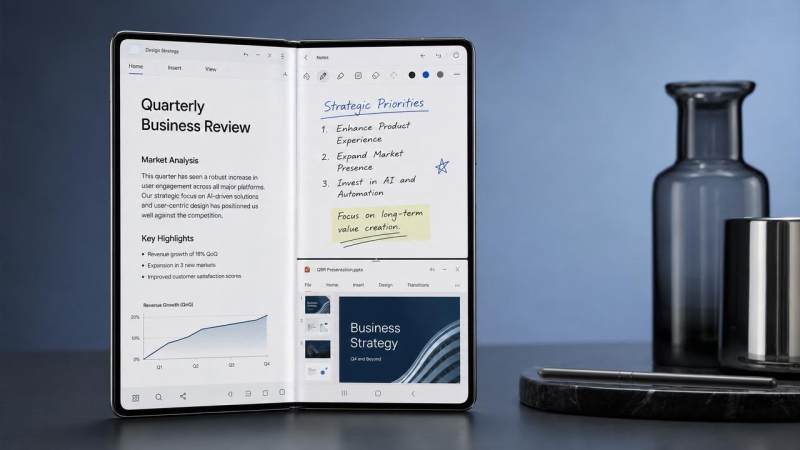
Foldable screen technology has moved from concept-stage novelty to a serious category in consumer electronics, yet the market still circles back to one visible concern: the crease. For anyone evaluating a flexible display device, that line across the panel is no longer just a cosmetic issue. It affects viewing comfort, writing precision, glare behavior, and confidence in long-term durability. In a broader innovation context, the crease also reflects a deeper engineering challenge—how to balance thinness, flexibility, optical clarity, and mechanical endurance in one commercial product. This matters not only for phones and tablets, but for sectors that increasingly rely on portable visual interfaces, including digital health, field diagnostics, and professional mobility tools.
When the crease becomes a real problem: judging foldable screen technology by usage scenario
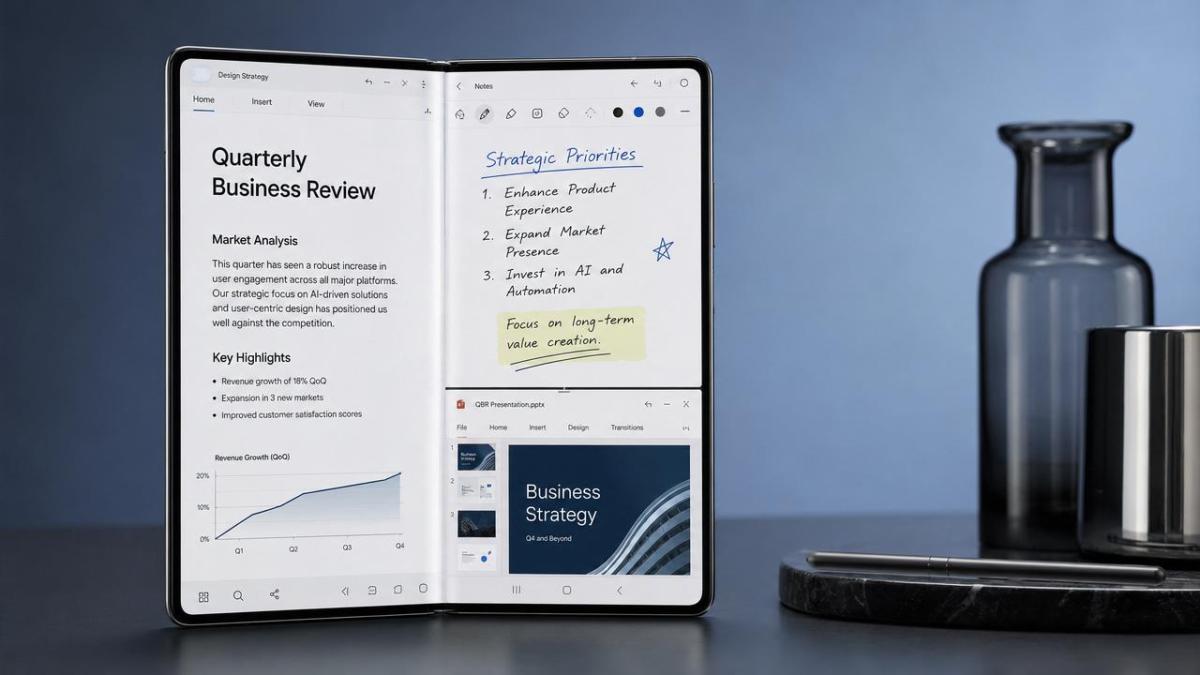
Not every user experiences the crease in the same way. In some cases, foldable screen technology delivers a strong benefit because a larger display fits into a smaller footprint. In other cases, the crease becomes a daily friction point that reduces practical value. The right judgment depends on lighting conditions, touch intensity, content type, and how often the device is opened and closed. A flexible display that feels acceptable for entertainment may become distracting during spreadsheet review, annotation, imaging analysis, or high-precision reading.
This is why scenario-based evaluation matters more than headline specifications. Brightness, refresh rate, hinge count, and glass branding do not fully explain user satisfaction. The real question is simple: in which situations does the crease remain visually minor, and in which situations does it interrupt the task? For decision-making, foldable screen technology should be assessed as an application fit, not as a universal upgrade.
Scenario 1: mobile productivity gains value from a flexible display—until glare and stylus precision matter
For email, multitasking, travel documents, split-screen meetings, and note review, a flexible display offers clear advantages. A folded device remains compact in transit, then expands into a mini-tablet for reading and editing. In this scenario, foldable screen technology solves a real portability problem. Users can carry one device instead of two, reducing weight and improving access to information on the move.
However, the crease becomes more noticeable when the workflow includes handwriting, spreadsheet cell selection, detailed markup, or small-font reading under overhead light. Reflections often catch the crease at a different angle than the rest of the panel, creating a shifting visual ridge. If the device is used heavily for document accuracy rather than casual viewing, the weak point of foldable screen technology is easier to detect. The buying decision should therefore weigh screen expansion against the need for precision input and visual consistency.
Key judgment points for productivity use
- How often text editing or annotation crosses the center fold
- Whether the device is used under office lighting or sunlight
- How important stylus accuracy and palm rejection are
- Whether multitasking benefits outweigh visual interruption
Scenario 2: entertainment use often hides the crease better than work-focused tasks
Streaming, gaming, social media, and casual browsing tend to be more forgiving environments for foldable screen technology. Motion content naturally draws attention away from the center line, and many viewing angles reduce visible distortion during video playback. In low or moderate light, the crease may fade into the background for extended periods, especially on improved OLED flexible display panels with better surface layering.
Yet there are limits. Dark scenes with directional reflections can reveal the crease sharply, and games that rely on center-screen touch interactions may expose uneven feel across the fold. For users who mainly want immersive entertainment in a compact form, foldable screen technology can still be highly attractive. But the value is strongest when content is dynamic and touch precision is secondary. Static reading, comics, or color-critical media review make the crease easier to notice.
Scenario 3: field mobility and healthcare-adjacent digital workflows demand a stricter standard
In environments linked to digital care, diagnostics, mobile documentation, telehealth support, or portable data review, a flexible display is appealing because it combines mobility with a larger active workspace. A foldable device can assist with bedside information access, imaging previews, patient education visuals, or compact dashboard viewing. From an innovation perspective, foldable screen technology aligns with the broader trend toward lighter, more integrated devices.
Still, these settings also raise the threshold for acceptance. If a crease alters perception of grayscale detail, interrupts chart readability, or introduces uncertainty during touch-based data entry, the benefit of compactness may not justify the compromise. This is where an engineering mindset becomes useful. As seen in technical benchmarking fields such as healthcare device evaluation, visible design elegance means little without repeatable functional integrity. The same principle applies to foldable screen technology: the crease must be judged not by first impression alone, but by performance stability across repeated, real-world use conditions.
How scenario needs differ across foldable screen technology use cases
A flexible display can be impressive in one setting and frustrating in another. The table below helps compare where the crease matters most.
Practical fit advice: when foldable screen technology is worth choosing
The best choice depends less on trend appeal and more on task alignment. A flexible display is worth serious consideration when mobility is constrained, screen expansion adds clear utility, and most interactions do not depend on perfect center-screen uniformity. Foldable screen technology also makes more sense when software multitasking has matured enough to use the larger panel effectively.
- Choose a foldable device if compact carry and occasional large-screen work are equally important.
- Prioritize hands-on testing under angled light, not only showroom brightness.
- Check whether your most common app layout places critical content across the crease.
- Review hinge cycle claims together with warranty terms and real user wear reports.
- If visual precision is mission-critical, compare against a premium flat-panel alternative before deciding.
Common misjudgments about the crease in a flexible display
One common mistake is assuming the crease is only an aesthetic issue. In reality, it can influence reflection behavior, finger glide, and confidence in the center zone of the screen. Another mistake is treating all foldable screen technology as equivalent. Different hinge geometries, panel stack designs, ultra-thin glass treatments, and protective layers produce noticeably different outcomes. A device that looks similar on paper may feel very different in practice.
A third misjudgment is believing future software updates will solve a hardware-visible crease. Interface optimization can improve app continuity and layout balance, but it cannot remove a physical fold line. Buyers should also avoid evaluating a flexible display only in a quick retail demo. Short tests rarely reveal fatigue concerns, repeated opening behavior, dust sensitivity around the hinge, or the way the crease catches light during extended use.
What to do next before adopting foldable screen technology
Before selecting a foldable device, build a simple scenario checklist: where it will be used, what kind of content appears most often, how much center-screen precision is required, and how often the screen will be folded each day. This approach creates a more reliable decision than relying on marketing language around innovation alone. Foldable screen technology is clearly advancing, and flexible display engineering has improved in brightness, material resilience, and form-factor versatility. Even so, the crease remains the weak point that separates impressive concept value from dependable daily usability.
For organizations and professionals who evaluate technology through measurable performance, the lesson is familiar: test the visible promise against the operational reality. That same discipline defines high-trust sectors such as healthcare engineering, where performance claims must survive repeatable scrutiny. If foldable screen technology fits the actual scenario, it can be a smart and forward-looking choice. If the crease interferes with the core task, waiting for the next generation may be the more efficient decision.
Recommended News
- 2026.05.09GMEA Unveils First Green Certifications for Methanol Fuel CellsDr. Hideo Tanaka (Imaging Systems Analyst)
- 2026.05.09IEC Publishes IEC 60601-2-57:2026 for Ultrasound MetricsLydia Vancini (Regulatory Compliance Lead)
- 2026.05.09CMEF Shenzhen 2026 Closes with $1.27B Robotics DealsDr. Alistair Thorne (Senior Biomedical Engineer)
The VitalSync Intelligence Brief
Receive daily deep-dives into MedTech innovations and regulatory shifts.