
Waterproof OEM electronics design: what fails first in real use
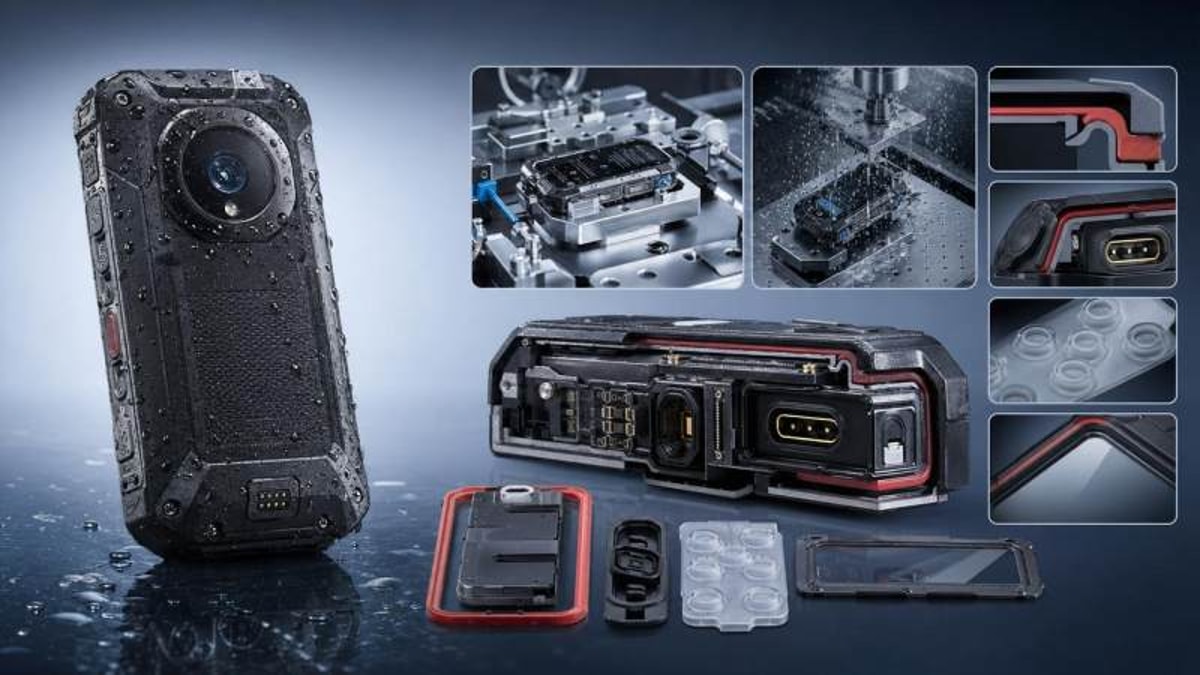
In real-world products, waterproofing rarely fails all at once—it breaks down first at seals, connectors, buttons, and assembly tolerances under repeated stress. For teams focused on OEM consumer electronics waterproof design, understanding these early failure points is essential to preventing costly returns, user complaints, and hidden reliability risks. This article examines what actually fails first in use and why design assumptions often fall short outside the lab.
Why does waterproof performance fail early in actual use?
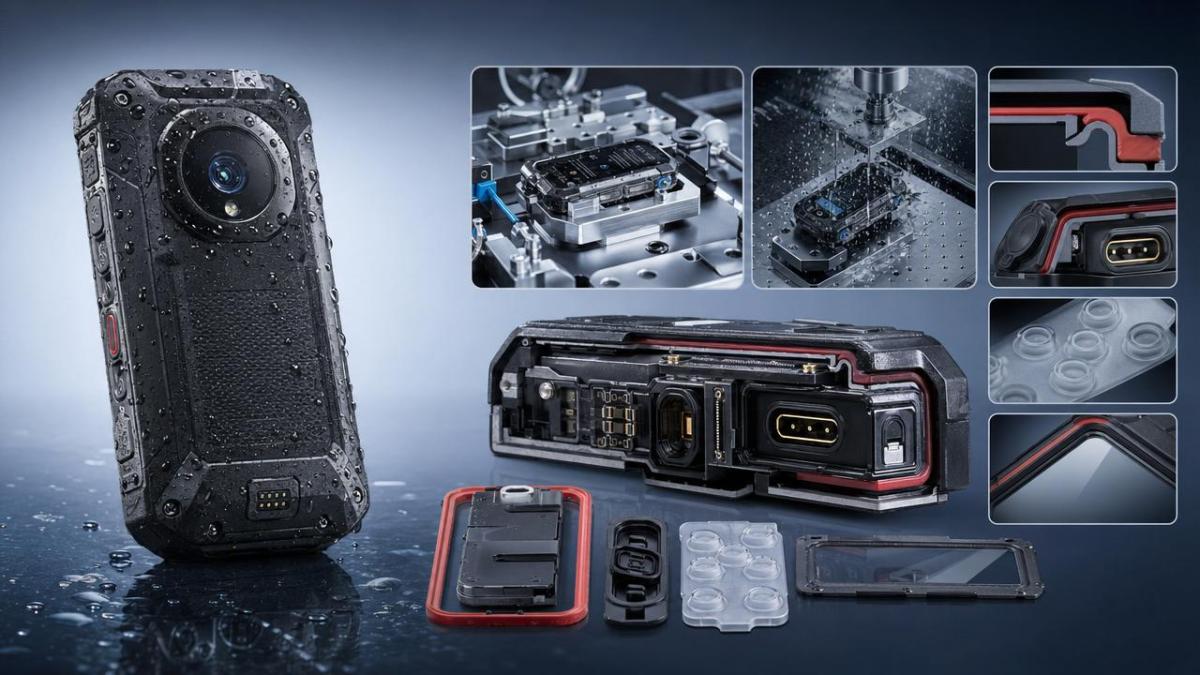
In many procurement reviews, waterproofing is reduced to a target IP rating and a pass/fail lab report. That approach is incomplete. In OEM consumer electronics waterproof design, the first failures usually emerge from repeated user interaction, thermal cycling, cleaning chemicals, drop events, cable insertion, and small assembly shifts that are invisible in static qualification samples.
For operators and end users, the problem is practical rather than theoretical. A device may survive controlled immersion once, yet fail after months of charging, button presses, sweat exposure, disinfectant wipe-downs, or enclosure opening during service. The weak point is rarely the housing material itself. It is the interface between materials, components, and manufacturing tolerance.
This matters across consumer-adjacent and healthcare-connected devices such as wearables, portable monitors, handheld readers, charging docks, and field-use instruments. In these products, waterproof design affects safety perception, maintenance cost, downtime, and procurement confidence. VSM approaches the issue from a benchmarking perspective: not “Does it pass once?” but “What degrades first, under what stress, and how fast?”
- Seals lose compression after repeated assembly, drop impact, or uneven screw torque.
- Connectors become leak paths when caps are left open, misaligned, or contaminated by lint and skin oils.
- Buttons and membranes fatigue under frequent actuation, especially where thin elastomers meet rigid housings.
- Adhesive-bonded windows and covers weaken under UV, heat, humidity, and cleaning agents.
- Pressure equalization features are often specified late, causing condensation and internal moisture stress.
What fails first in OEM consumer electronics waterproof design?
The early failure order is not identical for every device, but some patterns repeat across categories. For portable products handled daily, mechanical interfaces usually fail before bulk material barriers. For fixed products in humid spaces, gasket creep and connector sealing problems are more common. The table below highlights the most frequent first-failure points in OEM consumer electronics waterproof design and what operators should watch for before mass deployment.
The key takeaway is simple: the first failure is often linked to repeated use, not one-time exposure. A sourcing decision based only on nominal waterproof claims can miss the exact mechanisms that drive returns in the field. VSM’s benchmarking method is valuable here because it translates material choices, interface design, and assembly variation into comparable decision inputs for purchasing teams.
Why seals fail before housings
Rigid housings usually have predictable bulk properties. Seals do not. Their performance depends on compression, surface finish, groove design, lubricant behavior, durometer, and aging response. A well-selected gasket can still underperform when the plastic housing warps slightly after molding or when fastener sequence causes uneven compression. In OEM consumer electronics waterproof design, a good seal system is as much a process-control issue as a material choice.
Why connectors create disproportionate risk
Connectors combine user behavior and geometry complexity. Even when the connector itself is rated for harsh environments, the surrounding integration may not be. Cap hinges wear, seating surfaces trap dirt, and user force can deform the local plastic frame. For devices that need frequent charging or data transfer, connector architecture should be reviewed as a first-order waterproof design decision, not a late packaging detail.
Which design assumptions often fail outside the lab?
Laboratory validation remains necessary, but it can mislead decision-makers if test conditions are narrower than use conditions. A product can pass immersion or spray testing and still fail after repeated temperature swings, cleaning cycles, or mechanical shock. Operators often encounter these hidden gaps first, because they are the ones charging, cleaning, transporting, and handling the device daily.
- Assuming a single IP result predicts long-term reliability. IP testing shows resistance under defined conditions, not lifetime durability under mixed stress.
- Treating assembly tolerance as negligible. Small stack-up deviations can lower gasket compression enough to create intermittent leak paths.
- Ignoring chemistry. Sweat, soaps, alcohol-based cleaners, and disinfectants can attack elastomers, coatings, and adhesives differently.
- Overlooking service events. Each battery change, cover removal, or field repair can alter sealing performance if the design is not service-robust.
- Assuming user behavior matches intended use. Open charging ports, loose caps, and hurried cleaning practices are common in real environments.
This is especially relevant in healthcare-linked ecosystems, where a consumer-style enclosure may be used in high-touch, high-cleaning environments. The gap between promotional waterproof claims and operational reliability widens when the product is evaluated only as consumer electronics rather than as equipment exposed to disciplined sanitation and uptime expectations.
How should operators and buyers evaluate waterproof design before sourcing?
For sourcing teams, the right question is not only “What IP level is claimed?” but “What use pattern was the product designed to survive?” The table below provides a practical evaluation framework for OEM consumer electronics waterproof design. It is particularly useful when comparing suppliers, reviewing prototypes, or challenging optimistic sales language with engineering-based questions.
Using this framework helps buyers move from claim-based purchasing to evidence-based selection. It also supports better communication between operators, engineering teams, and procurement managers. Instead of discussing “waterproof” as a general feature, stakeholders can compare known failure risks, maintenance implications, and realistic field suitability.
A short pre-purchase checklist
- Match the waterproof concept to the actual use cycle: charging frequency, cleaning method, outdoor exposure, and service access.
- Ask for reliability evidence after combined stresses, not only single-condition tests.
- Review whether replacement parts or field opening will compromise the original sealing path.
- Clarify what the supplier considers a cosmetic defect versus a moisture-risk precursor.
How do healthcare-adjacent applications change the waterproof design decision?
VitalSync Metrics (VSM) operates in a context where technical integrity matters more than brochure language. In healthcare procurement and life-science environments, waterproof design is often linked to cleaning reliability, uptime, material compatibility, and long-term traceability. Even when the product is positioned as a consumer-style device, the use environment may demand a more disciplined engineering review.
A wearable used in home monitoring may see sweat, charging cycles, and shower exposure. A handheld device used near a clinical workstation may face repeated wipe-downs with approved cleaning solutions. A portable reader moved between rooms may encounter rapid temperature change and accidental splashes. These are not exotic conditions. They are common, and they expose weak assumptions in OEM consumer electronics waterproof design very quickly.
Where VSM adds value
VSM’s role is not to repeat supplier claims. It is to convert engineering variables into procurement-ready insight. For waterproof electronics, that means examining the likely first-failure mechanisms, comparing architecture choices, and translating design trade-offs into benchmarked documentation that hospitals, MedTech startups, and laboratory planners can use with confidence.
- Independent technical review of enclosure interfaces, connector strategy, and cleaning exposure risk.
- Benchmark-oriented interpretation of design claims for procurement and validation teams.
- Structured whitepaper outputs that connect manufacturing parameters with long-term reliability concerns.
Common misconceptions and FAQ about OEM consumer electronics waterproof design
Does a higher IP rating always mean better real-world waterproof reliability?
Not always. A higher IP rating indicates performance under a defined test method, but real reliability depends on repeated-use factors such as wear, chemical exposure, thermal movement, and user handling. Two products with similar ratings can behave very differently after months of operation if one has a weaker connector design or poor gasket compression control.
Which is safer for waterproof products: sealed ports or wireless charging?
Wireless charging can reduce one major ingress path, but it is not automatically superior. It introduces other design considerations such as heat, alignment tolerance, charging efficiency, and housing thickness. The better choice depends on use frequency, contamination risk, cleaning protocol, and cost target. Procurement teams should compare the full architecture, not only the absence of a port.
What should operators report as early warning signs?
Fogging under a lens, unstable charging, a softer or stickier button feel, corrosion around contacts, discoloration near seams, and repeated moisture-related resets should all be treated as meaningful signals. These symptoms often appear before catastrophic failure and can reveal the specific weak interface in the waterproof design.
How can buyers reduce return risk when comparing suppliers?
Ask suppliers for combined-stress evidence, not isolated test claims. Review design-for-service limitations, connector cycle expectations, and chemical compatibility with your cleaning routine. If the device will be used in healthcare-adjacent settings, request technical clarification on long-term material behavior rather than relying only on promotional protection language.
Why choose us for waterproof design evaluation and sourcing guidance?
VitalSync Metrics (VSM) helps decision-makers examine waterproof performance where it actually fails: at interfaces, tolerances, materials, and use cycles. Our value lies in independent, engineering-led interpretation for healthcare and life-science supply chains that cannot rely on vague claims or incomplete qualification narratives.
If you are reviewing OEM consumer electronics waterproof design for a wearable, handheld device, portable reader, or connected monitoring product, you can consult VSM for specific support areas:
- Parameter confirmation for sealing structure, connector approach, material compatibility, and environmental exposure assumptions.
- Product selection guidance when comparing multiple OEM designs or balancing waterproofing against charging, usability, and maintenance constraints.
- Delivery and implementation review, including what evidence to request before pilot deployment or procurement approval.
- Customized benchmarking support for cleaning-related risk, long-term reliability concerns, and technical documentation needs tied to regulated procurement environments.
- Sample evaluation and quotation discussions when you need an independent technical filter before scaling a sourcing decision.
When waterproof failure is expensive, the right question is not whether a product looks sealed. It is whether the design remains sealed after real use. That is the gap VSM helps you close with evidence, structure, and engineering truth.
Recommended News
- 2026.05.01New Maritime Code Tightens Liability for Ultra-Low-Temp Bio-Sample TransportDr. Hideo Tanaka (Imaging Systems Analyst)
- 2026.05.01CAICT Releases Zero Trust White Paper for Remote Monitoring DevicesLydia Vancini (Regulatory Compliance Lead)
- 2026.05.01Gulf Green Packaging Agreement Takes Effect May 1, 2026Dr. Julian Rossi (RehabTech Specialist)
The VitalSync Intelligence Brief
Receive daily deep-dives into MedTech innovations and regulatory shifts.