
How to assess healthcare equipment quality before purchase?
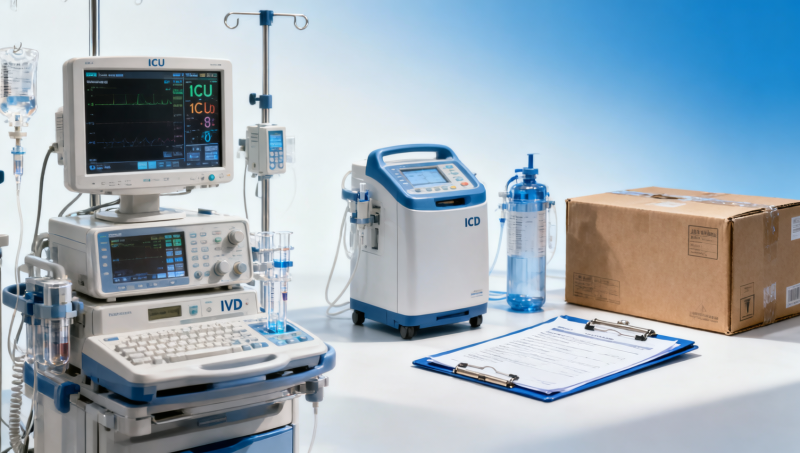
Before choosing any healthcare equipment, buyers must look beyond brochures and compare real performance, compliance, and lifecycle value. From hospital furniture wholesale and smart wheelchair manufacturer options to an oxygen concentrator factory, ivd analyzer distributor, or icu monitor supplier, effective supply chain verification is essential. This guide explains how healthcare engineering, IVDR certification, and medical technology verification help procurement teams make safer, smarter decisions.
What should you assess first before purchasing healthcare equipment?
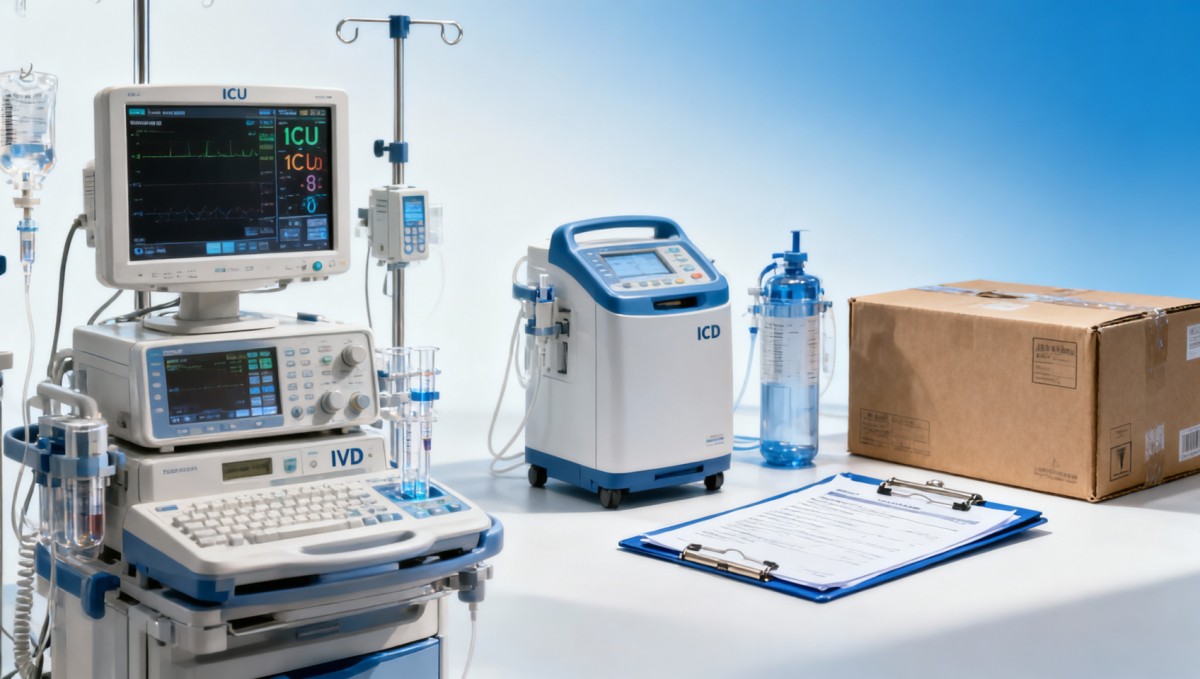
Healthcare equipment quality assessment starts with one practical question: can the device perform safely and consistently in the real clinical or laboratory environment where it will be used for 8–24 hours a day, across repeated cycles, maintenance intervals, and operator shifts? That question matters whether you are evaluating an ICU monitor supplier, a smart wheelchair manufacturer, or an oxygen concentrator factory.
Many buyers focus too early on unit price. In value-based procurement, the stronger method is to review 3 core layers together: technical performance, regulatory compliance, and lifecycle support. If one layer is weak, the apparent savings often disappear through downtime, calibration issues, replacement parts delays, or user complaints during the first 6–18 months of deployment.
For information researchers, the challenge is separating brochure language from measurable engineering data. For operators, the concern is usability, cleaning, alarm clarity, and stability during daily use. For procurement teams, the priority is batch consistency, documentation quality, and service response. For decision-makers, the focus expands to total cost of ownership, regulatory exposure, and supplier reliability across regions.
VitalSync Metrics (VSM) addresses this gap by treating healthcare equipment verification as an engineering discipline rather than a marketing exercise. Instead of relying only on sales claims, buyers should request test methods, acceptance ranges, materials information, applicable standards, and documented traceability from manufacturing through post-sale support.
A practical first-pass screening framework
A first-pass review does not need to be complicated, but it should be disciplined. In most healthcare procurement projects, 5 early checks can eliminate weak offers before technical teams invest time in deeper evaluation. This is especially useful when comparing multiple suppliers across hospital furniture, patient mobility systems, diagnostic platforms, or monitoring devices.
- Define the intended use clearly: acute care, long-term care, laboratory workflow, home support, or rehabilitation. Different environments create different durability and compliance demands.
- Confirm critical performance parameters: measurement range, tolerance, noise level, load capacity, power stability, or sample throughput, depending on the product class.
- Check regulatory pathway and documentation: MDR or IVDR relevance, technical file readiness, declarations, labeling, and post-market obligations.
- Review service capability: spare parts availability, calibration support, maintenance intervals, and realistic response times such as 24–72 hours for critical systems.
- Assess manufacturing consistency: lot traceability, incoming material controls, process validation, and batch-to-batch variation where applicable.
This early structure reduces risk quickly. It also prevents a common procurement mistake: comparing suppliers on quotation format rather than on technical comparability. If two offers do not define test conditions in the same way, they are not directly comparable, even if the product names appear similar.
Which technical performance indicators actually matter?
Technical performance should always be tied to use case. A wearable sensor may require signal-to-noise ratio review, drift stability, battery endurance, and wireless integrity. A hospital bed or treatment chair may require load limits, caster reliability, surface cleanability, and frame fatigue resistance. An IVD analyzer may require sample throughput, repeatability, environmental tolerance, and reagent handling consistency.
What matters most is not the longest specification sheet, but whether the supplier can explain how the specification was generated. Buyers should ask: under what test conditions was the data measured, over how many cycles, at what ambient temperature range, and with which acceptance criteria? A performance claim without a method is not yet a procurement-grade fact.
For devices used continuously, stability over time is often more important than peak performance. For example, oxygen concentrator evaluation may include concentration stability during extended operation, power fluctuation tolerance, filter maintenance cycle, and acoustic performance under normal load. ICU monitoring systems require alarm consistency, display readability, signal integrity, and dependable operation during long shifts and frequent patient movement.
VSM’s engineering perspective is valuable here because procurement teams often receive polished claims but incomplete test context. A benchmark-oriented review converts broad language into measurable inputs: tolerance bands, cycle counts, fatigue exposure, calibration intervals, and expected operating environments such as 10°C–35°C or standard indoor humidity ranges declared by the manufacturer.
Common technical checks by equipment type
The table below shows how healthcare equipment quality assessment changes by product category. This helps teams compare hospital furniture wholesale options, mobility devices, respiratory equipment, and diagnostic systems using relevant criteria rather than a one-size-fits-all checklist.
The key insight is simple: quality means different things in different product classes. A generic “high quality” statement is not useful. Procurement teams need condition-specific evidence tied to real performance, realistic operating cycles, and service implications over the equipment lifecycle.
Questions technical reviewers should ask
When a supplier presents specifications, ask for 4 things: test protocol, sample size, tolerance threshold, and failure criteria. If those four points are unclear, the data may still be useful for marketing, but not strong enough for procurement validation. This approach is especially important when comparing newer digital health devices with more established equipment categories.
It is also wise to distinguish nominal performance from maintained performance. A device may meet target output on day one yet degrade under repeated cleaning, transport, vibration, or shift-to-shift use. That is why fatigue, durability, drift, and preventive maintenance intervals often deserve equal weight alongside initial performance metrics.
How do compliance, MDR, and IVDR affect supplier selection?
Regulatory compliance is not only a legal checkpoint; it is a quality filter. In Europe and many international sourcing projects, MDR and IVDR readiness can reveal whether a supplier understands design control, risk management, labeling discipline, clinical or performance evaluation expectations, and post-market responsibilities. Weak documentation often signals broader weaknesses in process maturity.
For procurement teams, this matters because documentation gaps create hidden delays. A quotation may look attractive, but if declarations, technical files, usability records, or traceability data are incomplete, deployment can slow by 2–8 weeks or more depending on import review, internal quality approval, or tender documentation requirements. The issue is not paperwork alone; it affects timeline certainty and compliance exposure.
For IVD systems, IVDR-related scrutiny is especially relevant because laboratory buyers must align device claims, intended use, reagent compatibility, and performance evidence with local validation practices. For general medical equipment, MDR-related requirements often shape labeling, risk classification, instructions for use, and change-control expectations after product updates.
VSM’s role as an independent benchmarking and technical review platform is especially useful here. Rather than accepting “compliant” as a vague sales term, buyers can examine whether the underlying engineering evidence supports the compliance narrative. That includes manufacturing controls, materials consistency, technical whitepapers, and declared test conditions that map to actual product use.
Compliance review points procurement teams should verify
The table below summarizes practical compliance checkpoints that can be requested during supplier evaluation. These items do not replace legal review, but they help procurement and engineering teams identify where documentation strength supports product quality and where risk may be accumulating.
A compliance review becomes much stronger when linked with engineering evidence. If a supplier can explain how product validation, labeling, service documentation, and manufacturing controls connect, the procurement team gains more than a file set; it gains a clearer picture of long-term reliability and deployment readiness.
Common compliance misunderstandings
- A certificate reference alone does not confirm that the offered configuration matches the exact product variant being quoted.
- A compliant device can still be a poor fit if accessories, consumables, maintenance process, or software update controls are unclear.
- Documentation quality affects implementation speed. In urgent projects, a 7–15 day documentation clarification delay can disrupt installation and training plans.
For enterprise decision-makers, the takeaway is direct: compliance is not a separate checkbox after technical review. It is part of quality assessment itself.
How can buyers compare suppliers without being misled by price?
The most common procurement error is choosing the lowest visible price without calculating the full cost of ownership. In healthcare environments, the hidden costs usually emerge in 5 areas: installation delays, consumables dependence, unplanned maintenance, operator retraining, and equipment downtime. This is true across durable furniture, smart mobility equipment, oxygen therapy devices, and in vitro diagnostic systems.
A lower quotation may still be the right choice, but only if the performance baseline, documentation, and service structure are comparable. If one offer excludes accessories, preventive maintenance, software updates, or calibration support over the first 12 months, it is not genuinely cheaper. It is simply less complete.
Procurement teams should therefore create an apples-to-apples evaluation matrix. Assign weighted value to technical fit, compliance strength, operating cost, implementation complexity, and supplier responsiveness. In many projects, a 4-step review process is enough: technical screening, documentation review, commercial normalization, and final risk scoring.
VSM supports this more disciplined approach by translating manufacturing and performance details into standardized comparison inputs. That is particularly useful when comparing suppliers that use different wording for similar features, or when a hospital group needs procurement evidence that can be defended internally before approval.
A normalized procurement comparison model
Use the following framework when comparing healthcare equipment suppliers. It helps decision-makers move beyond brochure claims and see where actual lifecycle risk may sit.
This comparison model is especially useful in mixed procurement environments where capital equipment, furniture, digital devices, and lab systems are purchased under one project. A normalized review makes multidisciplinary decisions easier and more defensible.
A short checklist before final approval
- Confirm that the quoted configuration matches the reviewed technical documents and accessories list.
- Verify expected delivery cycle, which may commonly range from 2–6 weeks for stocked items and longer for customized builds.
- Check whether training, commissioning, calibration, and preventive maintenance are included or separately charged.
- Review the escalation process for critical failures, especially for devices expected to run continuously or support urgent care.
This final review often reveals whether a supplier is prepared for long-term partnership or only for a short-term sale.
What implementation risks and common mistakes should buyers avoid?
Even when a product is technically acceptable, implementation can fail if the procurement team overlooks workflow fit. A high-throughput analyzer may be too complex for the available staffing model. A smart wheelchair may have strong feature density but poor battery logistics for the actual care setting. A hospital furniture supplier may offer durable frames but insufficient cleaning documentation for infection control protocols.
Another common mistake is evaluating samples and production units as if they are automatically equivalent. In healthcare equipment sourcing, especially across international supply chains, buyers should verify that sample performance, final bill of materials, packaging integrity, and shipping conditions remain controlled. Batch consistency matters as much as sample impression.
Teams also underestimate training. In many facilities, the first 30 days after installation determine whether equipment is adopted smoothly or generates avoidable support tickets. Operators need concise instructions, maintenance teams need service access details, and managers need escalation contacts. For digital or semi-automated systems, role-based training is often more effective than one general session.
A practical risk reduction strategy is to plan implementation in 3 stages: pre-delivery verification, on-site acceptance, and post-installation monitoring. That framework works for small-batch purchases and for multi-site rollouts alike, and it creates a clear bridge between procurement, engineering review, and operational use.
Frequent buyer misconceptions
Is a longer feature list always better?
No. More features can increase software complexity, training time, maintenance burden, and integration risk. Buyers should prioritize functions that matter to the defined use case and ask whether each added function introduces extra service dependence or validation effort.
Does a fast quotation mean fast delivery?
Not necessarily. A responsive sales team may still depend on longer manufacturing lead times, imported components, or third-party logistics. Always confirm realistic delivery windows, packaging method, commissioning readiness, and documentation availability before awarding the order.
Can post-sale service be reviewed later?
That approach creates avoidable risk. Service planning should be reviewed before purchase, including spare parts route, maintenance intervals, field support model, and expected response such as same-day remote support or 24–72 hour on-site service where relevant.
A simple implementation checklist
- Pre-delivery: verify final configuration, power requirements, accessories, packaging, and required site conditions.
- Acceptance: review basic function, safety checks, visible damage, labeling consistency, and operator handover documents.
- First-use monitoring: track alarms, user errors, maintenance requests, and consumables behavior during the first 2–4 weeks.
- Ongoing review: document service events quarterly and compare actual support quality against procurement promises.
These steps do not eliminate all risk, but they significantly improve visibility and help organizations convert healthcare equipment procurement into a controlled implementation process.
Why work with an independent benchmarking partner before buying?
In complex healthcare sourcing, the hardest task is not locating suppliers. It is validating technical integrity across product categories, documentation quality, and long-term reliability without being overwhelmed by inconsistent claims. That is where an independent, data-driven review partner adds value before contracts are signed.
VitalSync Metrics (VSM) is built for this exact challenge. By benchmarking manufacturing parameters, performance evidence, and compliance-relevant documentation, VSM helps procurement teams see what is measurable, what is comparable, and what still needs clarification. This is especially useful when evaluating cross-border suppliers, digital health products, IVD systems, wearable devices, and durable medical equipment under one procurement strategy.
Instead of depending on general claims, buyers can use standardized technical whitepapers and benchmark-oriented reviews to compare signal quality, material durability, operating stability, fatigue exposure, or support readiness in a more disciplined way. That helps information researchers build stronger longlists, operators raise practical concerns earlier, procurement teams reduce tender ambiguity, and decision-makers gain clearer risk visibility.
If you are reviewing a hospital furniture wholesale source, a smart wheelchair manufacturer, an oxygen concentrator factory, an IVD analyzer distributor, or an ICU monitor supplier, VSM can support the questions that matter before purchase: what parameters should be verified, which compliance points need closer scrutiny, what delivery assumptions are realistic, and where lifecycle costs may be underestimated.
What you can discuss with us
- Parameter confirmation for performance-critical equipment, including which metrics should be treated as mandatory during supplier comparison.
- Product selection guidance for different care settings, laboratory workflows, rehabilitation use cases, and digital integration requirements.
- Delivery and implementation planning, including documentation readiness, acceptance checkpoints, and likely risk areas in 2–8 week deployment windows.
- Customized benchmarking support for compliance review, technical verification, sample evaluation, and quotation normalization.
- Commercial discussions around sample support, specification clarification, whitepaper-based comparison, and procurement-ready reporting.
If your team needs a clearer way to assess healthcare equipment quality before purchase, contact VSM with your target product category, intended use, regulatory context, and supplier shortlist. A structured technical review at the beginning can save significant time, reduce downstream risk, and support a more confident final sourcing decision.
- EMS
- ESS
- hospital furniture
- PPE
- wheelchairs
- oxygen concentrators
- procurement
- AR
- supply chain
- Cement
- benchmarking
- healthcare procurement
- value-based procurement
- regulatory compliance
- medical technology
- technical integrity
- medical equipment
- signal-to-noise ratio
- digital integration
- supply chain
- long-term reliability
- manufacturing parameters
- data-driven
- technical verification
- healthcare engineering
- IVDR certification
- healthcare equipment
- medical technology verification
- supply chain verification
- Packaging
- icu monitor supplier
- ivd analyzer distributor
- oxygen concentrator factory
- smart wheelchair manufacturer
- hospital furniture wholesale
Recommended News
- 2026.04.17Hospital equipment standards shaping modern rehab devicesSarah Jenkins (Laboratory Infrastructure Consultant)
- 2026.04.17Laboratory equipment validation errors in sample storageDr. Hideo Tanaka (Imaging Systems Analyst)
- 2026.04.17Medical equipment certification delays in remote monitoringLydia Vancini (Regulatory Compliance Lead)
The VitalSync Intelligence Brief
Receive daily deep-dives into MedTech innovations and regulatory shifts.