
Mining equipment choices that raise maintenance costs later
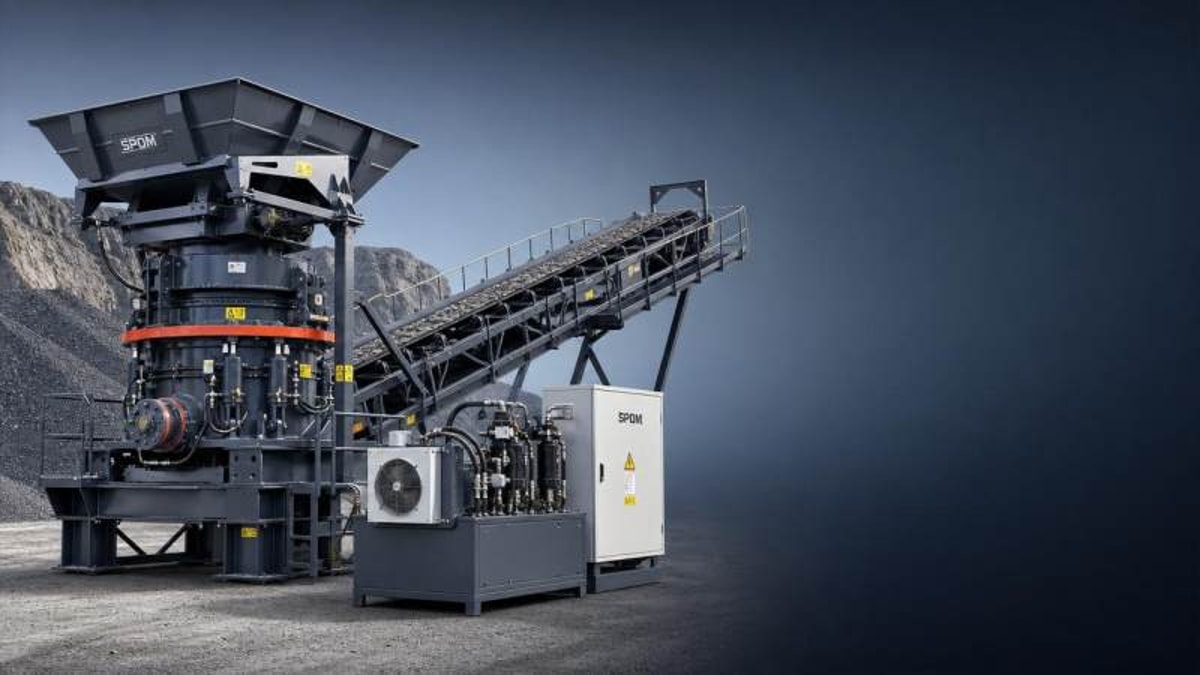
Choosing Industrial & Manufacturing equipment for mining industry based only on upfront price or vendor claims can create years of avoidable service issues. For after-sales maintenance teams, the real cost often appears later through difficult repairs, parts shortages, unplanned downtime, and poor system compatibility. This article highlights the equipment choices that quietly drive maintenance expenses up and explains what technical factors should be checked before procurement decisions are made.
Why maintenance teams should evaluate mining equipment through a checklist
For after-sales personnel, the biggest procurement mistake is treating maintenance as a future problem instead of a design variable. In practice, many Industrial & Manufacturing equipment for mining industry failures are not random. They are built into the original selection decision: inaccessible components, non-standard interfaces, electronic controls tied to a single vendor, or wear parts that require long overseas lead times. A checklist-based review helps maintenance teams identify these hidden cost drivers before equipment enters the site.
This approach is especially useful because mining environments amplify every weakness. Dust contamination shortens bearing life. Vibration accelerates wiring failures. Irregular loading damages drivetrains. Remote locations make emergency part sourcing slow and expensive. A machine that looks competitive in a quotation sheet can become a high-cost asset once service access, technician hours, and downtime losses are measured over three to five years.
First-check list: equipment choices that usually raise maintenance costs later
Before approving Industrial & Manufacturing equipment for mining industry, maintenance teams should review the following risk points. These are the choices most likely to increase long-term service cost.
- Machines with crowded internal layouts that force technicians to remove multiple assemblies just to reach filters, belts, sensors, or hydraulic valves.
- Equipment built around proprietary electronics, software locks, or diagnostic tools that only the manufacturer can access.
- High-wear components that use non-standard part numbers or custom dimensions with weak aftermarket availability.
- Undersized cooling, sealing, or dust-protection systems that may pass factory tests but fail under real mine conditions.
- Mixed-brand subsystems without clear interface documentation, making troubleshooting difficult across controls, motors, pumps, and communication modules.
- Designs that depend on frequent calibration but do not include field-friendly procedures, spare kits, or operator guidance.
- Equipment selected with low purchase price but poor local service coverage, weak technician training, or long consumable replenishment cycles.
If two machines appear similar in production capacity, the better maintenance decision is usually the one with easier access, stronger parts standardization, and better technical transparency. Those three factors often reduce lifecycle cost more than a modest difference in initial capital expense.
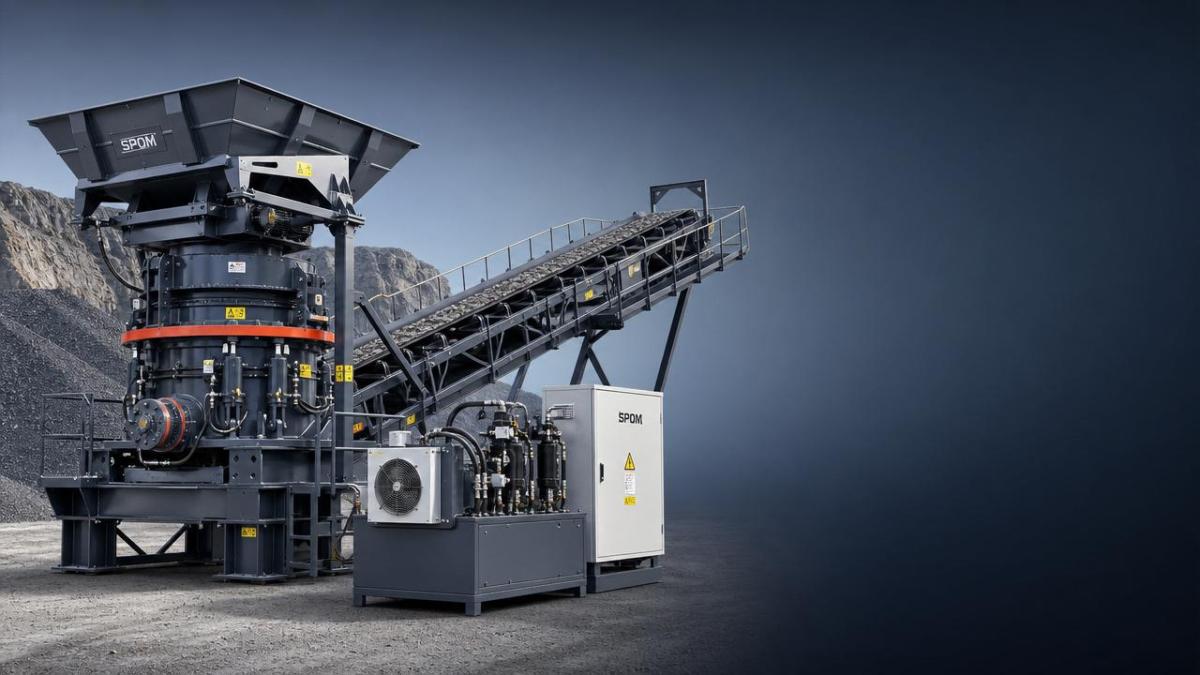
Core technical checks before buying Industrial & Manufacturing equipment for mining industry
1. Service access and repair time
Ask how many labor hours are required for routine tasks such as filter replacement, belt adjustment, liner inspection, bearing change, and motor removal. If a common maintenance job needs special lifting frames, partial disassembly, or confined-space entry, the equipment will generate avoidable labor cost. Request maintenance drawings, access clearances, and step-by-step service instructions before order confirmation.
2. Wear-part logic and replacement frequency
Many maintenance budgets are consumed by liners, teeth, screens, hoses, seals, belts, and bushings. The key question is not only price per part, but also wear rate, replacement interval, and installation complexity. For Industrial & Manufacturing equipment for mining industry, compare expected wear life under material type, moisture level, abrasiveness, and operating hours. A cheaper component with half the life and double the replacement time is rarely economical.
3. Standardization of parts and tools
Maintenance teams should prioritize equipment that uses standard bearings, seals, fasteners, lubrication points, electrical connectors, and hydraulic fittings. Excessive customization raises inventory burden and creates dependence on a single source. Also check whether routine service requires special tools, dedicated software dongles, or licensed diagnostic devices. Every unique requirement adds delay during unplanned shutdowns.
4. Control system openness and diagnostics
Modern mining equipment increasingly relies on sensors, PLCs, VFDs, telematics, and safety interlocks. These systems can improve reliability, but only if maintenance staff can actually use the data. Confirm whether alarm history, fault codes, trend logs, and parameter backups are accessible on site. If the vendor retains control over diagnostics, every electrical issue may become a service call instead of a local repair.
5. Environmental durability
Industrial & Manufacturing equipment for mining industry must be checked for dust ingress protection, corrosion resistance, vibration tolerance, cable routing security, and thermal management. In remote or hot sites, an underspecified cooling package can trigger repeated shutdowns. In wet or chemically aggressive conditions, poor sealing can destroy connectors and sensors much earlier than expected. Ask for field references in conditions similar to your own, not just laboratory claims.
Practical comparison table for maintenance-led procurement reviews
Use the table below to compare candidate Industrial & Manufacturing equipment for mining industry from a lifecycle service perspective rather than a purchase-price perspective.
Extra checks by equipment situation and operating scenario
For crushing and screening systems
Focus on liner access, screen media replacement speed, shaft alignment, and dust control. Poorly designed inspection points can turn a routine wear check into a shutdown event. Also verify whether vibration monitoring points are accessible and whether motor bases permit repeatable alignment after replacement.
For conveying systems
Check pulley lagging life, take-up accessibility, idler standardization, belt splice support, and emergency stop circuit serviceability. Conveyors often look simple during procurement, yet repeated downtime can come from hard-to-access tracking adjustments or poorly protected sensors exposed to dust and impact.
For hydraulic and mobile equipment
Review hose routing, contamination control, filtration grade, cylinder seal replacement process, and the availability of troubleshooting data. A compact hydraulic layout may reduce manufacturing size, but it can sharply increase repair time if leaks are difficult to isolate or if hose removal requires extensive disassembly.
For electrified or automated units
The maintenance risk usually shifts from mechanical wear to software dependency, sensor drift, network compatibility, and cybersecurity permissions. In these cases, Industrial & Manufacturing equipment for mining industry should be reviewed not only for hardware quality, but also for backup procedures, firmware update control, and offline troubleshooting capability.
Commonly ignored details that become expensive later
- Incomplete spare parts lists. Some quotations include only major assemblies, while the true service need involves seals, shims, gaskets, relays, cable sets, and calibration tools.
- Weak training transfer. If training is limited to operators and not maintainers, fault recovery slows down immediately after handover.
- Unclear warranty boundaries. If warranty terms exclude dust, misuse, or wear without clear definitions, disputes may arise during early failures.
- No baseline condition data. Without vibration, temperature, pressure, or current baselines at commissioning, later diagnosis becomes more subjective and less efficient.
- Poor compatibility with site standards. Voltage levels, lubrication grades, communication protocols, and hose fittings should match existing maintenance practice whenever possible.
Execution plan: what maintenance teams should request before procurement approval
To reduce the long-term cost of Industrial & Manufacturing equipment for mining industry, after-sales and maintenance teams should ask procurement and suppliers for a structured technical package before final selection. The package should include:
- Detailed preventive maintenance schedule with labor-hour estimates
- Full bill of materials for high-wear and high-failure components
- Recommended spare stock levels for 6, 12, and 24 months
- Exploded drawings and service access diagrams
- Diagnostic access rights, software requirements, and backup procedures
- Local support response times and escalation contacts
- Reference installations operating in similar mining conditions
A useful internal rule is simple: no equipment should be approved unless maintenance can estimate downtime exposure, service labor, and parts availability with reasonable confidence. If those numbers are still unclear, the purchasing decision is incomplete.
FAQ for after-sales teams reviewing mining equipment choices
Is the lowest-priced machine usually the highest maintenance risk?
Not always, but low price often hides compromises in access design, material durability, documentation, or supplier support. Compare total service burden, not only purchase value.
What is the fastest indicator of future maintenance difficulty?
Routine service access is one of the clearest indicators. If common tasks are hard during a demo or drawing review, major repairs will be worse in the field.
How can teams compare suppliers fairly?
Score each supplier using the same checklist: repair hours, wear life, parts lead time, diagnostics openness, documentation completeness, and local support capability.
Final maintenance-led buying guidance
The best Industrial & Manufacturing equipment for mining industry is not simply the unit with the strongest sales presentation or the lowest initial quote. It is the one that can be maintained predictably, repaired quickly, and supported without dependency traps. For after-sales teams, the most valuable contribution happens before the purchase order: challenge service access, verify wear-part strategy, confirm controls transparency, and test spare-part realism.
If your organization wants to move the discussion forward, prioritize these questions with suppliers: Which parts fail most often? What is the real replacement time? Which diagnostics are open to the site team? What stock should be held locally? How does the machine perform in dust, vibration, and remote-service conditions? Clear answers to those points will do more to control maintenance cost than any headline discount.
Recommended News
- 2026.05.04TÜV Rheinland Updates ISO 13485:2026 Audit Rules for AI Medical DevicesDr. Julian Rossi (RehabTech Specialist)
- 2026.05.04THE Alliance Raises Far East–North Europe Bio-Sample Cold Box RatesDr. Hideo Tanaka (Imaging Systems Analyst)
- 2026.05.041071 New National Standards Take Effect May 2026, Centrifugation Tech Vibration/Noise Limits Now MandatoryDr. Hideo Tanaka (Imaging Systems Analyst)
The VitalSync Intelligence Brief
Receive daily deep-dives into MedTech innovations and regulatory shifts.