
Who benefits most from Rehabilitation & Bionics solutions?
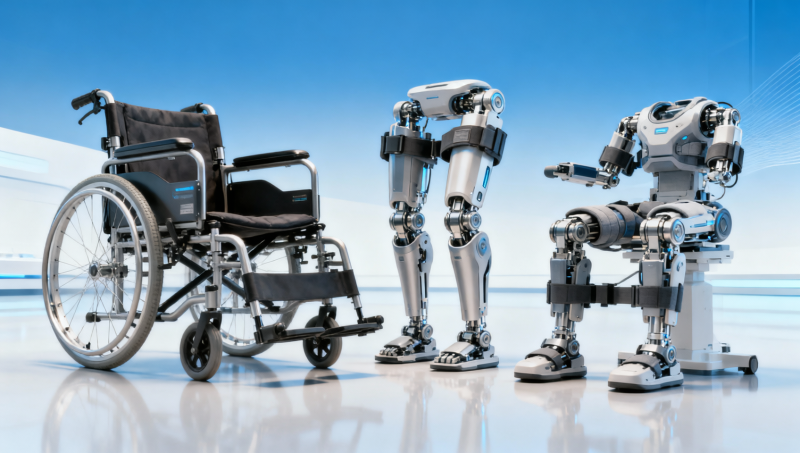
From rehabilitation clinics and eldercare providers to hospital procurement teams and MedTech innovators, the greatest value of Rehabilitation & Bionics solutions goes to organizations that demand measurable outcomes, safer mobility, and supply chain verification. In a market shaped by digital integration, healthcare engineering, and IVDR certification, buyers evaluating a smart wheelchair manufacturer, healthcare equipment partners, or medical technology verification data need evidence—not promises.
The short answer is this: the organizations that benefit most are those managing complex mobility needs, long-term patient recovery, or high-stakes procurement decisions. For them, Rehabilitation & Bionics solutions are not just assistive products. They are operational tools that can improve patient outcomes, reduce caregiver burden, support independent living, and strengthen purchasing confidence when backed by verifiable technical and regulatory data.
Who benefits most from Rehabilitation & Bionics solutions in real-world healthcare settings?
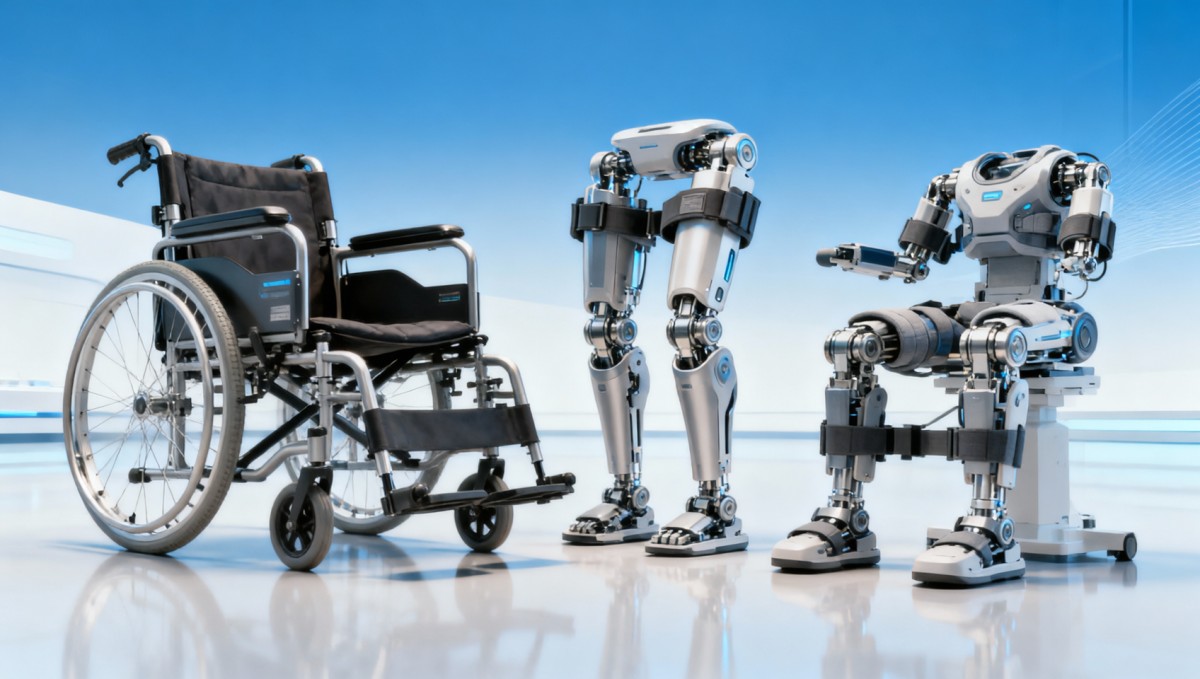
The biggest beneficiaries are not defined only by patient type, but by the combination of clinical need, operational pressure, and decision risk. In practice, five groups stand out.
1. Rehabilitation clinics and therapy centers
These organizations benefit when devices help patients regain function faster, more safely, and with clearer progress tracking. Powered orthoses, robotic rehabilitation systems, smart prosthetics, and sensor-enabled mobility devices can support repeatable therapy protocols and produce measurable rehabilitation data. That matters to clinicians, operators, and administrators alike.
2. Hospitals and integrated care systems
Hospitals benefit most when Rehabilitation & Bionics solutions reduce complications, improve mobility after surgery or injury, and support discharge planning. For procurement teams, the advantage increases when products come with validated engineering performance, service reliability, and compliance documentation rather than marketing-only claims.
3. Eldercare providers and long-term care operators
Facilities serving aging populations often face rising fall risk, staffing shortages, and pressure to maintain resident mobility. Solutions such as smart wheelchairs, gait-assist systems, pressure management technologies, and adaptive support devices can help reduce avoidable incidents while improving comfort and autonomy.
4. Patients with permanent or progressive mobility needs
Individuals living with limb loss, neuromuscular conditions, spinal cord injury, stroke aftereffects, or degenerative disease can gain major functional value from well-matched bionic and rehabilitation technologies. The greatest benefit comes when solutions are personalized, clinically appropriate, and durable in real use.
5. Procurement leaders, MedTech developers, and innovation teams
This group benefits differently. Their value lies in better decision-making. When selecting a smart wheelchair manufacturer, comparing orthopedic components, or validating wearable rehabilitation systems, they need benchmarking data on durability, signal quality, material performance, safety, and regulatory readiness. This is where technical verification creates a direct business advantage.
What problems are these buyers and users actually trying to solve?
Most readers searching this topic are not asking a theoretical question. They are usually trying to determine whether these solutions are worth the investment for a specific use case.
Their real questions are often more practical:
- Which patient groups or care environments see the highest measurable return?
- Will this technology improve mobility, compliance, and safety in daily use?
- How do we compare one manufacturer or system against another?
- What are the risks around maintenance, training, and long-term reliability?
- Can the supplier support regulatory, technical, and procurement requirements?
For users and operators, the concern is usability. If a rehabilitation or bionics device is difficult to fit, calibrate, clean, or maintain, adoption drops quickly.
For procurement professionals, the concern is verification. Attractive product messaging is not enough. They want evidence on product lifespan, quality consistency, support capability, and clinical-grade performance.
For decision-makers, the concern is business value. They need to know whether the solution improves outcomes, reduces downstream cost, fits care workflows, and supports long-term strategic goals such as digital integration and value-based procurement.
Which use cases usually create the strongest value?
Not every Rehabilitation & Bionics solution delivers the same level of impact. The strongest value typically appears in settings where mobility limitations create high clinical, operational, or economic cost.
Post-stroke and neurological rehabilitation
These environments often benefit from robotic assistive therapy, smart bracing, and movement-tracking systems that support repetition, progress measurement, and individualized treatment planning.
Prosthetic rehabilitation after limb loss
Advanced bionics can improve gait efficiency, balance, independence, and quality of life. The greatest benefit comes when fitting quality, comfort, material durability, and maintenance support are strong.
Orthopedic recovery and mobility restoration
Patients recovering from trauma, joint replacement, or musculoskeletal dysfunction can benefit from devices that support safe ambulation, controlled loading, and recovery monitoring.
Eldercare mobility support
In senior care settings, even moderate improvements in movement safety and pressure management can reduce staff burden and improve resident well-being. Smart wheelchair systems, adaptive seating, and mobility-assist devices are especially relevant here.
Home-based and remote rehabilitation
As digital healthcare expands, solutions that combine mobility assistance with remote monitoring, usage analytics, and patient feedback become more attractive. These systems can help maintain therapy continuity outside the clinic.
How should procurement teams evaluate whether a solution is truly worth buying?
This is where many organizations make poor decisions. The best Rehabilitation & Bionics solution is not always the one with the most advanced features. It is the one that performs reliably in the intended care environment and can be validated across engineering, regulatory, and operational dimensions.
Procurement and enterprise decision-makers should evaluate at least six areas:
1. Clinical fit
Does the product align with actual patient needs, therapy goals, and care pathways? A technically impressive solution with limited clinical usability may underperform in practice.
2. Measurable performance
Look for evidence such as motion accuracy, pressure distribution, signal-to-noise ratio for sensor systems, fatigue resistance, battery consistency, mechanical endurance, and real-world durability.
3. Safety and compliance
Products should be assessed for MDR/IVDR relevance where applicable, quality documentation, traceability, risk controls, and post-market support readiness.
4. Workflow compatibility
Can clinicians, operators, or caregivers use the system without excessive training or disruption? Poor integration often destroys expected ROI.
5. Service and lifecycle support
What happens after installation? Ask about spare parts, maintenance intervals, software updates, calibration needs, and expected service life.
6. Supplier credibility
A healthcare equipment partner should be able to provide more than brochures. Technical whitepapers, benchmark data, manufacturing transparency, and quality validation matter, especially in high-risk or high-volume procurement.
Why do technical benchmarking and verification matter so much in this category?
Rehabilitation & Bionics solutions sit at the intersection of patient safety, engineering precision, and long-term usability. That makes verification especially important.
For example, a smart wheelchair manufacturer may promote advanced control features, but buyers also need to know:
- How stable is the system under repeated daily load?
- How reliable are batteries, motors, and embedded sensors over time?
- What is the failure rate in real operating environments?
- How do seat materials, frame components, and pressure systems perform under fatigue testing?
Similarly, for wearable rehabilitation devices or bionic limb systems, engineering truth matters just as much as clinical positioning. Data on sensor accuracy, mechanical wear, software robustness, and materials can reveal whether a product is truly ready for demanding healthcare use.
This is exactly why independent benchmarking has growing importance. In a market where digital integration and value-based procurement are accelerating, organizations increasingly need objective evidence to separate credible innovation from overmarketed products.
What does “most benefit” really mean: better outcomes, lower cost, or lower risk?
In healthcare, the answer is usually all three—but the priority depends on the buyer.
For clinicians and care operators, the greatest benefit is usually improved patient function, therapy consistency, and safety.
For procurement teams, the greatest benefit is reduced purchasing risk. Verified performance lowers the chance of selecting products that fail early, underdeliver clinically, or create service problems.
For business leaders, the greatest benefit is long-term value: better asset utilization, stronger care differentiation, fewer avoidable downstream costs, and more confidence in supplier selection.
For patients and end users, the greatest benefit is often independence. The right rehabilitation or bionics solution can translate engineering performance into daily-life improvement: better mobility, more comfort, less dependence, and higher confidence in routine activity.
Who should be most cautious before investing?
Organizations should proceed carefully if they are considering purchase based mainly on trend appeal, limited vendor claims, or incomplete technical review.
Extra caution is needed when:
- The patient population is highly variable and fitting requirements are complex
- The device requires frequent calibration or specialized staff training
- The supplier lacks transparent testing or regulatory support documentation
- The total cost of ownership is unclear
- The solution depends heavily on digital infrastructure that the facility does not yet have
In these situations, the question is not whether Rehabilitation & Bionics solutions have value. It is whether a specific product, supplier, and implementation model are suitable for the organization’s real conditions.
Final answer: who benefits the most?
The organizations and users who benefit most from Rehabilitation & Bionics solutions are those with clear mobility-related challenges, measurable care goals, and a strong need for dependable technical performance. This includes rehabilitation providers, hospitals, eldercare operators, patients with complex long-term mobility needs, and procurement teams responsible for high-consequence purchasing decisions.
The biggest gains come when these solutions are evaluated not as futuristic concepts, but as healthcare engineering systems that must prove clinical relevance, reliability, usability, and compliance. For readers comparing healthcare equipment partners, reviewing a smart wheelchair manufacturer, or looking for medical technology verification, the right approach is simple: prioritize evidence, benchmark performance, and make decisions based on measurable value.
In a market full of claims, the real winners are the buyers and operators who demand proof.
- EMS
- ESS
- PPE
- wheelchairs
- remote monitoring
- EdTech
- tracking systems
- procurement
- AR
- supply chain
- Cement
- benchmarking
- value-based procurement
- medical technology
- hospital procurement
- technical benchmarking
- signal-to-noise ratio
- digital integration
- supply chain
- long-term reliability
- engineering truth
- technical verification
- healthcare engineering
- IVDR certification
- healthcare equipment
- medical technology verification
- supply chain verification
- Remote Monitoring
- Mobility Assist
- smart wheelchair manufacturer
Recommended News
- 2026.04.17Hospital equipment standards shaping modern rehab devicesSarah Jenkins (Laboratory Infrastructure Consultant)
- 2026.04.17Laboratory equipment validation errors in sample storageDr. Hideo Tanaka (Imaging Systems Analyst)
- 2026.04.17Medical equipment certification delays in remote monitoringLydia Vancini (Regulatory Compliance Lead)
The VitalSync Intelligence Brief
Receive daily deep-dives into MedTech innovations and regulatory shifts.