
Lightweight wearable design still fails in daily use
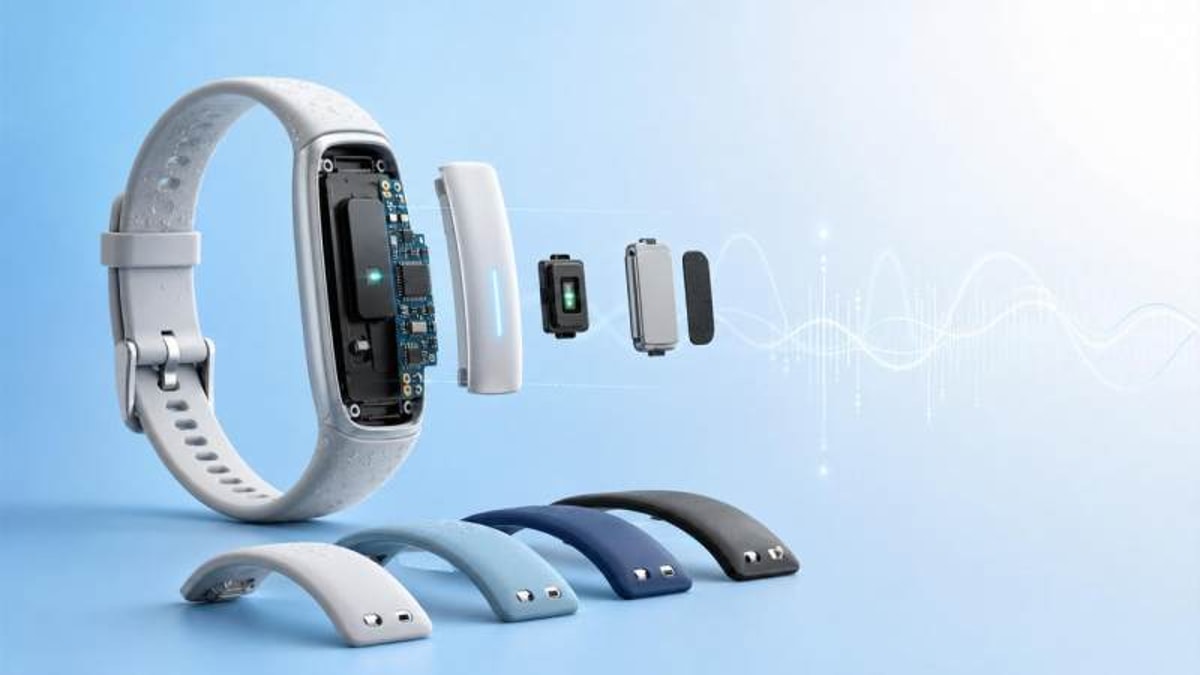
Wearable technology lightweight design promises freedom, comfort, and seamless monitoring, yet many devices still fall short in daily use. For operators and end users, reduced weight alone does not guarantee stable signals, skin compatibility, battery endurance, or long-term reliability. In healthcare and performance-driven environments, the real question is whether lightweight engineering can meet practical demands without compromising data accuracy, durability, and user trust.
What lightweight wearable design really means
In practical terms, Wearable technology lightweight design is not just about making a device smaller or easier to carry. It involves a coordinated engineering effort across materials, sensor architecture, power systems, thermal behavior, fastening methods, software optimization, and user contact surfaces. A truly lightweight wearable should reduce physical burden while still delivering dependable performance in motion, sweat, temperature change, and repeated daily handling.
This distinction matters because many devices are designed to look light rather than function well over time. A thin wristband may feel impressive during a short demonstration, but daily use exposes a different reality: unstable readings during movement, straps that irritate skin, housings that crack under stress, or batteries that fade too quickly. For operators, these failures translate into interruptions, poor compliance, questionable datasets, and increased support burden.
In healthcare-related contexts, lightweight design also carries a hidden obligation. The product must remain clinically meaningful. If low mass comes at the expense of signal integrity, calibration stability, or mechanical durability, then the design is not lightweight in a useful sense. It is merely reduced.
Why the industry keeps focusing on this issue
Across healthcare, rehabilitation, occupational monitoring, sports performance, and remote patient observation, device adoption increasingly depends on user adherence. People are more likely to wear a comfortable product for long periods, especially when the device must remain attached during sleep, work, or physical activity. That is why Wearable technology lightweight design has become a strategic priority rather than a cosmetic feature.
At the same time, the industry is under pressure to prove measurable outcomes. Value-based procurement and digital integration have raised expectations for evidence, not claims. Procurement leaders, technical operators, and implementation teams now need to know whether a lightweight wearable can maintain stable performance outside a controlled test bench. This is exactly where independent benchmarking becomes important. Organizations such as VitalSync Metrics (VSM) exist because the gap between marketing language and engineering truth remains large.
For end users and operators, the concern is simpler but no less critical: if the wearable is easy to wear but hard to trust, daily use will fail. The industry focus therefore extends beyond ergonomics into regulatory readiness, repeatability, maintainability, and data confidence.
Where lightweight design commonly fails in daily use
The biggest misconception is that lower weight automatically improves usability. In reality, a wearable may fail because key design tradeoffs were not balanced correctly. Operators often notice the consequences first, especially when deployment moves from pilot use to continuous real-world operation.
- Poor sensor contact during movement, causing noisy or inconsistent measurements
- Weak enclosure structures that deform, loosen, or crack after repeated wear cycles
- Reduced battery size that shortens operating time or increases charging frequency
- Material choices that feel light but create skin irritation, sweat retention, or pressure points
- Overly compact electronics that increase thermal discomfort or make servicing difficult
- Software smoothing that masks unstable raw data instead of fixing the underlying signal issue
These failures are especially damaging in healthcare settings, where the device may influence clinical observation, workflow timing, or patient confidence. A lightweight device that produces unreliable readings creates more work, not less.
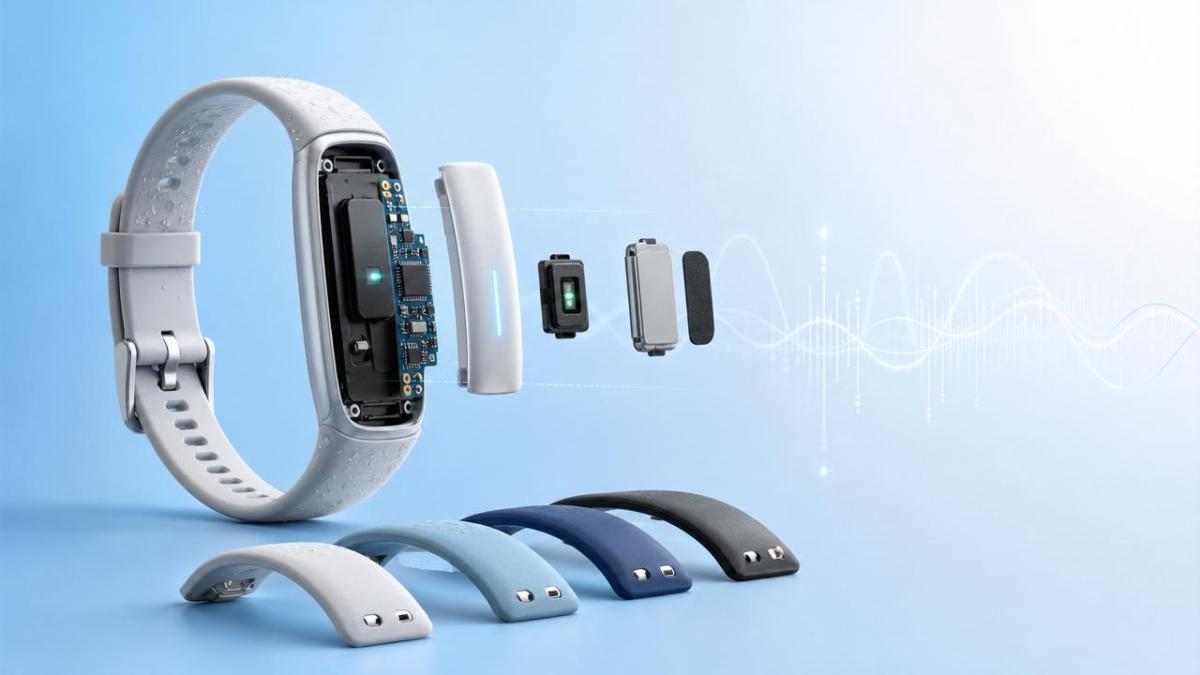
A practical industry overview of evaluation priorities
To understand whether Wearable technology lightweight design is useful in real operations, evaluation should extend across comfort, signal quality, durability, and long-term support. The table below summarizes the priorities most relevant to operators and users.
Why this matters across healthcare and related operations
The value of lightweight wearables is not limited to convenience. In modern care delivery, they support mobility, decentralized monitoring, workflow flexibility, and user engagement. However, these benefits appear only when engineering quality is strong enough to support real conditions.
For hospitals and clinics, a lightweight wearable can reduce perceived burden for patients and simplify extended monitoring programs. For laboratories and evaluation teams, it can improve protocol acceptance and reduce dropout risk. For field operators, rehabilitation staff, and technicians, it can enable longer observation windows without creating excessive discomfort or obstructing movement. In each case, though, the business value depends on whether the wearable continues to perform when used by ordinary people, not ideal test subjects.
This is where a benchmark-driven view becomes critical. VSM’s approach of translating manufacturing parameters and performance variables into standardized technical evidence reflects a broader market need: buyers and users alike require proof that a lightweight device remains accurate, durable, and supportable over its intended lifecycle.
Typical use scenarios and what changes in each one
Not every wearable faces the same demands. The success of Wearable technology lightweight design depends heavily on use environment, wear duration, and user behavior. A practical classification helps clarify expectations.
This variation explains why broad claims about lightness can be misleading. A device optimized for casual wellness may not be suitable for clinical observation. Likewise, a thin patch wearable may excel in short-term comfort but fail under repeated motion or moisture exposure.
How operators should assess performance beyond comfort
Operators are often the first to experience the operational truth of a wearable. They manage charging cycles, fit adjustments, user feedback, device resets, and data review. For that reason, they should assess lightweight designs through a broader checklist than appearance or first-touch comfort.
Start with wear stability. Ask whether the device keeps the same contact quality during walking, bending, perspiration, and routine repositioning. Next, review battery behavior under actual duty cycles rather than manufacturer ideal conditions. Then examine the interface materials after repeated use: do edges lift, do adhesives weaken, do straps stretch, does the surface become harder to clean? Finally, compare raw and processed data. If the system appears stable only after aggressive software filtering, the underlying hardware may be underperforming.
It is also wise to consider maintenance reality. Lightweight systems can be harder to repair, more sensitive to connector wear, and more dependent on proprietary accessories. A successful design should not save grams while increasing downtime.
Key engineering signals that indicate better design maturity
When evaluating Wearable technology lightweight design, maturity is often visible in details. Better products usually show balanced force distribution, carefully selected skin-contact materials, robust fastening geometry, and power management tuned to actual use patterns. They also tend to provide clear technical documentation rather than relying on visual claims.
Another positive sign is transparency around testing. Manufacturers that can describe motion artifact control, environmental validation, fatigue testing, and regulatory alignment usually have a stronger engineering foundation. In medical and near-medical applications, this matters greatly. Lightness should be supported by evidence that the device remains fit for purpose under realistic wear conditions.
Independent laboratories and technical benchmarking groups add value here because they compare what a product promises with what it consistently delivers. For users and operators, that external verification can be more meaningful than any headline specification.
Practical recommendations for better daily outcomes
To improve real-world success, users and implementation teams should treat lightweight design as one factor within a broader performance framework. Request evidence of wear testing over time, not only initial comfort data. Verify how the wearable behaves with different body types, motion levels, and environmental conditions. Review charging routines, cleaning needs, and replacement component durability before large-scale deployment.
It is equally important to align device type with use case. A highly compact form factor may be ideal for short, low-intensity applications, while a slightly heavier model may offer far better reliability for continuous monitoring. In other words, the best outcome is not always the lightest device, but the most balanced one.
Teams that rely on independent technical benchmarking can reduce risk early. By examining parameters such as signal quality, material fatigue, interface stability, and long-term consistency, they can identify whether a wearable is engineered for everyday performance or only optimized for product presentation.
A grounded path forward
The future of Wearable technology lightweight design is still promising, but daily success depends on engineering discipline, not design minimalism alone. Lightness becomes valuable only when it coexists with dependable sensing, skin tolerance, battery practicality, structural resilience, and credible validation.
For operators and end users, the smartest approach is to look beyond first impressions and focus on use-phase evidence. For organizations working in healthcare and life sciences, that means choosing solutions supported by measurable technical integrity. When lightweight wearables are assessed through real performance data rather than promotional language, adoption becomes more confident, workflows become more stable, and trust in the technology becomes easier to sustain.
Recommended News
- 2026.05.07GMEA’s First Green Certification for Methanol Fuel Cells Backed by UNEPDr. Hideo Tanaka (Imaging Systems Analyst)
- 2026.05.07IEC 60601-2-57:2026 Raises Ultrasound Metrics Laser Safety to Class 1MLydia Vancini (Regulatory Compliance Lead)
- 2026.05.07CMEF 2026 Shenzhen: Robotics Zone Hits $1.27B in SigningsDr. Alistair Thorne (Senior Biomedical Engineer)
The VitalSync Intelligence Brief
Receive daily deep-dives into MedTech innovations and regulatory shifts.