
Commercial LED lighting upgrades that cut energy without rework
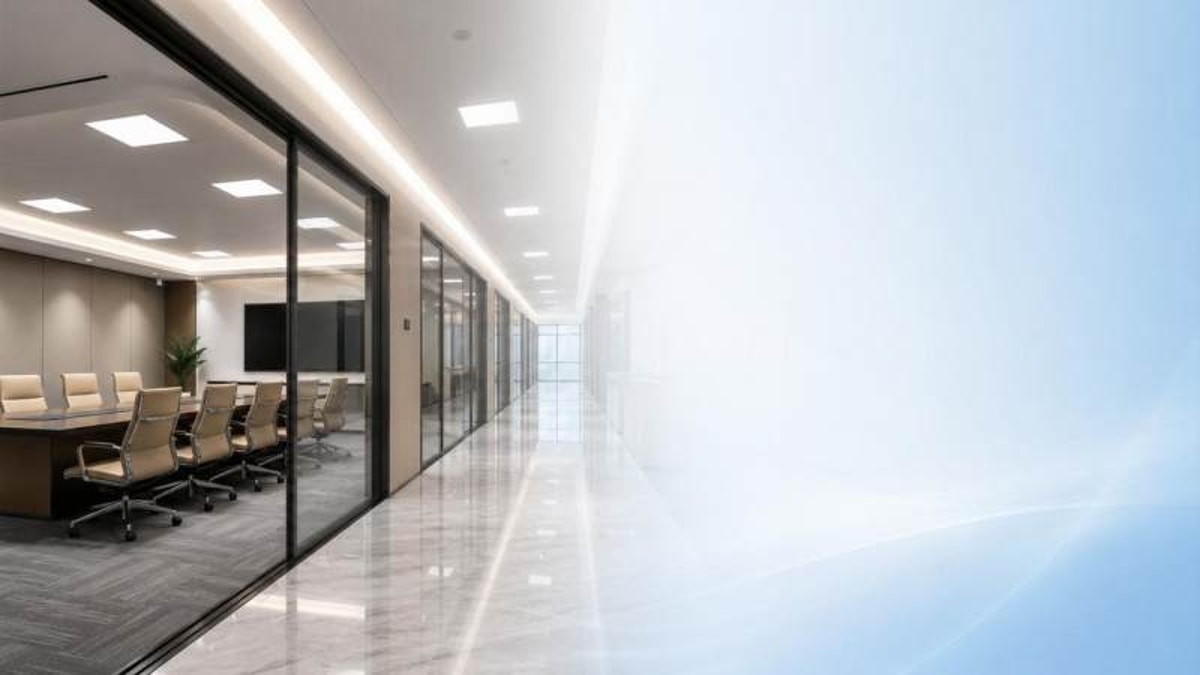
For facility operators and frontline users, Commercial LED lighting energy-saving solutions offer a practical way to reduce power costs without tearing open ceilings or disrupting daily operations. The right upgrade strategy improves light quality, extends fixture life, and minimizes installation rework—making it easier to modernize commercial spaces with less downtime, lower risk, and measurable efficiency gains.
In healthcare-adjacent commercial environments such as outpatient centers, diagnostic labs, clean support areas, administrative offices, training rooms, and mixed-use medical campuses, lighting upgrades are rarely just about watts. Operators must protect uptime, avoid ceiling damage, maintain acceptable illumination levels, and support procurement teams that increasingly demand traceable performance rather than marketing claims.
That is where a disciplined, low-rework upgrade path matters. For organizations influenced by data-driven procurement practices, including those aligned with the analytical approach championed by VitalSync Metrics (VSM), the best lighting decision is usually the one that balances 4 factors at once: energy reduction, installation simplicity, maintenance burden, and verifiable operating stability over 3 to 7 years.
Why low-rework LED upgrades matter in operational facilities
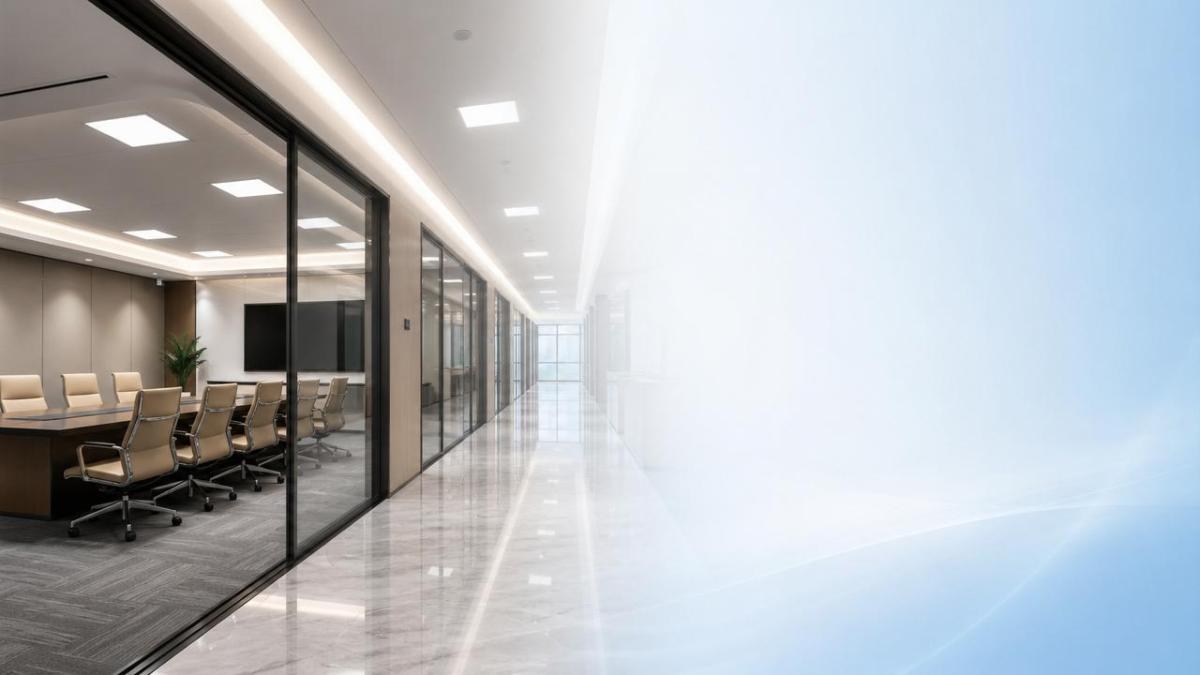
A full lighting replacement can trigger hidden costs well beyond fixture pricing. Once ceilings are opened, operators may face dust control measures, after-hours labor, patching, repainting, workflow disruption, and access restrictions. In active facilities, even a 1-day shutdown of a corridor, prep room, or records area can create scheduling pressure across multiple teams.
Commercial LED lighting energy-saving solutions reduce that risk when they are designed around existing infrastructure. Retrofit lamps, magnetic strip kits, driver replacements, and troffer conversion kits can often preserve housings, grid layouts, and branch circuits. In many projects, this cuts field labor by 25% to 50% compared with a full tear-out approach.
Typical pain points frontline users notice first
Operators usually detect the practical failures before procurement teams do. Common complaints include uneven light distribution, slow warm-up, frequent ballast issues, flicker around task areas, and relamping cycles every 12 to 18 months. In spaces used for paperwork, equipment checks, or sample handling, poor visual consistency affects both comfort and task accuracy.
- High power draw from fluorescent or HID fixtures still in service
- Maintenance calls caused by aging ballasts or incompatible replacement lamps
- Excess heat in enclosed rooms or ceiling plenums
- Difficulty upgrading without disturbing occupied areas
- Concerns about glare, color shift, or emergency circuit compatibility
Where the energy savings usually come from
Most savings come from 3 combined mechanisms: lower fixture wattage, better optical control, and reduced maintenance-related losses. Replacing a 2-lamp fluorescent troffer drawing 64W to 72W with an LED retrofit drawing 24W to 36W can reduce lighting energy use by roughly 40% to 60% at the fixture level, depending on operating hours and control strategy.
If the area runs 10 to 16 hours per day, 6 days per week, the payback period can be materially shorter than in low-use spaces. Occupancy sensors, daylight dimming, and scheduling controls may add another 10% to 25% reduction when used in conference areas, storage zones, restrooms, and intermittently occupied support rooms.
The following comparison helps operators decide which low-rework path best fits a live commercial or healthcare-support environment.
For many occupied facilities, retrofit kits strike the strongest balance. They usually preserve the ceiling interface while delivering more predictable optical performance than simple lamp swaps. Full replacement still has a place, but mainly when existing housings are degraded, code alignment requires new hardware, or the room layout is already being renovated.
How to choose Commercial LED lighting energy-saving solutions without creating downstream problems
The wrong LED upgrade may save power but create operational friction. In practice, selection should be based on 6 checkpoints: fixture condition, target illuminance, driver quality, thermal behavior, dimming or control compatibility, and maintenance access. Frontline users benefit most when procurement teams evaluate these points before issuing purchase orders.
1. Match the solution to the existing ceiling and fixture condition
If the ceiling grid is stable and housings are not bent, corroded, or loose, low-rework retrofits are often the logical first option. If more than 15% to 20% of fixtures in one zone show mechanical damage, however, piecemeal retrofits may create inconsistent appearance and repeated service calls. At that point, grouped replacement by room or circuit is often more efficient.
2. Verify light levels and visual comfort, not just wattage
Operators should request target ranges for task areas. Offices may perform adequately around 300 to 500 lux, while technical work areas, records review points, and certain lab support zones may require 500 to 750 lux depending on workflow. Color temperature in the 3500K to 5000K range is common, but selecting too cool a tone can increase perceived harshness in administrative spaces.
Why flicker and glare deserve special attention
Low-cost drivers can create flicker that is not always obvious during a brief demo. Over 8 to 12 hours of occupancy, that can affect comfort and perceived quality. Similarly, a high-lumen product with poor lens design may introduce screen glare or bright spots. Commercial LED lighting energy-saving solutions should therefore be reviewed for optical distribution and driver stability, not only catalog lumens.
3. Check electrical and control compatibility early
A low-rework project can become a rework-heavy project if control interfaces are ignored. Before ordering, confirm line voltage, emergency circuit presence, dimming protocol, sensor compatibility, and local switching logic. A 0–10V dimming system, for example, may need different drivers than a simple on/off branch. Early verification can prevent return visits and commissioning delays lasting 3 to 10 working days.
The table below summarizes practical specification points that matter most to end users and operators during product selection.
The key takeaway is straightforward: energy savings should not come at the expense of usability. A product that performs well on paper but causes glare, incompatibility, or uneven output can raise total operating cost even if the wattage looks attractive.
Implementation steps that reduce downtime and protect daily operations
A successful upgrade usually follows a 5-step sequence. Skipping any one of them increases the likelihood of rework. This is especially true in healthcare-related commercial settings where rooms may have staggered schedules, controlled access, or special cleaning requirements.
- Audit existing fixtures by type, wattage, circuit, and occupancy pattern
- Test 1 to 3 sample areas before ordering sitewide quantities
- Confirm electrical compatibility, emergency operation, and switching logic
- Schedule phased installation by zone, often after hours or during low-traffic windows
- Verify light levels, user feedback, and maintenance documentation after commissioning
Pilot first, scale second
A pilot covering even 10 to 20 fixtures can reveal issues that drawings alone do not show. Users may notice screen reflections, uneven brightness near shelves, or sensor timing problems. A 7-day to 14-day observation window gives operators enough time to assess comfort, access, cleaning, and maintenance practicality before broader rollout.
Plan around occupancy, not just installation speed
Installers may be able to retrofit a room in under 2 hours, but access coordination often takes longer than the physical work. Frontline teams should map high-traffic windows, room reservations, and cleaning cycles. In busy facilities, a phased plan of 20 to 40 fixtures per shift often produces better continuity than aggressive one-night conversion targets that trigger follow-up corrections.
Document what was changed
Even simple Commercial LED lighting energy-saving solutions should leave a clean handover record. That includes fixture counts, driver type, circuit notes, control settings, and spare parts guidance. Good documentation reduces troubleshooting time months later, particularly when maintenance staff change or procurement asks for performance verification during budget review cycles.
Common mistakes, risk controls, and procurement guidance
Many failed upgrades do not fail electrically; they fail operationally. The fixture turns on, but the site ends up with inconsistent light color, poor dimming response, excessive glare, or avoidable callbacks. These problems are preventable if teams treat procurement as a performance validation exercise rather than a line-item purchase.
Frequent mistakes to avoid
- Buying by lowest unit cost without checking driver quality or compatibility
- Mixing multiple color temperatures in the same visual field
- Assuming old emergency circuits will behave the same after retrofit
- Ignoring user feedback from pilot rooms
- Over-lighting spaces and creating glare to chase a higher perceived brightness
A practical procurement checklist
Before approving an order, operators and buyers should review at least 6 items: quantity accuracy, installation method, voltage and control compatibility, target light level, expected maintenance interval, and warranty response process. In data-driven purchasing environments, this kind of checklist aligns well with the broader demand for technical transparency and lifecycle reliability.
For healthcare-support organizations and technically managed facilities, the procurement standard is shifting. The question is no longer “Will this LED save energy?” but “Can this solution save energy, fit the space, and perform consistently without creating hidden maintenance work over the next 36 to 60 months?” That is the more useful decision frame.
When a full replacement is still the better option
Low-rework is not always the right answer. If housings are rusted, lenses are brittle, mounting integrity is poor, or the room needs a new layout, full replacement may produce a lower total cost over time. The critical point is to choose full replacement intentionally, not by default, and only after verifying that retrofit limitations would compromise performance or serviceability.
Commercial LED lighting energy-saving solutions deliver the greatest value when they are selected with operational reality in mind. The best projects reduce power use, preserve workflow, improve light quality, and avoid unnecessary ceiling rework. For operators, that means fewer disruptions; for procurement teams, it means a cleaner business case built on measurable function rather than assumptions.
If your facility is evaluating a lighting upgrade for offices, technical support areas, labs, or mixed-use commercial healthcare spaces, a structured review of fixture condition, control compatibility, and phased installation options can prevent costly mistakes early. Contact us to discuss your site conditions, get a tailored upgrade roadmap, and explore more low-rework solutions designed for dependable long-term performance.
Recommended News
- 2026.05.06Global Methanol Electric Alliance Launches, Certifies Centrifugation Tech Power SolutionsDr. Hideo Tanaka (Imaging Systems Analyst)
- 2026.05.06IEC 60601-2-69:2026 Released: EMF Limits Tightened 30% for Physical Therapy DevicesSarah Jenkins (Laboratory Infrastructure Consultant)
- 2026.05.06FDA Finalizes AI SaMD Guidance, Opens Fast Track for Remote Monitoring DevicesLydia Vancini (Regulatory Compliance Lead)
The VitalSync Intelligence Brief
Receive daily deep-dives into MedTech innovations and regulatory shifts.