 Get Insights

Do smartcatlitterboxes really help spot health issues?
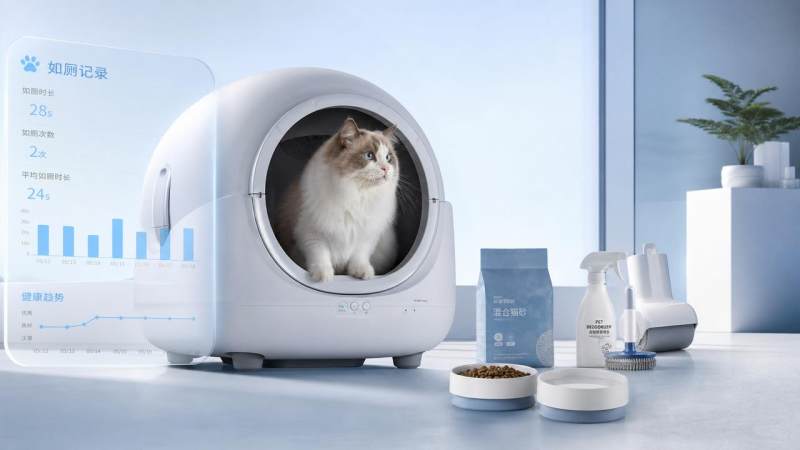
For cat owners, subtle changes in bathroom habits can be the first sign of urinary, kidney, digestive, or metabolic problems—but they are easy to miss in daily life. This is where smartcatlitterboxes are attracting attention: by tracking weight, visit frequency, urine volume, and elimination patterns, they promise earlier visibility into potential health issues. But how reliable are these devices, and what should consumers realistically expect? This guide explains what smart litter boxes can detect, where their limits are, and how to use their data responsibly with veterinary care.
What smartcatlitterboxes actually measure at home
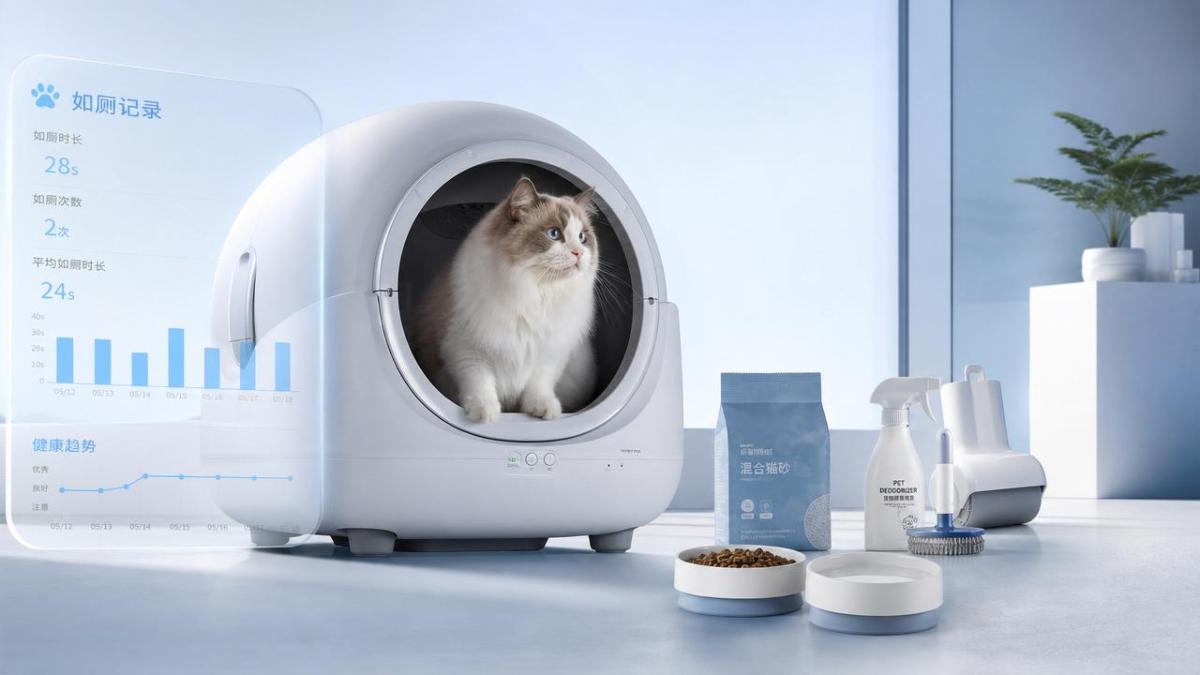
Smartcatlitterboxes are not diagnostic medical devices in the same way a laboratory analyzer is. They are consumer monitoring systems that convert routine litter box use into trend data.
Most models combine load cells, motion sensors, waste detection, app software, and sometimes camera-based recognition. The value is not one reading. The value is pattern change.
Core data points that may signal a problem
- Body weight trend can reveal gradual loss, sudden gain, or instability that may justify a veterinary checkup.
- Visit frequency may highlight urinary urgency, constipation, stress-related behavior, or environmental discomfort.
- Urine clump size or estimated urine volume can indicate changes in hydration, kidney function, diabetes risk, or urinary tract irritation.
- Elimination timing can help owners notice overnight changes that would otherwise be invisible.
- Multi-cat recognition, when accurate, can separate one cat’s behavior from another’s in shared homes.
For consumers, the practical question is whether the data is stable enough to guide action. VitalSync Metrics evaluates connected health technologies with the same mindset used in medical technology benchmarking: sensor integrity, signal quality, software interpretation, and repeatability matter more than marketing claims.
Which health issues can smartcatlitterboxes help spot?
Smartcatlitterboxes can help identify warning patterns, not confirm diseases. They are most useful when the owner understands which changes are meaningful and when to call a veterinarian.
The table below translates common litter box data into health-related observations. It is designed for practical consumer decisions, not self-diagnosis.
The most urgent red flag is repeated litter box entry without normal urination. Smartcatlitterboxes may capture the pattern, but owners should not wait for an app alert if the cat appears distressed.
Why trends matter more than single alerts
A single missed visit may come from a closed door, a dirty box, or a cat sleeping longer than usual. A seven-day trend is more useful.
For example, a cat’s weight dropping by small increments over several weeks is easier to trust than one unusual weigh-in caused by poor paw placement.
Where smartcatlitterboxes are most useful for consumers
The strongest use case is not convenience alone. It is visibility for households where health changes are subtle, cats are private, or owners have busy schedules.
Best-fit home scenarios
- Senior cats that need closer monitoring for kidney disease, thyroid changes, arthritis, or constipation.
- Cats with previous urinary issues, where visit frequency and urine output trends can support earlier intervention.
- Multi-cat homes, provided the device can reliably identify each cat by weight, chip, collar tag, or image recognition.
- Owners who travel or work long hours and need remote visibility into daily elimination behavior.
- Weight management plans where regular weigh-ins are difficult without stress or handling resistance.
Smartcatlitterboxes are less suitable for cats afraid of mechanical noise, cats with mobility limitations that cannot enter high-sided units, or homes with unreliable Wi-Fi.
How VSM thinks about consumer health data
VitalSync Metrics approaches smart pet health products through an engineering lens. A polished app is not enough if sensors drift, data labels are unclear, or alerts are poorly calibrated.
For end consumers, this means judging smartcatlitterboxes by repeatability, transparency, cleaning practicality, and how easily the data can be shared with a veterinary team.
Smart litter box versus traditional observation: what changes?
A traditional litter box is inexpensive and familiar, but it depends entirely on human observation. Smartcatlitterboxes reduce memory gaps and make behavior measurable.
This comparison helps owners decide whether the upgrade matches the cat’s medical risk, household routine, and budget.
The best choice is not always the most connected product. A simple box plus careful observation may be enough for a young healthy cat, while smartcatlitterboxes can be valuable for higher-risk pets.
How reliable are smartcatlitterboxes for health monitoring?
Reliability depends on measurement design. In healthcare engineering, a device is only useful when the signal is strong enough and the noise is understood.
Key performance factors to check
- Weight accuracy should remain stable across normal cat positions, not only under ideal laboratory placement.
- Urine estimation should explain whether it measures clump mass, tray weight change, absorbent cartridge data, or algorithmic inference.
- Multi-cat identification should have a documented method, because similar body weights can confuse many consumer systems.
- Alert thresholds should be adjustable or at least explainable, since normal patterns vary by cat age, diet, and medical history.
- Data export should allow owners to share trends with veterinarians, rather than trapping information inside an app screen.
VSM’s broader MedTech benchmarking experience shows why raw data needs context. A sensor may detect activity, but clinical usefulness depends on repeatability, artifact control, and interpretation.
Common sources of false alarms
False alerts can happen when litter sticks to the mechanism, a second cat interrupts a visit, the floor is uneven, or the cat steps in without eliminating.
Owners should also consider diet changes, hotter weather, medication, stress, and new household routines before assuming every alert indicates disease.
Buying checklist: choosing smartcatlitterboxes without overpaying
Consumers often struggle with unclear specifications, attractive app screenshots, and wide price differences. A structured checklist prevents paying for features that do not match real needs.
Use this table to compare smartcatlitterboxes before purchase, especially if your goal is health visibility rather than only odor control or automated scooping.
A strong buying decision balances sensor capability with cat acceptance. If a device is too loud, cramped, or difficult to clean, the data stream will quickly become unreliable.
Budget considerations beyond the purchase price
- Check whether proprietary liners, cartridges, filters, or litter are required and how often they are replaced.
- Review whether health analytics require a paid subscription after a trial period.
- Confirm replacement part availability, because motors, trays, seals, and sensors may wear over time.
- Consider return policies, especially for cats that may reject enclosed or moving litter systems.
Using the data responsibly with veterinary care
Smartcatlitterboxes are most powerful when they support, rather than replace, veterinary assessment. The device can document patterns that guide clinical questions.
A practical workflow for owners
- Establish a two-week baseline when your cat is healthy, noting diet, litter type, water access, and normal schedule.
- Review weekly trends instead of reacting to every minor notification unless your cat appears distressed.
- Document visible symptoms such as straining, blood, vomiting, reduced appetite, hiding, or vocalization.
- Share exported charts, screenshots, and dates with the veterinarian before or during the appointment.
- Use veterinary test results to refine how you interpret future alerts from the device.
The clearest value comes when app data, owner observation, and clinical testing are connected. A urine trend may prompt a urinalysis; weight loss may prompt blood work.
Privacy and data handling questions
Consumers should read how pet and household data is stored, transferred, and used. Camera-equipped smartcatlitterboxes deserve extra attention because images may include private home details.
Look for clear account controls, deletion options, firmware update policies, and reasonable explanations of what data is used for product improvement.
FAQ: common questions about smartcatlitterboxes
Can smartcatlitterboxes diagnose urinary disease?
No. They can reveal patterns that may be associated with urinary problems, such as frequent trips, small outputs, or changing urine volume. Diagnosis requires veterinary examination and testing.
Are smartcatlitterboxes worth it for a healthy young cat?
They may be useful if you value convenience and baseline data. However, the strongest return is usually for senior cats, chronic conditions, or multi-cat homes.
What if my cat refuses to use the smart litter box?
Introduce it slowly, keep the old box available, avoid sudden litter changes, and let the cat explore before activating cleaning cycles. Forced transitions can cause avoidance.
How much data should I show my veterinarian?
Bring trend summaries covering at least one to four weeks, plus dates of unusual alerts. Clear charts are more helpful than hundreds of isolated notifications.
Do smartcatlitterboxes work well in multi-cat homes?
They can, but identification quality is critical. Similar-weight cats, shared visits, or partial entries may confuse some systems, so review the recognition method before buying.
Why choose VSM for smarter consumer health technology decisions?
VitalSync Metrics helps separate engineering reality from promotional language. While smartcatlitterboxes are consumer products, the same principles apply: measurable performance, transparent data, and long-term reliability.
For consumers, retailers, product teams, and health-focused innovators, VSM can support parameter confirmation, product selection frameworks, sensor performance review, usability assessment, and evidence-based comparison.
If you are evaluating smartcatlitterboxes or connected pet health devices, contact VSM to discuss benchmarking priorities, data interpretation requirements, sample review planning, delivery timelines, and compliance-related questions.
The right device will not replace your veterinarian, but it can make invisible changes visible. With a disciplined evaluation process, smartcatlitterboxes can become a practical early-warning tool rather than another confusing gadget.
Recommended News
- 2026.10.15Medical Packaging Heat Seal Testing: Seal Strength vs. Seal Integrity TestsDr. Julian Rossi (RehabTech Specialist)
- 2026.10.14Clinic Supplier Comparison: Evaluating Cost, Delivery Reliability, and SupportDr. Alistair Thorne (Senior Biomedical Engineer)
- 2026.10.13Engineering Performance Testing Services: Evaluating Test Methods and AccuracyDr. Alistair Thorne (Senior Biomedical Engineer)
The VitalSync Intelligence Brief
Receive daily deep-dives into MedTech innovations and regulatory shifts.