 Get Insights

Hotel Furniture Buying Guide: How to Compare Durability, Style, and Maintenance
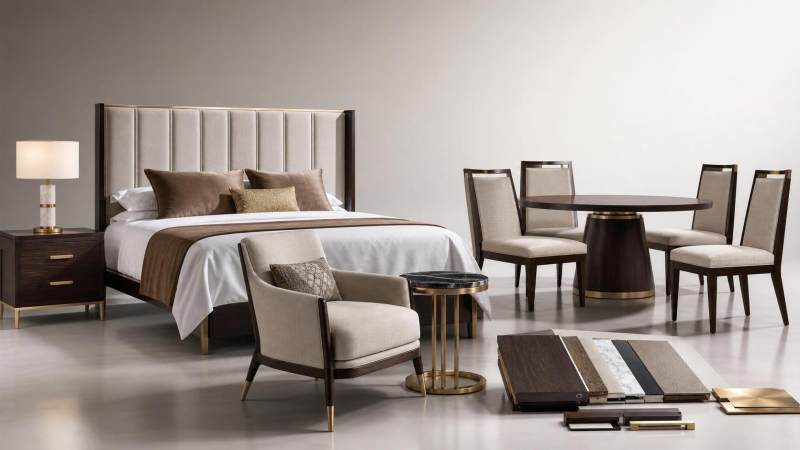
Why hotel furniture decisions matter more than they used to
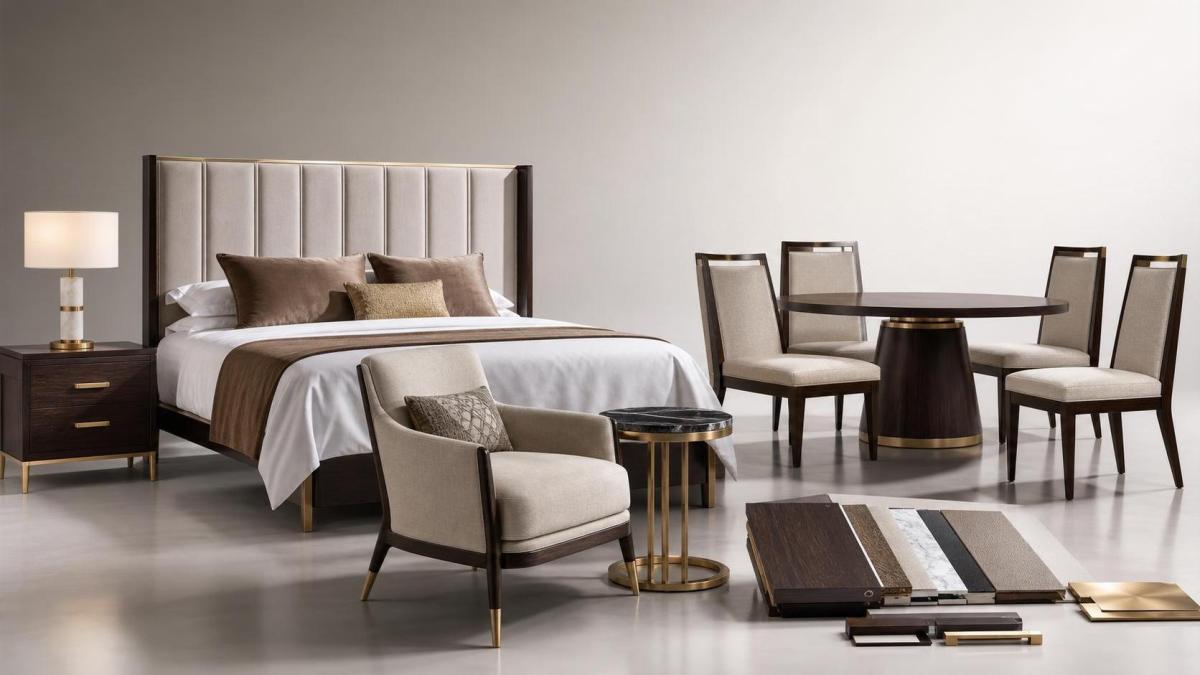
Choosing hotel furniture is no longer only about looks. It shapes guest comfort, brand consistency, room uptime, and replacement budgets.
A chair that wobbles after one season costs more than its invoice suggests. It creates complaints, labor, and hidden reputational damage.
That is why smart hotel furniture sourcing starts with performance, not showroom appeal. The best buying decisions balance durability, style, and maintenance.
In practical terms, buyers should compare how furniture performs under repeated cleaning, daily impact, guest misuse, and frequent layout changes.
This also means looking beyond catalogs. Samples, test data, warranties, and material specifications often reveal more than polished brand language.
A solid hotel furniture plan supports guest satisfaction today and protects asset value over several operating cycles.
Start with durability: the first filter for hotel furniture
Durability should be the first screening tool. In hospitality, furniture faces heavier use than most office or residential products.
Beds, casegoods, lounge seating, and dining pieces all fail differently. So the comparison process should focus on use-specific stress points.
What to inspect in materials and construction
Start with frame structure. Solid hardwood, commercial-grade plywood, and metal frames usually outperform weaker composite builds in high-traffic areas.
Joinery matters just as much. Mortise-and-tenon, dowel reinforcement, welded metal joints, and corner blocking usually signal better long-term stability.
For upholstered hotel furniture, check foam density, fabric abrasion ratings, seam strength, and stain resistance. These details affect both lifespan and appearance.
- Ask for load testing data for chairs, beds, and tables.
- Review edge protection on casegoods and nightstands.
- Check laminate thickness and scratch resistance.
- Confirm hardware quality on drawers, hinges, and glides.
How to compare real service life
Do not compare hotel furniture only by unit price. Compare expected service life in guest rooms, lobbies, dining spaces, and meeting areas.
A lower-cost bedside unit that chips in eighteen months may cost more than a premium option that stays presentable for five years.
Request references from similar properties. Resort, airport, and business hotels create different wear patterns, so context matters.
Compare style without sacrificing operational logic
Style still matters, but it should serve the brand and the business. Strong design helps occupancy, reviews, and pricing power.
The mistake is choosing hotel furniture that photographs well yet struggles in daily operation. Good style should be easy to live with.
Balance signature design with repeatability
A distinctive look is valuable, especially for boutique properties. Still, highly customized hotel furniture can complicate replacement and future expansion.
When comparing suppliers, ask whether finishes, fabrics, and dimensions can be reproduced consistently across phases, floors, or sister properties.
This is especially important when renovations happen in stages. Guests notice mismatched tones, uneven wear, and inconsistent room presentation.
Match furniture style to use case
Lobby hotel furniture should feel durable, social, and flexible. Guest room furniture should feel calm, efficient, and easy to maintain.
Restaurant pieces need stronger wipe-down performance. Outdoor selections require UV, moisture, and corrosion resistance beyond indoor design priorities.
The best style decision is not the boldest one. It is the one that stays attractive under real use.
Maintenance is where hotel furniture either pays off or drains budget
Maintenance often gets less attention during sourcing. Yet it has a major effect on labor hours, room turnover speed, and replacement timing.
If hotel furniture requires delicate treatment, it becomes expensive fast. Hospitality teams need surfaces and finishes that hold up under routine cleaning.
Questions that reveal maintenance risk
- Can housekeeping clean it with standard products?
- Will scratches, water rings, or chips show quickly?
- Are replacement parts available for handles, glides, and legs?
- Can upholstery panels or cushions be replaced individually?
- Does the finish hide dust, fingerprints, and minor wear?
These are practical questions, but they often separate durable hotel furniture from furniture that only looks good at delivery.
Why simple finishes often win
Ultra-gloss surfaces, delicate veneers, and complex trim can look impressive. Still, they may magnify fingerprints, dents, and visible aging.
Textured laminates, performance fabrics, and matte finishes often deliver a better balance between design quality and operational ease.
That balance becomes even more valuable in properties with high occupancy or lean housekeeping teams.
Build a comparison framework before requesting final quotes
A structured scorecard keeps hotel furniture selection objective. It also reduces the risk of choosing on aesthetics or price alone.
Use weighted criteria based on the property type, expected traffic, and renovation cycle. Not every category should carry equal importance.
This method also helps internal alignment. Design, operations, procurement, and finance can evaluate hotel furniture using the same decision logic.
Common buying mistakes that weaken hotel furniture value
Several mistakes appear again and again in hotel furniture purchasing. Most of them come from incomplete evaluation, not bad intent.
- Selecting by sample appearance without checking construction details.
- Ignoring cleaning protocols during finish selection.
- Over-customizing pieces that will be hard to replace later.
- Comparing vendors without a standardized scorecard.
- Focusing on purchase price instead of lifecycle cost.
A useful rule is simple. If a supplier cannot explain why its hotel furniture will last, maintain appearance, and stay serviceable, keep digging.
Good vendors welcome detailed questions. Strong answers usually include specifications, testing, finish options, and documented maintenance guidance.
A practical shortlist process for better hotel furniture decisions
Before final approval, narrow the field with a disciplined review process. This keeps hotel furniture decisions grounded in evidence.
- Define use zones and expected wear levels.
- List required materials, finishes, and performance standards.
- Request samples and maintenance documentation.
- Score each hotel furniture option against weighted criteria.
- Check references from similar hospitality projects.
- Confirm spare parts, lead times, and warranty terms.
In the real world, the best choice is rarely the cheapest or the flashiest. It is the one that keeps performing with fewer surprises.
When hotel furniture is evaluated through durability, style, and maintenance together, the buying decision becomes clearer and far more defensible.
Use this framework during your next sourcing round, and you will be in a stronger position to choose hotel furniture that supports both guest experience and long-term returns.
Recommended News
- 2026.09.22How to Select Diagnostic Equipment for Reliable Point-of-Care Testing?Dr. Hideo Tanaka (Imaging Systems Analyst)
- 2026.09.21Selecting Molding Machines for High-Volume Medical Device Component ProductionDr. Alistair Thorne (Senior Biomedical Engineer)
- 2026.09.20How Laboratories Can Integrate Digital Systems Without Disrupting Sample WorkflowsDr. Hideo Tanaka (Imaging Systems Analyst)
The VitalSync Intelligence Brief
Receive daily deep-dives into MedTech innovations and regulatory shifts.