 Get Insights

How to vet an industrial equipment supplier in Germany
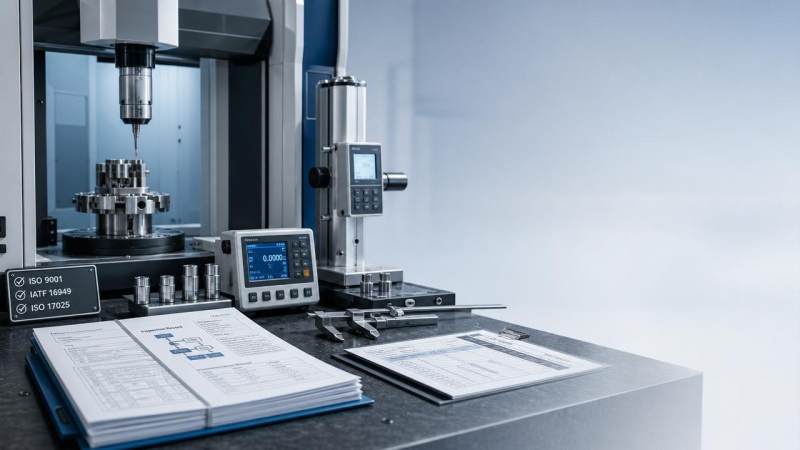
Choosing an Industrial & Manufacturing equipment supplier in Germany is no longer just about price or delivery timelines.
The real decision now centers on engineering evidence, compliance maturity, traceability, and operational resilience.
Germany remains a benchmark market for precision manufacturing, industrial automation, and process discipline.
Yet even a strong reputation does not replace technical verification.
This guide explains how to assess an Industrial & Manufacturing equipment supplier in Germany with a sharper, evidence-based lens.
It also reflects a wider shift toward risk-aware sourcing across industrial and healthcare-linked supply chains.
Why supplier evaluation in Germany is changing faster than many expect
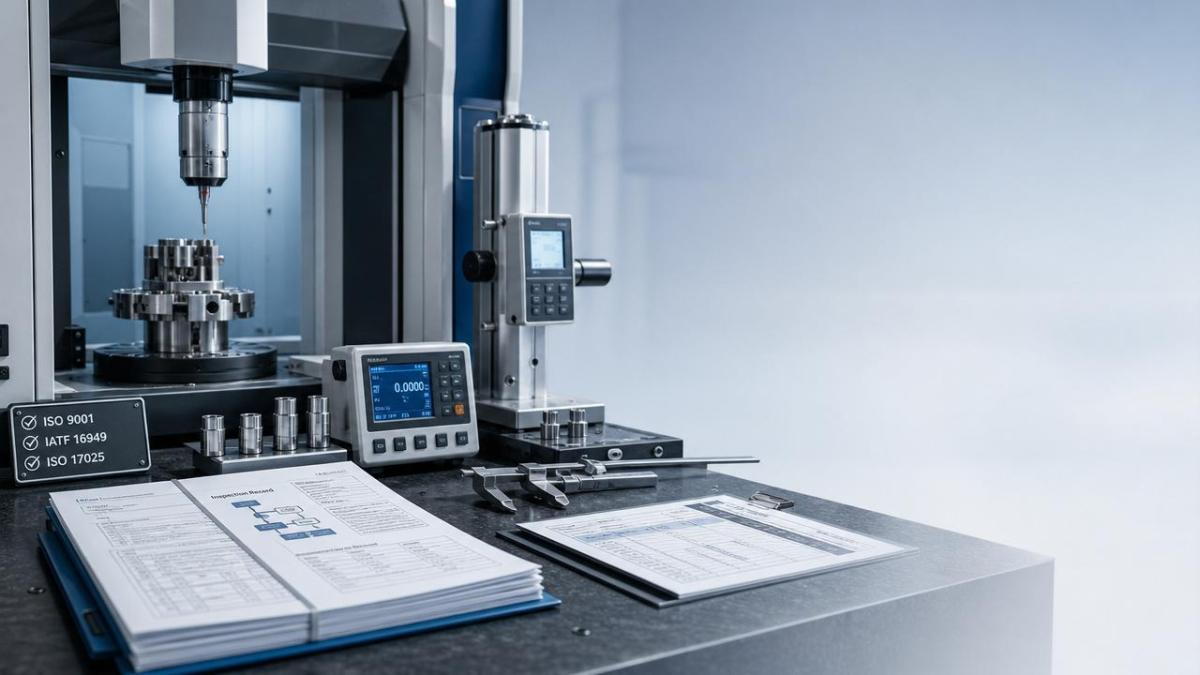
The market is changing because industrial equipment is becoming more connected, regulated, and performance-sensitive.
Buyers now need proof that a machine performs reliably beyond showroom demonstrations and polished brochures.
An Industrial & Manufacturing equipment supplier in Germany may offer strong branding, but branding is not a validation method.
Technical files, test records, calibration history, and field performance data matter far more.
This is especially relevant when equipment affects quality control, laboratory buildouts, sterile processing, packaging, or precision assembly.
In these settings, small engineering weaknesses create expensive downstream failures.
The strongest trend signals point to evidence over reputation
Several market signals show why vetting methods are becoming stricter for any Industrial & Manufacturing equipment supplier in Germany.
- Complex equipment increasingly combines mechanical, electrical, software, and data functions.
- Downtime costs have risen because production systems operate with tighter tolerance windows.
- Documentation quality is now linked to regulatory readiness and audit performance.
- Global sourcing teams expect lifecycle support, spare parts planning, and change control visibility.
- Healthcare-related projects require stronger validation thinking, even for general industrial infrastructure.
These signals reward suppliers that can convert engineering claims into measurable, repeatable evidence.
What is driving stricter checks on industrial suppliers
This shift affects every Industrial & Manufacturing equipment supplier in Germany, from machine builders to system integrators.
How these changes affect sourcing decisions across business functions
Supplier evaluation now reaches beyond purchasing documents and commercial negotiation.
Engineering, validation, maintenance, quality assurance, and digital infrastructure all influence approval decisions.
For healthcare-adjacent projects, this is even more important.
A packaging line, cleanroom support system, or test instrument may indirectly shape clinical quality outcomes.
That is where an evidence-first approach becomes essential.
VitalSync Metrics supports this mindset by translating technical parameters into clear benchmarking logic.
This reduces dependence on unsupported marketing language and improves sourcing confidence.
Operational areas most affected by weak supplier vetting
- Commissioning delays caused by incomplete documentation
- Unexpected maintenance due to poor component durability
- Data gaps that weaken qualification and audit readiness
- Spare part dependency tied to opaque sourcing chains
- Performance drift under real production loads
The most reliable vetting points for an Industrial & Manufacturing equipment supplier in Germany
The best assessments focus on proof, not promises.
When reviewing an Industrial & Manufacturing equipment supplier in Germany, prioritize these areas.
- Ask for factory acceptance test structure and sample reports.
- Review material certificates, calibration records, and traceability controls.
- Check whether design changes are documented through formal revision processes.
- Evaluate software version control for automated or connected systems.
- Request failure history, preventive maintenance guidance, and service response metrics.
- Confirm spare part availability windows and obsolescence management methods.
- Examine reference installations with similar loads, environments, and operating cycles.
These checkpoints reveal whether a supplier operates with disciplined engineering habits or only polished sales habits.
What good technical evidence actually looks like
Not all documentation has equal value.
High-quality evidence should be specific, recent, consistent, and tied to actual operating conditions.
A credible Industrial & Manufacturing equipment supplier in Germany should provide evidence without hesitation.
Key areas that deserve deeper attention before approval
- Mechanical durability under full-cycle operation, not just nominal load.
- Electrical safety architecture and component sourcing stability.
- Software maintainability, validation impact, and update governance.
- Documentation compatibility with internal qualification frameworks.
- Cleanability, surface finish, and material suitability where hygiene matters.
- Remote support capability balanced against cybersecurity discipline.
These points are especially important when industrial systems intersect with healthcare, diagnostics, or controlled environments.
A practical decision framework for comparing suppliers with less bias
A weighted scorecard helps reduce subjective decisions.
It also makes supplier comparisons more transparent across teams.
This framework is useful for any Industrial & Manufacturing equipment supplier in Germany under final consideration.
The next move is better verification, not just faster sourcing
Industrial sourcing is moving toward technical transparency, measurable reliability, and documented accountability.
That trend is likely to strengthen as systems become more integrated and quality expectations rise.
Before selecting an Industrial & Manufacturing equipment supplier in Germany, define the evidence required for approval.
Then compare suppliers against the same engineering, quality, and lifecycle criteria.
A structured review prevents hidden risk from entering long-term operations.
For more confident sourcing, use technical benchmarking methods that turn claims into verified decision data.
Recommended News
- 2026.10.15Medical Packaging Heat Seal Testing: Seal Strength vs. Seal Integrity TestsDr. Julian Rossi (RehabTech Specialist)
- 2026.10.14Clinic Supplier Comparison: Evaluating Cost, Delivery Reliability, and SupportDr. Alistair Thorne (Senior Biomedical Engineer)
- 2026.10.13Engineering Performance Testing Services: Evaluating Test Methods and AccuracyDr. Alistair Thorne (Senior Biomedical Engineer)
The VitalSync Intelligence Brief
Receive daily deep-dives into MedTech innovations and regulatory shifts.