 Get Insights

What Is Biomass Energy and Which Industries Benefit Most From It?
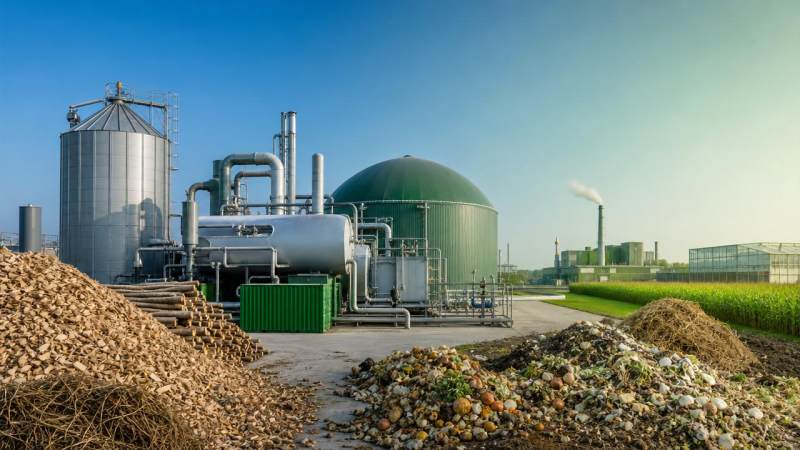
What does biomass energy actually mean in practical terms?
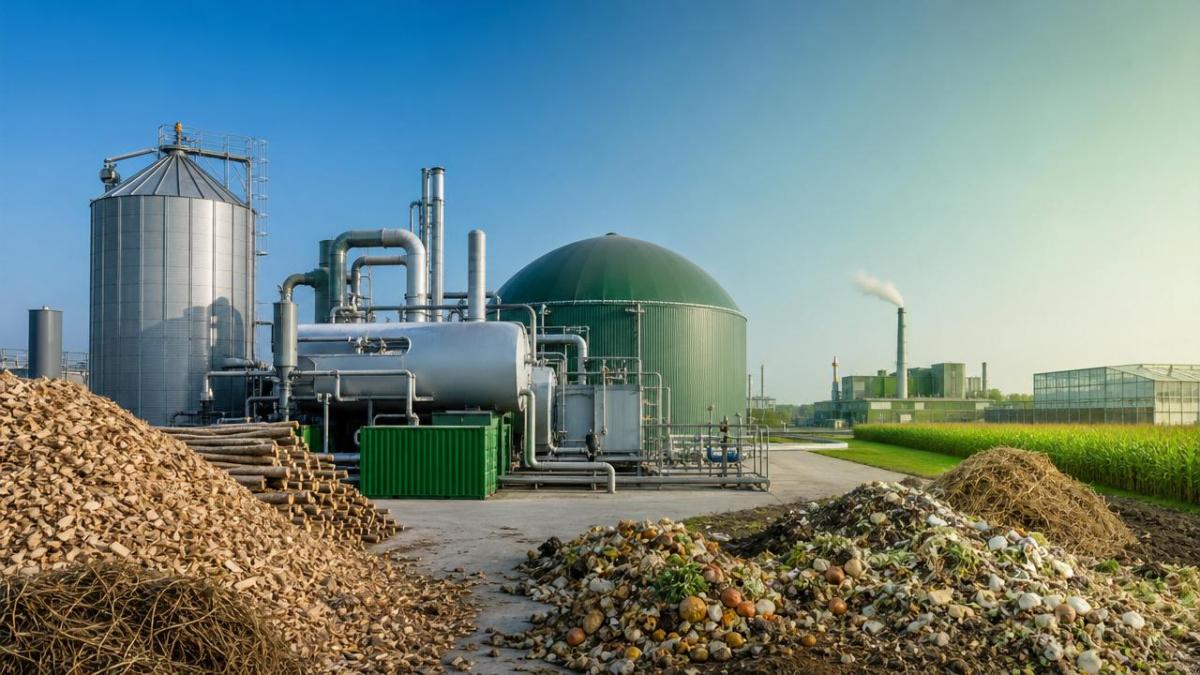
Biomass energy refers to power or heat produced from organic material. That includes wood residues, crop waste, food by-products, manure, and some municipal organic streams.
In simple terms, biomass energy turns biological waste into usable fuel. It can produce electricity, steam, heating, cooling support, or renewable gas.
This matters because many industries already generate organic waste. Instead of paying only for disposal, some operations can recover value from it.
Still, biomass energy is not automatically clean or efficient. Its real benefit depends on feedstock quality, transport distance, emissions controls, and conversion technology.
That is why evidence matters. In technical fields, including healthcare infrastructure, decision-making increasingly favors measured performance over broad sustainability claims.
A data-first mindset, similar to the benchmarking approach seen in engineering-led research groups such as VitalSync Metrics, is useful here as well.
Why is biomass energy getting more attention now?
The interest is not just about carbon targets. Biomass energy also relates to energy security, waste reduction, and local fuel diversification.
More facilities now face pressure to cut fossil fuel use without risking operational downtime. Biomass can help where constant thermal demand already exists.
That is especially relevant for sites needing steam, hot water, or combined heat and power. Thermal applications often make more sense than power-only projects.
Another reason is waste policy. Organic by-products are increasingly seen as resources, but only when their energy recovery can be validated case by case.
The key question is no longer whether biomass energy sounds promising. It is whether the numbers hold up under real operating conditions.
Which industries benefit most from biomass energy?
The strongest candidates usually share two traits. They have steady energy demand, and they also have reliable access to organic feedstock.
Agriculture is one of the clearest examples. Farms, food processors, and livestock operations can use manure, straw, husks, and digestible waste streams.
Manufacturing also benefits when production creates wood scraps, paper sludge, or organic residues. Biomass boilers can offset natural gas in heat-intensive processes.
The food and beverage sector often fits well because it combines wet waste generation with predictable thermal needs. Anaerobic digestion is common in such settings.
Pulp, paper, and timber industries are long-time users of biomass energy. They often have internal residues that reduce dependence on external fuel markets.
Healthcare-related infrastructure is a more careful case. Large campuses, laboratories, and specialized facilities may benefit mainly through district energy or resilient heat supply.
In those environments, reliability, air quality, and compliance matter as much as sustainability. Any biomass energy choice must be measured against strict operational standards.
Is biomass energy always a low-carbon option?
Not always, and this is where many articles become too simplistic. Biomass energy can reduce emissions, but only under the right sourcing and operating conditions.
If fuel travels long distances, contains excess moisture, or comes from poorly managed sources, its environmental value drops quickly.
Technology choice also matters. Modern gasification, digestion, and high-efficiency boiler systems perform differently from outdated combustion setups.
A useful way to judge biomass energy is to ask three questions. What is the feedstock, what is the conversion path, and how stable is the demand profile?
- Check lifecycle emissions, not only stack emissions.
- Review ash handling, particulates, and local air rules.
- Confirm whether waste supply is continuous or seasonal.
- Compare thermal efficiency against available alternatives.
This kind of disciplined evaluation mirrors how technical buyers assess devices, systems, and infrastructure in regulated sectors. Claims are useful only when verified.
How do you know if biomass energy is a good fit for a site?
A good fit usually starts with thermal demand. If a site needs steady process heat, biomass energy may be worth serious evaluation.
The next issue is feedstock certainty. A project built on unstable fuel supply often struggles, even if the technology itself is sound.
Then comes infrastructure. Storage, pretreatment, emissions control, and maintenance access all affect real operating performance.
For complex facilities, especially those tied to health and life sciences, resilience and compliance should be tested before cost savings are assumed.
That means reviewing not just energy output, but also system redundancy, fuel variability tolerance, uptime history, and monitoring quality.
What are the common mistakes when evaluating biomass energy?
One common mistake is treating all biomass energy options as equivalent. Solid biomass, biogas, and advanced biofuels have very different performance profiles.
Another is focusing only on fuel cost. Capital expense, storage design, emissions equipment, operator training, and maintenance often reshape the business case.
Some projects also overestimate waste availability. Material that looks abundant on paper may be too wet, too inconsistent, or already committed elsewhere.
In real deployments, performance verification is often the dividing line between a resilient asset and a disappointing experiment.
That is why evidence-based review remains essential. The same discipline used to validate engineering claims in MedTech can help evaluate energy technology choices more clearly.
So where should the evaluation start?
Start with the waste stream, not the headline promise. If feedstock quality is weak, the rest of the biomass energy model becomes fragile.
Map actual energy demand next. Biomass energy creates the strongest value when matched to a clear thermal or combined heat profile.
Then compare practical constraints, including air permits, handling space, maintenance skills, backup fuel arrangements, and commissioning time.
For sites where reliability and technical integrity are non-negotiable, measured data should guide each step. Marketing language should not.
Biomass energy can be valuable, but it works best when treated as an engineered system rather than a generic sustainability label.
A sensible next move is to build a short evaluation framework. Include feedstock consistency, emissions profile, uptime requirements, lifecycle cost, and compliance risk.
That approach leads to better decisions across general industry and especially in healthcare-adjacent environments where performance must be proven, not assumed.
Recommended News
- 2026.10.26India’s DGHS Reiterates Ban on Reusing Single-Use Medical DevicesDr. Alistair Thorne (Senior Biomedical Engineer)
- 2026.10.26What Is Healthcare Management? Roles, Responsibilities, and Career PathsDr. Alistair Thorne (Senior Biomedical Engineer)
- 2026.10.25UK University Trial Suggests Ear-Stimulation Device May Lower Resistant HypertensionDr. Alistair Thorne (Senior Biomedical Engineer)
The VitalSync Intelligence Brief
Receive daily deep-dives into MedTech innovations and regulatory shifts.