 Get Insights

Automation solutions that cut downtime, not just labor costs
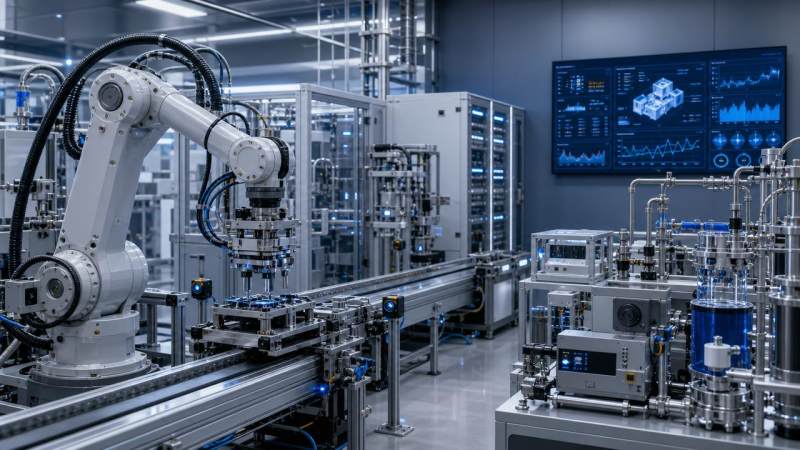
For project leaders under pressure to deliver uptime, compliance, and measurable ROI, Industrial & Manufacturing automation solutions should do more than reduce labor costs.
They must eliminate hidden bottlenecks, stabilize performance, and support reliable operations in complex, regulated environments.
This matters across modern industry, especially where technical failure creates regulatory, clinical, or financial consequences.
In healthcare-related production and laboratory infrastructure, downtime can delay diagnostics, interrupt validation, and weaken trust in system performance.
That is why Industrial & Manufacturing automation solutions are increasingly evaluated by resilience, traceability, and engineering evidence, not labor savings alone.
What Industrial & Manufacturing automation solutions should actually solve
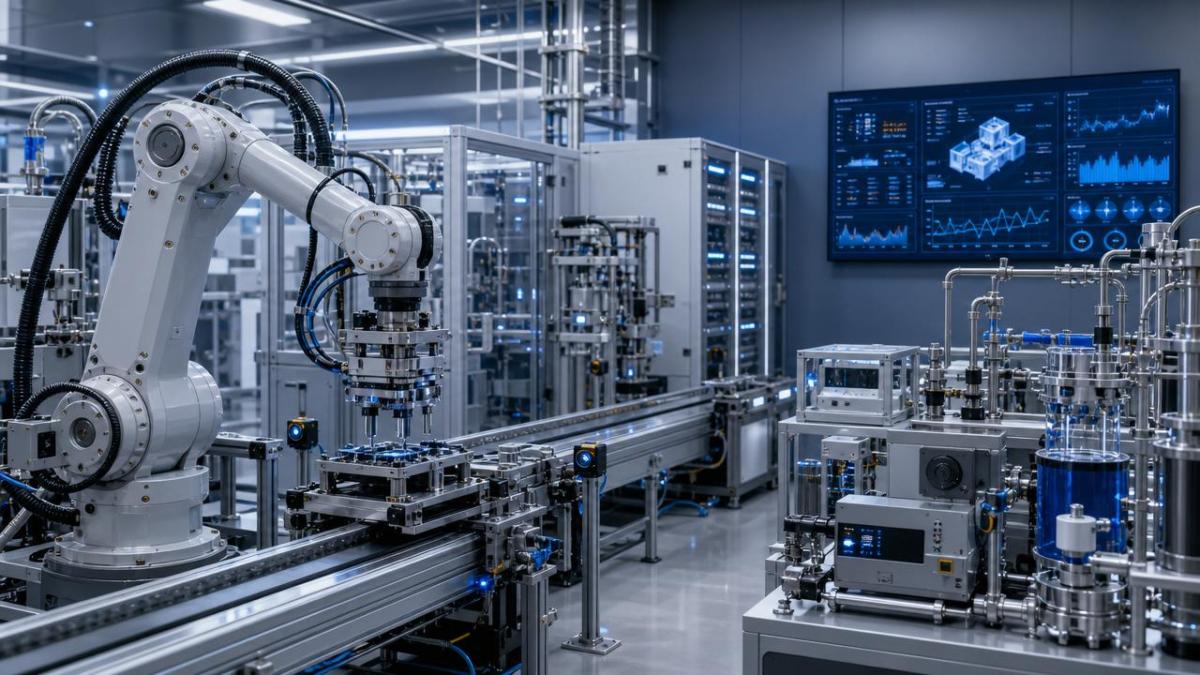
At their best, Industrial & Manufacturing automation solutions reduce variation before it becomes visible downtime.
They connect machines, sensors, software, and workflows into a controlled operating system.
The objective is not simply fewer operators on the line.
The objective is faster fault detection, repeatable quality, and predictable asset behavior.
In regulated sectors, the definition expands further.
Automation must support documentation, validation, and audit readiness while maintaining throughput.
This is where independent benchmarking becomes important.
VitalSync Metrics focuses on engineering truth by translating technical performance into standardized evidence.
That approach helps teams judge whether Industrial & Manufacturing automation solutions can withstand real operating stress.
Core capabilities that matter
- Continuous condition monitoring across critical equipment
- Automated alerts tied to root-cause indicators
- Closed-loop control for stable output quality
- Traceable data streams for compliance and validation
- Interoperability with MES, SCADA, ERP, and laboratory systems
Current operating pressures across industry
Industrial environments now face a difficult combination of tighter compliance, aging assets, and higher uptime expectations.
The challenge is sharper in medical technology, diagnostics, and life sciences support operations.
Small disruptions can trigger downstream delays in testing, packaging, sterilization, or release workflows.
As systems become more digital, failure also becomes more distributed.
A stoppage may originate in firmware, calibration drift, environmental instability, or data handoff issues.
These conditions explain why Industrial & Manufacturing automation solutions are now linked to business continuity and technical assurance.
How automation cuts downtime at the source
Downtime rarely begins with a dramatic breakdown.
More often, it starts as vibration shift, thermal instability, contamination risk, communication lag, or repeat micro-stoppages.
Industrial & Manufacturing automation solutions reduce these failures through earlier visibility and faster intervention.
Key mechanisms
- Sensor networks reveal deviation before output quality fails.
- Analytics rank alerts by severity and probable cause.
- Control systems adjust parameters automatically within approved limits.
- Digital records shorten troubleshooting and support corrective action review.
This is especially valuable where environmental conditions influence precision.
For example, laboratory support systems can suffer performance loss from humidity drift or unstable power conditions.
In those cases, automation protects both equipment availability and downstream data integrity.
When validated with independent benchmarking, the benefits become easier to compare across vendors and sites.
Business value beyond labor reduction
The strongest case for Industrial & Manufacturing automation solutions is operational confidence.
Labor savings may appear quickly, but downtime prevention creates broader and longer-term returns.
That includes fewer batch interruptions, lower scrap rates, and more stable service windows.
It also improves planning accuracy because output becomes less sensitive to avoidable disruption.
- Higher asset utilization through fewer unscheduled stops
- Stronger compliance posture through complete data trails
- Better quality consistency across shifts, lots, and facilities
- Faster CAPA cycles because evidence is available earlier
- Improved supplier evaluation through measurable performance data
For organizations influenced by MDR, IVDR, or strict validation protocols, those outcomes are not optional.
They shape approval speed, reputation, and lifecycle reliability.
That is why Industrial & Manufacturing automation solutions should be judged against engineering evidence, not feature lists alone.
Typical environments where reliability gains are most visible
Some operating environments gain immediate value because the cost of interruption is unusually high.
Across these settings, Industrial & Manufacturing automation solutions support uptime by making variation measurable and manageable.
Practical evaluation and implementation considerations
Automation investments fail when deployment starts with technology selection instead of failure mapping.
A practical approach begins by identifying where downtime originates, how often it occurs, and what evidence currently exists.
Useful implementation steps
- Rank critical assets by downtime cost and compliance impact.
- Define measurable baseline metrics before any upgrade.
- Verify sensor accuracy, signal quality, and data integrity.
- Check interoperability with existing controls and documentation systems.
- Require validation-ready reporting for regulated workflows.
- Use third-party benchmarking to compare real performance claims.
This is where a technical benchmarking perspective adds value.
VitalSync Metrics helps convert raw performance variables into clear engineering comparisons.
That supports more reliable decisions around durability, signal quality, material limits, and system consistency.
For Industrial & Manufacturing automation solutions, those details often determine whether uptime gains are real or temporary.
Next-step focus for resilient automation planning
Industrial & Manufacturing automation solutions create the most value when they target the earliest causes of downtime.
That means prioritizing visibility, process stability, and evidence-backed control over simple headcount reduction.
A useful next step is to audit one high-risk process for repeat stoppages, hidden drift, and data blind spots.
Then compare current conditions against automation options with documented technical performance.
In complex industries, resilient operations depend on trustworthy data as much as advanced equipment.
When Industrial & Manufacturing automation solutions are selected through engineering evidence, downtime reduction becomes measurable, sustainable, and easier to defend.
Recommended News
- 2026.10.15Medical Packaging Heat Seal Testing: Seal Strength vs. Seal Integrity TestsDr. Julian Rossi (RehabTech Specialist)
- 2026.10.14Clinic Supplier Comparison: Evaluating Cost, Delivery Reliability, and SupportDr. Alistair Thorne (Senior Biomedical Engineer)
- 2026.10.13Engineering Performance Testing Services: Evaluating Test Methods and AccuracyDr. Alistair Thorne (Senior Biomedical Engineer)
The VitalSync Intelligence Brief
Receive daily deep-dives into MedTech innovations and regulatory shifts.