
Ultrasound machine OEM factory: buy direct or not?
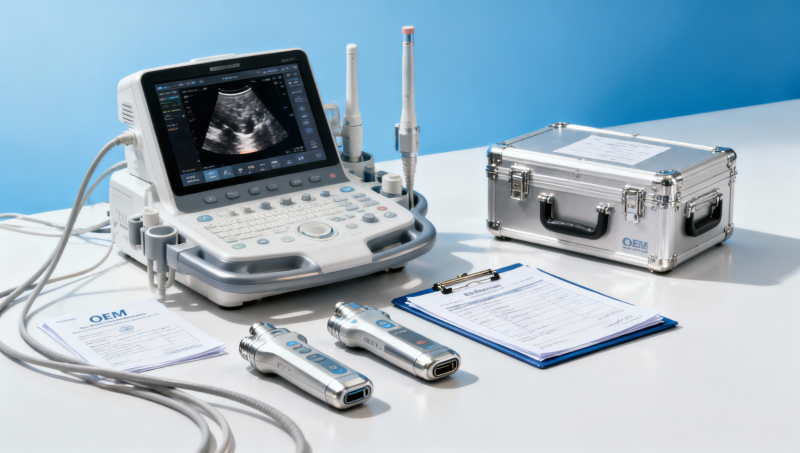
Choosing an ultrasound machine OEM factory sounds simple—until supply chain verification, certification status, software integration, and long-term field reliability become the real decision drivers. For most buyers, the short answer is this: buying direct from an ultrasound machine OEM factory can deliver better pricing, customization, and technical visibility, but only if you have the internal capability to verify quality systems, regulatory readiness, service support, and lifecycle risk. If not, working through a capable distributor or integration partner may reduce operational risk even when the unit price is higher.
In other words, the right choice is not “direct is cheaper” versus “distributor is safer.” It is whether your organization can confidently assess engineering integrity, documentation quality, compliance pathways, and after-sales support before signing a purchase order.
Should you buy direct from an ultrasound machine OEM factory?
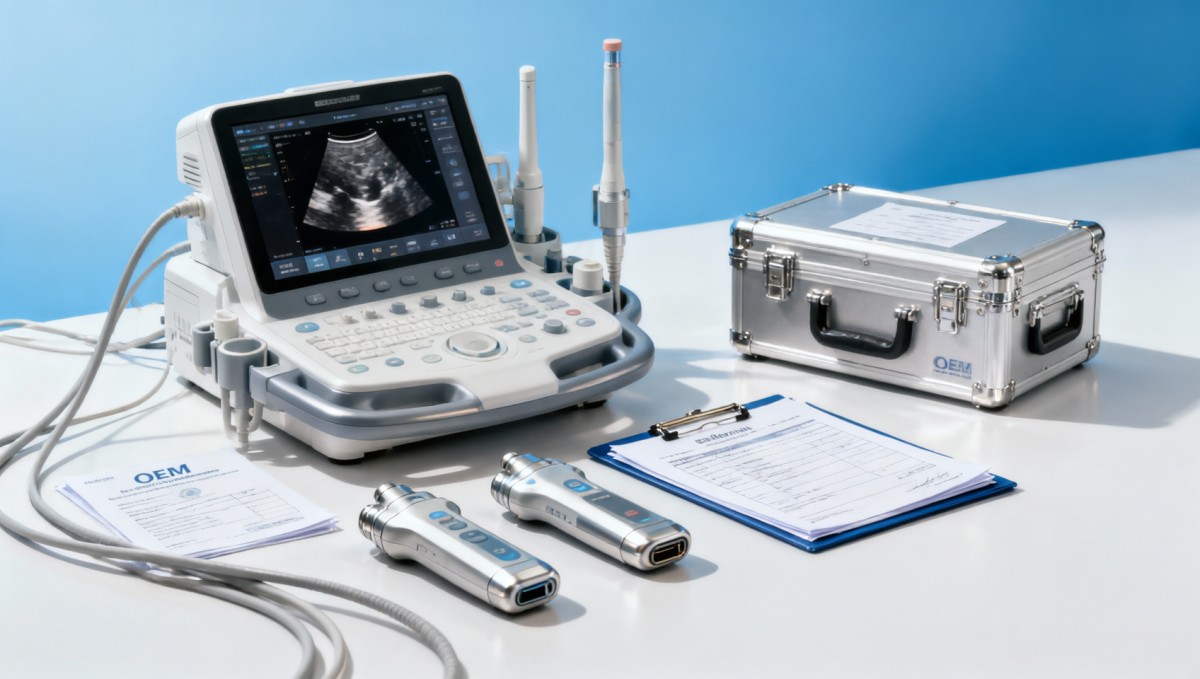
For procurement teams, clinical operators, and healthcare business leaders, the best answer depends on purchase context.
Buy direct from an ultrasound machine OEM factory when:
- You need better cost control for medium or large-volume procurement.
- You require OEM/ODM customization, software localization, branding, or interface integration.
- Your team can audit manufacturing capability, test standards, and regulatory documentation.
- You want direct visibility into bill of materials stability, spare parts planning, and firmware roadmap.
- You are building a long-term sourcing relationship rather than making a one-off purchase.
Do not buy direct—or proceed very carefully—when:
- You lack technical staff to evaluate image quality, probe durability, and system consistency.
- You depend on local service response and clinical application training.
- You need immediate deployment with low implementation burden.
- Your market requires strict registration support, and the factory has limited export compliance experience.
- You are buying a small quantity and have little leverage over support terms.
For many organizations, direct sourcing works best when procurement is treated as a technical verification project, not just a price negotiation exercise.
What do buyers actually risk when they source direct?
The biggest mistake is assuming that an ultrasound system is a standardized product. In reality, two machines with similar brochures may differ significantly in transducer performance, thermal management, software stability, Doppler sensitivity, user workflow, and serviceability.
When sourcing direct from an ultrasound machine OEM factory, buyers should pay close attention to five risk categories:
1. Quality consistency risk
A factory may send an excellent sample unit but fail to maintain the same quality across batches. Probe performance drift, touchscreen failures, connector wear, and inconsistent assembly standards often appear only after deployment.
2. Regulatory and documentation risk
Claims about CE marking, ISO 13485, MDR alignment, or country-specific registration support are common. What matters is whether the technical file, risk management records, labeling, software documentation, and post-market processes are genuinely maintained and audit-ready.
3. Service and spare parts risk
If a probe fails, how quickly can the supplier ship a replacement? Are spare parts stocked? Is remote diagnostics available? Direct pricing loses its appeal fast when downtime disrupts clinical workflow.
4. Integration risk
Modern buyers often need DICOM, PACS compatibility, HIS/RIS interoperability, report export, cloud workflow options, and cybersecurity discipline. Direct purchase is less attractive if the OEM factory cannot support real-world digital integration.
5. Lifecycle risk
An ultrasound machine is not only an upfront purchase. Buyers need to understand expected service life, software update policy, probe replacement economics, consumables dependency, and model continuity. A low initial quote may hide a costly lifecycle.
How do you evaluate an ultrasound machine OEM factory beyond the sales brochure?
Serious evaluation should combine commercial review, technical review, and operational review.
Factory assessment checklist
- Quality system: Verify ISO 13485 certification, internal QA procedures, incoming inspection, traceability, CAPA handling, and change control.
- Regulatory readiness: Request evidence of market registrations, declaration documents, product testing reports, and labeling compliance support.
- Engineering depth: Ask whether imaging engine design, probe design, software stack, and motherboard control are truly in-house or heavily outsourced.
- Production capability: Review annual output, test stations, burn-in protocols, calibration procedures, and failure analysis workflow.
- Supply chain stability: Confirm key component sourcing, second-source strategy, lead-time resilience, and end-of-life component management.
- After-sales structure: Check training resources, remote troubleshooting process, spare parts stock, and escalation routes.
- Customization control: Clarify what can actually be customized without affecting compliance, reliability, or delivery schedule.
Ask for more than certificates. Ask for process evidence. A reliable ultrasound machine OEM factory should be able to explain how it controls image consistency, probe reliability, electrical safety, software versions, and outgoing inspection criteria.
Direct factory vs distributor: which creates more value for each buyer type?
Different stakeholders define “best value” differently.
For information researchers
The priority is comparability. Direct factory sourcing gives deeper access to technical answers, but distributor channels may provide easier benchmarking across multiple brands. If you are still mapping the market, distributors can accelerate initial screening. Once the shortlist is clear, direct factory engagement becomes more useful.
For operators and end users
Ease of use, image consistency, workflow speed, and training matter more than abstract sourcing strategy. Operators should test boot time, preset logic, probe handling comfort, report workflow, and image optimization behavior. A factory-direct deal is only valuable if user training and support are strong enough.
For procurement teams
Procurement cares about total cost, warranty clarity, documentation completeness, lead time, and vendor accountability. Buying direct can improve margins and negotiation power, especially for recurring orders. But if supplier management resources are limited, a strong distributor may reduce hidden costs.
For business decision-makers
The decision should center on total cost of ownership, implementation risk, speed to market, and long-term strategic flexibility. If ultrasound sourcing is part of a broader healthcare equipment platform, direct OEM relationships can create better control over roadmap and margin. If the purchase is tactical and local support is critical, channel sourcing may be more practical.
What questions should you ask before signing with an ultrasound machine OEM factory?
- Which core components are manufactured in-house, and which are outsourced?
- What are the standard incoming, in-process, and final test procedures?
- Can you provide batch traceability and serial-level service history tracking?
- What is the probe failure rate over 12 to 24 months in the field?
- How do you manage software updates, bug fixes, and rollback control?
- Which certifications and registrations are already active for target markets?
- What documentation is included for importation, registration, and tender submission?
- What are the warranty terms for the main unit, probes, accessories, and software?
- What spare parts are stocked, and what are normal replenishment lead times?
- Can the system integrate with DICOM, PACS, worklist, or hospital IT environments?
- How is customer training delivered for clinicians, sonographers, and technicians?
- What happens if a key component becomes unavailable during the product lifecycle?
These questions quickly separate factories with real manufacturing discipline from those that mainly assemble and market.
How should buyers compare price without falling into the cheapest-option trap?
When evaluating whether to buy direct, price should be interpreted as total delivered value, not just ex-factory quotation.
Build your comparison using the following cost factors:
- Unit price
- Shipping, duties, and customs handling
- Registration and localization costs
- Installation and training
- Warranty coverage scope
- Expected service visits and downtime cost
- Spare probe and replacement part pricing
- Software licensing or upgrade fees
- Integration cost with hospital systems
- Risk cost from delays, rework, or noncompliance
A higher-priced supplier can still be the lower-cost option over three to five years if support quality, uptime, and documentation are better.
When is direct OEM sourcing the smartest move?
Direct sourcing is usually the strongest option in these scenarios:
- You are a distributor building a private-label or exclusive product line.
- You are a healthcare group standardizing procurement across multiple sites.
- You need tailored configurations for specific specialties or market segments.
- You have technical and regulatory staff able to audit supplier claims.
- You want strategic supply chain visibility and stronger margin control.
It is less suitable when procurement volume is low, field support must be immediate and local, or the buying team cannot independently validate technical and compliance claims.
Final verdict: buy direct or not?
Yes—buying direct from an ultrasound machine OEM factory can be the right decision, but only when your organization is prepared to verify the factory like a technical partner, not just a low-cost vendor. The real advantage of direct sourcing is not simply lower price. It is better control over product specification, quality transparency, customization, and long-term supply strategy.
If your team can assess manufacturing discipline, compliance readiness, software integration, and lifecycle support, direct procurement may create significant business value. If not, a trustworthy distributor or regional partner may deliver lower operational risk and faster real-world success.
The most effective procurement teams do not ask, “Can we buy direct?” They ask, “Can we verify this ultrasound machine OEM factory well enough to own the risk?” That question leads to better sourcing decisions—and better outcomes for clinical operations, budgets, and long-term reliability.
Recommended News
- 2026.04.17Hospital equipment standards shaping modern rehab devicesSarah Jenkins (Laboratory Infrastructure Consultant)
- 2026.04.17Laboratory equipment validation errors in sample storageDr. Hideo Tanaka (Imaging Systems Analyst)
- 2026.04.17Medical equipment certification delays in remote monitoringLydia Vancini (Regulatory Compliance Lead)
The VitalSync Intelligence Brief
Receive daily deep-dives into MedTech innovations and regulatory shifts.