
Foldable screen technology still has one durability problem
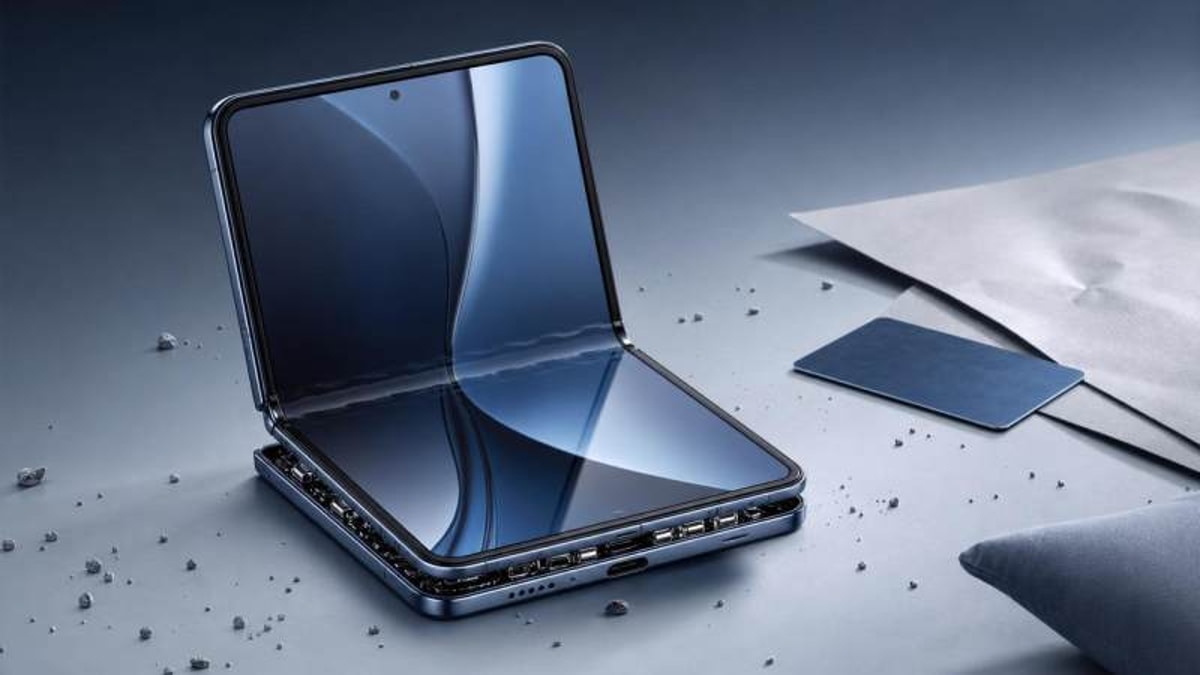
Foldable screen technology for mobile devices has transformed the smartphone experience, but one critical durability issue still concerns everyday users: long-term screen resilience. As brands race to deliver thinner, more flexible designs, consumers are left wondering whether innovation can truly withstand daily folding, pressure, and wear. Understanding this weakness is essential before deciding if foldable devices are ready for mainstream trust.
Why does Foldable screen technology for mobile devices still struggle with durability?
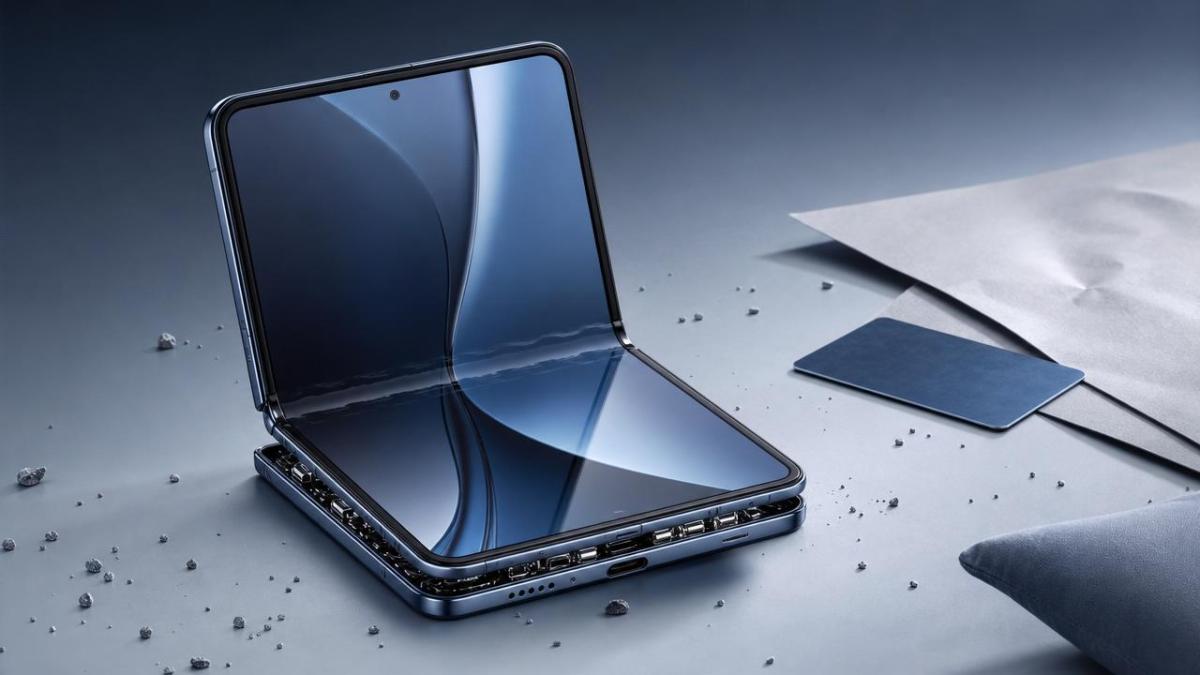
The promise of a foldable phone is simple: a larger display in a smaller footprint. The engineering challenge is far less simple. Foldable screen technology for mobile devices depends on ultra-thin flexible layers, specialized hinges, soft protective surfaces, and adhesive systems that must survive thousands of bending cycles. Even when a product looks polished in advertising, its long-term reliability is influenced by stress concentration at the crease, repeated micro-deformation, heat exposure, and contamination from dust or particles.
For end consumers, the real issue is not whether a foldable device can fold on day one. It is whether the display still feels trustworthy after months of pocket pressure, frequent opening, accidental pressing, temperature swings, and normal travel use. The remaining durability problem is the screen’s ability to maintain optical quality and touch consistency around the folding zone over time.
This is where a data-driven viewpoint matters. VitalSync Metrics (VSM), known for benchmarking technical integrity and long-term reliability in healthcare and life sciences supply chains, offers a useful lens for consumers as well. The same engineering logic used to assess fatigue limits in medical components can help decode consumer electronics claims. Marketing says “tested for many folds.” Engineering asks what happened to surface hardness, crease growth, touch signal stability, and failure risk under realistic conditions.
- A foldable display is not a single sheet. It is a stack of layers with different mechanical behavior.
- The hinge does not solve everything. It only distributes part of the bending stress.
- The visible crease is often a cosmetic symptom of a deeper fatigue challenge.
- Daily user pressure, fingernail contact, and debris can accelerate wear in ways lab counts alone may not reflect.
What is the one durability problem users should watch most closely?
Among many concerns, the biggest unresolved weakness in Foldable screen technology for mobile devices is fatigue and surface vulnerability at the fold region. Traditional flat smartphone glass resists indentation and point pressure relatively well. Foldable panels rely on flexible cover layers that are inherently more delicate. Even when manufacturers use advanced ultra-thin glass combined with polymer protection, the central bending zone remains the most mechanically stressed area of the device.
This problem appears in several ways. A consumer may first notice a deepening crease, slight rippling under direct light, reduced smoothness when swiping, or subtle marks after normal use. In more serious cases, there can be touch irregularities, dead pixels near the bend, lifting in the protective top layer, or changes in panel uniformity. None of these outcomes happen to every device, but they remain the key durability risk that separates foldables from mature slab phones.
Why the folding zone fails earlier than the rest of the screen
Repeated bending creates cyclical mechanical strain. Materials do not need one dramatic impact to fail; they can gradually degrade through fatigue. In engineering terms, each open-close cycle contributes a small amount of structural stress. If the design margin is tight, microscopic defects can grow over time. The risk increases when the device is folded under pressure, exposed to grit, or used in cold environments where some materials become less forgiving.
- The center crease experiences the highest bending repetition.
- Flexible cover layers can be more prone to scratches than conventional hardened glass.
- Adhesive interfaces may age differently from the display substrate beneath them.
- Tiny particles can create pressure points when the device is closed.
How does Foldable screen technology for mobile devices compare with standard smartphones?
For buyers deciding between a foldable and a conventional premium phone, it helps to compare not only features but also durability logic. The table below summarizes where Foldable screen technology for mobile devices offers value and where it still asks consumers to accept trade-offs.
The trade-off is clear. Foldables deliver a unique user experience, but they still ask consumers to tolerate a screen system with a narrower durability margin. If your buying decision prioritizes productivity and novelty, the compromise may be acceptable. If your priority is maximum longevity with minimum care, standard flagship phones still hold the advantage.
Which daily-use scenarios put the most stress on foldable displays?
Not all owners use their devices the same way. The durability of Foldable screen technology for mobile devices depends heavily on usage patterns. A buyer who mostly opens the phone a few times a day indoors creates a different risk profile from someone who commutes, travels, puts the device in tight pockets, and frequently uses it outdoors.
High-risk consumer scenarios
- Frequent open-close behavior during work, messaging, maps, and camera use increases cumulative fatigue cycles.
- Carrying the phone in a crowded bag with keys, cosmetics, or particles raises the chance of surface pressure and contamination.
- Using the inner screen with long nails, sharp accessories, or heavy tapping can create local indentation stress.
- Cold weather may reduce material flexibility, making the fold area less tolerant during abrupt opening.
- Closing the device on trapped dust can generate a concentrated load exactly where the screen is most sensitive.
These practical scenarios matter more than headline fold counts. Consumers often hear that a device survived a large number of laboratory cycles, but real life introduces pressure angle variation, accidental force, heat, humidity, debris, and inconsistent handling. VSM’s benchmarking mindset is useful here: reliability is not one number; it is performance under realistic variability.
What should consumers evaluate before buying a foldable phone?
A smart purchase is not based only on the launch event or camera features. Before choosing Foldable screen technology for mobile devices, consumers should assess how the device is designed, supported, and serviced. The following table provides a practical selection framework for non-technical buyers.
This type of checklist reflects the same disciplined evaluation used in regulated technical sectors. VSM’s strength lies in translating engineering parameters into decision-ready insight. For consumers, that means moving beyond launch slogans and asking structured questions about wear behavior, supportability, and reliability under repeated use.
A simple pre-purchase checklist
- Handle a display unit under bright light and look at the crease from multiple angles.
- Test touch response directly across the folding zone with slow swipes and typing.
- Ask about screen protection replacement terms and accidental damage support.
- Compare service turnaround with a standard flagship phone before making a final decision.
Are there standards or testing ideas that help make sense of durability claims?
Consumers rarely receive raw engineering data, but they can still interpret durability claims more intelligently. In technical industries, long-term reliability is assessed through repeatability, environmental exposure, material fatigue, and process consistency. While foldable phones are consumer devices, the same logic applies. A claim about fold cycles is more meaningful when paired with information about temperature conditions, particle resistance, touch stability, optical change, and post-test functional performance.
VSM operates in a world shaped by technical verification, MDR/IVDR awareness, and benchmarking discipline. That mindset matters because it teaches buyers to separate a promotional statement from a useful performance indicator. Even outside healthcare, the central lesson is the same: look for evidence structure, not just headline language.
Useful questions to ask when reviewing product claims
- Were folding tests performed only in ideal laboratory conditions, or under varied environmental settings?
- Did the screen maintain touch accuracy and display uniformity after repeated cycles?
- Is there guidance about dust exposure, protective film replacement, and pressure sensitivity?
- How transparent is the manufacturer about repair procedures and expected serviceability?
Common misconceptions about Foldable screen technology for mobile devices
“If it survives many folds in testing, it will be fine for everyone.”
Not necessarily. Fold counts are helpful, but they are only one variable. Real users introduce off-axis force, dirt, temperature shifts, accidental pressing, and storage pressure. Durability depends on the interaction of design, materials, and behavior.
“The crease is only cosmetic.”
Sometimes it is mainly cosmetic, but the crease is also the most mechanically stressed region. A more visible crease does not automatically mean failure, yet it can indicate where fatigue effects are concentrating. Consumers should monitor changes over time rather than dismiss them entirely.
“Foldable screens are just as tough as standard glass now.”
They have improved, but they are not equivalent in daily abuse tolerance. The need to bend creates unavoidable trade-offs in hardness, layer structure, and long-term stress distribution. That is why care instructions for foldables are often stricter than for slab phones.
FAQ: how should buyers think about long-term value?
Is Foldable screen technology for mobile devices ready for mainstream consumers?
Yes, for many users it is ready enough, but not universally ideal. Buyers who value large-screen productivity, media viewing, and compact storage may find the trade-off worthwhile. Buyers who want maximum toughness, simple ownership, and lower anxiety about wear may still prefer a conventional flagship device.
What is the safest usage habit for a foldable phone?
Keep the inner screen free of particles, avoid pressing the fold region with sharp force, follow manufacturer rules for protective layers, and avoid abrupt opening in very cold conditions. Good handling does not eliminate risk, but it reduces stress amplification.
Should budget-conscious consumers buy a foldable now?
Only if the form factor solves a real need. If budget is limited, remember that ownership cost includes possible screen care, accessory compatibility, and repair considerations. A foldable should be bought for function and preference, not just novelty.
What matters more than the advertised fold count?
Consistency of screen behavior after use matters more. Look for stable touch response, manageable crease visibility, clear service support, and realistic care guidance. Numbers without context do not tell the full durability story.
Why choose us when evaluating emerging device durability?
VitalSync Metrics (VSM) brings a rare perspective to technology evaluation: engineering-first analysis shaped by the demands of healthcare, life sciences, and regulated procurement logic. That means less noise, more structured judgment. When consumers and decision-makers want to understand whether Foldable screen technology for mobile devices is genuinely reliable, the most useful approach is not hype or dismissal. It is disciplined benchmarking.
You can consult VSM for practical, evidence-oriented support around technical interpretation and selection logic, including:
- Parameter clarification, such as what fold-cycle claims and material descriptions really imply in use.
- Product selection guidance for comparing foldables against conventional devices based on risk tolerance and usage habits.
- Delivery and service evaluation questions to ask before purchase, especially if after-sales support quality differs by region.
- Custom benchmarking perspectives for organizations, reviewers, or technical buyers needing clearer evaluation criteria.
- Standards-oriented discussion that helps separate promotional language from measurable reliability factors.
If you are weighing a foldable purchase, planning a product comparison, or need help interpreting durability claims before asking for a quote or sample review, contact VSM for a more rigorous evaluation framework. Better buying decisions start with better technical questions.
Recommended News
- 2026.05.04TÜV Rheinland Updates ISO 13485:2026 Audit Rules for AI Medical DevicesDr. Julian Rossi (RehabTech Specialist)
- 2026.05.04THE Alliance Raises Far East–North Europe Bio-Sample Cold Box RatesDr. Hideo Tanaka (Imaging Systems Analyst)
- 2026.05.041071 New National Standards Take Effect May 2026, Centrifugation Tech Vibration/Noise Limits Now MandatoryDr. Hideo Tanaka (Imaging Systems Analyst)
The VitalSync Intelligence Brief
Receive daily deep-dives into MedTech innovations and regulatory shifts.