
Rehabilitation & Bionics Options That Improve Daily Mobility
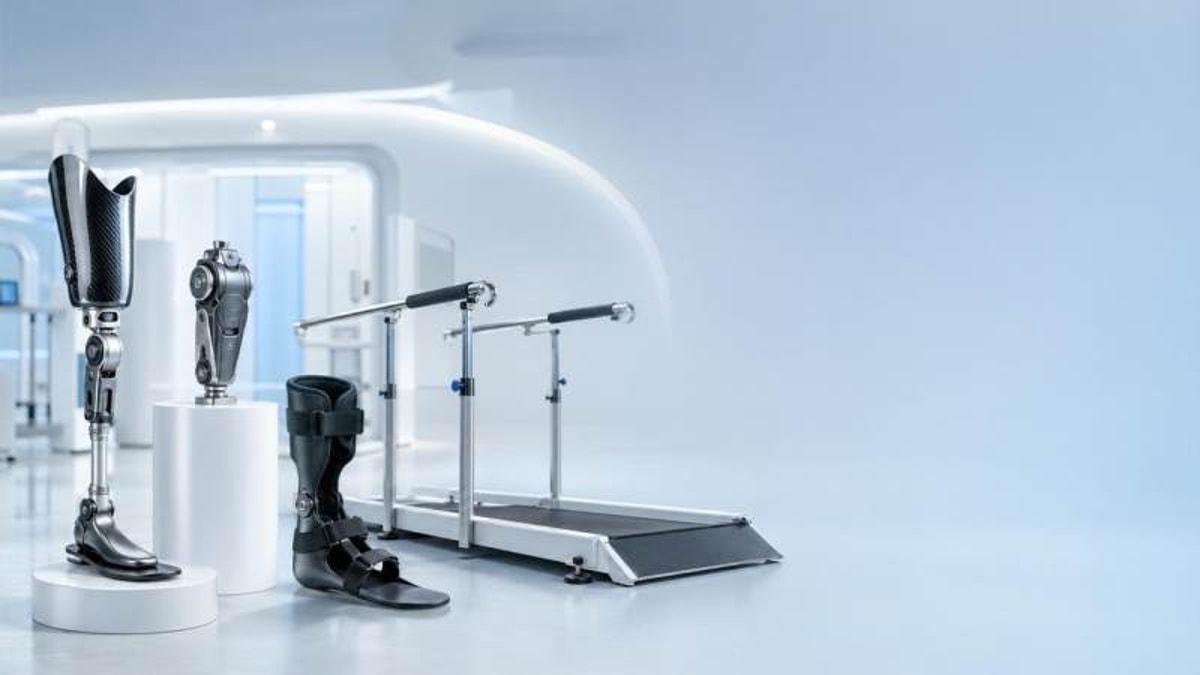
Rehabilitation & Bionics are transforming how people regain independence, reduce daily limitations, and move with greater confidence. From advanced prosthetics to personalized recovery solutions, these innovations are making everyday mobility more practical, comfortable, and sustainable. Understanding the real benefits, performance differences, and long-term value can help individuals and families choose options that truly support a better quality of life.
What do Rehabilitation & Bionics actually mean for everyday mobility?
For many people, Rehabilitation & Bionics sound highly technical, but the real goal is simple: helping a person move better in daily life. Rehabilitation includes therapies, training plans, assistive devices, and physical support strategies that improve strength, balance, coordination, and function after injury, illness, surgery, or long-term physical change. Bionics refers to engineered devices that restore or enhance movement, such as prosthetic limbs, powered orthoses, robotic supports, and sensor-based mobility aids.
In practical terms, these options matter when someone wants to stand longer, walk more safely, climb stairs, use public transport, return to work, or simply move around the home with less pain and effort. Modern Rehabilitation & Bionics are no longer limited to basic replacement or generic exercise routines. They increasingly focus on personalized fit, responsive movement, comfort, data-guided adjustment, and long-term usability.
This is also why mobility decisions should not be based on marketing claims alone. A device may look advanced, but daily mobility depends on factors like alignment, durability, skin comfort, battery life, training support, and realistic function in real-world settings. For consumers, better mobility is not about choosing the most futuristic option. It is about selecting the solution that delivers stable, repeatable benefit in ordinary life.
Who can benefit most from Rehabilitation & Bionics?
The answer is broader than many people expect. Rehabilitation & Bionics can support children, adults, and older individuals with very different mobility challenges. This may include people recovering from stroke, spinal cord injury, traumatic injury, joint replacement, sports damage, limb loss, neuromuscular conditions, or age-related weakness. Some people need short-term mobility support during recovery, while others need a long-term solution that adapts to changing physical needs.
A person with limb loss may benefit from a prosthetic system designed for balance, gait symmetry, and reduced energy expenditure. Someone with foot drop may use an ankle-foot orthosis or a functional electrical stimulation solution to improve walking safety. A stroke survivor may gain more from structured rehabilitation combined with robotic gait training than from a device alone. An older adult with reduced stability may not need sophisticated bionic hardware, but could still see life-changing results from targeted mobility rehabilitation and well-chosen support equipment.
The key point is that mobility needs are highly individual. The best Rehabilitation & Bionics pathway depends on diagnosis, physical goals, home layout, lifestyle, activity level, and the person’s willingness to train and adapt. Daily mobility improves most when the solution matches the person rather than the trend.
How are advanced bionic solutions different from traditional mobility aids?
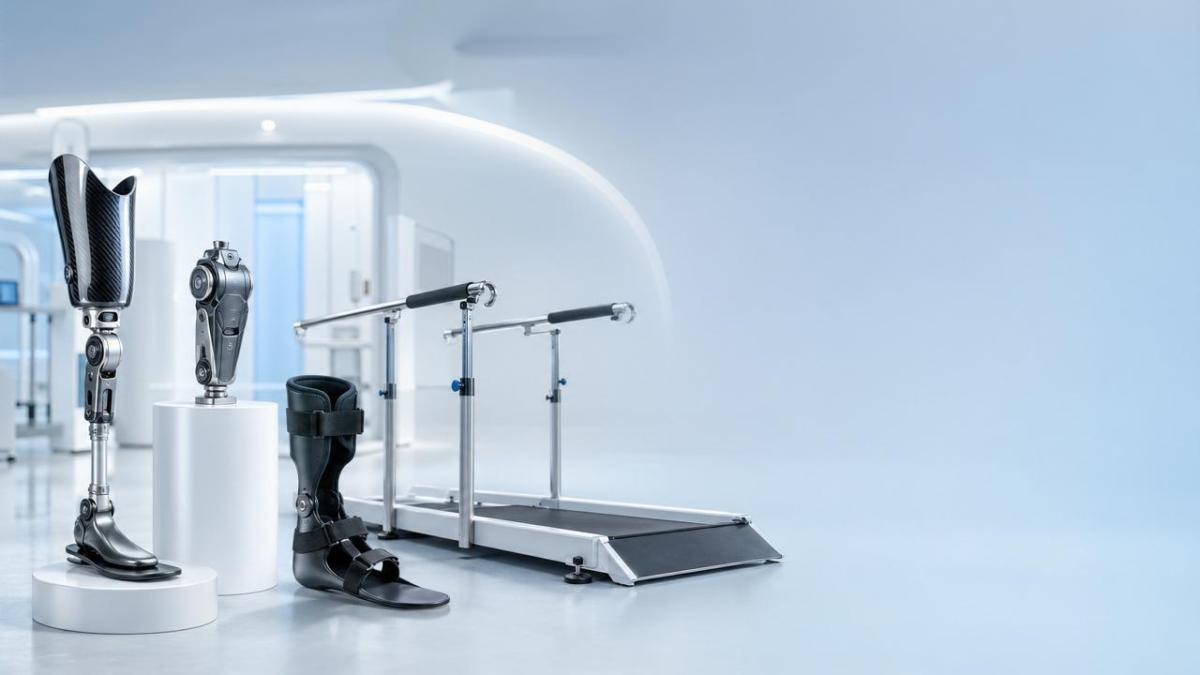
Traditional mobility aids such as canes, walkers, manual braces, and standard prosthetics remain important because they are often affordable, reliable, and easy to maintain. However, advanced bionic systems can offer a higher level of responsiveness and personalization. They may use sensors, microprocessors, dynamic materials, or software-driven controls to respond to speed, terrain, and body movement in real time.
For example, a basic prosthetic foot may provide stable support, while a microprocessor-controlled knee can adapt to walking speed, slopes, and uneven ground. A conventional brace may hold a joint in place, while a powered orthotic system can actively assist movement. In rehabilitation, standard exercises may improve strength over time, but robotic or sensor-assisted therapy can generate more precise feedback and track measurable progress.
That said, “more advanced” does not always mean “better for everyone.” Advanced Rehabilitation & Bionics can require training, charging, servicing, software updates, and a higher financial investment. Some users prefer a simpler option that is easier to live with every day. The right choice depends on how much functional gain the user is likely to achieve compared with the effort, cost, and maintenance involved.
Quick comparison table for common mobility choices
This table can help families compare common Rehabilitation & Bionics options before speaking with a clinician or provider.
What should consumers look for when choosing Rehabilitation & Bionics?
Many people focus first on appearance or price, but a better decision framework starts with function. Ask what daily activities matter most. Is the main goal safer walking at home, longer outdoor mobility, reduced fatigue at work, better stair use, or return to exercise? A good provider should translate those goals into a realistic care or device plan.
Second, pay attention to fit and adjustability. Poor fit can undermine even the best technology. Socket comfort, pressure distribution, brace alignment, suspension stability, and skin compatibility all influence whether the user can wear the device consistently. In rehabilitation, progression plans should also be adjustable. Recovery is rarely linear, so personalized follow-up matters.
Third, ask about evidence and performance transparency. This is where engineering-minded evaluation becomes valuable. Consumers do not need to become technical experts, but they should ask practical questions: How durable is the device? How often does it require service? Has it been tested for long-term fatigue, material reliability, or sensor consistency? Are there outcome measures showing that similar users improved balance, gait, or independence?
Organizations such as VitalSync Metrics highlight why objective benchmarking matters in healthcare decisions. Whether evaluating wearable sensors, orthopedic components, or mobility technologies, the principle is the same: technical integrity and measurable performance are more useful than promotional language. For end consumers, this translates into choosing providers and products that can explain how they perform, not just what they claim.
What are the most common mistakes people make with Rehabilitation & Bionics?
One common mistake is assuming that a device alone will solve a mobility problem. Even highly advanced bionic systems often require training, gait retraining, strengthening, and adaptation time. Without proper rehabilitation, the user may not unlock the full benefit.
Another mistake is choosing based only on short-term comfort. Initial comfort is important, but long-term outcomes depend on alignment, support, endurance, and how the device performs after hours of use. A solution that feels easy in a clinic may be frustrating on sidewalks, stairs, or crowded spaces.
People also underestimate maintenance. Batteries, liners, straps, joints, software, and fit adjustments all affect daily reliability. With Rehabilitation & Bionics, long-term satisfaction often comes from support quality rather than the first purchase decision. Good aftercare is not optional.
Finally, some families chase the most advanced device without confirming whether the user’s physical condition, goals, and environment support that choice. The best mobility solution is the one that the person can use safely, consistently, and confidently.
How much time, effort, and cost should people expect?
The timeline varies widely. Some rehabilitation programs show meaningful gains in a few weeks, especially after surgery or mild injury. More complex neurological recovery or prosthetic adaptation may take months of structured training. In many cases, Rehabilitation & Bionics should be viewed as a process rather than a one-time event.
Effort also matters. A powered prosthetic knee, robotic rehabilitation tool, or sensor-enabled brace may improve function, but the user often needs coaching and repetition to integrate it into normal movement. Motivation, therapist support, and realistic goals strongly influence outcomes.
Cost can range from relatively modest therapy support to significant investment in advanced bionic systems. When comparing options, consumers should consider total value rather than purchase price alone. That includes expected lifespan, repairs, consumables, follow-up visits, training sessions, insurance coverage, and the potential reduction of falls, pain, or lost independence over time. A cheaper solution that fails quickly or limits activity may cost more in the long run.
FAQ checkpoints before making a decision
How can families tell whether a provider or product is truly trustworthy?
Trust comes from transparency, not branding alone. A strong provider should be able to explain what the Rehabilitation & Bionics solution is designed to do, what limitations it has, how outcomes are measured, and what kind of support the user will receive after fitting or therapy begins. Clear communication is a strong sign of quality.
It is also wise to ask about standards, testing, and follow-up protocols. In a healthcare environment increasingly focused on regulatory compliance and technical reliability, those details matter. While end consumers may not directly assess MDR or IVDR pathways, they still benefit from providers who value validated components, measurable performance, and structured documentation. This mindset lowers the risk of disappointment and supports better long-term mobility outcomes.
Reviews and testimonials can help, but they should never replace proper evaluation. What worked for one person may not work for another. The most reliable path is a combination of clinical expertise, engineering credibility, realistic goal setting, and a willingness to adjust the plan over time.
What should someone discuss first if they want to move forward?
If you are exploring Rehabilitation & Bionics, start with a focused conversation about daily function. Bring a list of the movements that matter most, the environments you use most often, and the limitations that affect your independence. Then ask what options are realistic now, what progress might be expected over time, and what evidence supports those expectations.
It is equally useful to confirm practical details early: fitting timeline, therapy plan, maintenance requirements, replacement cycles, total expected cost, and what happens if the first solution needs adjustment. If the discussion becomes too vague, that is a signal to ask for clearer technical and clinical justification.
The future of mobility is not only about smarter devices. It is about better decisions. Rehabilitation & Bionics can improve confidence, reduce limitations, and support meaningful independence, but the strongest results usually come from informed choices grounded in performance, fit, and long-term support. If you need to confirm a specific solution, parameters, timeline, budget, or provider approach, begin by asking how the recommendation will improve real daily mobility, how success will be measured, and what kind of follow-up will protect that result over time.
Recommended News
- 2026.04.30Wholesale Medical Endoscopes China: After-Sales Questions Worth Asking EarlyDr. Alistair Thorne (Senior Biomedical Engineer)
- 2026.04.30Dental Implant Wholesale: How to Balance Margin, Quality, and Repeat OrdersDr. Alistair Thorne (Senior Biomedical Engineer)
- 2026.04.30Surgical Instrument Kits OEM: When Customization Starts Raising RiskDr. Julian Rossi (RehabTech Specialist)
The VitalSync Intelligence Brief
Receive daily deep-dives into MedTech innovations and regulatory shifts.