
Automation projects stall when industrial data is not ready to scale
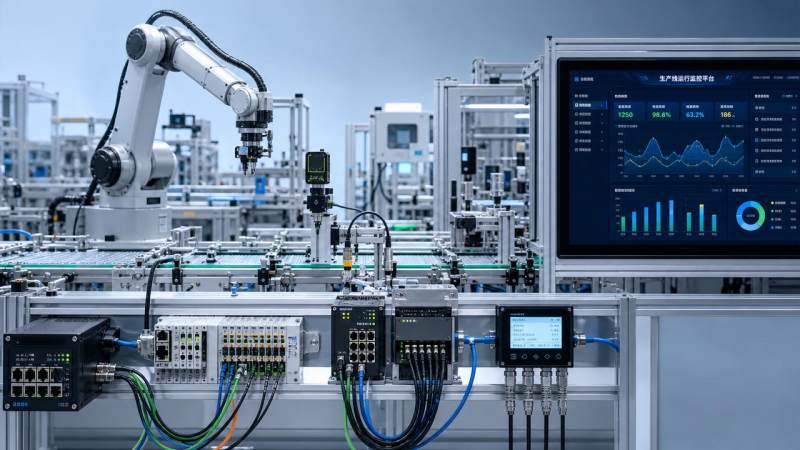
Automation initiatives often lose momentum not because the strategy is flawed, but because the data foundation is too weak to support scale, traceability, and continuous control. In complex operating environments, Industrial & Manufacturing automation solutions depend on far more than machines, dashboards, or software connectors. They depend on whether source data is complete, structured, time-aligned, auditable, and meaningful across engineering, quality, maintenance, and compliance workflows. When that foundation is missing, pilots look promising, yet broader deployment exposes inconsistent tags, disconnected systems, manual overrides, and poor data lineage. For organizations navigating digital transformation in regulated and performance-sensitive sectors, the real constraint is often not automation technology itself, but the readiness of industrial data to operate at production scale.
What data readiness means in Industrial & Manufacturing automation solutions
Data readiness is the condition in which operational information can be trusted, reused, and governed across systems without constant rework. In practice, it includes sensor consistency, naming standards, synchronized timestamps, contextual metadata, revision control, and clear ownership. Many Industrial & Manufacturing automation solutions are designed to optimize throughput, reduce downtime, improve quality, or strengthen compliance. Yet these outcomes become unstable when incoming data is fragmented between PLCs, SCADA platforms, MES layers, laboratory systems, spreadsheets, and supplier files.
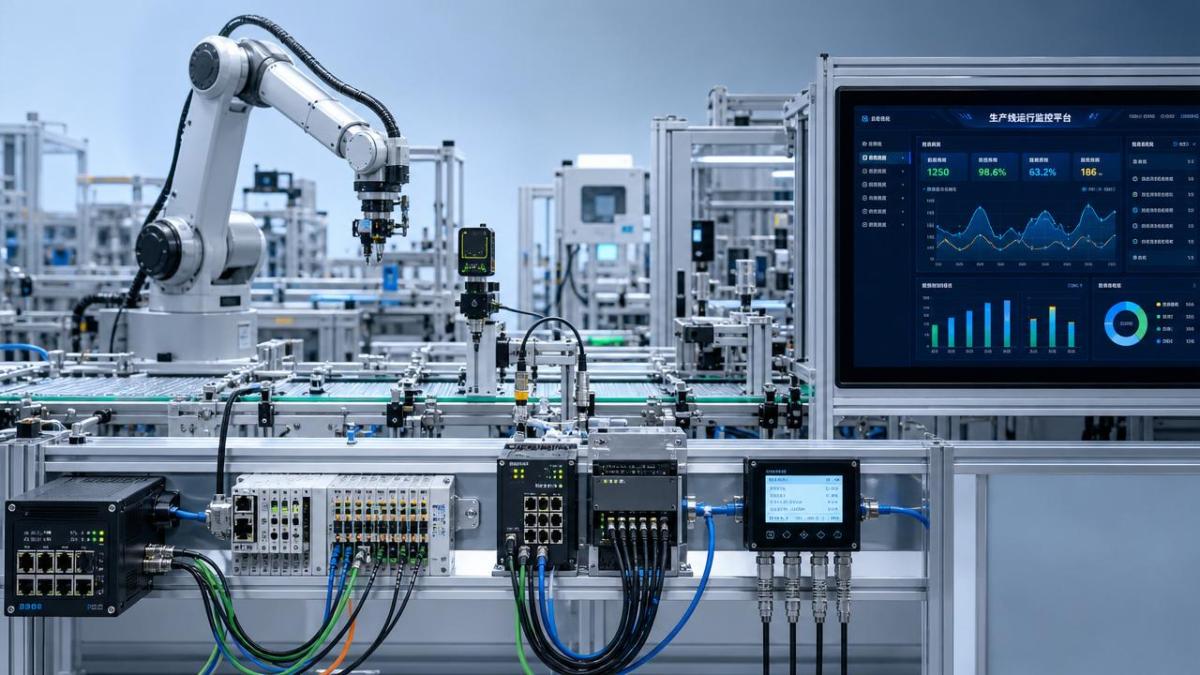
A scalable automation environment requires more than signal capture. It requires context. A temperature reading is only useful when linked to asset identity, calibration status, batch history, environmental conditions, alarm thresholds, and process intent. Without that context, analytics may generate false alerts, digital workflows may trigger the wrong actions, and reporting may fail technical review. This is particularly relevant where engineering evidence, product integrity, and regulatory expectations intersect, as seen across healthcare, life sciences, advanced manufacturing, and connected infrastructure.
VitalSync Metrics (VSM) approaches this issue from an engineering truth perspective. In sectors where performance claims must be verified rather than assumed, industrial data must support benchmarking, comparability, and long-term reliability. That same principle applies to Industrial & Manufacturing automation solutions: if operational data cannot withstand scrutiny, automation cannot mature into a dependable operating model.
Why automation projects stall as systems move from pilot to scale
The most common failure point appears during expansion. A proof of concept often uses limited assets, a narrow process scope, and heavy manual support from technical teams. Once the initiative extends across lines, sites, or suppliers, hidden weaknesses in data structure become visible. Industrial & Manufacturing automation solutions then start absorbing complexity rather than reducing it.
- Inconsistent tag naming prevents cross-site analytics and reusable automation logic.
- Different sampling frequencies distort event reconstruction and trend analysis.
- Manual data entry introduces missing values, version confusion, and approval gaps.
- Legacy equipment exports limited or proprietary data formats.
- No formal data ownership leads to unresolved disputes over accuracy and responsibility.
- Compliance-sensitive records lack traceability from raw signal to business decision.
These gaps create a cascading effect. Predictive maintenance models degrade, exception handling becomes manual, process optimization loses credibility, and executive reporting reflects a delayed or incomplete picture. In highly scrutinized environments, weak data can also slow validation, internal audits, supplier qualification, and documentation readiness. Industrial & Manufacturing automation solutions are therefore only as scalable as the data architecture beneath them.
Current signals shaping industrial data priorities
Across industries, several recurring signals are changing how automation investments are evaluated. The focus is shifting from isolated software capability to operational trust, interoperability, and evidence quality.
These signals explain why Industrial & Manufacturing automation solutions increasingly require data governance planning at the same level of seriousness as controls engineering, cybersecurity, and validation strategy. Automation is no longer judged only by what it can trigger, but by what it can prove.
Business value created by a scalable industrial data foundation
When industrial data is prepared for scale, automation becomes more resilient and economically credible. Instead of spending resources reconciling datasets or chasing exceptions, teams can focus on higher-value process decisions. This creates practical benefits across operational and technical layers.
Operational stability
Reliable data improves alarm quality, event sequencing, root-cause analysis, and maintenance planning. Industrial & Manufacturing automation solutions become less dependent on tribal knowledge and more capable of sustaining performance across shifts, facilities, and equipment generations.
Quality and traceability
Structured records support deviation investigations, process verification, lot genealogy, and controlled change management. In technical environments where material behavior, device performance, or process stability must be documented, traceable data reduces ambiguity and strengthens confidence in outcomes.
Faster integration and lower lifecycle friction
A standardized data layer makes it easier to connect historians, MES platforms, digital twins, CMMS tools, analytics engines, and reporting environments. This reduces custom mapping effort and limits the operational debt that often accumulates after initial deployment.
Better benchmarking and technical comparison
For organizations comparing equipment, process options, suppliers, or site performance, decision-grade data enables more objective evaluation. This aligns closely with the role VSM plays in turning technical parameters into standardized, comparable evidence. Industrial & Manufacturing automation solutions deliver stronger long-term value when they support this kind of objective comparison instead of producing isolated, non-transferable outputs.
Typical scenarios where data readiness determines automation success
Data readiness issues appear differently depending on the use case. The table below highlights representative scenarios where Industrial & Manufacturing automation solutions either accelerate value or stall due to weak information design.
Practical guidance for building automation on data that can scale
A stronger path forward begins with disciplined preparation rather than faster tool selection. Industrial & Manufacturing automation solutions achieve durable results when data engineering, operational context, and governance rules are treated as part of the automation scope from the beginning.
- Map critical decisions first. Identify which automation decisions truly matter, then define the minimum data quality required to support them.
- Standardize naming and context early. Tag structures, unit conventions, asset hierarchies, and event labels should be aligned before broader rollout.
- Separate signal capture from data usability. Collecting more data does not solve missing metadata, poor synchronization, or unclear ownership.
- Build traceability into workflows. Every transformed value, alert, and automated action should be explainable back to its source.
- Validate under real operating conditions. Test automation logic against shift changes, maintenance events, exceptions, and edge cases, not only ideal runs.
- Review data fitness continuously. As assets, software versions, and process recipes change, data assumptions must be rechecked.
This approach is especially relevant where technical assurance matters. In environments influenced by regulatory controls, laboratory workflows, medical technology standards, or documented engineering claims, the reliability of data is inseparable from the reliability of automation itself.
A disciplined next step for sustainable automation
Before expanding any automation roadmap, it is worth conducting a focused readiness review of the industrial data layer. This should examine source quality, metadata completeness, system interfaces, traceability paths, KPI definitions, and governance ownership. Such a review often reveals whether current Industrial & Manufacturing automation solutions are ready for scale or still dependent on manual correction behind the scenes.
A practical next move is to choose one high-impact workflow and test it end to end: from sensor or machine output, to contextual enrichment, to decision logic, to audit-ready reporting. If any part of that chain cannot be trusted, scaling should pause until the data foundation is corrected. That discipline protects investment, improves interoperability, and creates a more credible path toward automation that delivers measurable operational and technical value over time.
In the long run, the organizations that benefit most from Industrial & Manufacturing automation solutions are not those that automate first, but those that make industrial data usable, provable, and repeatable before complexity multiplies.
Recommended News
- 2026.05.09GMEA Unveils First Green Certifications for Methanol Fuel CellsDr. Hideo Tanaka (Imaging Systems Analyst)
- 2026.05.09IEC Publishes IEC 60601-2-57:2026 for Ultrasound MetricsLydia Vancini (Regulatory Compliance Lead)
- 2026.05.09CMEF Shenzhen 2026 Closes with $1.27B Robotics DealsDr. Alistair Thorne (Senior Biomedical Engineer)
The VitalSync Intelligence Brief
Receive daily deep-dives into MedTech innovations and regulatory shifts.