 Get Insights

Clothing Labels Explained: Materials, Care Symbols, and Durability
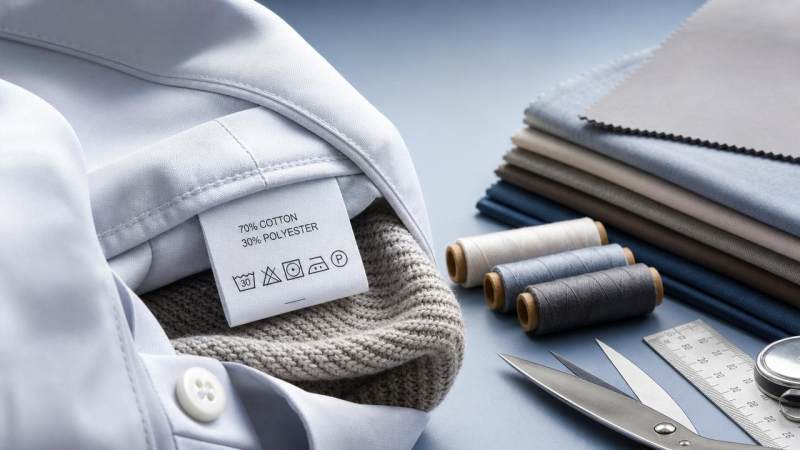
Clothing labels may look like tiny details, but they carry the essential information consumers need to choose, wash, and preserve garments with confidence. From fabric composition and care symbols to durability clues and safety certifications, these labels help you understand how a piece will feel, perform, and last over time. In this guide, we explain what clothing labels mean, how to read common symbols, and why label details matter when comparing quality, comfort, and long-term value.
Why clothing labels matter when you buy, wash, and compare garments
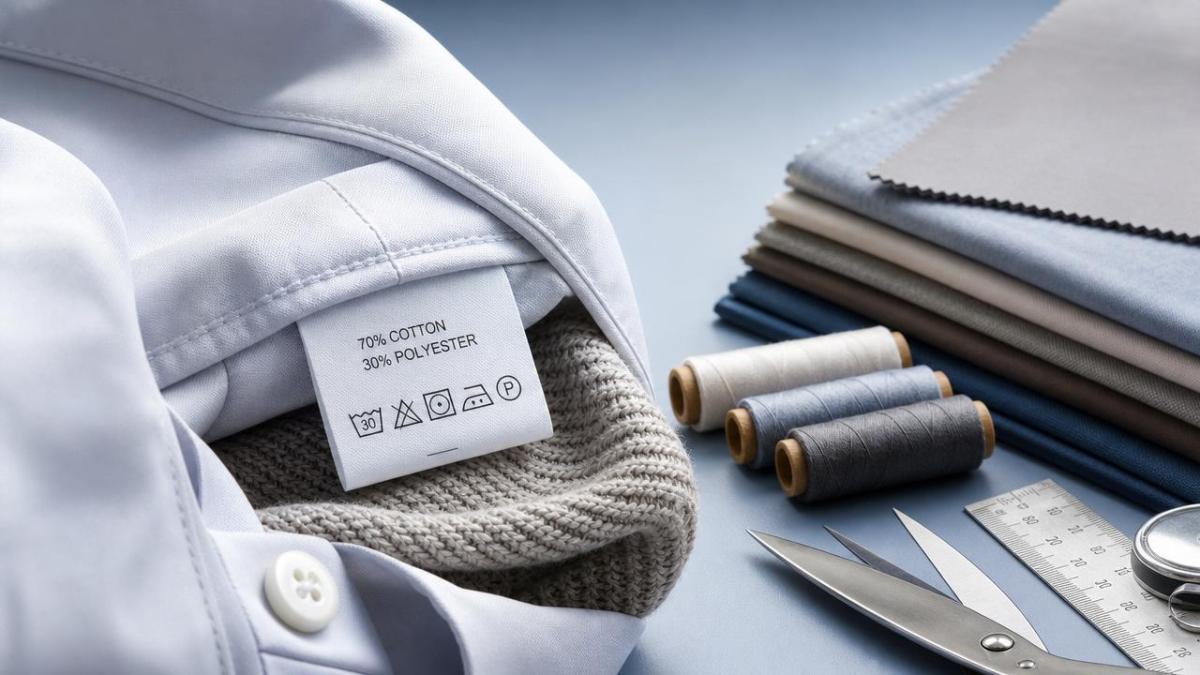
For many consumers, clothing labels are checked only after a garment shrinks, fades, irritates skin, or fails sooner than expected. That is too late.
A label is a compact decision tool. It connects material choice, care method, comfort expectations, safety information, and durability signals in one place.
This matters across everyday apparel, uniforms, sportswear, baby clothing, medical-adjacent textiles, and workwear. Different use cases require different tolerance for heat, abrasion, moisture, and cleaning chemicals.
The consumer pain points labels help solve
- Unclear quality judgment: clothing labels help you separate marketing language from measurable material and care information.
- Budget pressure: the cheapest garment may cost more if it needs special cleaning or loses shape quickly.
- Sensitive skin concerns: fiber content, chemical certifications, and finishing notes can reduce the risk of discomfort.
- Complex use scenarios: travel, work, exercise, childcare, and healthcare environments demand different washing and durability expectations.
VitalSync Metrics applies a technical benchmarking mindset to complex product decisions. The same discipline used to interpret performance data in healthcare supply chains can help consumers read clothing labels with less guesswork.
What information should you expect on clothing labels?
Most clothing labels combine mandatory consumer information with brand-specific details. The exact format varies by market, product type, and regulation.
A reliable label should make basic decisions easier. You should know what the garment is made from, how to clean it, where it was made, and whether special warnings apply.
Core label fields to review before purchase
Use the table below as a practical checklist when comparing clothing labels in stores, online product photos, or garment specification pages.
The strongest clothing labels are not crowded with decorative claims. They present traceable, usable information that supports a purchase decision and long-term garment care.
How to read material composition without falling for vague claims
Fabric composition is one of the most important sections on clothing labels. It affects comfort, performance, cleaning, durability, and price.
Consumers often assume natural fibers are always better and synthetic fibers are always cheaper. In reality, the best choice depends on the use case.
Common fiber choices and what they mean
- Cotton feels familiar, breathable, and soft, but it can shrink, hold moisture, and wrinkle without proper finishing.
- Polyester dries quickly, resists wrinkles, and supports activewear, though some users dislike heat retention or static.
- Wool insulates well and manages odor, yet many wool garments require careful washing or professional cleaning.
- Nylon is strong and abrasion resistant, making it useful for outerwear, bags, and performance garments.
- Elastane or spandex adds stretch, but excessive heat can weaken recovery and reduce fit stability.
- Viscose and rayon often drape well, but some constructions are vulnerable to shrinkage or distortion when washed.
When clothing labels list blends, examine the percentages. A shirt with 95% cotton and 5% elastane behaves differently from a 60% polyester and 40% cotton blend.
A practical material comparison for everyday decisions
The following comparison shows how clothing labels can guide selection based on comfort, care effort, and expected wear conditions.
A good purchase is not based on one fiber name. It is based on how the labeled composition matches the garment’s purpose and cleaning reality.
Care symbols explained: how clothing labels prevent damage
Care symbols are often the most ignored part of clothing labels, yet they directly affect service life. Most failures happen during cleaning, not wearing.
Common care systems are based on internationally recognized visual categories, including washing, bleaching, drying, ironing, and professional textile care.
Care decisions that change garment life
- Check the washing symbol first, because water temperature and cycle intensity influence shrinkage, seam stress, and color loss.
- Review the bleach symbol before treating stains, since chlorine bleach can weaken fibers and damage dyed textiles.
- Read drying instructions carefully, because tumble heat is a major risk for elastane, wool, and delicate finishes.
- Match ironing temperature to fiber type, especially for polyester, printed graphics, coated fabrics, and mixed materials.
- Notice professional cleaning symbols if the garment includes structured tailoring, specialty coatings, or delicate trims.
If clothing labels say “hand wash only,” that instruction is usually about mechanical stress, not just water. Twisting, rubbing, or hot drying may still cause damage.
Durability clues hidden in clothing labels and garment construction
Clothing labels rarely state exactly how many washes a garment will survive. Still, they provide clues that help estimate durability.
A data-driven approach looks beyond brand reputation. It combines material composition, care tolerance, seam quality, colorfastness expectations, and intended use.
Durability indicators consumers can verify
- Higher care tolerance often suggests fewer restrictions, but delicate garments can still be durable if used correctly.
- Abrasion-prone garments benefit from nylon, dense weaves, reinforced panels, or clear workwear specifications.
- Stretch garments need balanced elastane content and low-heat care to keep recovery over repeated wear.
- Dark colors and prints should be washed according to label directions to reduce fading, cracking, or dye transfer.
This is where VitalSync Metrics’ benchmarking philosophy is useful. Consumers can treat clothing labels as evidence, not decoration, and compare claims against measurable details.
Safety, certification, and compliance signals consumers should understand
Some clothing labels include certification marks or safety statements. These are especially relevant for children’s clothing, uniforms, healthcare textiles, and sensitive-skin garments.
Consumers should not assume every symbol means the same thing. A certification may cover chemicals, sustainability, flame resistance, traceability, or product safety.
Common compliance-related label references
The table below outlines practical meanings of common label and certification categories without implying that every garment carries them.
The key is verification. Clothing labels should provide enough context for you to identify what a mark covers and whether it applies to your use case.
How to choose garments by reading clothing labels before checkout
A smart buying process does not require laboratory equipment. It requires disciplined comparison and a few repeatable checks.
Before buying, match the label to your lifestyle. A delicate item may be worth it for occasional wear, but not for weekly machine washing.
A consumer selection checklist
- Confirm fiber percentages instead of relying on front-tag descriptions such as “soft,” “premium,” or “performance.”
- Check whether care symbols fit your routine, especially if you avoid dry cleaning or high-maintenance laundry.
- Compare total cost of ownership, including cleaning method, expected frequency of wear, and replacement risk.
- Look for relevant safety or chemical information when buying for children, uniforms, or sensitive skin.
- Inspect seam quality, fabric density, stretch recovery, and trims alongside clothing labels for a more complete judgment.
For online purchases, request clear photos of clothing labels when product pages omit fiber percentages or care instructions. Lack of detail is a decision signal.
Common mistakes consumers make with clothing labels
Many garment problems are predictable. They happen because consumers interpret labels loosely or ignore the difference between occasional and routine use.
Mistake 1: assuming cold wash solves everything
Cold washing reduces some risks, but it does not protect every garment from mechanical agitation, dye transfer, or tumble drying damage.
Mistake 2: treating blends as one simple category
Two blends can behave very differently. Clothing labels with exact percentages are more useful than labels that highlight only one fiber.
Mistake 3: ignoring label comfort signals
A garment can look attractive but feel wrong for your climate, skin, or activity level. Fiber content often predicts these issues early.
FAQ: practical answers about clothing labels
How do I know if clothing labels are reliable?
Reliable clothing labels provide specific fiber percentages, recognizable care symbols, and relevant warnings. Vague claims without care details deserve caution.
Are natural fibers always better than synthetic fibers?
No. Cotton, wool, polyester, nylon, and elastane each solve different problems. The best option depends on comfort, cleaning routine, climate, and use frequency.
Why do some garments say dry clean only?
Dry clean only may relate to fabric stability, lining, trims, dye behavior, or garment structure. Ignoring it can cause shrinkage, puckering, or shape loss.
What should I check first on clothing labels for children’s apparel?
Start with fiber composition, safety warnings, care symbols, and any chemical safety references. Comfort, washability, and construction safety are all important.
Why choose VitalSync Metrics for clearer product decisions
VitalSync Metrics helps decision-makers reduce uncertainty by translating technical information into structured, comparable insight. That mindset is valuable far beyond medical technology.
For consumers and organizations comparing apparel, uniforms, or textile-related products, clothing labels are a starting point for evidence-based selection.
What you can consult us about
- Parameter confirmation for fiber composition, care tolerance, durability indicators, and intended-use requirements.
- Product selection support when comparing garments, uniforms, medical-adjacent textiles, or supplier specifications.
- Certification requirement review for chemical safety, protective performance, labeling transparency, or regulated procurement contexts.
- Sample evaluation planning, including what to check before volume purchase or organizational rollout.
- Quote and delivery discussion when material choices, care requirements, and compliance expectations affect total cost.
If clothing labels raise questions instead of answers, use a structured review before committing budget. Contact VitalSync Metrics to turn label data, supplier claims, and performance requirements into a clearer purchasing decision.
Recommended News
- 2026.10.17Choosing a Laboratory Centrifuge Manufacturer: Safety, Warranty, and ServiceDr. Hideo Tanaka (Imaging Systems Analyst)
- 2026.10.16Wearable Medical Sensors: When Is FDA Clearance or Approval Required?Lydia Vancini (Regulatory Compliance Lead)
- 2026.10.15Medical Packaging Heat Seal Testing: Seal Strength vs. Seal Integrity TestsDr. Julian Rossi (RehabTech Specialist)
The VitalSync Intelligence Brief
Receive daily deep-dives into MedTech innovations and regulatory shifts.