
How to compare industrial equipment suppliers in Germany
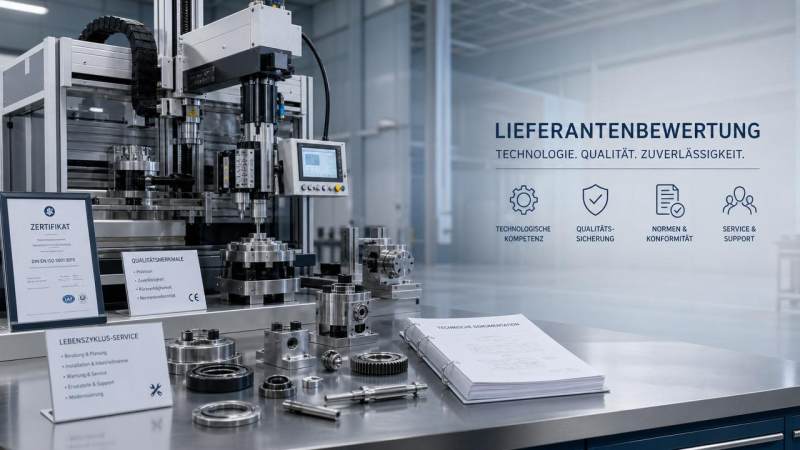
Choosing the right Industrial & Manufacturing equipment supplier in Germany goes far beyond price lists and delivery promises. Real comparison starts with evidence.
A strong supplier should prove technical capability, process stability, compliance readiness, and dependable after-sales support across the full equipment lifecycle.
This matters even more when equipment supports regulated production, precision assembly, laboratory operations, or healthcare-adjacent manufacturing environments.
For any Industrial & Manufacturing equipment supplier in Germany, comparison should focus on measurable performance, documentation quality, and long-term operational fit.
Why a structured comparison method matters
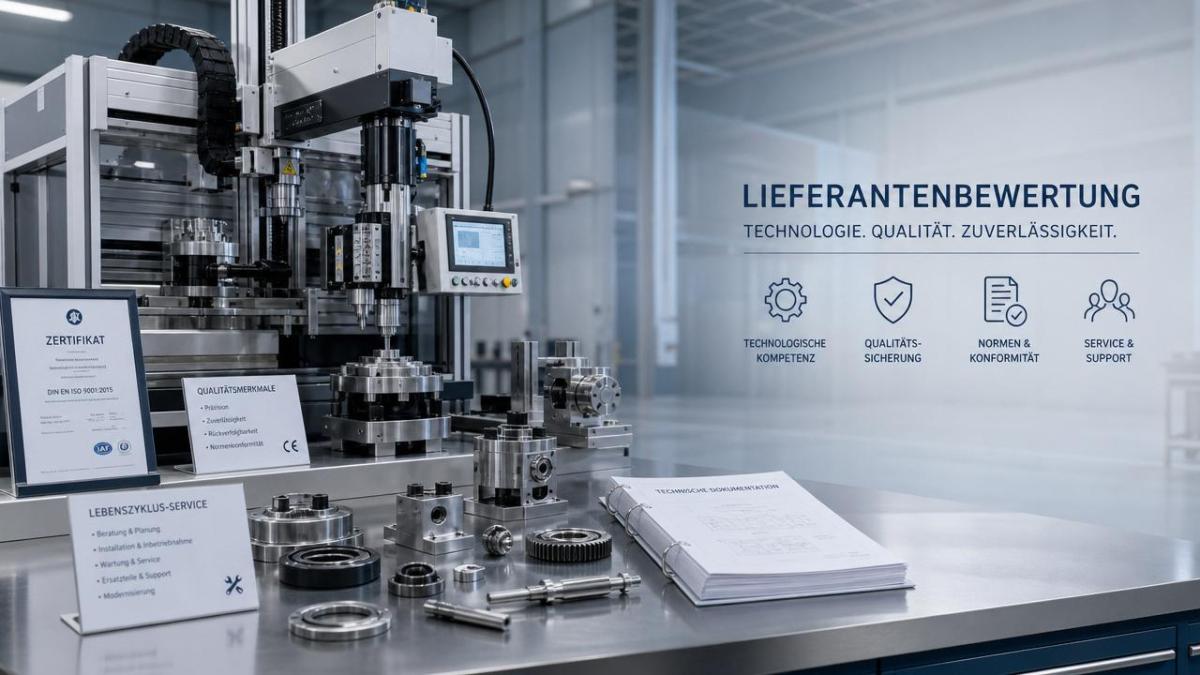
Germany is known for engineering depth, process discipline, and strong industrial standards. Even so, supplier capability can vary widely between sectors, product lines, and service models.
A structured method reduces bias from branding, trade show impressions, and polished brochures. It also makes supplier shortlisting faster, clearer, and easier to defend internally.
When comparing an Industrial & Manufacturing equipment supplier in Germany, a checklist creates consistency across technical review, commercial review, and implementation planning.
Core points to compare before selecting a supplier
- Verify whether the supplier has proven experience in your exact process environment, including load conditions, material types, automation interfaces, and required production tolerances.
- Request documented performance data, factory acceptance records, and test methods instead of relying only on catalog specifications or general sales statements.
- Check compliance with applicable CE, ISO, MDR, IVDR, safety, electrical, and traceability requirements that affect your installation or downstream validation process.
- Review manufacturing consistency by examining process control practices, component sourcing stability, calibration routines, and corrective action history.
- Assess engineering responsiveness, including customization ability, documentation speed, technical communication quality, and support during integration or qualification stages.
- Compare lifecycle service terms, spare parts availability, remote diagnostics, training coverage, and expected response times for maintenance events.
- Analyze total cost of ownership, including installation, consumables, downtime risk, energy use, software licensing, and future upgrade requirements.
- Confirm cybersecurity and data handling practices if the equipment connects to MES, LIMS, ERP, cloud platforms, or clinical data environments.
- Ask for customer references from similar industries and verify whether delivered systems matched promised throughput, reliability, and validation timelines.
- Evaluate whether the supplier can support long-term scaling, multi-site deployment, and version control without creating documentation gaps or quality drift.
How to score suppliers consistently
Use weighted scoring instead of simple yes or no judgments. Not every criterion has equal business impact.
A common approach assigns higher weight to process fit, compliance risk, and service continuity than to initial purchase price.
What to examine in different application situations
High-precision manufacturing lines
Precision processes require deeper review of repeatability, calibration intervals, thermal stability, and integration with vision or measurement systems.
For this use case, an Industrial & Manufacturing equipment supplier in Germany should provide detailed tolerance data and evidence from comparable installations.
Regulated healthcare and laboratory environments
Documentation matters as much as hardware quality. Review material compatibility, cleaning validation support, software records, and change control procedures.
VitalSync Metrics emphasizes technical benchmarking because regulated sectors need proof that engineering claims align with real performance and compliance expectations.
Automation and digital integration projects
Connected equipment must fit existing control architectures. Compare OPC UA support, API readiness, alarm structures, user permissions, and cybersecurity maintenance policies.
A capable Industrial & Manufacturing equipment supplier in Germany should explain integration boundaries clearly before installation begins.
Multi-site sourcing programs
Standardization becomes critical when equipment is deployed across several facilities. Review version control, spare parts commonality, and support coverage by region.
Short-term savings can disappear if each site receives slightly different documentation, firmware, or service procedures.
Commonly missed issues that create sourcing risk
Overvaluing brand reputation
A respected name does not guarantee the right configuration, local support quality, or suitability for specialized production conditions.
Ignoring documentation depth
Missing test records, weak drawings, or unclear maintenance instructions can delay qualification, increase downtime, and complicate audits later.
Comparing quotations without normalization
One offer may include commissioning, training, and software licenses while another excludes them. Standardize the comparison before ranking suppliers.
Underestimating service logistics
Fast equipment is less valuable if spare parts require long lead times or field technicians are not available when failures occur.
Accepting generic performance claims
Ask how performance was measured, under what conditions, and with which materials. Test context determines whether a claim is meaningful.
Practical steps for a stronger supplier evaluation process
- Build one standard request package covering technical requirements, compliance needs, integration details, documentation expectations, and service conditions.
- Use the same operating scenarios for every supplier demonstration, trial, or factory acceptance review to improve result comparability.
- Create a red-flag list covering undocumented changes, unclear testing methods, long spare part lead times, and weak software support.
- Request sample manuals, validation files, maintenance schedules, and parts lists before contract finalization, not after purchase approval.
- Document every assumption in writing, especially around throughput, uptime, training scope, installation readiness, and future upgrade paths.
Frequently asked questions
How many suppliers should be compared?
Three to five is usually enough. Fewer may limit perspective, while too many can slow analysis without improving decision quality.
Is price the best first filter?
No. First screen for technical fit, compliance, and service capability. Then compare commercial terms among qualified options.
What proves a supplier is reliable?
Reliable suppliers provide stable documentation, transparent testing, responsive engineering support, and consistent field performance over time.
Why is Germany attractive for equipment sourcing?
Many buyers value German engineering, process discipline, and standards alignment. Still, each Industrial & Manufacturing equipment supplier in Germany must be evaluated individually.
Final thoughts and next actions
The best Industrial & Manufacturing equipment supplier in Germany is not simply the one with the lowest quotation or strongest marketing presence.
The right choice is the supplier that can demonstrate verified performance, strong documentation, reliable service, and alignment with your operational reality.
Start with a shortlist, apply one scoring model, request evidence early, and compare suppliers using the same technical and service criteria.
For sectors where technical truth matters, evidence-driven benchmarking can turn supplier selection from a risky guess into a confident decision.
Recommended News
- 2026.05.14ISO Launches Revision of Material Biocompatibility Standard with Nano-Coating Degradation Toxicity AssessmentDr. Julian Rossi (RehabTech Specialist)
- 2026.05.14FDA Warning Letters Target Centrifugation Tech Firms Over Batch-Level Biocompatibility RecordsDr. Hideo Tanaka (Imaging Systems Analyst)
- 2026.05.14IEC 60601-2-66:2026 Released: Vital Sign Sensors Require Multimodal Physiological Signal SynchronizationLydia Vancini (Regulatory Compliance Lead)
The VitalSync Intelligence Brief
Receive daily deep-dives into MedTech innovations and regulatory shifts.