 Get Insights

Hospital equipment standards shaping modern rehab devices
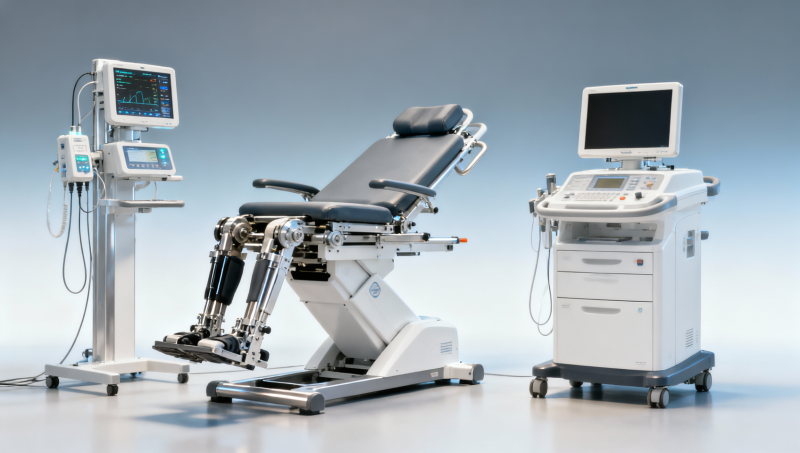
Hospital equipment standards are redefining how modern rehab devices are designed, tested, and adopted. For global decision-makers, procurement teams, and clinical users, medical device evaluation now depends on medical equipment compliance, healthcare benchmarking, and MDR IVDR readiness. This article explores how medical device testing and medical technology assessment shape safer, more reliable rehabilitation solutions in an era of healthcare digital integration.
Why hospital equipment standards now drive rehab device design decisions
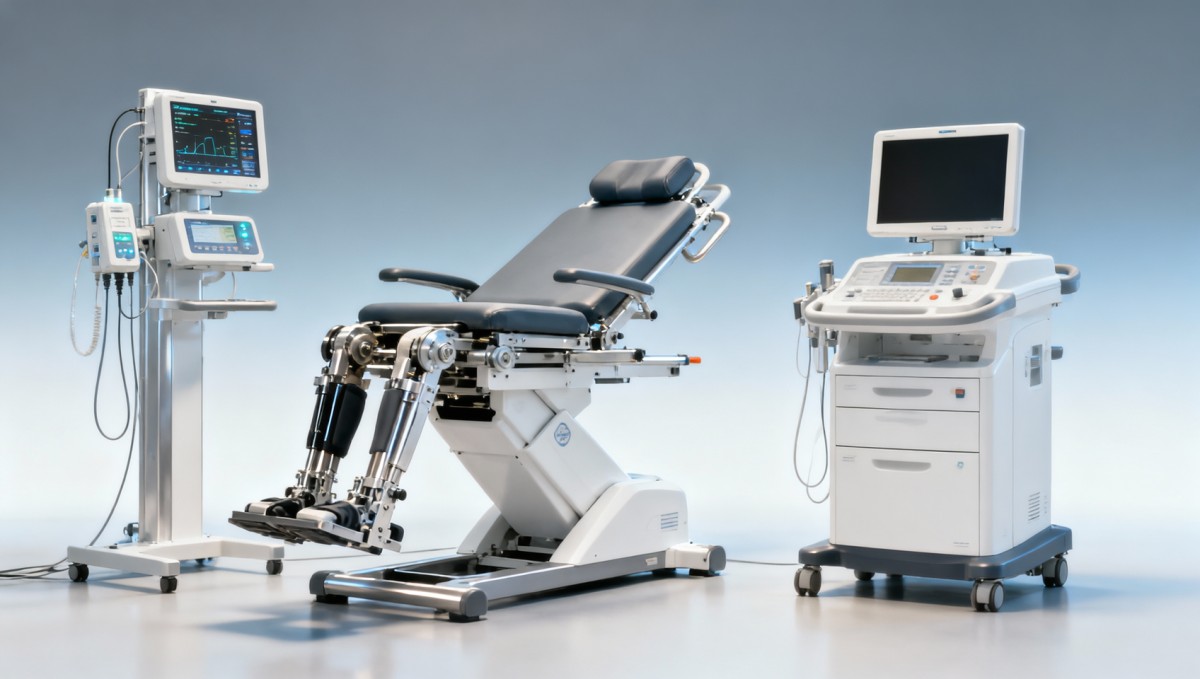
Rehabilitation technology is no longer judged only by comfort, user interface, or therapeutic claims. In hospital procurement, modern rehab devices are increasingly evaluated against hospital equipment standards that define safety, electrical performance, usability, cleaning compatibility, software traceability, and long-term serviceability. For inpatient rehab, outpatient centers, and integrated care networks, the gap between a promising device and an adoptable device often lies in compliance evidence.
This shift matters because rehab systems now sit inside a more regulated clinical environment. Devices such as gait trainers, muscle stimulators, balance platforms, robotic rehabilitation tools, and sensor-based therapy systems must align with medical equipment compliance expectations, not just product marketing narratives. In many procurement reviews, buyers compare 3 core dimensions first: intended clinical use, technical verification, and regulatory readiness.
For users and operators, standards also shape everyday reliability. A device that performs well in a showroom may still fail in a real ward if cables fatigue after 6–12 months, if sensor drift appears during repeated sessions, or if software updates disrupt workflow. Hospital standards push suppliers to prove repeatability under typical use cycles, cleaning routines, and maintenance intervals rather than one-time demonstration performance.
For procurement teams and business leaders, the question is practical: which rehab devices are built for hospital-grade deployment rather than short-term market entry? That is where healthcare benchmarking becomes essential. VitalSync Metrics (VSM) supports this process by translating engineering claims into measurable evaluation criteria, helping buyers judge whether a system is suitable for 2–4 week implementation planning, multi-site use, and long-term ownership.
What standards influence modern rehabilitation equipment most?
The specific framework depends on the device category, but procurement reviews usually focus on a layered combination of electrical safety, risk management, software lifecycle controls, biocompatibility where patient contact exists, and post-market documentation readiness. In Europe, MDR and IVDR readiness may affect not only market access but also whether the supplier can support tender documentation, labeling consistency, and technical file review.
- Electrical and mechanical safety for devices used near patients, mobility systems, or powered therapy equipment.
- Usability and human factors for operator workflows, especially where therapy sessions last 20–60 minutes and require repeated setup.
- Software and data integrity for connected rehab platforms, dashboards, and sensor-driven treatment monitoring.
- Cleaning, material durability, and maintenance planning for devices exposed to frequent turnover, disinfectants, and continuous clinical use.
These requirements are not theoretical. They influence how a rehab device is engineered, tested, procured, and supported after installation. A supplier who cannot present structured evidence across these areas may still offer a lower initial price, but the long-term procurement risk is often much higher.
Which technical checkpoints matter most in medical device testing for rehab systems?
Medical device testing for rehabilitation equipment should match real clinical use, not ideal lab-only conditions. That means procurement teams should review whether performance data reflects repeated loading, variable user weights, cable movement, actuator repetition, sensor consistency, and user interaction over realistic duty cycles. In practice, 5 key testing domains often reveal whether a rehab product is clinically dependable or merely commercially polished.
For motorized systems, the test scope usually includes cycle endurance, motion accuracy, emergency stop response, and load stability. For wearable or sensor-based rehab tools, benchmarking often focuses on signal fidelity, calibration repeatability, latency, and environmental robustness. In both cases, the best indicator is not one peak performance result but stable output across repeated sessions, multiple operators, and common operating conditions.
Clinical users should also look beyond headline specifications. A range value or force value alone does not explain whether the device remains accurate after transport, repeated disinfection, or software updates. Procurement reviewers therefore benefit from asking for acceptance thresholds, retest intervals, and traceable test methods. A robust supplier should be able to explain what was tested, under which conditions, and with what tolerance logic.
VSM’s role in this context is to convert technical complexity into decision-ready evidence. By benchmarking factors such as sensor noise, drift behavior, material fatigue tendencies, or comparative reliability indicators, VSM helps global buyers judge whether a device can sustain 8-hour daily clinical use, support quarterly maintenance plans, and remain aligned with hospital equipment standards over time.
A practical evaluation matrix for hospital-grade rehab device testing
The table below summarizes common checkpoints that information researchers, operators, and procurement managers can use when comparing rehabilitation equipment during technical assessment and supplier review.
Used correctly, this matrix helps avoid a common mistake: equating product novelty with hospital readiness. A rehab device may offer advanced digital features, but if test evidence around endurance, software control, and maintenance is weak, its real procurement value is limited.
Questions to ask before approving a pilot
- Was the device tested under repeated operating cycles that resemble daily clinical use rather than short demonstration scenarios?
- Can the supplier describe maintenance intervals, replacement parts exposure, and expected service checkpoints over 12–24 months?
- Are software updates controlled in a way that preserves treatment records, user permissions, and operational continuity?
- Is there evidence that cleaning chemicals, transport, and frequent operator handling do not degrade function or accuracy?
How should procurement teams compare compliance, usability, and lifecycle risk?
Procurement decisions in rehab technology often fail when teams compare quotations without comparing risk exposure. Price remains important, but for hospital deployment the better method is to score each solution across compliance readiness, technical validation depth, operator usability, and ownership burden. This approach is particularly important when evaluating connected rehab devices, early-stage MedTech products, or systems entering cross-border tenders.
A practical review cycle often unfolds in 4 stages: document screening, technical benchmarking, clinical workflow validation, and commercial negotiation. Skipping any one of these stages can create hidden cost later. For example, a lower-cost device may appear attractive during tender review but require extra integration work, more operator training, or earlier component replacement after deployment.
Hospital operators also bring a useful perspective. They quickly identify setup friction, poor user interfaces, awkward patient transfer steps, or alarm logic that slows therapy delivery. A device that saves even 3–5 minutes per session can create meaningful labor efficiency over a full week. That is why operator feedback should sit beside compliance documentation, not behind it.
VSM helps procurement teams make this comparison more objective. Instead of depending on broad supplier claims, buyers can use benchmarking outputs and whitepaper-style technical summaries to compare product categories on evidence quality, not presentation quality. This is especially relevant where medical technology assessment must support executive approval, budgeting, and multi-stakeholder sign-off.
Comparison table for shortlist decisions
When two or three rehab solutions appear similar on paper, a weighted comparison table can surface differences that matter in real hospital operations and long-term ownership.
This type of comparison is useful because it translates medical technology assessment into procurement language. It helps finance, clinical leadership, technical reviewers, and operators discuss the same device using the same evidence base, which shortens approval cycles and reduces post-purchase surprises.
A shortlist checklist for buyers
- Review whether documentation supports MDR or IVDR relevance where applicable, especially for software-enabled or data-driven functions.
- Ask for evidence of service coverage, expected spare part availability, and routine maintenance windows such as every 6 months or annually.
- Validate who will use the device most often: therapists, technicians, nurses, or mixed teams, because training needs vary by role.
- Map the device to the intended setting: acute rehab, outpatient rehab, elderly care, sports recovery, or hybrid digital therapy programs.
What compliance and MDR IVDR readiness should buyers actually verify?
Compliance review becomes difficult when suppliers present fragmented information. Some provide a declaration without explaining the technical basis. Others emphasize future regulatory plans rather than current readiness. For global procurement directors and MedTech evaluators, the better approach is to separate claims into 3 layers: product conformity, documentation completeness, and operational maintainability. All three matter when a device enters hospital environments.
MDR IVDR readiness is especially relevant where rehabilitation solutions include software, measurement functions, connected monitoring, or data interpretation elements. Even when a device category falls outside direct IVDR scope, procurement teams still need to verify whether adjacent data handling, labeling, intended use language, or software validation creates compliance dependencies. In short, readiness is not just a certificate question; it is a systems question.
This is where independent technical review adds value. VSM does not replace legal or notified body functions, but it helps buyers interpret whether a supplier’s engineering evidence supports the compliance narrative. That distinction matters. A polished claim set may satisfy early sales conversations, yet fail under technical due diligence or tender scrutiny.
In practical terms, buyers should expect a structured response within a normal review window of 7–15 business days for document clarification, depending on device complexity. If repeated requests are needed to clarify intended use, test conditions, software control, or material specifications, the procurement risk is already signaling itself.
Core compliance review points
A disciplined compliance review focuses on a limited but meaningful set of checks rather than endless paperwork collection.
- Confirm the intended use description and make sure it matches how the rehab device will actually be deployed in clinical settings.
- Review technical testing summaries for safety, performance, and repeatability under realistic operating conditions.
- Check software version control, update procedures, and data handling logic for connected therapy platforms.
- Assess cleaning compatibility, replacement parts planning, and maintenance obligations that affect long-term compliance in use.
- Verify whether the supplier can support tender packs, technical questionnaires, and ongoing documentation requests after purchase.
These checks help organizations avoid a frequent error: assuming that initial conformity evidence automatically guarantees operational readiness. In reality, a device may be marketable but still difficult to integrate, maintain, or audit in a demanding hospital environment.
Common procurement mistakes, operator concerns, and implementation questions
Even experienced buyers make avoidable mistakes when evaluating modern rehab devices. The most common one is overweighting front-end features while underweighting technical durability and service predictability. Another is treating pilot success as proof of long-term deployment readiness. A 2-week pilot may reveal user acceptance, but it does not automatically confirm endurance, update stability, or lifecycle cost behavior.
Operators often have a different concern set. They ask whether a device is easy to clean between sessions, whether calibration interrupts treatment schedules, whether accessories are intuitive, and whether error states can be resolved without waiting for vendor intervention. These are not minor details. In a busy rehab workflow, small operational frictions accumulate quickly across 10–20 patient sessions per day.
Executives, meanwhile, want clarity on deployment risk. They need to know whether integration can be completed in one site first and scaled later, whether ongoing support is visible, and whether technical benchmarking justifies the capital allocation. This is why independent assessment can accelerate consensus across clinical, technical, and financial stakeholders.
A disciplined implementation plan usually includes 4 steps: requirement mapping, technical review, limited operational validation, and full procurement release. When these stages are documented, organizations are less likely to buy on promise alone and more likely to secure rehab technology that remains clinically useful and operationally stable.
FAQ: what buyers and users ask most often
How do I know whether a rehab device is really hospital-grade?
Look for evidence across safety, repeatability, maintainability, and workflow fit. A hospital-grade device should show more than a feature list. It should come with clear technical documents, realistic testing summaries, service logic, and a credible compliance pathway. If the supplier cannot explain test conditions or maintenance expectations over 12 months, caution is justified.
What should procurement teams prioritize when budgets are limited?
Prioritize lifecycle value over entry price. Focus on 5 checks: intended use clarity, testing depth, service support, software stability, and operator usability. A less expensive system can become more costly if it needs frequent service visits, repeated recalibration, or workflow workarounds. Budget discipline works best when it includes ownership cost, not just purchase cost.
How long does technical evaluation usually take?
For a straightforward rehab device review, document screening and clarification often take 7–15 business days. More complex systems with software integration, sensor analytics, or multiple accessories may need 2–4 weeks. Delays usually come from incomplete technical files, unclear update controls, or inconsistent answers across sales and engineering teams.
Why is independent benchmarking useful if a supplier already has documents?
Because documents alone do not always reveal whether performance claims are proportionate, comparable, or practically meaningful. Independent healthcare benchmarking helps procurement teams compare devices on common technical ground. It also reduces dependence on sales framing and gives leadership a cleaner basis for approving pilots, tenders, or multi-site rollouts.
Why work with VSM when evaluating rehab devices for procurement or market entry?
VitalSync Metrics (VSM) is built for organizations that need engineering clarity before they commit capital, launch products, or expand clinical deployment. In a healthcare market moving toward value-based procurement and digital integration, the central challenge is no longer access to suppliers. It is filtering claims through technical truth. VSM addresses that challenge by benchmarking measurable performance rather than repeating promotional language.
For procurement teams, VSM can support parameter confirmation, medical device testing interpretation, compliance-oriented benchmarking, and structured comparison of rehab technologies. For MedTech startups and laboratory planners, VSM can help identify whether design choices, material behavior, sensor performance, or software reliability are aligned with hospital equipment standards and real buyer expectations.
For operators and enterprise decision-makers, the value is practical. Instead of debating abstract quality claims, you gain a clearer picture of likely deployment performance, service demands, and documentation strength. That supports faster internal alignment and more confident sourcing decisions across single-site procurement, regional tenders, or cross-border market evaluation.
If you are assessing modern rehab devices, you can contact VSM to discuss parameter review, shortlist comparison, delivery planning, MDR IVDR-related documentation concerns, custom benchmarking scope, sample support pathways, or quotation-stage technical questions. A focused review at the right stage can save weeks of procurement delay and reduce the risk of selecting a device that looks ready on paper but underperforms in clinical reality.
What you can discuss with VSM
- Technical parameter confirmation for rehab devices, wearable rehabilitation sensors, and connected therapy systems.
- Benchmarking support for signal quality, material fatigue concerns, durability logic, and comparative device assessment.
- Procurement guidance for shortlist evaluation, compliance evidence review, and ownership risk screening.
- Discussion around implementation timing, sample review feasibility, technical whitepaper needs, and quote-stage engineering questions.
When hospital equipment standards shape adoption, evidence becomes the real purchasing language. VSM helps you read that language with greater precision.
- value-based procurement
- medical technology assessment
- hospital equipment standards
- medical equipment compliance
- medical technology
- medical equipment
- hospital procurement
- MDR IVDR
- technical benchmarking
- material fatigue
- signal-to-noise ratio
- digital integration
- global decision-makers
- data-driven
- technical verification
- healthcare digital integration
- healthcare benchmarking
- medical device evaluation
- medical device testing
Recommended News
- 2026.10.15Medical Packaging Heat Seal Testing: Seal Strength vs. Seal Integrity TestsDr. Julian Rossi (RehabTech Specialist)
- 2026.10.14Clinic Supplier Comparison: Evaluating Cost, Delivery Reliability, and SupportDr. Alistair Thorne (Senior Biomedical Engineer)
- 2026.10.13Engineering Performance Testing Services: Evaluating Test Methods and AccuracyDr. Alistair Thorne (Senior Biomedical Engineer)
The VitalSync Intelligence Brief
Receive daily deep-dives into MedTech innovations and regulatory shifts.