 Get Insights

Healthcare digital integration risks in rehab equipment
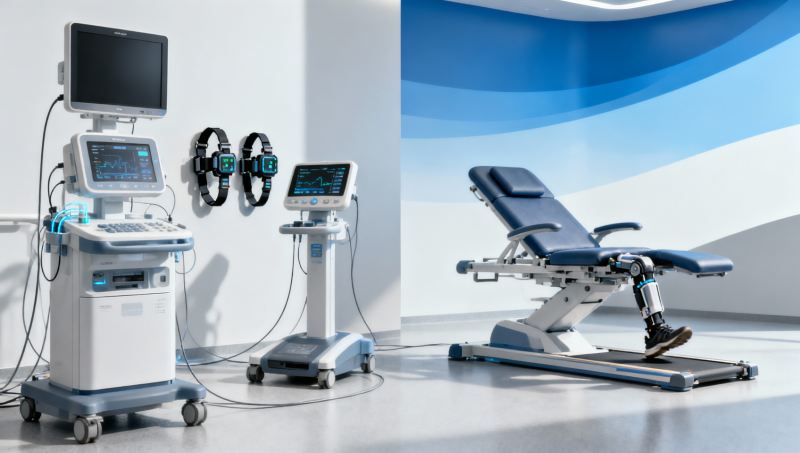
As healthcare digital integration accelerates in rehab equipment, the biggest risk is not simply “technology complexity.” It is the gap between what connected devices promise and what they can reliably deliver in real clinical use. For rehabilitation providers, procurement teams, operators, and healthcare executives, the key concerns are medical device reliability, medical equipment compliance, cybersecurity, interoperability, and MDR/IVDR readiness. The practical question is straightforward: can a digitally integrated rehab system improve outcomes and workflow without creating hidden safety, regulatory, and lifecycle risks? In most cases, the answer depends less on product marketing and more on disciplined medical device evaluation, healthcare benchmarking, and evidence-based medical technology assessment.
What decision-makers actually need to worry about in digitally integrated rehab equipment
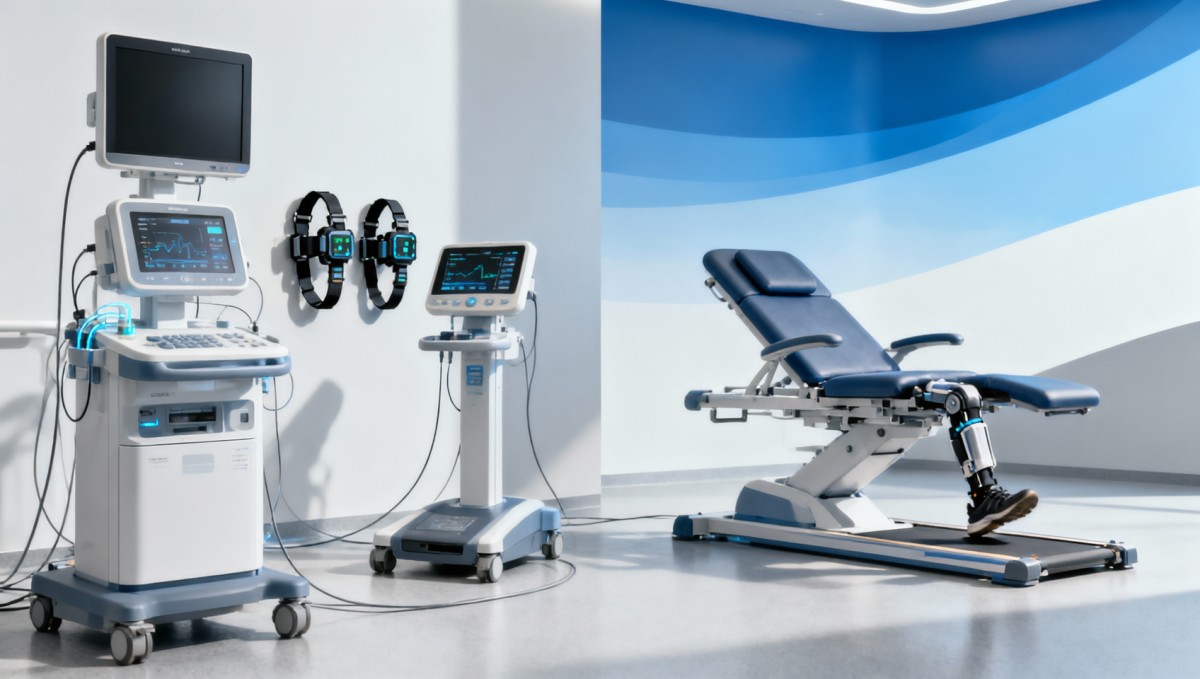
Users searching for healthcare digital integration risks in rehab equipment are usually not looking for a generic definition of digital health. They want to understand where integration can fail, what that failure costs, and how to evaluate risk before deployment or procurement. In rehabilitation environments, digitally integrated equipment may include connected therapy systems, wearable sensors, robotic assist devices, gait analysis platforms, patient monitoring tools, software dashboards, and cloud-connected reporting modules.
The main issue is that integration creates dependency chains. A rehab device no longer stands alone as a mechanical or electrical product. It becomes part of a broader ecosystem involving software updates, wireless networks, clinical workflows, user training, data quality, cybersecurity controls, interoperability standards, and vendor support. If one link is weak, the whole care pathway can be compromised.
For procurement leaders and enterprise decision-makers, this means risk assessment should move beyond initial functionality and price. The real evaluation must include long-term reliability, serviceability, compliance evidence, system compatibility, and whether the product performs consistently under realistic operating conditions.
Why digital integration in rehab equipment creates new categories of risk
Traditional rehab equipment risks were easier to identify: mechanical failure, wear, calibration issues, or obvious usability limitations. Digital integration introduces more subtle but often more disruptive risks.
Data integrity risk is one of the most important. If wearable sensors, movement trackers, or therapy devices generate inaccurate data, the clinical team may make poor decisions based on flawed performance metrics. In rehabilitation, where progress is often measured incrementally, even small sensor drift or inconsistent signal quality can distort patient assessment.
Interoperability risk is another major concern. A connected rehab platform may claim compatibility with hospital systems, but actual integration with electronic medical records, third-party analytics tools, or remote monitoring platforms may be limited, unstable, or expensive to maintain. This can create workflow fragmentation rather than efficiency.
Cybersecurity and privacy risk also becomes central. Devices that transmit patient performance data, session logs, or biometric information create new exposure points. Weak authentication, delayed patching, or unsecured wireless communication can introduce compliance and operational risk, particularly in distributed rehabilitation settings.
Operational dependency risk is frequently underestimated. If a rehab program depends on cloud connectivity, proprietary software, or vendor-managed updates, downtime may affect patient schedules, reporting continuity, and clinician productivity. A device can be clinically effective in theory but operationally fragile in practice.
Regulatory risk should not be overlooked. As software functionality expands, regulatory obligations may also increase. Claims related to clinical decision support, measurement precision, or patient monitoring can trigger stricter evidence and compliance expectations under applicable frameworks.
How medical device reliability problems show up in real rehab settings
Medical device reliability in rehab equipment is not only about whether a device turns on and off. Reliability means repeatable performance over time, under variable user conditions, across different patient populations, and within complex care environments.
In real settings, reliability failures often appear as inconsistent sensor readings, calibration drift, unstable software behavior, delayed synchronization, battery degradation, user interface freezes, accessory failure, or incomplete data transfer. These issues may not immediately look dramatic, but they undermine trust and clinical usability.
For operators and therapists, poor reliability increases documentation burden, repeat measurements, manual workaround steps, and uncertainty in therapy planning. For procurement teams, it increases maintenance cost, support escalations, replacement cycles, and hidden total cost of ownership. For executives, it can weaken the expected return on digital transformation investment.
This is why medical equipment compliance and reliability should be evaluated together. A device can hold certifications yet still perform inconsistently in the field if benchmarking is weak or real-world validation is limited.
What buyers should verify before trusting claims of medical device innovation
Not all medical device innovation creates clinical or operational value. In rehab equipment, some innovations are meaningful, while others are primarily interface enhancements or marketing-driven feature expansions.
Before accepting claims, buyers should verify several points:
- Performance evidence: Is there credible testing data showing measurement accuracy, durability, repeatability, and performance under realistic clinical conditions?
- Clinical relevance: Do the digital features improve patient outcomes, therapy adherence, workflow visibility, or decision-making in a measurable way?
- Usability: Can therapists and operators use the system efficiently without excessive training, workarounds, or support dependency?
- Integration maturity: Does the product integrate reliably with existing IT and clinical systems, or only in limited pilot scenarios?
- Lifecycle support: What is the software update policy, cybersecurity patch process, spare parts availability, and long-term vendor roadmap?
- Compliance readiness: Is the manufacturer prepared to support documentation needs related to MDR/IVDR, quality management, risk files, and post-market obligations where applicable?
A mature procurement process should treat these factors as core evaluation criteria, not secondary questions raised after purchase.
Why MDR IVDR readiness matters even for rehab equipment procurement
MDR/IVDR readiness is often misunderstood as a narrow regulatory topic relevant only to compliance teams. In reality, it is a strong signal of manufacturer discipline, documentation maturity, and risk management capability.
For rehab equipment with digital components, software functions, connected sensors, or data-driven clinical claims, regulatory expectations can become more demanding. Buyers should assess whether the manufacturer can demonstrate traceability, risk analysis, validation processes, software lifecycle controls, usability engineering, and post-market surveillance practices.
Even when IVDR is not directly applicable to a specific rehab product category, the broader mindset behind MDR/IVDR readiness remains highly relevant. It reflects whether a supplier is equipped to support evidence-based procurement and sustain compliance over time as requirements evolve.
For procurement directors and healthcare organizations operating internationally, this is especially important. A product that enters a facility with weak compliance foundations may later create audit exposure, deployment delays, documentation gaps, or contracting complications.
How healthcare benchmarking reduces procurement risk
Healthcare benchmarking helps organizations compare rehab equipment beyond brochures and sales presentations. Instead of relying on headline claims, benchmarking focuses on measurable, comparable, engineering-based indicators.
In digitally integrated rehab equipment, useful benchmarking may include sensor accuracy, signal-to-noise ratio, data latency, software stability, battery performance, material durability, maintenance frequency, connectivity resilience, and failure rates under repeated use. These indicators can reveal whether a device is suitable for high-demand clinical settings or only for controlled demonstrations.
For buyers, healthcare benchmarking supports more defensible procurement decisions. It creates a clearer basis for vendor comparison, contract negotiation, and risk prioritization. For operators, it improves confidence that the selected system will function under daily workload realities. For executives, it strengthens capital allocation and reduces the risk of investing in technology that cannot scale reliably.
This is where independent technical review is particularly valuable. Third-party medical technology assessment can expose gaps between promotional positioning and actual engineering performance.
What a practical medical device evaluation framework should include
A useful medical device evaluation process for rehab equipment should be multidisciplinary. It should combine clinical, technical, regulatory, operational, and procurement perspectives.
A practical framework typically includes:
- Clinical fit assessment: Define intended use, patient population, therapy goals, and expected workflow impact.
- Technical performance review: Examine device accuracy, repeatability, connectivity, environmental tolerance, and component durability.
- Compliance review: Check certifications, technical documentation strength, risk management practices, and relevant MDR/IVDR readiness indicators.
- Cybersecurity and data governance review: Assess data handling, access control, update policies, and vulnerability response processes.
- Integration review: Verify compatibility with existing systems, infrastructure requirements, and implementation complexity.
- User workflow validation: Test whether therapists, technicians, and support staff can use the system efficiently and safely.
- Lifecycle cost analysis: Include maintenance, training, consumables, software licensing, downtime risk, and replacement planning.
- Vendor capability review: Evaluate support responsiveness, service network strength, documentation quality, and roadmap transparency.
This framework helps organizations avoid the common mistake of selecting rehab equipment based on feature count while underestimating deployment risk.
Common warning signs that a rehab technology may be higher risk than it appears
Several red flags suggest that a connected rehab solution may carry more risk than its commercial presentation implies.
- Clinical claims are broad, but validation data is limited or difficult to verify.
- Performance testing appears to rely on ideal lab conditions rather than real use environments.
- Interoperability is described vaguely without proven implementation examples.
- Cybersecurity information is generic and lacks specifics on patching, encryption, or incident response.
- Software updates are frequent but poorly documented or disruptive to workflow continuity.
- Customer support depends heavily on remote troubleshooting with limited local technical capacity.
- Total cost of ownership is unclear because licensing, accessories, calibration, or service needs are not fully disclosed.
- Regulatory documentation is incomplete, inconsistent, or not aligned with the product’s digital claims.
These warning signs do not always mean a product should be rejected, but they do indicate the need for deeper medical device evaluation and stronger procurement controls.
How different stakeholders should interpret digital integration risk
Information researchers should focus on distinguishing evidence-backed solutions from trend-driven narratives. The key is to compare claims with measurable performance and regulatory maturity.
Users and operators should prioritize ease of use, stability, training burden, support quality, and whether digital features genuinely improve therapy delivery rather than adding friction.
Procurement professionals should look at benchmarked performance, compliance strength, vendor reliability, and total lifecycle cost instead of initial purchase price alone.
Business decision-makers should evaluate digital integration in terms of operational resilience, patient outcome impact, reputational risk, scalability, and long-term investment value.
Although each stakeholder has different priorities, all of them benefit from the same principle: trust technical evidence more than promotional language.
Conclusion: digital integration is valuable, but only when verified
Healthcare digital integration in rehab equipment can deliver real value through better visibility, more personalized therapy, richer patient data, and improved workflow coordination. But these benefits are not automatic. Hidden risks around medical device reliability, medical equipment compliance, interoperability, cybersecurity, and MDR/IVDR readiness can quickly erode both clinical outcomes and procurement confidence.
The strongest approach is not to avoid innovation, but to verify it rigorously. Through structured medical device evaluation, healthcare benchmarking, and evidence-led medical technology assessment, organizations can identify which rehab technologies are robust enough for real clinical use. In a market where product claims are easy to make but technical integrity is harder to prove, better decisions come from deeper scrutiny.
For healthcare teams, procurement leaders, and MedTech decision-makers, the takeaway is clear: digitally integrated rehab equipment should be judged not by how advanced it looks, but by how reliably, compliantly, and sustainably it performs.
- medical technology assessment
- medical device reliability
- medical equipment compliance
- wearable sensors
- medical technology
- technical integrity
- medical equipment
- MDR IVDR
- signal-to-noise ratio
- digital integration
- long-term reliability
- data-driven
- healthcare digital integration
- healthcare benchmarking
- medical device evaluation
- medical device innovation
- Remote Monitoring
Recommended News
- 2026.10.15Medical Packaging Heat Seal Testing: Seal Strength vs. Seal Integrity TestsDr. Julian Rossi (RehabTech Specialist)
- 2026.10.14Clinic Supplier Comparison: Evaluating Cost, Delivery Reliability, and SupportDr. Alistair Thorne (Senior Biomedical Engineer)
- 2026.10.13Engineering Performance Testing Services: Evaluating Test Methods and AccuracyDr. Alistair Thorne (Senior Biomedical Engineer)
The VitalSync Intelligence Brief
Receive daily deep-dives into MedTech innovations and regulatory shifts.