 Get Insights

Is Architectural Low E Glass Wholesale Cost-Effective?
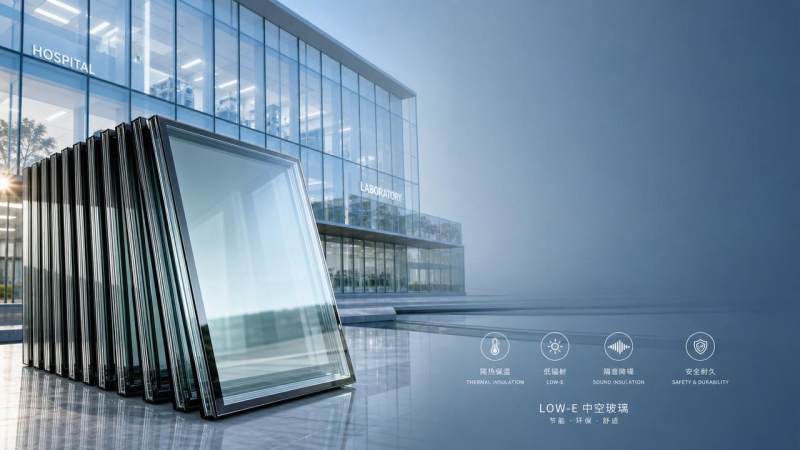
For capital projects in hospitals, laboratories, and healthcare campuses, architectural low e glass wholesale decisions are not only about lower upfront glazing costs.
The real question is whether bulk purchasing delivers lifecycle value through energy savings, thermal comfort, compliance support, and lower operational risk.
As budgets tighten, architectural low e glass wholesale must be evaluated with data, not assumptions, discounts, or promotional claims.
Why Architectural Low E Glass Wholesale Needs a Checklist Approach
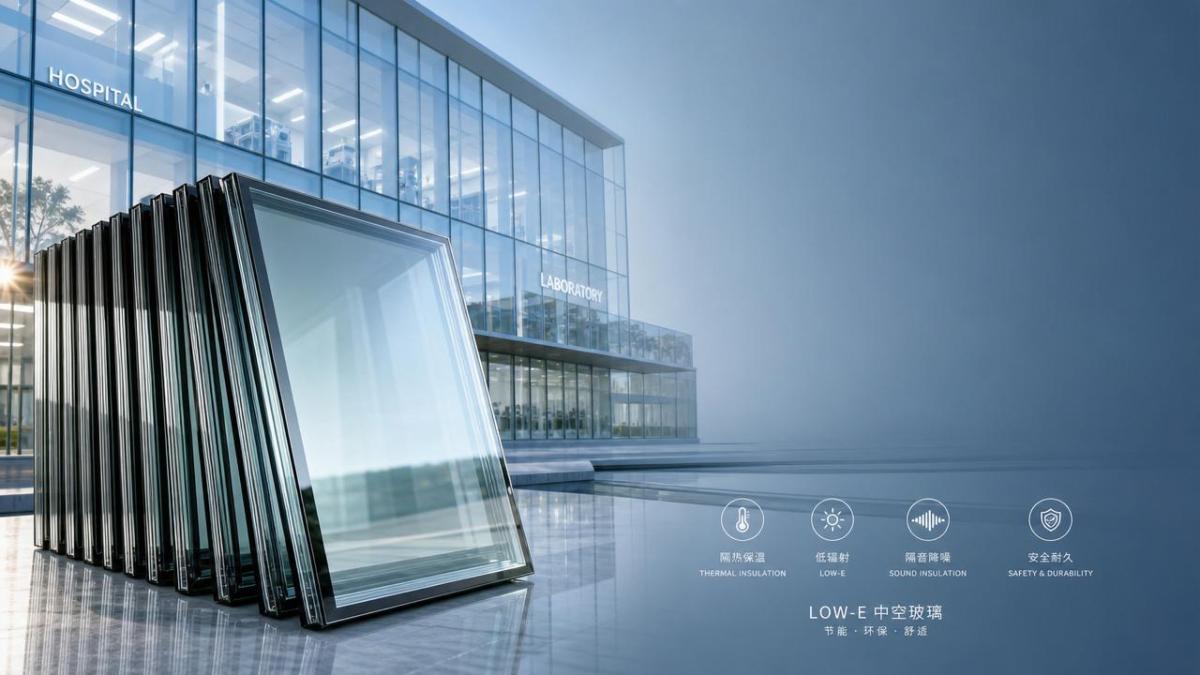
Low E glass affects heat transfer, daylight quality, condensation control, HVAC loads, and long-term building performance.
A wholesale quote may look attractive, yet weak specifications can create expensive comfort, compliance, and maintenance problems later.
A checklist makes architectural low e glass wholesale measurable. It connects purchase price with verified performance indicators.
This approach matches evidence-based procurement principles used in technical benchmarking, lifecycle costing, and risk-controlled sourcing.
For complex facilities, the best wholesale decision is rarely the lowest unit price. It is the most defensible total value.
Core Checklist for Cost-Effective Architectural Low E Glass Wholesale
Use the following checklist before approving architectural low e glass wholesale for a new build, renovation, or phased glazing upgrade.
- Define the required U-value, solar heat gain coefficient, visible light transmittance, and glare limits before comparing any wholesale quotation.
- Verify whether the Low E coating type matches the climate, façade orientation, interior heat loads, and building operating schedule.
- Request third-party test reports, coating durability data, and insulating glass unit performance records from the proposed wholesale supplier.
- Compare unit cost against projected HVAC energy reduction, peak load control, carbon targets, and operational savings over ten years.
- Check edge seal quality, spacer material, gas fill retention, and condensation resistance for long-term insulating glass reliability.
- Confirm that glass thickness, safety treatment, acoustic rating, and fire-related requirements align with local building codes.
- Assess lead times, batch consistency, replacement availability, and documentation quality before committing to architectural low e glass wholesale.
- Model daylight performance to avoid excessive tint, poor color rendering, staff discomfort, and unnecessary artificial lighting demand.
- Require clear warranty terms covering coating failure, seal failure, optical defects, gas leakage, and thermal stress issues.
- Document acceptance criteria for samples, mock-ups, packaging, handling, site storage, and post-installation inspection procedures.
Performance Metrics That Matter Most
Cost-effective architectural low e glass wholesale begins with the right technical metrics. Price without performance data is incomplete.
These metrics make architectural low e glass wholesale easier to compare across suppliers, regions, and project specifications.
How to Judge Whether Wholesale Pricing Is Actually Cost-Effective
Bulk purchasing can reduce unit cost, freight cost, and procurement complexity. However, those savings must survive lifecycle analysis.
Architectural low e glass wholesale becomes cost-effective when reduced purchase price combines with stable performance and lower building operating costs.
- Calculate total installed cost, including glass, framing compatibility, accessories, freight, breakage allowance, labor, and inspection requirements.
- Estimate annual energy savings using climate data, façade orientation, occupancy schedules, and HVAC system efficiency assumptions.
- Compare payback periods under conservative, expected, and high-energy-price scenarios to test financial resilience.
- Include maintenance exposure, warranty strength, replacement logistics, and potential disruption costs in the lifecycle model.
- Avoid choosing architectural low e glass wholesale solely because the quoted square-meter price appears lower.
A strong supplier can explain how each glass configuration affects energy modeling, occupant comfort, and building envelope reliability.
Application Scenarios for Architectural Low E Glass Wholesale
Healthcare Campuses and Clinical Buildings
Healthcare environments require stable indoor temperatures, low glare, controlled daylight, and reliable envelope performance.
In these settings, architectural low e glass wholesale can support energy control without sacrificing patient comfort or clinical visibility.
Specification errors can affect HVAC sizing, condensation risk, and operational continuity. Verified data should outweigh generic sales language.
Laboratories and Life Science Facilities
Laboratories often operate with high ventilation rates, strict temperature bands, and sensitive equipment zones.
Architectural low e glass wholesale should be reviewed alongside airflow strategy, internal heat gains, and condensation resistance.
The cheapest glazing can become expensive if it increases cooling load or creates perimeter comfort instability.
Commercial, Education, and Mixed-Use Buildings
Broader commercial projects need scalable solutions that balance daylight, appearance, energy performance, and maintenance simplicity.
For these projects, architectural low e glass wholesale is most effective when product consistency is maintained across all façade zones.
Batch color variation, late replacement issues, and mismatched optical properties can reduce both aesthetic and operational value.
Commonly Overlooked Risks in Wholesale Low E Glass Decisions
Risk 1: Treating Low E Glass as a Commodity
Not all Low E coatings perform the same. Soft-coat, hard-coat, double-silver, and triple-silver products behave differently.
Architectural low e glass wholesale should be based on application fit, not a simplified label or discount percentage.
Risk 2: Ignoring Climate and Orientation
A façade facing strong afternoon sun needs different solar control than a shaded north-facing elevation.
Using one architectural low e glass wholesale specification across every elevation may create uneven comfort and energy performance.
Risk 3: Underestimating Documentation Needs
Technical documentation is essential for approvals, commissioning, warranties, and later maintenance planning.
Missing test reports or unclear product traceability can make architectural low e glass wholesale harder to defend during project review.
Risk 4: Excluding Installation Conditions
Glass performance depends on framing, seals, installation quality, and site handling.
A strong architectural low e glass wholesale contract should define tolerances, storage protection, inspection steps, and defect response procedures.
Practical Execution Steps Before Purchase Approval
A disciplined execution process reduces technical ambiguity and protects the expected return from architectural low e glass wholesale.
- Build a performance matrix that lists every required value, acceptable tolerance, certification document, and supplier response deadline.
- Request samples and mock-ups under real lighting conditions before confirming final appearance, tint, reflectivity, and visible transmission.
- Run energy simulations with at least two glazing options to quantify savings beyond simple unit-price comparison.
- Ask for batch traceability, production capacity evidence, packaging standards, breakage policies, and replacement lead-time commitments.
- Connect payment milestones to document submission, sample approval, delivery inspection, and final acceptance testing.
This process turns architectural low e glass wholesale from a price negotiation into a controlled technical decision.
Decision Framework: When Wholesale Is Worth It
Architectural low e glass wholesale is usually worth considering when project scale is large enough to create purchasing leverage.
It is strongest when specifications are stable, delivery schedules are coordinated, and performance documentation is complete.
It is less attractive when design changes remain frequent, storage space is limited, or replacement glass availability is uncertain.
The final decision should include purchase cost, installation risk, commissioning outcomes, energy savings, and operational resilience.
From a benchmarking perspective, the most reliable choice is the option with transparent data and repeatable quality controls.
Conclusion and Action Guide
Architectural low e glass wholesale can be cost-effective, but only when evaluated beyond the first invoice.
The strongest outcomes come from combining wholesale leverage with verified thermal, optical, safety, and durability performance.
Before approval, create a checklist, compare lifecycle cost, verify supplier documentation, and test the specification against real building conditions.
For data-driven projects, architectural low e glass wholesale should be treated as an engineering decision, not a commodity purchase.
The next practical step is to request comparable technical sheets, energy assumptions, warranty terms, and sample validation for shortlisted options.
Recommended News
- 2026.10.15Medical Packaging Heat Seal Testing: Seal Strength vs. Seal Integrity TestsDr. Julian Rossi (RehabTech Specialist)
- 2026.10.14Clinic Supplier Comparison: Evaluating Cost, Delivery Reliability, and SupportDr. Alistair Thorne (Senior Biomedical Engineer)
- 2026.10.13Engineering Performance Testing Services: Evaluating Test Methods and AccuracyDr. Alistair Thorne (Senior Biomedical Engineer)
The VitalSync Intelligence Brief
Receive daily deep-dives into MedTech innovations and regulatory shifts.