
How to Source Sheet Metal Enclosures Without Delays
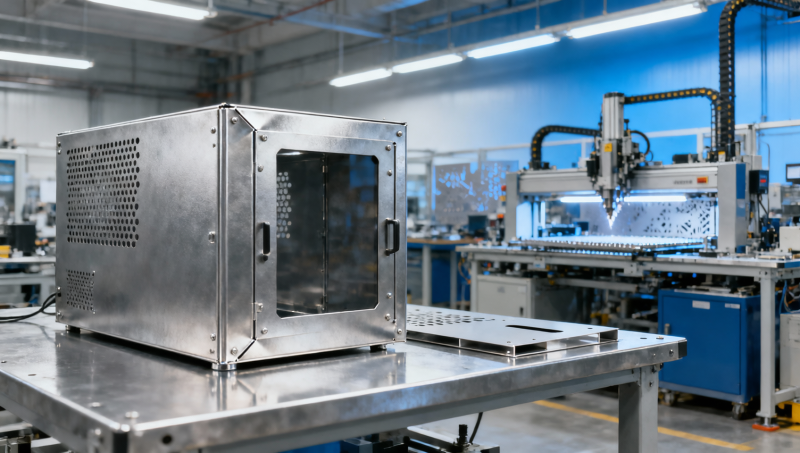
Sourcing a reliable sheet metal enclosure should not mean missed deadlines, unstable sheet metal cost, or unclear quality standards. Whether you need a sheet metal chassis, sheet metal housing, or custom sheet metal parts, choosing the right sheet metal manufacturer and sheet metal supplier is critical. This guide explains how buyers can reduce delays, control sheet metal price, and use modern B2B trade platform tools to source faster with greater confidence.
Why do sheet metal enclosure projects get delayed in the first place?
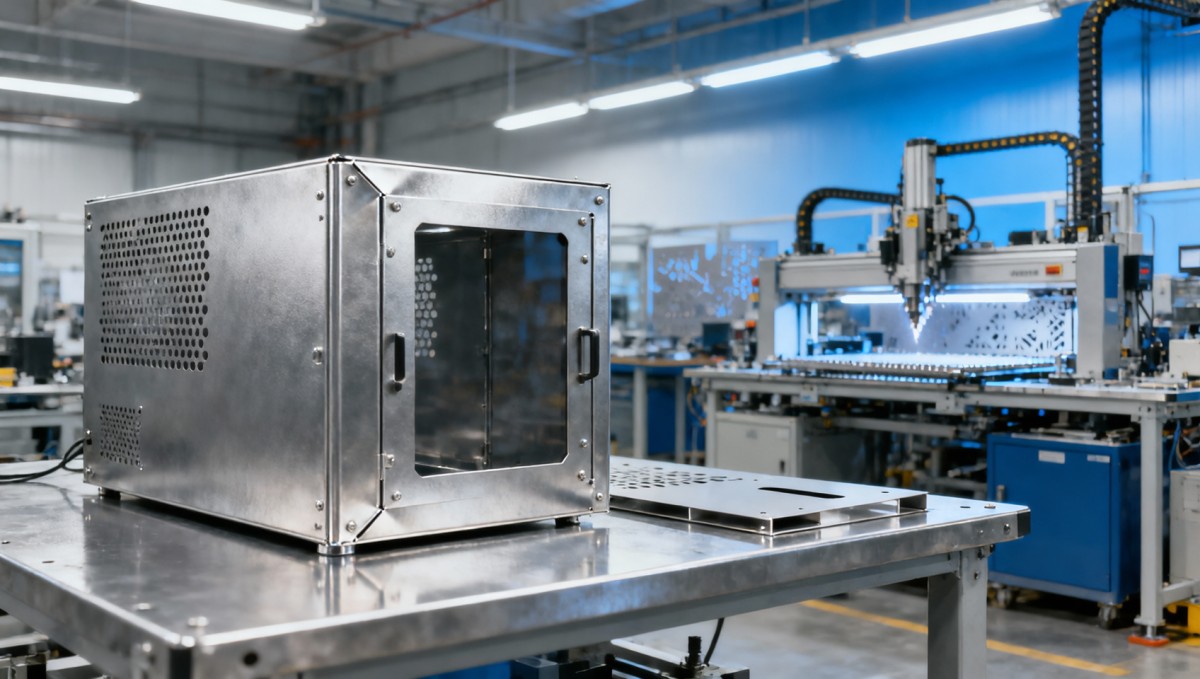
Most delays do not begin on the factory floor. They begin much earlier, usually in the gap between what the buyer needs and what the supplier can actually manufacture. In sheet metal enclosure sourcing, that gap often includes incomplete drawings, unclear tolerances, undefined surface finish expectations, and no agreement on inspection standards before production starts.
For information researchers and procurement teams, this creates a familiar problem: quotations arrive quickly, but the real delivery timeline remains uncertain. A supplier may promise a 2–3 week lead time for a sheet metal housing, yet the project can stretch to 5–8 weeks once design revisions, tooling adjustments, and finish approvals are added back into the schedule.
For operators and engineering users, delays often come from practical issues that were not identified during sourcing. Vent pattern changes may affect airflow, mounting hole misalignment may slow assembly, and poor edge finishing may create handling risks. These are not minor details. They directly influence whether a sheet metal chassis can enter assembly, testing, or installation on time.
In healthcare and life sciences environments, the stakes are even higher. An enclosure may be part of a diagnostic device, monitoring platform, or lab instrument. In those use cases, buyers are not only comparing sheet metal price. They are also evaluating process stability, documentation quality, traceability, and whether the final build supports downstream compliance expectations under regulated procurement frameworks.
The 4 most common sources of delay
- Unclear technical files, such as 2D drawings without bend direction, tolerance notes, material grade, or finish requirements.
- Low quotation transparency, where shipping, tooling, packaging, and rework risks are not separated in the offer.
- Weak prototype validation, especially when buyers skip the first article review and move directly to batch production.
- Inadequate supplier verification, particularly when a sheet metal supplier cannot show process control for cutting, bending, welding, coating, and inspection.
This is where VitalSync Metrics (VSM) adds value for decision-makers in medical and technical procurement. Instead of relying on marketing claims, VSM focuses on engineering truth: measurable inputs, process evidence, and benchmarkable outputs. That approach helps buyers detect delivery risks before purchase orders are placed, not after production slips have already disrupted a launch or installation plan.
What should buyers verify before choosing a sheet metal manufacturer?
A fast quotation is not the same as a reliable sourcing decision. Buyers should verify at least 5 core areas before selecting a sheet metal manufacturer: material capability, fabrication range, finish control, inspection process, and delivery discipline. This applies whether the project involves a basic electrical box or a custom sheet metal enclosure for a medical instrument.
Material selection should be discussed early because it affects both cost and lead time. Common choices include cold-rolled steel, galvanized steel, stainless steel, and aluminum. Stainless steel may improve corrosion resistance, but longer processing time and different finishing requirements can increase overall sheet metal cost compared with standard carbon steel in the same geometry.
Tolerance capability matters just as much as raw material. A supplier that handles simple brackets may not consistently hold tighter flatness, bend repeatability, or hole-position tolerances across assembled enclosures. For many enclosure programs, buyers should clarify whether the supplier can manage typical dimensional expectations such as ±0.2 mm to ±0.5 mm on critical features, depending on part size and assembly needs.
Finish and cleanliness should also be defined in practical terms. Powder coating, passivation, anodizing, silk-screen labeling, and protective film each introduce process steps. If these are not specified in the RFQ stage, the official lead time may look short on paper but expand by 7–10 days once appearance and handling requirements are added.
A practical supplier evaluation table
The table below gives procurement teams a simple framework for comparing sheet metal suppliers on speed, control, and technical fit rather than on quoted unit price alone.
For enterprise decision-makers, this comparison is especially useful when a sheet metal enclosure supports healthcare equipment or lab systems. VSM’s benchmarking mindset helps procurement teams ask a stronger question: not only “Can this supplier make the part?” but also “Can this supplier make the part consistently, document it properly, and sustain the same result over the next 12–24 months?”
Checklist for a cleaner RFQ package
- Include 2D drawings, 3D files, bill of materials, and finish specifications in the same request.
- Separate prototype quantity from batch quantity so the supplier can quote realistic setup and production timing.
- Define inspection priorities, especially for mating surfaces, mounting features, door alignment, and visible cosmetic areas.
- Ask for a milestone plan covering DFM review, sample approval, production start, final inspection, and shipment release.
When these basics are handled upfront, buyers reduce confusion, compress approval loops, and improve the odds of getting a usable sheet metal chassis on the first pass rather than after multiple corrective cycles.
How can you control sheet metal cost without increasing sourcing risk?
Controlling sheet metal price is not the same as selecting the lowest quote. The total cost of a sheet metal enclosure includes material, fabrication, finishing, tooling, quality inspection, packaging, logistics, and the hidden cost of late delivery. A low initial number can become expensive if the enclosure arrives with poor fit, finish defects, or insufficient documentation for approval.
Buyers often gain the best cost stability by simplifying geometry and reducing unnecessary secondary operations. Features such as excessive weld seams, mixed hardware standards, complex cutouts, or multiple coating colors can all increase process time. Even a modest design rationalization across 3–5 components can lower handling complexity and shorten production scheduling.
Order volume also affects sheet metal cost in different ways. Prototype runs usually carry higher unit prices because setup time is spread across fewer pieces. Small batches may be ideal for early testing, but once the design is frozen, medium-volume production often gives better price consistency and fewer timeline surprises than repeated urgent micro-orders.
For regulated sectors, the cheapest option may also create future costs in audit preparation, nonconformance handling, and supplier replacement. VSM’s evidence-based approach helps buyers compare actual manufacturing readiness against lifecycle risk, which is particularly relevant when an enclosure is part of a clinical, laboratory, or medical support system.
Cost drivers buyers should compare line by line
A transparent quotation should show where money is being spent. That is the fastest way to decide whether a sheet metal supplier is offering a genuine value option or simply hiding risk inside an incomplete quote.
The key takeaway is simple: buyers should optimize for cost clarity, not only low cost. When the quotation structure is transparent, procurement teams can trade off speed, finish, and volume more intelligently. That leads to better decisions on custom sheet metal parts and reduces the chance that a low quote becomes a high-risk purchase order.
What compliance and quality signals matter for healthcare-related enclosure sourcing?
Not every sheet metal enclosure project is regulated to the same degree, but healthcare-related procurement always demands stronger evidence than a generic industrial purchase. If the enclosure supports a diagnostic device, monitoring platform, or laboratory instrument, buyers should evaluate documentation discipline, material consistency, traceability, and change control from the beginning.
In European market pathways, procurement and product teams may work under MDR or IVDR obligations depending on the final equipment category. Even when the sheet metal manufacturer is not the legal device manufacturer, its process records can still influence technical documentation, supplier qualification, and audit readiness. That is why casual vendor screening often becomes a bottleneck later.
A practical review should cover at least 6 items: material declarations where relevant, revision traceability, first article records, dimensional inspection results, finish acceptance criteria, and packaging protection for transit and clean assembly. If a supplier cannot maintain these basics consistently, short-term speed may come at the expense of long-term procurement reliability.
VSM’s role is especially relevant here because technical benchmarking is often missing from supplier discussions. Buyers may hear that a process is “stable” or “suitable for medical use,” but without measurable criteria, those statements are not very useful. Standardized whitepaper-style evaluation helps procurement teams compare suppliers using evidence rather than promotional language.
Quality and compliance questions to raise before approval
- How are engineering revisions controlled between quotation, prototype approval, and batch production release?
- Can the supplier provide first article inspection data for critical dimensions and visible surfaces?
- What records are retained for material lots, coating batches, and outsourced operations if any are used?
- What is the process for nonconformance reporting, containment, and corrective action if defects are found?
These questions matter to more than procurement alone. Operators want safe edges, fit-for-use access panels, and repeatable mounting. Enterprise leaders want supplier continuity over 12-month and 24-month planning horizons. Technical reviewers want evidence that the enclosure will not create avoidable integration or audit issues after launch.
A realistic quality gate model
A practical sourcing workflow often follows 4 stages: DFM review, prototype validation, pilot batch confirmation, and scaled production release. For many custom sheet metal enclosure programs, this staged approach is more reliable than moving directly from drawing to full-volume order because it catches fit, cosmetic, and process stability issues earlier, when corrections are still affordable.
How to source faster using a structured B2B trade platform workflow
A modern B2B trade platform can accelerate sheet metal enclosure sourcing, but only if buyers use it as a verification tool rather than a directory alone. The most effective workflow is not “upload and wait.” It is a controlled process with technical screening, supplier comparison, document alignment, and milestone confirmation before order release.
For information researchers, a platform helps identify candidate sheet metal manufacturers across regions and capabilities. For procurement teams, it creates a faster path to compare response speed, engineering depth, and quotation quality. For decision-makers, it reduces dependence on sales language by forcing clearer side-by-side review of risk factors, not just headline pricing.
The most useful sourcing rhythm usually fits into 5 steps over 1–3 weeks for standard projects: prepare technical files, collect DFM feedback, compare quotes, validate sample plans, and confirm production milestones. Complex custom sheet metal parts with finish-sensitive or regulated end use may need longer, but a structured process still prevents many avoidable stalls.
VSM strengthens this workflow by translating manufacturing parameters into evaluation-ready technical logic. That is valuable when a hospital procurement director, MedTech startup team, or laboratory architect needs more than a vendor list. They need a way to test whether the proposed supply path aligns with durability, compliance, and lifecycle reliability expectations.
A sourcing workflow that reduces delay risk
- Prepare a complete RFQ package with drawings, quantity tiers, target lead time, finish requirements, and inspection priorities.
- Shortlist 3–5 suppliers based on capability fit, response quality, and evidence of process control rather than market visibility alone.
- Request DFM comments and clarify all open points before comparing unit prices, tooling, and schedule assumptions.
- Approve a prototype or first article step before mass release, especially for sheet metal housing designs with assembly interfaces.
- Lock the milestone plan, including sample date, batch date, inspection release, and shipping method, in writing.
This kind of process gives each audience group what it needs. Users get better fit and usability. Procurement gets clearer comparison logic. Decision-makers get fewer surprises in budget and schedule. That is the real purpose of faster sourcing: not speed for its own sake, but speed with control.
FAQ and next step: when should you ask for expert benchmarking support?
Some sourcing questions appear simple on the surface but carry major downstream consequences. The answers below address common concerns from buyers evaluating sheet metal enclosures, custom sheet metal parts, and supplier readiness in quality-sensitive sectors.
How long does a typical sheet metal enclosure order take?
For standard designs with complete documentation, prototypes often take about 1–3 weeks, while batch production may take 3–6 weeks depending on material, finish, and quantity. If the project includes powder coating, hardware installation, custom packaging, or repeated design revisions, lead time can extend further. The biggest variable is usually not machine capacity, but how clearly the job is defined.
What should buyers prioritize: sheet metal price or delivery time?
Neither should be viewed alone. The better question is total sourcing reliability. A low sheet metal price means little if the shipment fails inspection or arrives late. Likewise, a fast promise is not helpful if the supplier has not reviewed manufacturability. The most dependable choice balances cost transparency, realistic lead time, and measurable quality controls.
When is a custom sheet metal enclosure the better option?
Custom design makes sense when the enclosure must fit exact electronics layouts, cooling paths, cable entry points, sterilizable surfaces, or branding requirements. It is also common when a product must align with equipment integration, operator workflow, or healthcare environment constraints. If modifications to a standard housing create too many compromises, custom fabrication often reduces long-term risk.
What are the most common buying mistakes?
The main mistakes are incomplete RFQs, overfocus on unit price, skipping prototype validation, and assuming all sheet metal manufacturers control quality at the same level. Another common issue is failing to define cosmetic standards and inspection points before ordering. These errors often cause more delay than factory workload itself.
Why choose us for sourcing insight and technical comparison?
VitalSync Metrics (VSM) is not built around promotional claims. We support healthcare and life sciences sourcing with a data-driven, engineering-first perspective that helps buyers distinguish between supplier promises and manufacturing reality. If you need help validating sheet metal enclosure parameters, comparing supplier capability, reviewing likely delivery timelines, assessing documentation readiness, or understanding how enclosure quality may affect regulated procurement, we can help frame the decision with benchmark-oriented clarity.
Contact us to discuss drawing review priorities, custom sheet metal parts selection, prototype planning, lead-time risk points, finish and material trade-offs, sample support expectations, or quotation comparison logic. For teams working in MedTech, laboratory systems, or quality-sensitive equipment sourcing, that extra layer of technical scrutiny can prevent expensive delays long before production begins.
- laser cutting
- EMS
- ESS
- PPE
- life sciences
- EdTech
- procurement
- AR
- sheet metal
- trade platform
- B2B trade platform
- sheet metal parts
- sheet metal enclosure
- sheet metal housing
- sheet metal chassis
- sheet metal supplier
- sheet metal manufacturer
- sheet metal price
- sheet metal cost
- Cement
- benchmarking
- hospital procurement
- technical benchmarking
- life sciences
- engineering truth
- manufacturing parameters
- data-driven
- healthcare equipment
- Packaging
- life sciences sourcing
Recommended News
- 2026.04.20What Sheet Metal Fabrication Buyers Should Ask in 2026Dr. Julian Rossi (RehabTech Specialist)
- 2026.04.20Are Sheet Metal Parts Worth It for Mobility DevicesSarah Jenkins (Laboratory Infrastructure Consultant)
- 2026.04.20How to Source Sheet Metal Enclosures Without DelaysDr. Hideo Tanaka (Imaging Systems Analyst)
The VitalSync Intelligence Brief
Receive daily deep-dives into MedTech innovations and regulatory shifts.