
What to Check Before Buying a Sheet Metal Enclosure
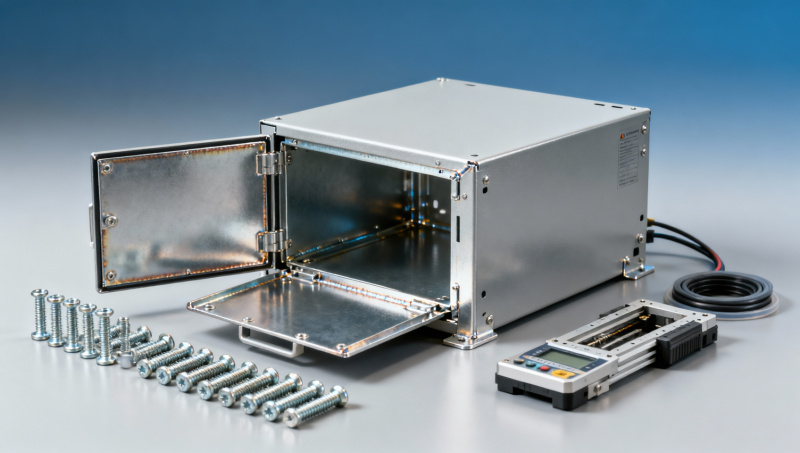
Before comparing sheet metal cost or negotiating with a sheet metal manufacturer, buyers should verify whether a sheet metal enclosure meets real performance, compliance, and durability needs. From sheet metal fabrication quality to material choice, bending accuracy, welding strength, and supplier credibility, every detail affects long-term value. This guide helps procurement teams, operators, and decision-makers evaluate a sheet metal supplier with greater confidence.
If you are buying a sheet metal enclosure, the most important question is not simply “Can this supplier make it?” but “Will this enclosure protect the product reliably, pass required standards, and stay cost-effective over its full service life?” For buyers in healthcare, laboratory, industrial, and electronics environments, the wrong enclosure can create downstream problems in safety, maintenance, corrosion resistance, assembly fit, and compliance. The best purchasing decisions come from checking technical details early—before price becomes the main discussion.
Start With Fit-for-Use Requirements, Not Just Drawings
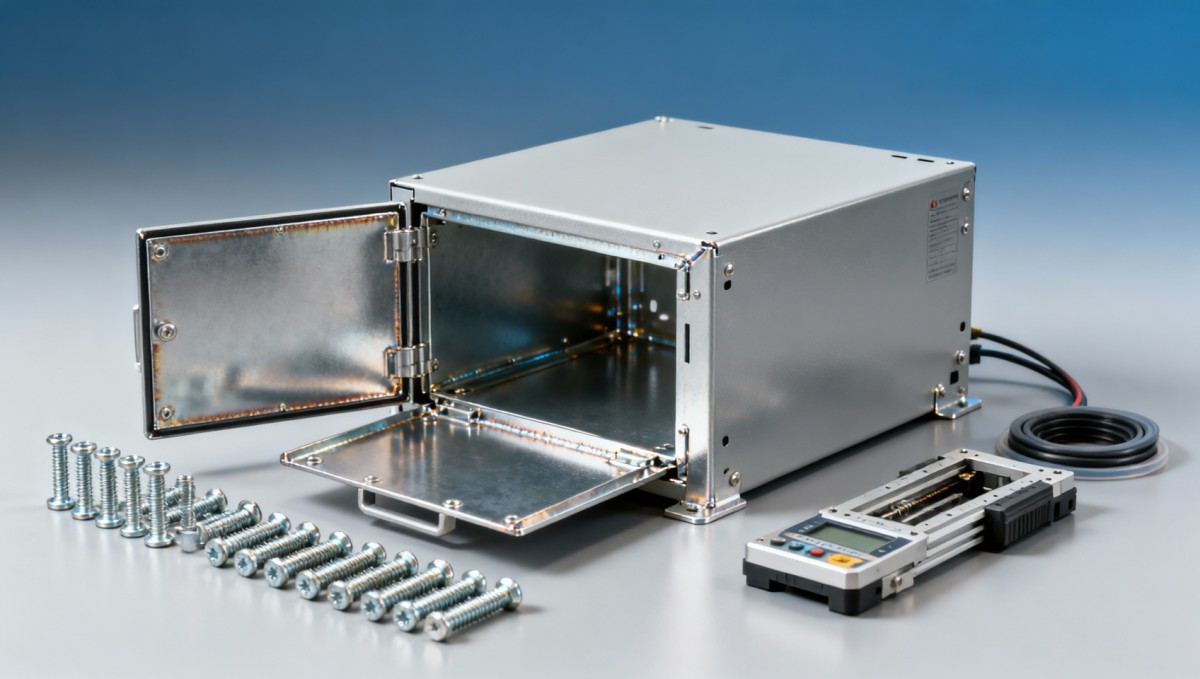
A sheet metal enclosure may look acceptable on paper and still fail in real use. Before requesting quotations, define the actual operating environment and performance expectations. This helps prevent overbuying, under-specifying, or selecting a supplier that can only meet cosmetic requirements but not functional ones.
Key questions to clarify include:
- Will the enclosure be used indoors, outdoors, or in washdown environments?
- Does it need resistance to chemicals, disinfectants, humidity, vibration, or repeated cleaning?
- Are there thermal management requirements for electronics inside the enclosure?
- Does it need EMI/RFI shielding?
- Are there ingress protection targets such as IP ratings?
- Will operators need frequent access for maintenance, calibration, or part replacement?
- Does the enclosure need to meet medical, laboratory, or regulated-industry documentation expectations?
For procurement teams and decision-makers, this first step matters because many sourcing problems begin when the buying brief is too generic. A low-cost sheet metal enclosure can become expensive if it requires redesign, fails in the field, or causes assembly delays.
Check Material Selection Against the Real Operating Environment
Material choice is one of the most important factors in sheet metal fabrication. Buyers should confirm that the enclosure material matches the actual risk profile of the application rather than relying on default supplier recommendations.
Common options include cold-rolled steel, galvanized steel, aluminum, and stainless steel. Each has trade-offs:
- Cold-rolled steel: cost-effective and structurally strong, but usually requires coating for corrosion protection.
- Galvanized steel: better corrosion resistance than untreated steel, often suitable for many indoor equipment housings.
- Aluminum: lighter weight and naturally corrosion-resistant, useful where weight matters, though not always ideal for high-impact applications.
- Stainless steel: preferred for harsh, hygienic, or chemically exposed environments, especially in medical and laboratory settings.
For healthcare and life sciences use cases, buyers should pay special attention to surface cleanability, resistance to disinfectants, and the likelihood of long-term cosmetic or structural degradation. If an enclosure will be used near patients, in labs, or in controlled environments, smooth surfaces, finish consistency, and contamination control may matter as much as strength.
Ask the sheet metal supplier for material certificates, grade details, thickness recommendations, and justification for substitutions. Material downgrades can reduce upfront cost but increase lifecycle risk.
Review Fabrication Quality: Cutting, Bending, Welding, and Tolerances
Even with the right material, poor sheet metal fabrication can undermine enclosure performance. Buyers should evaluate how accurately the supplier controls the manufacturing process.
Important checkpoints include:
- Cutting quality: edges should be clean, burrs minimized, and cut dimensions consistent.
- Bending accuracy: poor bend control can cause door misalignment, poor sealing, and assembly problems.
- Welding strength and consistency: welds should be structurally sound, visually consistent where appearance matters, and appropriate for the load and use case.
- Tolerance control: confirm whether the supplier can repeatedly hold tolerances that match your assembly requirements.
- Hole placement and hardware integration: mounting features, studs, inserts, and cutouts must align with internal components.
Operators and technical evaluators should also ask whether the supplier performs first-article inspection, in-process quality checks, and final dimensional verification. Enclosure buying mistakes often come from assuming that “standard fabrication” is sufficient, when in reality the project requires repeatable precision.
Don’t Ignore Surface Finish, Coating Quality, and Cleanability
Surface treatment affects more than appearance. It can determine corrosion resistance, cleanability, scratch performance, and how well the enclosure holds up in service. Powder coating, plating, brushing, passivation, and anodizing all have different functional outcomes.
Before buying, confirm:
- What surface finish is specified and why
- Whether coating thickness is controlled and documented
- How edges, corners, and weld areas are treated
- Whether the finish can tolerate cleaning agents or sterilization-related chemicals
- Whether cosmetic quality standards are defined for visible surfaces
For medical-adjacent, laboratory, or premium equipment enclosures, finish defects are not just aesthetic concerns. Uneven coatings, rough weld transitions, or hard-to-clean seams can create maintenance, hygiene, and brand-quality issues. A capable sheet metal manufacturer should be able to explain both the technical and visual quality standard being delivered.
Verify Protection, Safety, and Compliance Requirements Early
If the enclosure houses electrical, diagnostic, or sensitive electronic systems, compliance should be reviewed before supplier selection is finalized. This is especially important in regulated or quality-critical sectors.
Depending on the application, buyers may need to assess:
- IP protection level
- EMI shielding effectiveness
- Grounding provisions
- Load-bearing or structural safety
- Fire or flammability-related considerations for integrated parts
- Traceability of materials and manufacturing records
- Documentation support for quality systems or regulated procurement
Not every sheet metal enclosure requires formal certification by itself, but many are part of larger systems that must meet technical, regulatory, or customer-specific requirements. Buyers in healthcare-related procurement should especially verify whether the supplier can support documentation discipline, revision control, and change management expectations.
Assess Serviceability and Lifecycle Cost, Not Just Unit Price
A cheaper enclosure is not always the better buy. Business decision-makers should evaluate lifecycle cost, including assembly efficiency, maintenance access, replacement rates, shipping efficiency, and downtime risk.
Ask practical questions such as:
- Is the enclosure easy to assemble with the internal components?
- Can doors, panels, and fasteners withstand repeated service access?
- Will replacement parts remain available?
- Does the design reduce installation time or operator errors?
- Can packaging protect the enclosure finish during transport?
These factors matter for OEMs, equipment integrators, and procurement leaders because small manufacturing or design compromises often create larger operational costs later. A good sheet metal supplier should be able to discuss design-for-manufacturing and design-for-service improvements, not just quote the drawing as-is.
Evaluate the Supplier’s Technical Credibility and Process Control
Choosing a sheet metal manufacturer should involve more than checking price and lead time. Supplier credibility affects consistency, communication quality, and risk exposure over time.
Look for evidence of:
- Experience with enclosures similar to your application
- Quality management systems and inspection procedures
- Documented capability for material sourcing and traceability
- Engineering support during prototyping and revision stages
- Stable production capacity for repeat orders
- Transparent handling of nonconformities and corrective actions
For buyers supporting critical equipment, it is useful to request sample reports, inspection records, or case examples. A reliable supplier should be able to explain how they manage tolerance drift, cosmetic standards, welding consistency, and revision changes. If responses stay vague, that is usually a warning sign.
A Practical Pre-Purchase Checklist for Sheet Metal Enclosures
Before issuing a purchase order, confirm the following:
- The enclosure matches the real environmental and operational conditions
- The material grade and thickness are clearly defined
- Fabrication tolerances are appropriate for assembly needs
- Welding, fastening, and structural details are reviewed
- Surface finish and coating requirements are documented
- Protection, shielding, and compliance expectations are understood
- Service access and maintenance practicality are considered
- The supplier has proven quality control and technical communication capability
- Prototype or first-article validation is included if risk is high
- Total lifecycle value—not just quoted price—supports the purchase decision
In many projects, this checklist is what separates a dependable enclosure sourcing decision from a purely price-driven one.
Conclusion: Buy Based on Performance Confidence, Not Just Manufacturing Availability
Before buying a sheet metal enclosure, focus on the factors that directly affect long-term performance: material suitability, fabrication quality, surface protection, compliance support, serviceability, and supplier process control. For procurement teams, operators, and business leaders, the goal is not simply to find a sheet metal supplier that can produce parts, but one that can deliver consistent engineering value with low downstream risk.
When evaluated properly, a sheet metal enclosure is more than a metal housing—it is a functional part of system reliability, user safety, and brand quality. The best buying decisions come from verifying technical integrity early, asking the right questions, and choosing a manufacturer based on proven capability rather than assumptions.
Recommended News
- 2026.04.20What Sheet Metal Fabrication Buyers Should Ask in 2026Dr. Julian Rossi (RehabTech Specialist)
- 2026.04.20Are Sheet Metal Parts Worth It for Mobility DevicesSarah Jenkins (Laboratory Infrastructure Consultant)
- 2026.04.20How to Source Sheet Metal Enclosures Without DelaysDr. Hideo Tanaka (Imaging Systems Analyst)
The VitalSync Intelligence Brief
Receive daily deep-dives into MedTech innovations and regulatory shifts.