
What affects medical equipment calibration cost most
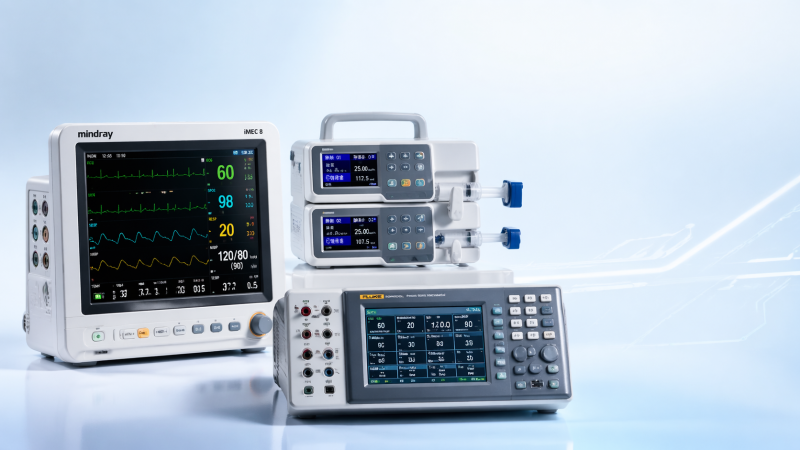
Medical equipment calibration cost is driven less by a single service price and more by the risk profile of the device, the precision required, and the compliance burden attached to its use. For procurement teams, operators, and healthcare leaders, the biggest cost drivers are usually equipment complexity, required accuracy, regulatory documentation, service frequency, downtime impact, and whether calibration must be performed on-site or in a specialized laboratory. Understanding these factors makes it easier to budget realistically, compare vendors properly, and avoid false savings that later create performance, audit, or patient safety problems.
What usually affects medical equipment calibration cost the most?
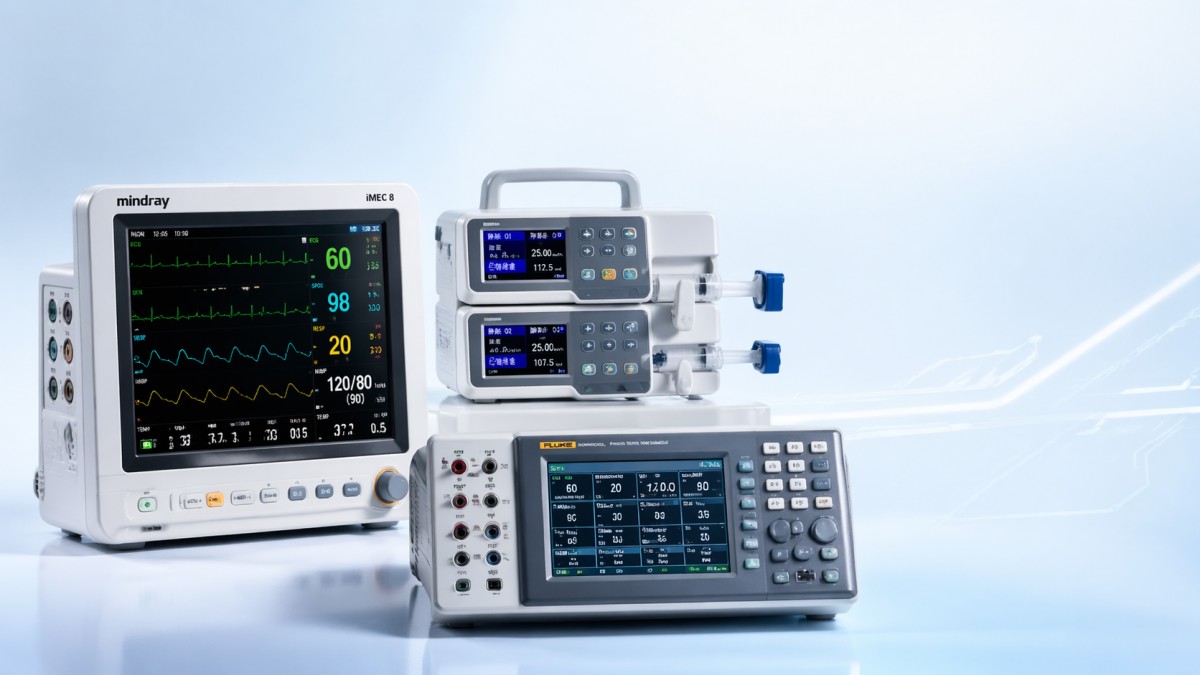
If your goal is to understand what affects medical equipment calibration cost most, the short answer is this: the final price is primarily shaped by how critical the equipment is, how tight the tolerance must be, and how much evidence of compliance is required after the work is completed.
In practice, the biggest pricing variables tend to be:
- Device type and complexity: A basic vital signs monitor is usually less expensive to calibrate than multi-parameter systems, infusion devices, imaging-related subsystems, or advanced life sciences instrumentation.
- Accuracy and tolerance requirements: The tighter the acceptable deviation, the more time, reference standards, and technical skill are required.
- Regulatory and documentation burden: Healthcare organizations often need traceable records, certificates, audit-ready reports, and alignment with medical equipment safety standards.
- Calibration environment: On-site calibration may reduce transport risk and downtime, but it can cost more if mobile equipment, travel, or environmental controls are needed.
- Frequency and service model: One-off calibration often costs more per event than planned contracts covering multiple assets.
- Repair, adjustment, and failed test findings: If a device fails verification and needs corrective action, the total cost rises quickly.
- Downtime and operational disruption: The invoice is only one part of the cost; lost clinical or lab productivity can be much larger.
For most buyers, the most expensive mistake is comparing calibration quotes as if they all cover the same scope. They often do not. A lower-priced offer may exclude adjustment, replacement parts, traceable documentation, uncertainty analysis, or emergency support.
Why equipment complexity changes calibration pricing so much
Complexity is often the strongest cost driver because it affects labor time, test method difficulty, reference equipment needs, and the level of technical expertise required.
Simple devices usually involve fewer test points and more standardized procedures. By contrast, advanced medical technology may require:
- Multiple channels or parameters to verify
- Specialized simulators or analyzers
- Software-based testing workflows
- Environmental controls for temperature, humidity, vibration, or electromagnetic conditions
- Manufacturer-specific procedures
- Post-calibration functional validation
This matters even more with wearable healthcare technology, connected monitoring platforms, and digitally integrated systems. These products may not only require sensor calibration, but also signal validation, wireless performance checks, firmware alignment, and interoperability confirmation. As devices become smarter, calibration is no longer just a mechanical or electrical adjustment task; it becomes a performance assurance process.
For procurement and decision-makers, this means calibration budget should be linked to device criticality and technical architecture, not just equipment count.
How accuracy requirements and clinical risk influence cost
Not every device needs the same level of precision, and that difference has a direct impact on cost. Equipment used in higher-risk clinical, diagnostic, or laboratory settings typically demands tighter tolerance windows and more rigorous verification.
Higher-precision calibration usually costs more because it requires:
- More stable and higher-grade reference standards
- Additional measurement points across the operating range
- Longer testing time
- Better environmental control
- Experienced technical personnel
- More detailed uncertainty and traceability documentation
For example, a device that supports dose delivery, diagnostic testing, or analytical measurement in a life sciences environment cannot be treated like general support equipment. In these cases, the cost reflects the consequences of measurement error. A cheaper calibration service may look attractive initially, but if it does not reliably demonstrate performance within required limits, it can create much larger downstream costs in rework, failed audits, inaccurate results, or patient safety exposure.
How compliance and documentation requirements add to the final bill
For many healthcare organizations, calibration is not only a technical issue but also a compliance issue. That is why healthcare compliance solutions and documentation expectations can materially increase the total price.
Calibration becomes more expensive when the provider must deliver:
- Traceable calibration certificates
- Asset-specific service histories
- As-found and as-left data
- Measurement uncertainty statements
- Audit-supporting records
- Alignment with internal quality systems or external frameworks
- Support for MDR/IVDR-related technical documentation where relevant
This is particularly important for hospitals, laboratories, MedTech manufacturers, and organizations working across multiple jurisdictions. The service itself may only represent part of the value. The rest lies in proving that the equipment remained within safe, documented, defensible performance conditions.
In other words, the more heavily regulated the use case, the more calibration shifts from a maintenance task to a compliance-controlled process. That shift increases cost, but it also reduces legal, operational, and procurement risk.
What hidden costs buyers often miss when budgeting calibration
Many teams focus only on the vendor’s quoted price and overlook the broader medical technology cost implications. In reality, hidden costs often determine whether a calibration program is efficient or expensive.
The most commonly missed cost elements include:
- Device downtime: Lost usage time can exceed the calibration fee itself.
- Shipping and handling: For sensitive devices, transport risk, packaging, insurance, and turnaround delays matter.
- Service scheduling inefficiency: Fragmented bookings increase callout and labor costs.
- Unexpected repairs: Failed inspections may trigger part replacement or escalation.
- Administrative burden: Internal coordination, recordkeeping, and audit preparation take staff time.
- Repeat visits: Incomplete scope or poor planning can force additional service calls.
- Non-standard vendor reporting: If certificates and records are hard to integrate into your quality system, internal costs rise.
For enterprise decision-makers, this is where total cost of ownership becomes more useful than unit service price. A calibration supplier that is slightly more expensive upfront may still be the better financial choice if it reduces downtime, supports digital records, improves compliance readiness, and lowers retesting frequency.
How to evaluate calibration quotes without choosing on price alone
If you are comparing providers, the most practical question is not “Who is cheapest?” but “What exactly is included, and what risks remain if we choose this option?”
A useful evaluation checklist should cover:
- Scope of calibration and number of test points
- Whether adjustment is included
- Whether failed units trigger extra charges
- Turnaround time and scheduling flexibility
- On-site versus depot service implications
- Traceability of standards used
- Reporting detail and certificate format
- Support for your quality and compliance process
- Experience with your device class or manufacturer
- Ability to scale across multiple locations or asset categories
This approach is especially relevant for procurement directors and enterprise managers. Two quotes may look similar, yet one may provide only basic verification while another supports clinical assurance, regulatory defensibility, and long-term asset performance. The lower quote can become the higher-cost choice once exceptions, delays, and compliance gaps emerge.
When a higher calibration cost is justified
Higher calibration cost is usually justified when the equipment supports critical care, diagnostic confidence, product validation, laboratory precision, or regulated manufacturing and testing environments.
Paying more often makes sense when:
- The device directly affects patient safety or diagnostic decisions
- Precision drift could compromise outcomes or product quality
- Your organization faces regular audits or strict documentation requirements
- Equipment downtime is operationally expensive
- The system is technically complex or digitally integrated
- You need consistent standards across multiple sites
By contrast, overspending can happen when organizations apply the same service level to every asset without distinguishing between low-risk and high-risk equipment. A risk-based calibration strategy is often the best balance: invest more where failure consequences are high, and standardize more efficiently where tolerance and compliance demands are lower.
How organizations can control calibration cost without increasing risk
Reducing cost does not have to mean lowering quality. The best savings usually come from smarter planning rather than cheaper testing.
Practical ways to control spend include:
- Grouping assets for scheduled service windows
- Using risk-based calibration intervals where justified
- Standardizing documentation requirements across departments
- Reducing emergency callouts through preventive maintenance
- Selecting vendors with experience in both technical verification and compliance support
- Tracking failure trends to identify devices that need replacement instead of repeated recalibration
- Integrating calibration records into digital asset management workflows
For organizations managing broad equipment portfolios, data-driven benchmarking is particularly valuable. It helps separate devices that are inherently stable from those that drift frequently, and it supports better sourcing, maintenance planning, and lifecycle decisions.
Ultimately, what affects medical equipment calibration cost most is the combination of technical complexity, required precision, compliance evidence, and the business impact of getting calibration wrong. Service fees matter, but they are only the visible layer. The real cost picture includes risk, downtime, audit readiness, and long-term equipment reliability.
For information researchers, operators, buyers, and healthcare leaders, the best decision is rarely the cheapest quote. It is the option that delivers verified performance, supports medical equipment safety standards, fits the operational environment, and provides enough documentation to protect both clinical outcomes and organizational confidence. When calibration is evaluated through that broader lens, cost becomes easier to predict and much easier to justify.
- EMS
- ESS
- PPE
- healthcare technology
- life sciences
- EdTech
- procurement
- AR
- Cement
- benchmarking
- medical technology
- medical equipment
- life sciences
- data-driven
- technical verification
- healthcare technology
- healthcare compliance
- Packaging
- medical technology cost
- medical equipment calibration
- life sciences instrumentation
- medical equipment safety standards
- wearable healthcare technology
- healthcare compliance solutions
Recommended News
- 2026.04.24Medical technology cost: where budgets go wrongDr. Alistair Thorne (Senior Biomedical Engineer)
- 2026.04.24Packaging choices that protect sterile instrumentsDr. Julian Rossi (RehabTech Specialist)
- 2026.04.24Mobility assist devices: which option fits bestSarah Jenkins (Laboratory Infrastructure Consultant)
The VitalSync Intelligence Brief
Receive daily deep-dives into MedTech innovations and regulatory shifts.