
Dental implant wholesale pricing often hides these extra costs
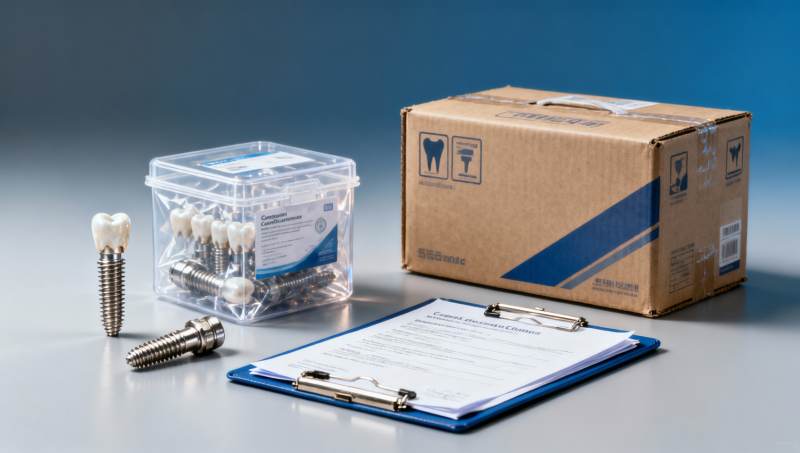
Dental implant wholesale quotes often appear competitive on paper, but the unit price rarely reflects the full cost of compliant, clinically reliable sourcing. For procurement teams, operators, and business decision-makers, the real issue is not simply “How much does an implant cost?” but “What costs will emerge after purchase if validation, certification, logistics, and supplier accountability are weak?” In practice, hidden expenses around medical device certification, MDR certification, documentation quality, packaging, traceability, and replacement risk can quickly erode any apparent savings. A better sourcing decision starts with a broader medical device assessment framework—one that looks beyond the quote and into lifecycle cost, regulatory exposure, and operational risk.
What does a dental implant wholesale price usually leave out?
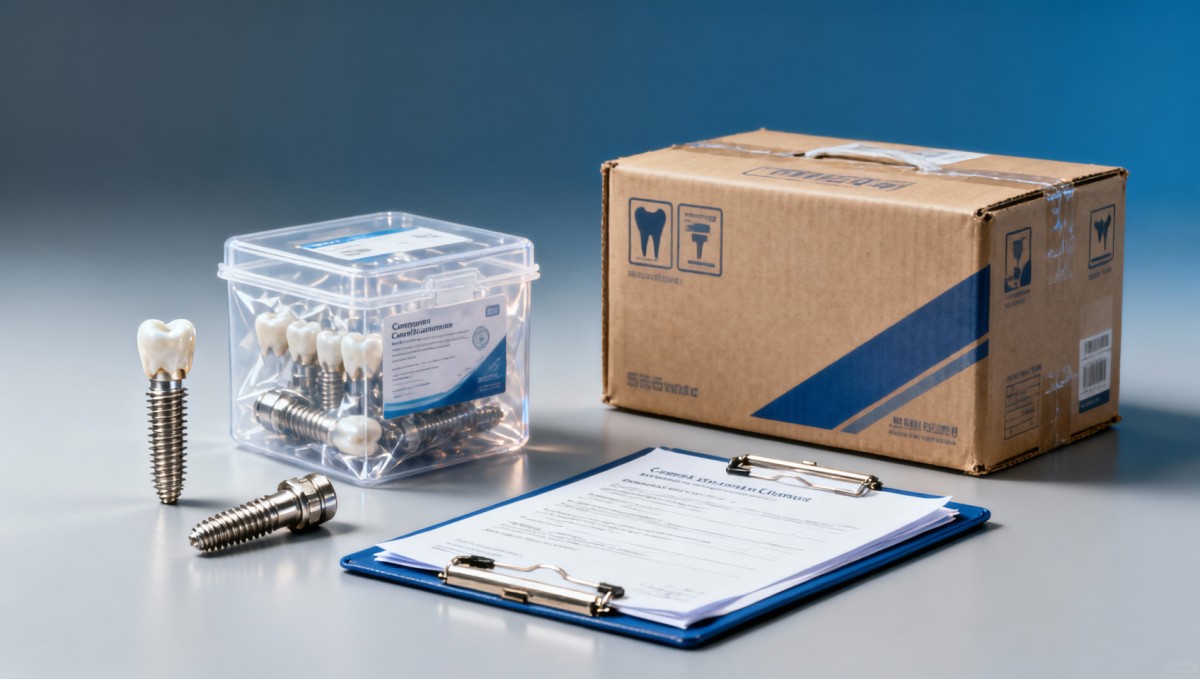
The most common mistake in dental implant procurement is comparing quotes only by unit price. A low wholesale offer may exclude several cost layers that only become visible during import clearance, clinical preparation, inventory handling, or post-sale issue resolution.
In many cases, the quoted price does not fully account for:
- Regulatory documentation and region-specific compliance support
- Material verification and biocompatibility evidence
- Sterilization validation and packaging integrity data
- Freight, cold-chain or controlled-shipping requirements where applicable
- Customs duties, broker fees, and local registration expenses
- Batch traceability systems and UDI-related labeling needs
- Warranty replacement handling and clinical complaint response
- Training, surgical kit compatibility, and after-sales technical support
For buyers in regulated healthcare environments, these are not optional extras. They are often the difference between a usable product and a procurement failure.
Which hidden costs matter most for procurement teams and decision-makers?
If the audience includes procurement officers, clinic operators, and healthcare executives, the highest-value analysis is not a generic pricing breakdown. It is understanding which hidden costs create the biggest financial or operational impact.
1. Certification and compliance gaps
A supplier may advertise international quality standards, but that does not always mean the implant is supported by complete, market-relevant documentation. Missing or weak files related to MDR certification, CE marking support, sterilization reports, risk management, or post-market surveillance can trigger delays, rejected shipments, or internal audit concerns. Fixing these gaps after ordering is usually more expensive than identifying them during supplier selection.
2. Material validation and performance evidence
Dental implants depend heavily on material consistency, surface treatment quality, fatigue resistance, and dimensional precision. If wholesale pricing is low because testing depth is limited, the buyer may absorb the downstream risk. Additional third-party testing, complaint investigation, or product replacement can quickly outweigh initial savings. In technical sourcing, “cheap” often means the verification burden has been shifted to the buyer.
3. Packaging, sterility, and shelf-life issues
Poor barrier packaging or incomplete shelf-life data can lead to damaged sterile product, warehouse uncertainty, or unusable inventory. These costs are rarely listed in the quotation but directly affect utilization rate, waste, and patient safety workflows.
4. Logistics and landed cost surprises
International medical shipments can involve documentation review, customs inspections, special handling charges, insurance, and local distributor markups. A low ex-works or FOB price may look appealing until the true landed cost is calculated.
5. Compatibility and workflow costs
Some implants require proprietary drivers, kits, training, or prosthetic components. If these ecosystem costs are not disclosed early, procurement teams may face recurring expenses that were invisible in the initial quote.
How can buyers tell whether a low dental implant quote is actually high risk?
The most practical way to judge a dental implant wholesale offer is to move from unit-price comparison to structured risk screening. Buyers should ask not just for brochures and certificates, but for evidence that the supplier can consistently support clinical and regulatory requirements.
Useful questions include:
- Is the quoted product backed by complete technical documentation for the intended market?
- Are raw materials, surface treatments, and fatigue performance independently validated?
- Is sterilization validation current, product-specific, and traceable by batch?
- Does packaging validation include transport simulation and shelf-life support?
- What is included in the quote versus billed separately later?
- Who handles complaints, field issues, and replacement logistics?
- Are accessories, prosthetic components, and instruments standardized or proprietary?
- What are the lead times, minimum order quantities, and stock-out contingencies?
If answers are vague, delayed, or inconsistent, the quote may be low because key responsibilities have not been properly built into the supplier’s cost structure.
Why do compliance and technical benchmarking change the real economics?
For healthcare organizations operating under stricter procurement controls, the true cost of an implant is tied to its evidence package and reliability profile. This is where medical device assessment becomes strategically important.
A disciplined technical review can reveal whether the supplier’s pricing is supported by:
- Stable manufacturing parameters
- Documented process controls
- Material consistency across batches
- Robust quality management practices
- Verifiable conformity to medical device certification expectations
- Transparent nonconformance and corrective action handling
For enterprise decision-makers, this matters because hidden cost is not only a purchasing issue. It affects clinical continuity, reputational risk, inventory planning, and total contract value. A supplier with stronger engineering transparency may quote a higher initial price but generate lower total cost over time by reducing audit friction, product failures, emergency replacements, and administrative burden.
What should a smarter sourcing process look like?
A better sourcing model for dental implants combines commercial review with technical and compliance screening. Instead of asking only for the best price, buyers should compare suppliers on a total-value basis.
A practical framework includes:
- Start with landed cost, not factory price. Include logistics, duties, validation, warehousing, and support.
- Check market-specific compliance readiness. Confirm whether MDR certification and related documentation are actually usable for your jurisdiction and procurement process.
- Review material and performance evidence. Ask for fatigue, corrosion, surface characterization, and biocompatibility support where relevant.
- Evaluate packaging and sterility controls. Ensure shelf-life and transport integrity are supported by data.
- Clarify after-sales obligations. Define response times, replacement terms, complaint escalation, and technical support responsibilities.
- Assess system compatibility. Understand whether future prosthetic, surgical, or training costs are locked into the supplier ecosystem.
- Use independent benchmarking where possible. Third-party analysis helps separate marketing claims from measurable performance.
This approach is especially useful for hospitals, distributors, and fast-growing dental groups that need procurement decisions to remain defensible under both financial review and quality oversight.
Bottom line: the cheapest dental implant wholesale quote is rarely the cheapest outcome
Dental implant wholesale pricing can be misleading when it excludes the cost of compliance, validation, logistics, compatibility, and supplier accountability. For information researchers, operators, procurement professionals, and business leaders, the key insight is simple: the visible quote is only one part of the procurement equation. The real cost emerges across the product lifecycle.
When buyers apply a stronger medical device assessment process—especially around certification quality, technical evidence, and total landed cost—they make safer, more profitable sourcing decisions. In a market where healthcare compliance and clinical reliability matter as much as price, the better question is not “Who is cheapest?” but “Which supplier gives us the lowest risk-adjusted total cost?”
Recommended News
The VitalSync Intelligence Brief
Receive daily deep-dives into MedTech innovations and regulatory shifts.