
Which Sheet Metal Supplier Fits Biocompatible Device Builds
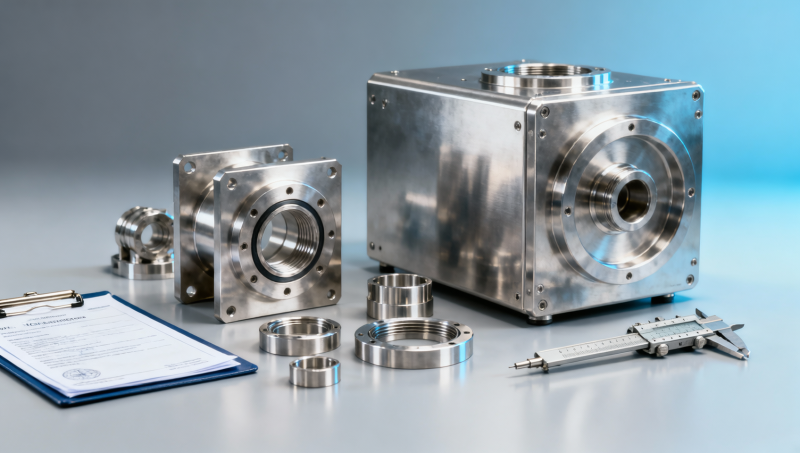
Choosing the right sheet metal supplier for biocompatible device builds means looking beyond sheet metal cost or sheet metal price. For healthcare buyers and engineers, the real issue is whether a sheet metal manufacturer can deliver compliant sheet metal fabrication, precise sheet metal parts, and reliable sheet metal enclosure performance that support clinical-grade outcomes, traceability, and long-term procurement confidence.
What makes a sheet metal supplier suitable for biocompatible device builds?
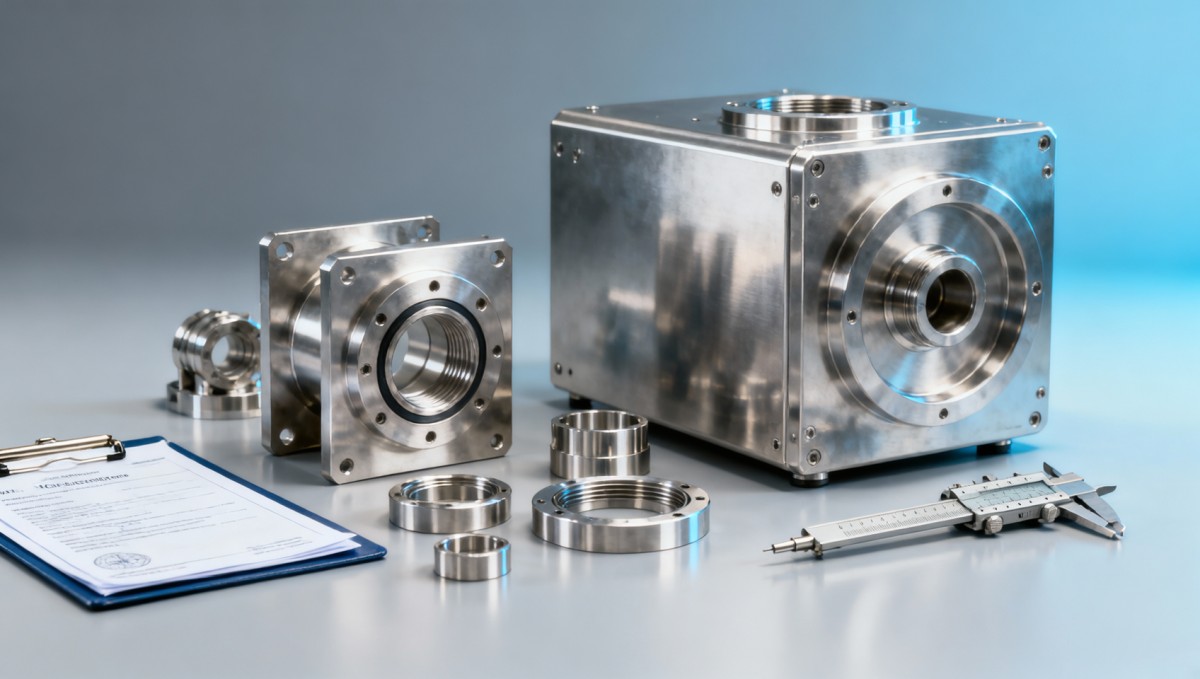
In medical and laboratory environments, sheet metal fabrication is not just a housing process. It affects cleanability, corrosion resistance, sealing integrity, operator safety, and the ability to document every production lot. A supplier may offer competitive sheet metal price and fast turnaround, but if it cannot control burrs, surface contamination, passivation quality, or dimensional repeatability within a defined tolerance band such as ±0.1 mm to ±0.25 mm for critical interfaces, the downstream risk rises quickly.
For biocompatible device builds, the term “fits” usually means three things at once. First, the sheet metal manufacturer must understand materials commonly selected for healthcare use, including stainless steel grades often specified for corrosion resistance and cleanability. Second, the supplier must support documentation, revision control, and traceability from raw material certificates to final inspection reports. Third, it must align fabrication capability with the intended use case, whether that is a diagnostic instrument enclosure, surgical support hardware, or a laboratory automation frame.
This is where many procurement teams face friction. The shortlist often includes suppliers that look similar on paper, yet differ sharply in process discipline. One shop may be strong in low-volume prototyping over 7–15 days, while another is better at stable mid-volume production in 3–6 week windows. The wrong match can delay validation builds, increase nonconformance handling, and create hidden total cost that never appears in the initial quotation.
VitalSync Metrics (VSM) approaches this problem as an engineering verification task rather than a sales comparison exercise. For hospital procurement leaders, MedTech startups, and laboratory planners, VSM helps translate sheet metal parts and sheet metal enclosure claims into measurable review points: material integrity, manufacturability, cleanability, compliance readiness, and lifecycle consistency. That shift matters because clinical-grade sourcing depends less on brochure language and more on auditable process evidence.
The 4 practical signals buyers should verify early
- Material control: Ask for mill certificates, declared alloy grade, and any finishing sequence that could affect corrosion resistance or surface chemistry.
- Dimensional capability: Confirm tolerance expectations for bends, fastener locations, and mating surfaces before design freeze, especially in builds with sensors, connectors, or seals.
- Process documentation: Review whether the supplier can provide inspection records, revision history, and lot traceability across prototype and production stages.
- Application fit: Match the supplier’s strengths to the device category, batch size, and regulatory path instead of choosing purely on sheet metal cost.
If these four signals are weak, the supplier may still be acceptable for non-clinical housings, but it is less likely to fit biocompatible device builds where documentation gaps and contamination risks can slow approval, installation, or field deployment.
How should buyers compare sheet metal manufacturers for medical and lab applications?
A structured comparison model helps procurement teams avoid overweighting visible line items such as sheet metal price while underweighting failure cost. In healthcare-related manufacturing, rework, delayed validation, cleaning issues, and documentation correction can consume more time than the fabrication itself. A supplier comparison should therefore include technical capability, compliance support, and service reliability in one matrix.
The table below summarizes common evaluation dimensions when comparing a sheet metal supplier for biocompatible device builds, diagnostic systems, and clinical instrument enclosures. These are not vendor-specific claims. They are practical criteria used to judge whether a sheet metal manufacturer is aligned with regulated or semi-regulated healthcare procurement needs.
This comparison shows why a low initial sheet metal cost can be misleading. If material traceability is incomplete or finishing controls are informal, the buyer may pay later through qualification delay, re-cleaning, extra incoming inspection, or redesign. In practice, teams often benefit from scoring 5–7 criteria rather than ranking suppliers on unit price alone.
Prototype suppliers and production suppliers are not always the same fit
One common mistake is assuming that a supplier who performs well on a 10-piece prototype run will automatically support a 500-piece annual demand plan. In biocompatible device builds, production stability may require stronger process controls, fixture repeatability, inspection routines, and packaging methods than early development lots do.
Buyers should ask whether the supplier can maintain the same sheet metal parts quality across three stages: concept prototype, verification build, and released production. If process capability changes between stages, enclosure fit, finish, or cleanability may also change. That creates risk for teams trying to lock a validation baseline.
A robust sourcing decision therefore includes scalability questions: minimum and practical order quantities, fixture strategy, typical lead times, inspection frequency, and how engineering changes are controlled after the first article is approved. These details often separate a capable sheet metal manufacturer from a convenient but fragile sourcing option.
Which technical and compliance points matter most in sheet metal fabrication?
For healthcare and life sciences procurement, technical fit and compliance readiness are closely linked. A sheet metal enclosure used in a diagnostic analyzer or connected care platform may not be an implantable component, yet it still influences hygiene, operator contact, ingress protection, EMI strategy, serviceability, and long-term field reliability. That means the fabrication review should cover more than dimensional drawings.
At a minimum, buyers should examine 6 areas: base material selection, fabrication method, edge and burr control, surface finish, cleaning/packaging practice, and documentation retention. Depending on the use environment, the discussion may also include sealing features, weld quality, grounding continuity, and compatibility with sterilization or aggressive cleaning chemistry. Each of these can affect whether sheet metal parts perform safely over multi-year deployment cycles.
A practical parameter view for healthcare-facing sheet metal parts
The following table helps teams connect common fabrication parameters with procurement implications. It is especially useful when the buying team includes both engineering users and non-technical decision-makers who need a clear basis for supplier review.
The main takeaway is that technical details become purchasing decisions very quickly. For example, a supplier that quotes a shorter lead time but cannot commit to the same document package each batch may create more workload for quality and regulatory teams. Conversely, a supplier with a slightly longer 2–4 week schedule may still be the stronger fit if process repeatability and change control are dependable.
Where compliance review usually starts
- Check whether the supplier can support documentation useful for MDR/IVDR-related product files, even when the metal housing itself is only one subsystem.
- Confirm whether change notifications are formalized, especially for material substitution, tooling adjustments, or finishing process changes.
- Ask how nonconforming sheet metal parts are identified, segregated, reviewed, and dispositioned before shipment.
- Review packaging and handling rules for sensitive surfaces if the parts will enter clean assembly or laboratory environments.
VSM’s value in this stage is to translate broad supplier claims into engineering checkpoints that procurement teams can compare consistently. That is especially useful for multinational sourcing teams where the same enclosure platform may be built, assembled, or validated across different regions.
How can procurement teams reduce risk, cost drift, and sourcing delays?
The fastest way to reduce sourcing risk is to define the build category before requesting quotations. A biocompatible device build may involve a patient-adjacent enclosure, a lab instrument chassis, a sterile-area support component, or a non-contact protective cover. These categories do not require the same controls. When they are mixed together in one RFQ, suppliers respond with inconsistent assumptions, and quotes become difficult to compare.
A stronger approach is to align the RFQ around 5 checkpoints: device use environment, material expectation, critical tolerances, finishing/cleaning requirement, and documentation set. This creates a better baseline than asking only for sheet metal fabrication cost on a print package. In many cases, a 30-minute clarification call before RFQ release saves several days of back-and-forth later.
Procurement teams should also separate visible cost from total acquisition cost. Visible cost includes unit sheet metal price, tooling, setup, packaging, and freight. Total acquisition cost adds engineering clarification time, incoming inspection burden, rework, delayed validation, and emergency resupply risk. For clinical or laboratory equipment programs, these hidden elements can easily outweigh a single-digit percentage difference in quoted unit cost.
A 4-step sourcing workflow that works better for regulated builds
- Pre-qualification: verify material scope, fabrication processes, documentation capability, and healthcare-related experience with enclosures or instrument frames.
- Technical review: identify 3–5 critical dimensions, surface requirements, and cleaning or handling constraints before quote comparison.
- Pilot order: run a controlled small batch, review first article output, and compare actual lead time against the stated 7–15 day or 2–4 week expectation.
- Scale decision: release production only after confirming repeatability, document quality, deviation handling, and packaging consistency.
This workflow is especially useful for MedTech startups balancing speed with compliance readiness. It allows buyers to move forward without assuming that early prototype success guarantees production reliability. It also gives enterprise decision-makers clearer evidence for supplier approval decisions.
Common sourcing mistakes that increase downstream cost
The first mistake is choosing a sheet metal supplier only because the quote is lowest. The second is neglecting finishing details such as burr control, passivation, or residue removal. The third is failing to define which dimensions are critical to function. The fourth is accepting vague delivery language without clarifying whether it refers to fabrication completion, shipment date, or receipt date.
Another mistake is not planning for engineering changes. In healthcare equipment, design updates during the first 2–3 build cycles are common. If the sheet metal manufacturer lacks disciplined revision control, obsolete parts may be mixed into the supply chain. That creates cost, confusion, and quality exposure that is difficult to unwind later.
FAQ: what do buyers and engineers usually ask before choosing a supplier?
How do I know if a sheet metal manufacturer understands biocompatible device requirements?
Look for process evidence rather than broad claims. Ask about material documentation, finishing sequence, residue control, traceability, and how critical tolerances are monitored. A supplier does not need to manufacture every medical category to be useful, but it should demonstrate disciplined control over the 4–6 areas that affect healthcare-facing sheet metal parts most directly.
What lead time should I expect for sheet metal fabrication in a medical program?
There is no single answer, but buyers commonly see prototype windows around 7–15 days and low-volume production windows around 2–4 weeks, depending on part complexity, finish, welding needs, and document requirements. The more important question is whether the supplier can hold that timing consistently across repeat orders and engineering changes.
Is stainless steel always the right choice for biocompatible sheet metal parts?
Not always. Stainless steel is frequently selected because of corrosion resistance and cleanability, but the correct choice depends on the device environment, cleaning chemistry, weight target, structural need, and finishing method. Buyers should evaluate application fit first, then review whether the chosen material can be fabricated and finished without compromising the intended performance.
What matters more: sheet metal price or documentation quality?
For non-critical commercial products, unit price may dominate. For biocompatible device builds, documentation quality often has equal or greater value. If drawing revision control, material certificates, and inspection records are incomplete, the buyer may spend more time and money on verification, incoming inspection, and corrective action than the original savings justified.
Why work with VSM when evaluating sheet metal suppliers?
VitalSync Metrics (VSM) helps decision-makers evaluate sheet metal suppliers through a technical benchmarking lens. Instead of relying on marketing claims, VSM focuses on measurable manufacturing parameters, compliance readiness, and long-term reliability signals that matter in healthcare procurement. This is especially relevant when the buyer must align engineering, quality, sourcing, and executive stakeholders within one decision cycle.
For information researchers, VSM clarifies what to compare and which claims require proof. For operators and engineering users, VSM highlights practical issues such as enclosure fit, surface handling, cleaning suitability, and service access. For procurement teams, VSM reduces ambiguity in quote review and supplier scoring. For enterprise decision-makers, it supports sourcing choices that are easier to defend internally because they are tied to objective checkpoints.
If you are reviewing a sheet metal supplier for biocompatible device builds, VSM can help you assess parameter suitability, compare supplier documentation depth, define procurement criteria, and prepare more consistent RFQs. You can also discuss lead-time planning, prototype-to-production transfer, finishing expectations, and which compliance-related records should be requested before approval.
Contact VSM to discuss material and parameter confirmation, sheet metal parts selection, sheet metal enclosure design review, document requirements, sample support, quotation comparison, and delivery planning. A focused technical review early in the sourcing cycle often prevents expensive rework later and gives your team stronger confidence in the supplier you choose.
- EMS
- ESS
- PPE
- life sciences
- connected car
- EdTech
- procurement
- AR
- metal fabrication
- sheet metal
- supply chain
- sheet metal fabrication
- sheet metal parts
- sheet metal enclosure
- sheet metal supplier
- sheet metal manufacturer
- sheet metal price
- sheet metal cost
- benchmarking
- healthcare procurement
- hospital procurement
- technical benchmarking
- life sciences
- supply chain
- long-term reliability
- manufacturing parameters
- healthcare equipment
- Packaging
Recommended News
- 2026.04.20What Sheet Metal Fabrication Buyers Should Ask in 2026Dr. Julian Rossi (RehabTech Specialist)
- 2026.04.20Are Sheet Metal Parts Worth It for Mobility DevicesSarah Jenkins (Laboratory Infrastructure Consultant)
- 2026.04.20How to Source Sheet Metal Enclosures Without DelaysDr. Hideo Tanaka (Imaging Systems Analyst)
The VitalSync Intelligence Brief
Receive daily deep-dives into MedTech innovations and regulatory shifts.