
Quick-Dry Swimwear That Dries Fast but Still Feels Heavy
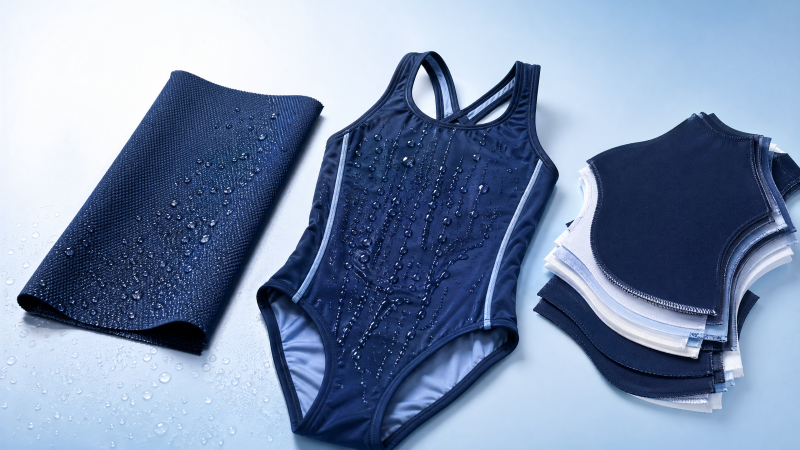
Quick-dry swimwear should feel light, yet many options stay heavy even after leaving the water. For buyers, operators, and decision-makers comparing a swimwear wholesale supplier or evaluating swimwear for competitive swimming, understanding fabric structure, water retention, and drying performance is essential. This guide explains why quick-dry swimwear can still feel dense and how to assess real product quality with a more technical, procurement-focused perspective.
In practical sourcing, the phrase “quick-dry” is often used too loosely. A garment may dry within 20 to 40 minutes on a rack, yet still feel heavy for the first 5 to 10 minutes after use because retained water sits between yarn filaments, lining layers, seams, and elastic zones. That difference matters for wholesalers, sports operators, and procurement teams evaluating product performance beyond catalog claims.
For technical reviewers, the issue is not only comfort. Excess post-swim weight can affect athlete movement, user satisfaction, return rates, and inventory selection across different channels. A swimwear program intended for leisure pools may tolerate more fabric mass than swimwear for competitive swimming, where low drag, low water pickup, and fast evaporation are stronger buying criteria.
A more disciplined assessment looks at fiber composition, knit density, fabric finish, lining design, panel construction, and drying conditions. Similar to procurement reviews in other engineered product categories, reliable decisions come from measurable inputs rather than label language. That approach helps separate a capable swimwear wholesale supplier from a vendor relying mainly on marketing terminology.
Why Quick-Dry Swimwear Can Still Feel Heavy
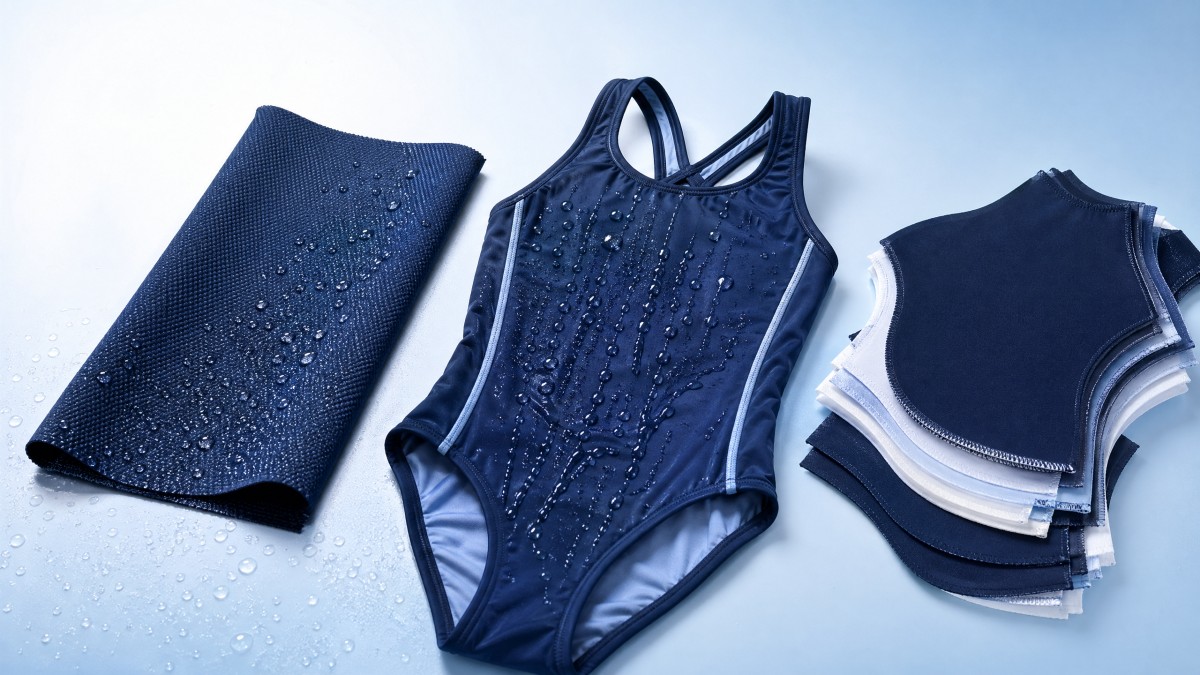
The first reason is water retention at the fabric level. Quick-dry swimwear is usually made from synthetic fibers such as polyester, polyamide, or elastane blends, which absorb less water than cotton. However, “low absorption” does not mean “zero retention.” A dense knit of 180 to 240 gsm can still hold a visible film of water between yarns, especially when compression is high and stretch recovery is strong.
The second reason is structural layering. Many swimsuits include front lining, bust support, shaping panels, or reinforced waist sections. Each added layer improves coverage or support, but it also increases total wet mass. In testing, a single-layer brief and a double-layer performance one-piece can show very different post-exit weight, even if both are described as fast-drying and both return to near-dry status within 30 minutes.
The third factor is trapped water in construction zones. Seams, elastic bands, hems, leg openings, waist tunnels, and removable pad pockets tend to dry slower than flat fabric areas. In lower-cost production, thread selection and seam density may increase water hold. This is why two garments made from a similar 82/18 or 78/22 blend can behave differently when worn, especially during the first few minutes after swimming.
A fourth issue is the mismatch between laboratory language and user perception. Consumers and even some buyers may interpret quick-dry as “instantly light.” In reality, there are at least 3 stages: immediate drip phase, short-term damp phase, and near-dry phase. A swimsuit may complete the full cycle quickly but still feel dense during stage one. For operators and enterprise buyers, this gap between technical drying rate and tactile feel is a common source of dissatisfaction.
Key performance drivers behind wet heaviness
To evaluate why a garment feels heavy, teams should separate four variables: dry fabric mass, water pickup per square meter, drainage speed after removal, and evaporation time under standard airflow. Measuring only one of these variables creates an incomplete purchasing picture. A lightweight fabric can still hold water badly, while a slightly heavier engineered knit may drain faster and feel better in use.
- Fabric weight range: 140 to 240 gsm is common, but lower gsm does not automatically mean better wet performance.
- Stretch content: 15% to 25% elastane improves fit, yet can increase density and water hold in tighter knits.
- Lining coverage: full front, partial front, or full body lining changes both comfort and post-swim heaviness.
- Seam count: more panels and reinforcement zones often improve fit but create more moisture retention points.
For procurement screening, teams should ask suppliers for both dry weight and wet pickup comparisons after a fixed immersion period such as 60 seconds, followed by a controlled drain interval of 30 to 60 seconds. This creates a more realistic benchmark than a simple “quick-dry” claim printed on a sales sheet.
How to Assess Real Drying Performance in Supplier Evaluation
A swimwear wholesale supplier should be able to explain drying performance in technical rather than purely promotional terms. Buyers should request a simple test protocol: pre-weigh the dry garment, soak it for a defined time, allow controlled dripping, then weigh again at 1 minute, 5 minutes, 10 minutes, and 20 minutes. This sequence provides a usable retention profile for comparing multiple samples.
Environmental conditions also matter. Drying tests performed at 22°C with 50% relative humidity and moderate airflow are not directly comparable with tests performed in humid poolside spaces above 70% relative humidity. For operators managing aquatic facilities, the in-use environment may slow evaporation by 15% to 30%, so sample testing should reflect actual deployment conditions whenever possible.
A strong sourcing process also distinguishes between “dries fast on a hanger” and “feels light while worn.” For competitive applications, the second criterion is often more important. Athletes do not wait 20 minutes between swims for complete evaporation. They respond to immediate drag, cling, and pressure. That is why post-exit water shedding, not just total dry-down time, is a critical buying metric.
The table below gives a practical framework for evaluating swimwear materials and construction during vendor comparison.
This type of comparison helps purchasing teams focus on measurable performance. A supplier that can document water pickup, drying intervals, and construction logic is generally easier to qualify than one using only broad descriptors such as “ultra-light” or “premium quick-dry.”
Practical sample review checklist
Before placing larger orders, many buyers use a 5-point sample review process. This method is useful across wholesale, private label, training facility supply, and teamwear procurement.
- Record dry garment weight in grams for each size category being evaluated.
- Measure wet weight after a fixed immersion and 30-second drain period.
- Assess tactile heaviness while worn during the first 3 minutes after exit.
- Review seam zones, lining panels, and support inserts for water trapping.
- Repeat the test after 10 to 20 wash cycles to check finish durability.
This process does not require a complex laboratory. Even a structured in-house review can reveal major differences between products that appear similar on paper.
Differences Between Leisure, Training, and Competitive Swimwear
Not all swimwear is designed for the same performance target, and that is a major reason buyers become disappointed with quick-dry claims. Leisure swimwear often prioritizes style, opacity, support, and body contouring. Training swimwear balances durability and comfort for repeated sessions. Swimwear for competitive swimming usually places greater emphasis on reduced drag, streamlined fit, and lower transient water burden.
These categories can differ significantly in construction. A fashion-oriented one-piece may include 2 to 4 support features such as shaping mesh, shelf bra, removable cups, and heavier lining. Those additions improve wear confidence, but they also increase wet feel. By contrast, a competition-focused design may reduce extra layers and use tighter, smoother knits to improve hydrodynamics.
For procurement teams, matching product design to user context is more important than chasing one universal definition of quick-dry. A resort retailer, a school swim program, and a performance club should not use the same acceptance criteria. Their return risk, wear frequency, and user expectations differ too much.
Use-case comparison table
The following table shows how intended use changes the meaning of “good drying performance” and “acceptable heaviness” in real procurement decisions.
The key takeaway is that a heavier-feeling swimsuit is not automatically defective. It may simply be optimized for a different use case. Problems arise when supplier claims, buyer expectations, and end-user application are not aligned at the specification stage.
Common category mismatch risks
- Choosing fashion swimwear for performance-focused users who expect low drag and fast water shedding.
- Selecting competition-style construction for retail channels where support and modesty are stronger purchase drivers.
- Using one master specification for all regions despite climate differences such as higher humidity or slower air drying.
- Approving samples by appearance only without wet-wear trials under realistic operating conditions.
This mismatch is especially costly in B2B programs because it increases complaint handling, product replacement, and re-specification cycles that often take 2 to 6 weeks to correct.
Procurement Standards, Risk Control, and Supplier Questions
A disciplined procurement approach should convert comfort claims into reviewable criteria. Even in a broad commercial category like swimwear, buyers can define acceptance standards around water retention, tactile heaviness, post-wash stability, seam quality, and batch consistency. This is the same basic logic used in technical sourcing across higher-regulation sectors: claims should translate into testable checkpoints.
For medium and large orders, it is useful to build a supplier questionnaire before final negotiation. Ask what fabric composition is used, whether hydrophobic finishing is topical or inherent, how many wash cycles the claimed effect is expected to last, and what tolerance applies to fabric weight. A tolerance band of ±5% for gsm and reasonable consistency across production lots is more informative than a generic promise of premium quality.
Lead time and repeatability also matter. A well-performing sample is only valuable if the bulk order matches it. Buyers should clarify MOQ, shade continuity, fit grading, and re-order windows. In many supply arrangements, first production may take 30 to 60 days, while repeat orders can be shorter if fabric and trims remain available. Without this clarity, even a technically sound swimwear wholesale supplier can become a planning risk.
Recommended procurement questions
The list below can help buyers, operators, and enterprise reviewers reduce ambiguity during supplier evaluation.
- What is the average wet weight gain after 1 minute and after 5 minutes of drainage?
- How many layers are present in the body, bust, gusset, or support zones?
- Does the quick-dry effect persist after 20, 30, or 50 laundering cycles?
- What are the standard size grading increments and allowable fit tolerances?
- Can the supplier provide the same construction across multiple production batches?
- What is the usual sample-to-bulk timeline, such as 7–14 days for samples and 4–8 weeks for production?
These questions are useful because they turn a subjective issue into a comparative sourcing exercise. In practice, many poor buying decisions come from skipping specification detail rather than from choosing the wrong category outright.
Basic acceptance framework
An internal acceptance framework can include 4 groups of checks: visual quality, dimensional consistency, wet performance, and durability after wash exposure. Even a simplified review matrix reduces the chance of approving a swimsuit that looks good dry but performs poorly in actual use.
For organizations that value evidence-based sourcing, this method mirrors the broader principle of technical benchmarking: decision quality improves when product claims are translated into repeatable observations, standardized records, and supplier accountability.
FAQ for Buyers, Operators, and Decision-Makers
The final questions below address common search intent from information researchers, users, procurement teams, and business leaders reviewing quick-dry swimwear performance in a commercial context.
How can quick-dry swimwear dry fast but still feel heavy?
Because drying speed and immediate wet feel are not identical metrics. A swimsuit may release most visible moisture within 5 to 10 minutes and still retain enough surface water, seam moisture, or lining weight to feel dense right after swimming. The first 1 to 3 minutes after exit are often the most important period for user perception.
What fabric blend is usually better for lighter wet feel?
There is no universal best blend, but many buyers compare polyester or polyamide bases with 15% to 25% elastane. More important than the blend alone are knit density, lining strategy, and finishing. Two garments with the same fiber ratio can perform differently if one has heavier lining and higher seam complexity.
Is heavier swimwear always lower quality?
No. Heavier construction may reflect added support, modesty, compression, or durability. It becomes a quality issue only when the product is sold for a use case that requires low wet burden, such as swimwear for competitive swimming, or when the heaviness exceeds reasonable expectations for the intended market segment.
What should a wholesale buyer test before approving bulk production?
At minimum, test dry weight, wet weight after a defined soak, feel after 1 minute and 5 minutes, lining behavior, seam drainage, and performance after repeated washing. If the product will be used intensively, add chlorine exposure and fit retention checks over 20 to 30 use cycles.
Quick-dry swimwear that still feels heavy is usually the result of construction choices, retained water distribution, and mismatched buying expectations rather than a simple labeling problem. The most reliable way to compare a swimwear wholesale supplier or evaluate swimwear for competitive swimming is to review wet performance in measurable stages, align requirements with the actual use case, and document acceptance criteria before bulk commitment.
For teams that prefer evidence over sales language, a technical review process brings better outcomes: fewer product complaints, better channel fit, and stronger long-term supplier decisions. If you need a more structured benchmarking framework, product comparison matrix, or procurement-oriented evaluation method, contact us to discuss your requirements, request a tailored assessment approach, or explore more decision-support solutions.
Recommended News
- 2026.04.28How to Spot Premium Car Accessories That Are Mostly MarkupDr. Julian Rossi (RehabTech Specialist)
- 2026.04.28What Shortens the Life of Aftermarket Truck Parts FastDr. Hideo Tanaka (Imaging Systems Analyst)
- 2026.04.28Aftermarket Auto Parts for Trucks That Cut Repeat RepairsDr. Hideo Tanaka (Imaging Systems Analyst)
The VitalSync Intelligence Brief
Receive daily deep-dives into MedTech innovations and regulatory shifts.