
How Sheet Metal Parts Support Physical Therapy Devices
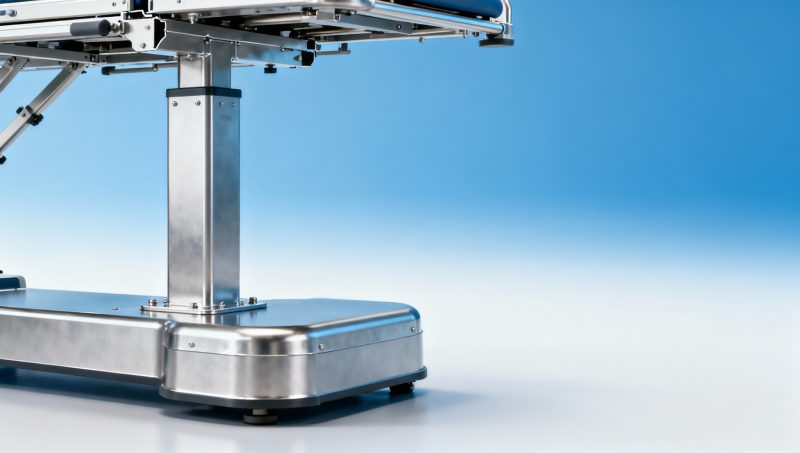
In physical therapy devices, precision-built sheet metal parts do far more than provide structure—they directly influence safety, durability, hygiene, and user comfort. From sheet metal chassis and sheet metal housing to sheet metal bracket and sheet metal enclosure components, the right sheet metal manufacturer or sheet metal supplier helps ensure clinical-grade performance while controlling sheet metal cost and long-term value.
For most buyers and technical evaluators, the real question is not whether sheet metal is used in physical therapy equipment—it is how much those parts affect device reliability, cleanability, ergonomic performance, compliance readiness, and total lifecycle cost. The short answer: they matter more than many product teams initially expect. In rehab devices that must withstand repetitive loading, frequent disinfection, patient contact, and years of daily use, weak sheet metal design often becomes a hidden source of vibration, corrosion, looseness, maintenance issues, and poor user experience.
That is why procurement teams, operators, startup founders, and healthcare decision-makers increasingly look beyond appearance and ask more practical questions: Which sheet metal components are function-critical? What manufacturing tolerances are acceptable? How do material and finishing choices affect hygiene and fatigue life? And how can buyers compare suppliers based on engineering truth rather than brochure claims?
What Do Sheet Metal Parts Actually Do in Physical Therapy Devices?
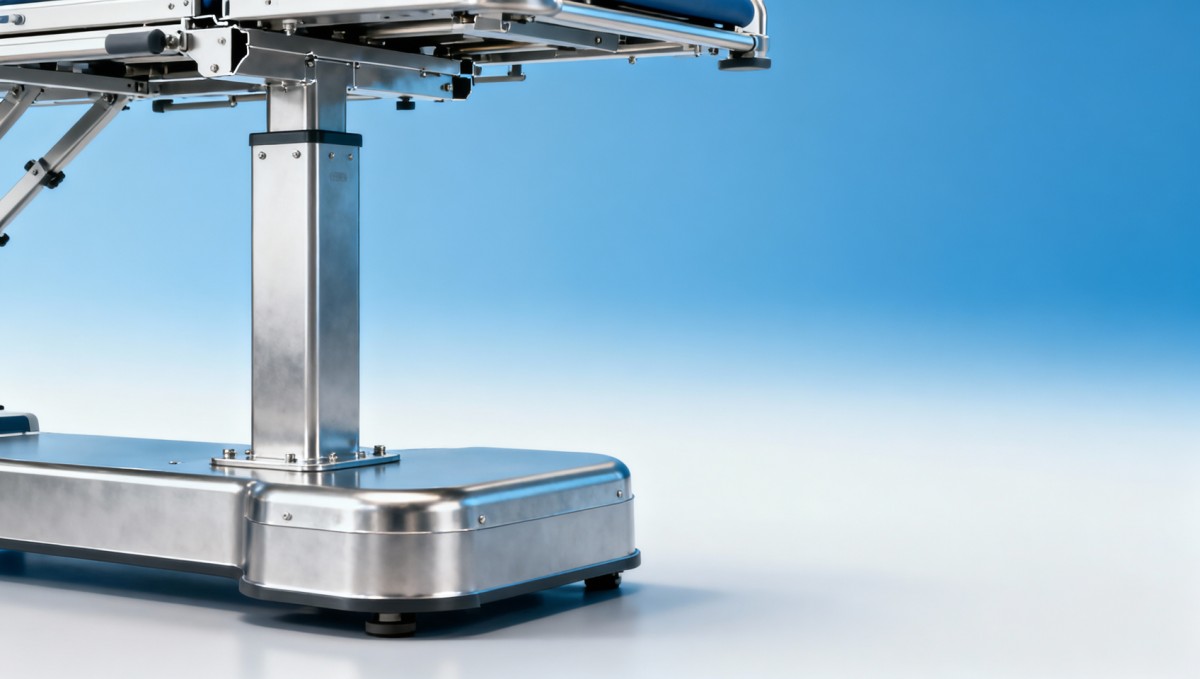
In physical therapy equipment, sheet metal parts serve both visible and hidden functions. They are commonly used in:
- Sheet metal chassis for the main structural frame of therapy systems
- Sheet metal housing to protect electronics, motors, sensors, and control modules
- Sheet metal bracket components for mounting displays, actuators, cable systems, pedals, guards, and accessories
- Sheet metal enclosure assemblies that support safety shielding, ventilation, and access panels
These parts appear in devices such as rehabilitation robots, electrotherapy units, gait-training systems, muscle stimulation equipment, treatment tables, diagnostic motion platforms, and patient-support mechanisms. Their role goes beyond “holding things together.” A properly engineered sheet metal assembly helps control alignment, vibration, heat dissipation, impact resistance, and user-contact safety.
For physical therapy devices in particular, this matters because equipment often experiences:
- Repeated motion cycles and mechanical stress
- Direct interaction with clinicians and patients
- Frequent cleaning with hospital-grade disinfectants
- Long operating hours in clinics or rehab centers
- The need for quiet, stable, confidence-inspiring performance
If the sheet metal structure lacks rigidity or dimensional consistency, the result may be more than cosmetic defects. It can affect sensor readings, motor alignment, cable routing, noise levels, service frequency, and even patient trust in the device.
Why Are These Parts So Important for Safety, Hygiene, and Clinical Reliability?
Target readers in healthcare and MedTech usually care about practical risk first. In that context, sheet metal parts support physical therapy devices in four high-impact ways.
1. Structural stability affects treatment consistency
A therapy device that shifts, rattles, flexes, or gradually loses alignment can compromise repeatability. This is especially relevant in devices involving controlled resistance, guided movement, or motion tracking. A robust sheet metal chassis or bracket system helps keep actuators, sensors, and patient-contact components in the correct position over time.
2. Surface quality and design influence hygiene
Healthcare environments demand easy cleaning and resistance to chemical exposure. Poorly finished seams, rough edges, corrosion-prone coatings, or inaccessible crevices can become cleaning challenges. A well-designed sheet metal housing with appropriate finishing helps support better infection-control practices and easier maintenance.
3. Enclosures protect sensitive subsystems
Electronics and control units in therapy devices need protection from dust, accidental contact, fluid exposure, and mechanical impact. A durable sheet metal enclosure can improve operational safety while also supporting EMI management, ventilation strategy, and service accessibility.
4. Ergonomics and user confidence depend on build quality
Operators notice panel fit, handle rigidity, edge quality, foot-clearance geometry, and access-panel usability. Patients notice wobble, noise, harsh corners, and perceived instability. These are not minor details. In rehabilitation settings, comfort and confidence affect compliance, workflow, and perceived care quality.
Which Sheet Metal Components Are Most Critical in Physical Therapy Equipment?
Not every component carries equal importance. For procurement and design review, it is useful to identify which parts are most closely tied to performance and risk.
Load-bearing frames and chassis
These parts carry dynamic and static loads, support moving assemblies, and maintain geometry over time. Material thickness, bend design, reinforcement strategy, and weld quality are especially important here.
Mounting brackets for motors, sensors, and control modules
A sheet metal bracket may seem simple, but poor bracket stiffness or hole-position inconsistency can lead to misalignment, vibration, calibration drift, or premature wear. Brackets that support moving systems or high-cycle components deserve close review.
Protective housings and operator-access panels
These influence usability, safety, and maintenance efficiency. Buyers should assess latch integrity, access logic, panel fit, edge finishing, and cleaning accessibility.
Base covers and external panels
Although more visible than structural, these components still matter. They affect airflow, cable protection, appearance retention, acoustic behavior, and overall perception of device quality.
How Material Choice Changes Performance and Long-Term Value
When evaluating sheet metal support for physical therapy devices, material selection is one of the most consequential decisions. It affects not only strength, but also corrosion resistance, manufacturability, weight, cost, and finish durability.
Stainless steel
Stainless steel is often favored where corrosion resistance, cleanability, and long service life are priorities. It is suitable for exposed areas, high-cleaning environments, and components that need a premium hygienic profile. However, it may increase weight and sheet metal cost depending on grade and fabrication complexity.
Aluminum
Aluminum can reduce weight and is useful in mobile or ergonomically sensitive equipment. It also offers good corrosion resistance, but design teams must account for stiffness, dent sensitivity, and joining strategy. For some assemblies, the lower weight can improve device handling and shipping efficiency.
Carbon steel with protective coating
Coated steel can be cost-effective for internal or less exposed structures, provided the coating system is appropriate for the cleaning and operating environment. The risk is that coating damage, edge exposure, or poor pretreatment can shorten service life.
For decision-makers, the right question is not “Which material is best?” but “Which material is best for the device’s real-use environment, load profile, cleaning protocol, and expected service life?”
What Manufacturing Details Separate a Reliable Sheet Metal Supplier from an Average One?
Many companies can fabricate metal parts. Fewer can consistently produce medical-adjacent components that support demanding rehab equipment. Buyers should look beyond price and ask for evidence in the following areas:
- Tolerance control: Can the supplier maintain dimensional accuracy where alignment matters?
- Bend consistency: Are repeated parts stable enough for assembly interchangeability?
- Weld quality: Are welds clean, repeatable, and appropriate for fatigue-prone structures?
- Surface finishing: Is coating or passivation suitable for healthcare cleaning conditions?
- Edge treatment: Are edges safe for patient and operator interaction?
- Documentation capability: Can the supplier support inspection records, material traceability, and process transparency?
- Design-for-manufacture input: Can they reduce part complexity, improve rigidity, and optimize sheet metal cost without degrading performance?
For MedTech startups and procurement teams, this is where an engineering-based supplier review becomes essential. A polished prototype may look acceptable, but production-scale consistency is what determines long-term field performance.
How Do Sheet Metal Parts Affect Total Cost, Not Just Unit Price?
One common mistake in sourcing is to treat sheet metal cost as only a fabrication line item. In reality, poor sheet metal decisions often create downstream costs that are much larger than the initial price difference.
Well-engineered parts can reduce total cost by lowering:
- Assembly rework caused by fit-up problems
- Field failures linked to fatigue, loosening, or corrosion
- Maintenance time due to poor service access
- Warranty claims from rattling panels, cracked brackets, or deformed housings
- Cleaning difficulty and finish degradation in clinical environments
- Packaging and shipping inefficiencies caused by excessive weight or fragile geometry
Conversely, a cheaper sheet metal supplier may increase total ownership cost if parts require frequent adjustment, fail cosmetic inspections, or underperform in real clinical use. For enterprise decision-makers, lifecycle value is usually a better metric than piece-part savings.
What Should Buyers and Technical Teams Check Before Approving a Supplier?
For readers trying to make a practical decision, the following checklist is more useful than generic supplier marketing.
Review the application, not just the drawing
Explain whether the part is load-bearing, patient-facing, cleaned daily, or exposed to vibration. A capable sheet metal manufacturer should adjust recommendations based on use case.
Ask for finish and durability evidence
Confirm resistance to disinfectants, abrasion, corrosion, and repeated handling. In healthcare-adjacent equipment, finish failure can quickly become a quality perception problem.
Validate assembly repeatability
Request samples from multiple production runs, not only one golden sample. The goal is to assess consistency.
Check serviceability
Can technicians remove panels easily? Are fasteners accessible? Does the enclosure design support maintenance without damaging adjacent components?
Assess risk documentation
For regulated and semi-regulated product environments, traceability, inspection methods, and process control matter. Technical credibility should be demonstrable.
Look for optimization without oversimplification
The best suppliers help reduce unnecessary complexity while protecting critical performance requirements. Cost reduction should not come at the expense of stiffness, hygiene, or longevity.
How VSM’s Engineering Perspective Helps Readers Make Better Judgments
At VitalSync Metrics, the core value is not promotional comparison—it is technical clarity. In markets shaped by value-based procurement and increasing regulatory scrutiny, the ability to evaluate sheet metal parts through performance criteria is more useful than accepting generic quality claims.
For physical therapy devices, a data-driven evaluation framework may include:
- Material suitability for cleaning and operating conditions
- Structural adequacy under repeated loading
- Dimensional consistency across production batches
- Surface treatment reliability over time
- Impact on user safety, acoustic behavior, and serviceability
- Relationship between design complexity and lifecycle cost
This kind of engineering truth is especially valuable for procurement leaders, MedTech startups, and product teams that need to justify sourcing decisions with measurable criteria rather than assumptions.
Conclusion: Sheet Metal Is a Performance Decision, Not Just a Fabrication Detail
Sheet metal parts support physical therapy devices in ways that directly affect safety, hygiene, reliability, usability, and cost control. A sheet metal chassis maintains stability. A sheet metal housing protects critical systems. A sheet metal bracket preserves alignment. A sheet metal enclosure helps manage safety, access, and durability. Together, these parts shape whether a device performs like a clinical-grade product or merely looks acceptable on paper.
For buyers, operators, and decision-makers, the key takeaway is simple: evaluate sheet metal components based on real-use demands, not only appearance or quote price. The right sheet metal supplier helps improve product integrity, reduce lifecycle risk, and support better long-term value. In healthcare-related equipment, that is not a minor sourcing choice—it is part of the device’s functional credibility.
- surface treatment
- EMS
- ESS
- PPE
- EdTech
- procurement
- AR
- sheet metal
- sheet metal parts
- sheet metal enclosure
- sheet metal bracket
- sheet metal housing
- sheet metal chassis
- sheet metal supplier
- sheet metal manufacturer
- sheet metal cost
- sheet metal components
- Cement
- value-based procurement
- engineering truth
- data-driven
- Packaging
Recommended News
- 2026.04.20What Sheet Metal Fabrication Buyers Should Ask in 2026Dr. Julian Rossi (RehabTech Specialist)
- 2026.04.20Are Sheet Metal Parts Worth It for Mobility DevicesSarah Jenkins (Laboratory Infrastructure Consultant)
- 2026.04.20How to Source Sheet Metal Enclosures Without DelaysDr. Hideo Tanaka (Imaging Systems Analyst)
The VitalSync Intelligence Brief
Receive daily deep-dives into MedTech innovations and regulatory shifts.