
How to Choose Sheet Metal Panels for Cleanable Equipment
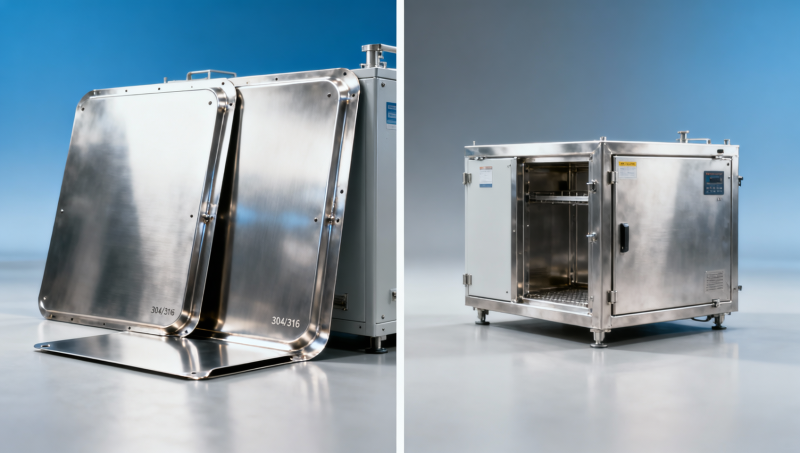
Choosing the right sheet metal panel for cleanable equipment affects hygiene, durability, compliance, and total sheet metal cost. For buyers, engineers, and operators evaluating a sheet metal manufacturer or sheet metal supplier, material grade, surface finish, sheet metal forming precision, and sheet metal welding quality all matter. This guide explains how to compare sheet metal fabrication options to reduce risk, control sheet metal price, and ensure reliable performance in healthcare and industrial environments.
Why panel selection matters in cleanable equipment
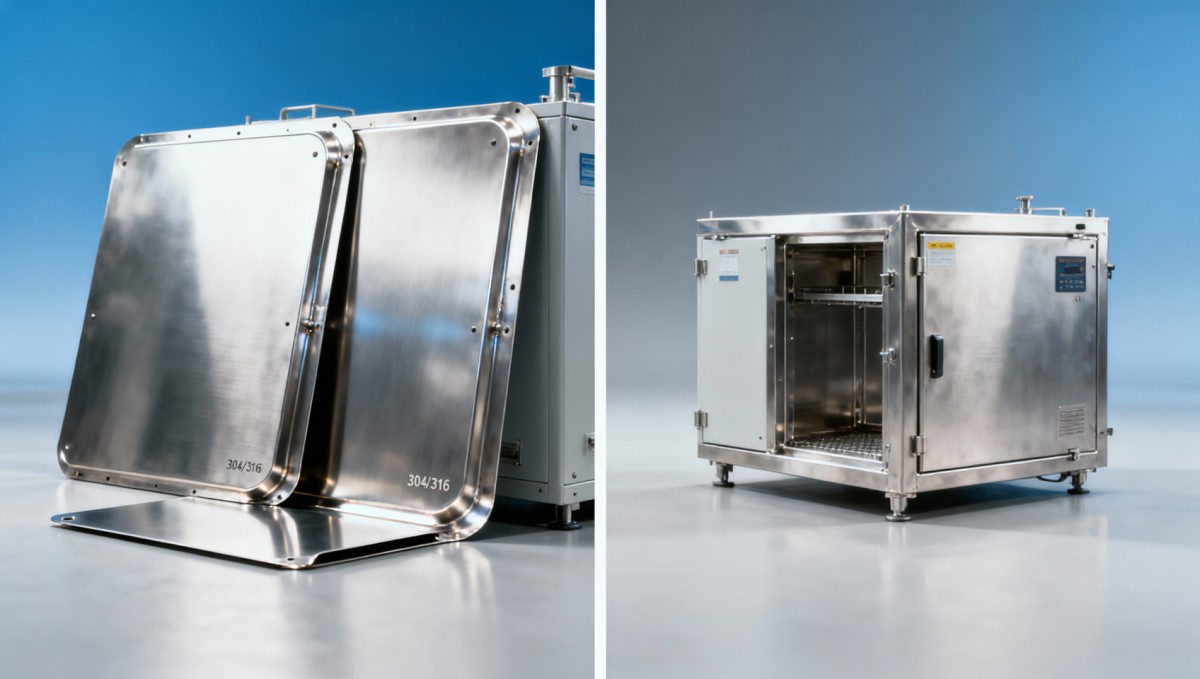
In cleanable equipment, the sheet metal panel is not just a cover. It influences whether a device can be cleaned quickly, whether residues accumulate in seams, and whether repeated wipe-down cycles shorten service life. In healthcare, laboratories, and controlled industrial settings, poor panel selection can create hidden hygiene risks long before visible damage appears.
For procurement teams, the challenge is often practical: two quotations may look similar, yet one panel system may perform better across 3 critical dimensions—cleanability, structural stability, and long-term maintenance. A lower initial sheet metal price can become a higher total ownership cost if corrosion, denting, or weld defects lead to rework within 12–24 months.
Operators care about different details. They notice whether corners trap liquids, whether the finish shows streaking after daily cleaning, and whether access panels remain aligned after frequent opening. These are not cosmetic issues. They directly affect uptime, cleaning labor, and inspection confidence during routine audits or validation reviews.
This is where VitalSync Metrics (VSM) brings value. Instead of relying on marketing language, VSM evaluates engineering truth: material behavior, fabrication consistency, and the link between manufacturing choices and real-use performance. For decision-makers comparing a sheet metal supplier, this evidence-based approach helps separate attractive claims from clinical-grade or operationally reliable results.
What users and buyers should evaluate first
- Material suitability for the cleaning chemistry used every day, every shift, or every week.
- Surface finish quality, because roughness and inconsistency influence residue retention and visual cleanliness.
- Sheet metal forming accuracy and panel flatness, especially where doors, enclosures, or removable guards must align within tight tolerances.
- Sheet metal welding quality at corners, joints, and hygienic transitions that are repeatedly exposed to moisture and disinfectants.
How to compare materials and finishes for hygiene and durability
Material grade is the first major filter. In many cleanable equipment projects, stainless steel is preferred because it balances corrosion resistance, cleanability, and mechanical strength. However, not all stainless options behave the same way. In practical sourcing, buyers commonly compare 304 and 316 stainless steel, while some cost-sensitive projects also consider coated carbon steel or aluminum for non-critical external panels.
The cleaning environment should guide the decision. If equipment is exposed to frequent disinfectants, chloride-containing solutions, humidity, or washdown cycles, corrosion resistance becomes more important than headline sheet metal cost. A panel that looks acceptable in a dry office-like setting may degrade faster in a healthcare room cleaned multiple times per day.
Surface finish matters almost as much as material choice. Smooth, consistent finishes are easier to inspect and clean. Uneven brushing, embedded contamination, or poorly finished weld zones can become early failure points. For many applications, a clean, uniform finish is preferable to a decorative finish that complicates maintenance or highlights damage after 6–12 months of service.
When VSM reviews panel specifications, the focus is not on catalog language alone. The practical questions are clear: Does the finish support repeatable cleaning? Does the material match the exposure profile? Do fabrication methods preserve the corrosion resistance expected from the base metal? These questions make supplier comparison far more reliable.
Material and finish comparison for cleanable equipment
The table below summarizes common sheet metal fabrication options for cleanable equipment and shows how buyers can align material selection with hygiene, durability, and budget priorities.
For many buyers, 304 stainless steel is the practical baseline, while 316 becomes a risk-control decision in more aggressive cleaning environments. The key is not to default to the most expensive material, but to match panel exposure, cleaning frequency, and expected service life with the right sheet metal supplier capability.
Finish-related questions to ask a supplier
- What finish consistency can be maintained across production batches of 50, 200, or 500 panels?
- How are weld areas restored or blended after sheet metal welding?
- Are edges, cutouts, and folded corners finished to reduce contamination retention?
- Can the supplier document cleaning-compatibility assumptions during specification review?
Which fabrication details affect cleanability the most?
Many sourcing mistakes happen after the material decision. A good stainless grade cannot compensate for poor sheet metal forming, rough cut edges, or inconsistent weld finishing. In cleanable equipment, geometry matters. Crevices, exposed fastener zones, abrupt internal corners, and misaligned doors can increase cleaning time and reduce inspection confidence.
Tolerance control is especially important where removable panels, hinged access doors, and instrument interfaces must fit consistently. In many projects, practical tolerance expectations for formed panels may fall around ±0.5 mm to ±1.0 mm, depending on size, thickness, and feature complexity. The exact target varies, but buyers should always ask what tolerance band is realistic for repeat production.
Sheet metal welding quality is another major differentiator. Poorly executed welds can leave pits, undercuts, spatter, and heat discoloration. These are more than appearance issues. They may interfere with cleaning, weaken corrosion performance, and create variation between prototype and production units. In healthcare-related equipment, these details deserve explicit review before volume release.
VSM’s benchmarking mindset is useful here because it translates fabrication detail into purchasing criteria. Instead of simply asking whether a panel is “high quality,” buyers can ask whether joints are continuous where needed, whether weld finishing is controlled, and whether forming sequences protect flatness and fit over repeated assembly cycles.
Key fabrication checkpoints before approval
- Check whether bend radii, edge conditions, and corner closures minimize residue traps in daily cleaning.
- Review weld location strategy so visible and high-exposure joints are easier to inspect and maintain.
- Ask for prototype-to-production consistency plans, especially if the project will scale from 10 samples to 200+ units.
- Confirm whether protective films, handling methods, and packaging reduce finish damage before installation.
Technical features buyers should compare side by side
The next table helps procurement teams, operators, and engineers compare the fabrication features that most directly affect cleanability, service life, and downstream maintenance effort.
This comparison shows why supplier capability matters as much as raw material choice. In many cases, a well-controlled sheet metal manufacturer using the right process discipline can outperform a cheaper alternative offering the same nominal material grade but weaker process control.
What should procurement teams ask about cost, lead time, and risk?
Sheet metal cost should be evaluated across the full decision chain, not just the quoted part price. Material grade, thickness, finish quality, fabrication complexity, inspection requirements, and packaging all influence sheet metal price. A lower-cost panel may still be the wrong choice if it creates delays, cleaning inefficiencies, or accelerated replacement needs over a 2–5 year equipment life.
Lead time also deserves closer review. For straightforward panels, prototype timelines may fall in the 7–15 business day range after drawing approval, while more complex assemblies can move into 2–4 weeks or longer depending on weld content, finishing steps, and supplier load. Buyers should ask which steps are driving lead time instead of assuming all delays come from raw material availability.
Another common blind spot is change cost. If a design is released before cleaning access, corner treatment, or mounting provisions are validated, later revisions can affect tooling, programming, and requalification. For this reason, many organizations benefit from a 3-stage review: prototype review, pilot batch validation, and production release. This reduces surprises when volumes increase.
VSM supports this stage by helping teams convert technical concerns into procurement questions. Instead of comparing only price and delivery, decision-makers can compare risk exposure, verification depth, and fit-for-use evidence. That approach is especially useful in healthcare and life sciences, where procurement mistakes often become compliance or reliability issues later.
A practical procurement checklist
- Define the cleaning profile: daily wipe-down, periodic disinfection, splash exposure, or washdown intensity.
- Confirm 5 core technical items: material grade, thickness, finish type, weld treatment, and tolerance expectation.
- Request sample or prototype review before committing to large-batch sheet metal fabrication.
- Evaluate the supplier’s quality communication, including revision control, inspection points, and packaging method.
- Balance sheet metal price against expected service interval, maintenance effort, and replacement risk.
Common cost drivers buyers often underestimate
- Complex geometry that increases setup time, forming steps, or weld labor.
- Finish requirements that need additional polishing, brushing consistency, or surface protection.
- Tighter tolerances that require more inspection and process control.
- Design changes after pilot production, which can affect both timing and total project cost.
How do compliance and healthcare-grade expectations influence panel choice?
Not every cleanable equipment project is a regulated medical device, but many still operate near regulated environments. Hospitals, laboratories, diagnostic developers, and life sciences facilities often require procurement decisions that can stand up to technical review. That means material traceability, documented specifications, and consistent manufacturing controls matter more than simple visual acceptability.
Where MDR or IVDR considerations are relevant to the broader product system, sheet metal panels may become part of a larger compliance conversation. Buyers should not assume the panel itself determines regulatory approval, but they should ensure that fabrication choices do not undermine cleanability, durability, or documented product requirements. In practice, this means defining expected performance before sourcing begins.
Common reference points may include stainless material documentation, controlled finishing processes, inspection records, and change management discipline. For some applications, ingress protection targets, cleanability validation logic, or environmental durability checks may also shape panel design. The exact documentation package depends on the equipment category, risk profile, and intended use environment.
VSM’s advantage is its ability to translate engineering evidence into procurement clarity. For global hospital procurement directors, MedTech startups, and laboratory architects, this reduces the gap between a supplier’s promise and a panel system’s real-world suitability. In other words, the panel is assessed as part of performance truth, not just part description.
Questions that improve compliance readiness
- Can the sheet metal supplier document material and finish specifications clearly across revisions?
- Are fabrication and inspection steps stable enough for repeat orders over 6–12 months?
- Does the panel design support cleaning protocols without creating inaccessible seams or residue traps?
- If the equipment enters a stricter market later, will current panel choices limit documentation or redesign flexibility?
FAQ: practical answers for buyers, engineers, and operators
How do I choose between 304 and 316 for sheet metal panels?
Start with the cleaning environment, not the material label. If the equipment sees routine wipe-down with standard disinfectants in a controlled indoor setting, 304 is often a practical choice. If exposure includes more aggressive chemistry, higher moisture, or repeated disinfecting cycles in sensitive healthcare spaces, 316 may justify the added sheet metal cost through better corrosion resistance and lower long-term risk.
What panel thickness is usually appropriate?
There is no universal answer because thickness depends on panel size, structural role, mounting method, and required stiffness. In practice, buyers often compare ranges such as 0.8 mm to 2.0 mm for enclosures and covers, but the correct value should be validated against flatness, vibration, handling, and dent resistance. If a supplier quotes thinner material, ask what structural assumptions support that choice.
What are the most common mistakes in sheet metal fabrication sourcing?
Three mistakes appear often: choosing based only on sheet metal price, ignoring weld and finish details, and approving prototypes without checking cleaning access. Another frequent issue is assuming that any stainless panel is automatically suitable for healthcare-adjacent equipment. In reality, geometry, finishing, and process control can matter as much as material grade.
How long does a typical project take from review to production?
For many standard projects, an initial review and prototype phase may take 1–3 weeks, followed by pilot or production scheduling depending on complexity and quantity. Assemblies involving extensive sheet metal welding, cosmetic finishing, or tighter tolerances may require longer. Buyers should ask for a step-based schedule covering drawing review, sample build, inspection, approval, and batch production.
Why choose a data-driven evaluation partner for panel sourcing?
When cleanable equipment is used in healthcare and life sciences environments, panel selection is not a minor purchasing detail. It affects hygiene, usability, maintenance effort, and confidence during technical review. That is why VSM focuses on measurable engineering truth rather than broad promotional claims. The goal is to help buyers understand what a panel specification will actually deliver in operation.
If you are comparing a sheet metal manufacturer, refining a cleanable enclosure design, or preparing a healthcare-oriented sourcing decision, VSM can help you evaluate the variables that matter: material grade, finish suitability, fabrication consistency, weld quality, compliance expectations, and total cost implications across the product lifecycle.
You can contact VSM to discuss parameter confirmation, sheet metal panel selection, prototype review criteria, typical lead time ranges, custom cleanability requirements, documentation expectations for regulated environments, or quotation-side technical gaps that may not be obvious from a supplier datasheet. This is especially valuable when multiple vendors appear similar on paper but differ in real engineering reliability.
For hospital procurement leaders, MedTech startups, laboratory planners, and equipment teams seeking clearer sourcing decisions, a structured review can reduce uncertainty before orders are placed. That means fewer avoidable changes, stronger supplier alignment, and better confidence that the chosen sheet metal fabrication route fits the intended environment from day one.
- EMS
- ESS
- PPE
- life sciences
- EdTech
- LMS
- procurement
- AR
- metal fabrication
- sheet metal
- sheet metal fabrication
- sheet metal forming
- sheet metal welding
- sheet metal panel
- sheet metal supplier
- sheet metal manufacturer
- sheet metal price
- sheet metal cost
- Cement
- benchmarking
- hospital procurement
- life sciences
- engineering truth
- data-driven
- Packaging
Recommended News
- 2026.04.20What Sheet Metal Fabrication Buyers Should Ask in 2026Dr. Julian Rossi (RehabTech Specialist)
- 2026.04.20Are Sheet Metal Parts Worth It for Mobility DevicesSarah Jenkins (Laboratory Infrastructure Consultant)
- 2026.04.20How to Source Sheet Metal Enclosures Without DelaysDr. Hideo Tanaka (Imaging Systems Analyst)
The VitalSync Intelligence Brief
Receive daily deep-dives into MedTech innovations and regulatory shifts.