 Get Insights

Dental implant wholesale pricing changes once traceability is included
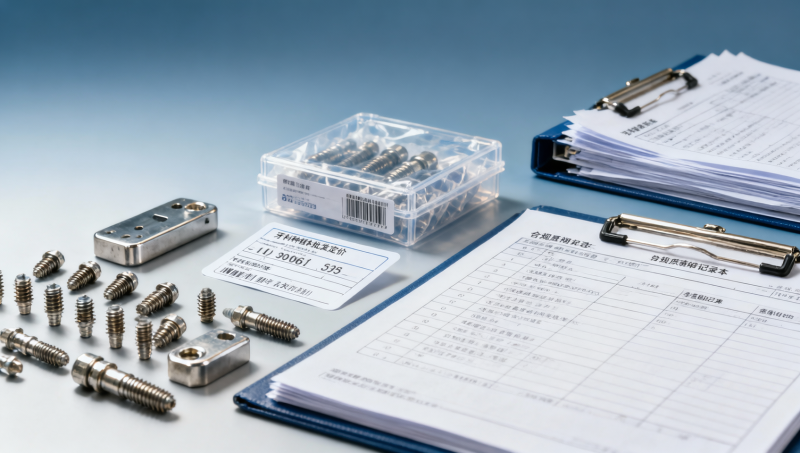
Dental implant wholesale pricing is no longer shaped by volume alone. Once traceability is built into sourcing, buyers must weigh material records, biocompatibility testing standards, iso 13485 audit requirements, and fda mdr compliance checklist demands alongside unit cost. For procurement teams and technical evaluators, this shift changes how implant value is measured—moving from simple price comparison to verified compliance, performance consistency, and long-term supply-chain trust.
For hospital buyers, dental chains, laboratory operators, and MedTech decision-makers, this pricing shift is not a minor paperwork issue. It changes supplier qualification, quality assurance workload, documentation review time, and even inventory strategy. A low ex-works implant price can become a high total-cost purchase if traceability records are incomplete, batch linkage is weak, or post-market documentation cannot support audits.
In practical terms, wholesale dental implant pricing now reflects much more than titanium, machining, and packaging. It also reflects serialized identification, lot-level material control, testing evidence, complaint handling capability, and alignment with regulated market expectations. For buyers comparing quotations across 3 to 5 suppliers, the most relevant question is no longer “Who is cheapest?” but “Which supplier can prove consistency over 12 to 36 months?”
Why traceability changes the baseline cost of dental implants
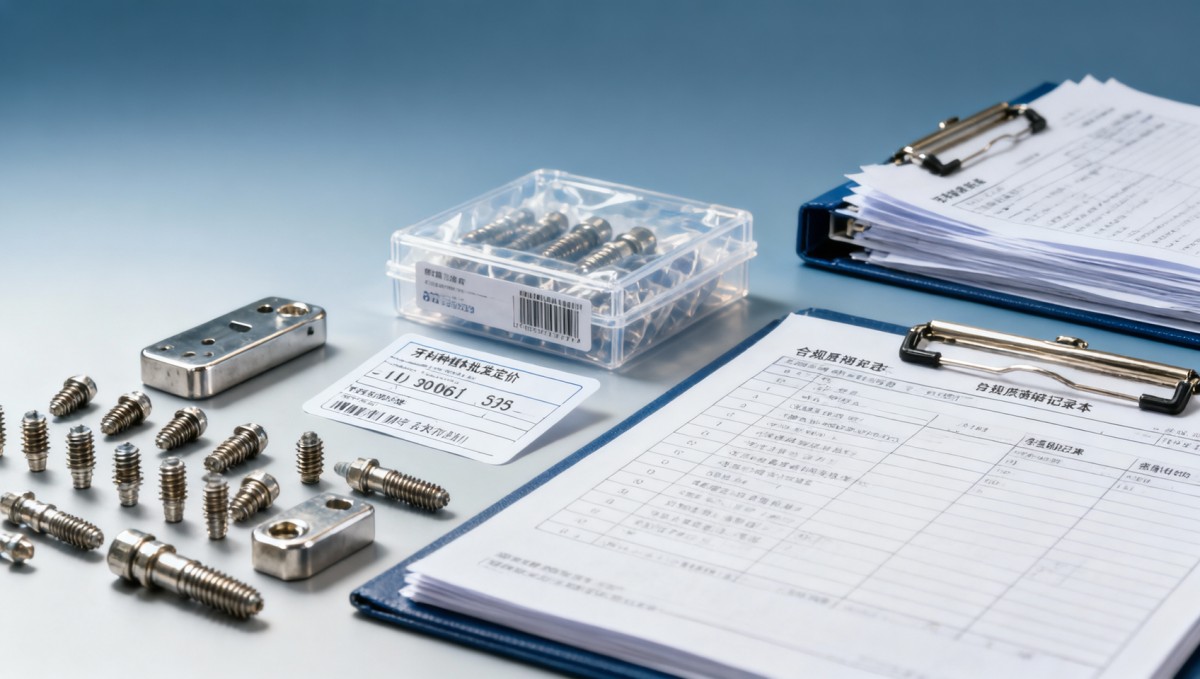
Traceability adds cost because it introduces controlled processes at multiple stages, not just an extra label on the box. A supplier must connect raw material certificates, machining batches, surface treatment logs, sterilization records where applicable, packaging data, and shipment history into a retrievable chain. Each of these controls requires labor, digital infrastructure, validation discipline, and document retention that may extend for 5 to 10 years depending on market requirements.
For wholesale buyers, this means the unit price difference between two implant systems may partly reflect the maturity of the manufacturer’s quality system. A supplier offering implants at 8% to 15% below market average may still be economically weaker if its records cannot support nonconformance review, complaint investigation, or root-cause analysis. Procurement teams that ignore this often discover the hidden cost later through delayed releases, customs holds, or failed distributor onboarding.
Traceability also affects production throughput. When implant lots are segmented into tighter batch sizes, such as 500 to 2,000 units instead of unrestricted pooled output, manufacturers can localize issues faster, but they also carry additional handling and verification time. In many sourcing environments, that translates into 2 to 7 extra business days in document preparation and final release before shipment.
Main cost layers introduced by traceability
Not every traceability program is equally robust. Some suppliers only provide a lot number and a certificate summary. Others can provide full chain-of-custody records, incoming material verification, process controls, and deviation logs. The pricing impact depends on how deep the traceability goes and how quickly documents can be retrieved during an audit or technical review.
- Material documentation: mill certificates, alloy verification, and incoming inspection records for titanium grades commonly used in implant production.
- Process linkage: machining route, surface treatment batch, cleaning sequence, and operator sign-off for critical steps.
- Quality release controls: dimensional inspection, sample retention, and nonconformance segregation before final dispatch.
- Digital retrieval capability: searchable records available within 24 to 72 hours rather than manual archive recovery over 1 to 2 weeks.
The table below shows how traceability maturity influences wholesale pricing logic beyond nominal unit cost.
The key takeaway is that traceability does not simply increase price; it redistributes cost from hidden downstream failures to visible upstream controls. For procurement leaders, that shift often improves cost predictability, especially when tenders, accreditation reviews, or distributor due diligence are involved.
Which compliance elements now shape wholesale implant quotations
When traceability is part of procurement, quotations are increasingly influenced by compliance workload. Dental implants sold into regulated channels may require support files tied to ISO 13485 quality systems, biocompatibility evaluations, supplier qualification procedures, labeling controls, and complaint traceability. Even when the buyer is not the legal manufacturer, they often inherit verification responsibility before importing, private labeling, or distributing the device.
This is why two seemingly similar implant offers can diverge by 12% or more. One supplier may include raw material records, process validation summaries, and packaging traceability in the quoted price. Another may quote only the finished product and charge separately for technical files, documentation packs, or audit support. Buyers should clarify this early, ideally before RFQ round 2, to avoid false cost comparisons.
A structured review should check not only whether certificates exist, but whether they are current, product-linked, and batch-linked. For example, a biocompatibility statement that is 6 years old and not clearly tied to the exact surface treatment process may have limited practical value during technical review. Similarly, a generic FDA MDR compliance checklist reference without complaint handling pathways and record ownership can create exposure rather than reduce it.
Documentation areas that affect price and approval speed
For purchasing teams, the most useful approach is to separate documentation into cost-driving categories. This helps identify which supplier is charging for real control and which one is only pricing for market appearance.
- Core quality system evidence: ISO 13485 scope, audit recency, document control, and supplier qualification procedures.
- Product-specific technical evidence: material data, dimensional inspection criteria, shelf-life or packaging validation where relevant.
- Post-market support: complaint handling workflow, adverse event escalation path, and field traceability response time.
- Change control visibility: notification period for process changes, subcontractor changes, or raw material source changes, ideally 60 to 90 days.
The table below summarizes common compliance factors and how they tend to influence the commercial discussion.
In many procurement reviews, compliance-linked pricing becomes easier to defend once teams connect it to time savings. A supplier that can return a complete traceability packet in 48 hours may reduce qualification cycles by 1 to 3 weeks compared with one that assembles records manually.
A common sourcing mistake
One frequent error is treating documentation as an add-on rather than part of product integrity. In dental implant procurement, documentation quality influences release, import readiness, distributor onboarding, and investigation speed. A cheaper quote without auditable traceability can weaken the buyer’s negotiating position later, especially if field questions arise after installation.
How procurement teams should compare dental implant offers when traceability is included
Once traceability is in scope, procurement needs a weighted evaluation model instead of a price-only ranking. A practical method is to score suppliers across 4 to 6 dimensions: unit cost, document depth, retrieval speed, process consistency, regulatory support, and change notification discipline. This approach is especially useful when evaluating OEM, private-label, or cross-border sourcing options.
Teams should also estimate total cost of ownership over at least 12 months. That includes not only initial purchase price, but time spent on supplier clarification, incoming verification, deviation management, delayed registration, and complaint investigation. In many B2B medical purchasing environments, these indirect costs can exceed a 5% to 10% unit-price saving if the supplier’s traceability is weak.
The most reliable comparison method is cross-functional. Procurement should not review quotations alone. Quality, regulatory, and technical users should all assess the file set. A 30-minute commercial review rarely identifies the same risks that emerge during a 2-hour technical documentation review with operators and quality staff involved.
Recommended evaluation checklist
- Confirm whether each implant SKU can be linked to a raw material lot, machining batch, and final inspection record.
- Request sample traceability packets and measure response time. A target of under 72 hours is a strong operational benchmark.
- Verify whether process changes trigger advance notification. A 60-day notice period is often more manageable than ad hoc disclosure.
- Ask how nonconforming lots are segregated and whether retained samples exist for investigation.
- Check if documentation fees are built into price or billed separately during audits, tenders, or registrations.
Operational users should be involved early
Operators and laboratory users often detect practical gaps before executives do. They know whether implant labeling is readable, whether packaging supports internal stock rotation, and whether batch data can be matched efficiently during receiving. These details matter because traceability fails in practice if warehouse, quality, and usage workflows are disconnected.
Decision-makers should therefore require at least 3 validation checks before contract award: document review, receiving workflow simulation, and complaint trace-back simulation. If a supplier cannot complete a mock trace-back in one working day, buyers should assume real-world disruptions will be slower and more expensive.
Implementation risks, supply-chain realities, and how to control them
Adding traceability to dental implant sourcing improves control, but it also exposes weak points in the supply chain. Some manufacturers rely on subcontracted machining, external surface treatment, or outsourced packaging. That structure is not automatically a problem, but it becomes a risk if records across those stages are inconsistent or if ownership of data is unclear during an investigation.
Lead times may also shift. A supplier that once promised shipment in 7 days may need 10 to 14 days when full release documentation and lot reconciliation are required. This does not necessarily signal inefficiency. It may indicate stronger release discipline. The procurement question is whether that timing is predictable, contractually visible, and aligned with buffer stock strategy.
Another risk is documentation fragmentation across systems. If the supplier stores production data in one system, complaints in another, and shipment records in spreadsheets, traceability quality may degrade under pressure. Buyers should ask not only whether records exist, but whether they are synchronized and reviewable without excessive manual intervention.
Risk control priorities for B2B buyers
The table below provides a practical risk-control view for organizations sourcing implants at wholesale scale.
These controls help buyers interpret price changes properly. A higher quote may be justified if it includes tighter subcontractor control, faster trace-back, and stable change notification. In regulated healthcare supply chains, those factors often matter more than a narrow invoice comparison.
A realistic implementation sequence
- Map current implant SKUs, annual volume, and destination markets over the next 12 months.
- Define mandatory traceability documents and acceptable response times.
- Run sample document requests and mock lot trace-backs with shortlisted suppliers.
- Contract change-control obligations, complaint response timing, and archive retention rules.
- Train receiving, warehouse, quality, and user teams so internal records remain linked after delivery.
This 5-step sequence reduces the gap between supplier promises and operational reality. It also helps explain pricing differences to finance teams in a clear, auditable way.
Frequently asked procurement questions about traceable implant sourcing
Does traceability always make dental implants more expensive?
Usually yes at unit level, but not always at total-cost level. Buyers may see a 5% to 20% increase in quoted price when documentation depth, batch control, and audit support are included. However, that increase can be offset by fewer release delays, faster complaint handling, and lower risk during registration or distributor qualification.
What is the minimum traceability evidence a buyer should request?
At minimum, request lot-linked material records, batch-linked inspection evidence, packaging or labeling linkage, and a documented complaint trace-back process. If the supplier supports regulated markets, buyers should also review ISO 13485 scope alignment and response time for document retrieval, ideally within 24 to 72 hours.
How long should qualification take when traceability is reviewed seriously?
A practical timeline for initial qualification is 2 to 6 weeks, depending on how many SKUs, markets, and stakeholders are involved. Single-market sourcing with a focused implant range may move faster. Private-label or multi-market distribution usually takes longer because technical, commercial, and regulatory reviews all need alignment.
What is the biggest mistake in comparing wholesale implant prices?
The biggest mistake is comparing invoice price without comparing evidence quality. If one supplier includes validated traceability, change control, and rapid complaint support while another does not, the offers are not commercially equivalent. True comparison requires a like-for-like review of both product and control system value.
As traceability becomes a core part of dental implant procurement, wholesale pricing should be interpreted as a signal of process maturity, compliance readiness, and supply-chain transparency—not just manufacturing cost. For information researchers, technical users, procurement teams, and executive decision-makers, the goal is to identify suppliers that can sustain documentation quality, process consistency, and reliable trace-back under real operating pressure.
VitalSync Metrics supports this shift by translating complex technical and compliance variables into structured benchmarking insight for healthcare procurement. If your team needs help evaluating dental implant suppliers, comparing traceability depth, or building a more defensible sourcing framework, contact us to discuss your application, request a tailored assessment, or explore more solutions for regulated MedTech procurement.
Recommended News
- 2026.10.15Medical Packaging Heat Seal Testing: Seal Strength vs. Seal Integrity TestsDr. Julian Rossi (RehabTech Specialist)
- 2026.10.14Clinic Supplier Comparison: Evaluating Cost, Delivery Reliability, and SupportDr. Alistair Thorne (Senior Biomedical Engineer)
- 2026.10.13Engineering Performance Testing Services: Evaluating Test Methods and AccuracyDr. Alistair Thorne (Senior Biomedical Engineer)
The VitalSync Intelligence Brief
Receive daily deep-dives into MedTech innovations and regulatory shifts.