
Remote monitoring devices: what users care about
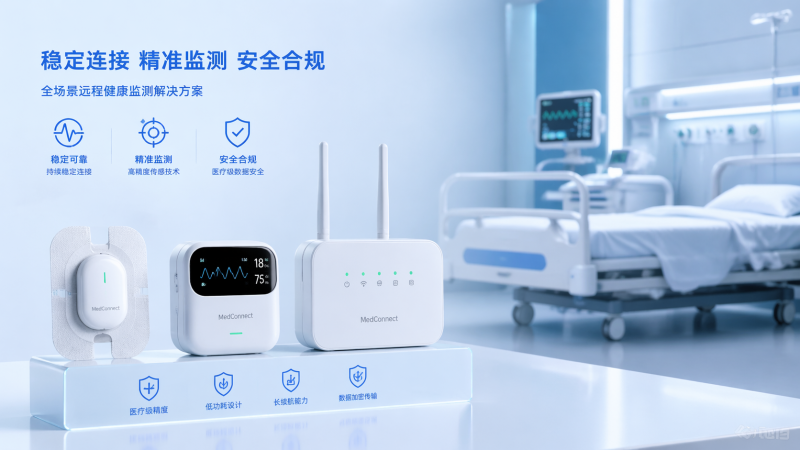
From wearable healthcare technology to healthcare compliance solutions, users care less about hype and more about reliability, safety, and measurable value. Whether evaluating medical equipment safety standards, medical equipment maintenance, or medical technology cost, buyers and operators want clear evidence that remote monitoring devices perform consistently in real clinical environments. This article explores the practical concerns, expectations, and decision factors shaping adoption across healthcare settings.
For hospital procurement teams, clinical operators, MedTech founders, and healthcare decision-makers, remote monitoring devices are no longer judged by feature lists alone. They are evaluated by signal quality, alarm accuracy, uptime, workflow fit, cybersecurity posture, serviceability, and documentation quality across 12 to 36 months of use.
That shift is exactly where independent benchmarking matters. In a market full of bold claims, organizations need engineering-grade evidence that a device can maintain reliable performance under real load, varied patient conditions, and strict compliance expectations. The real question is not whether remote monitoring is useful, but what users actually care about when clinical risk, procurement budgets, and operational continuity are on the line.
Why reliability matters more than feature density
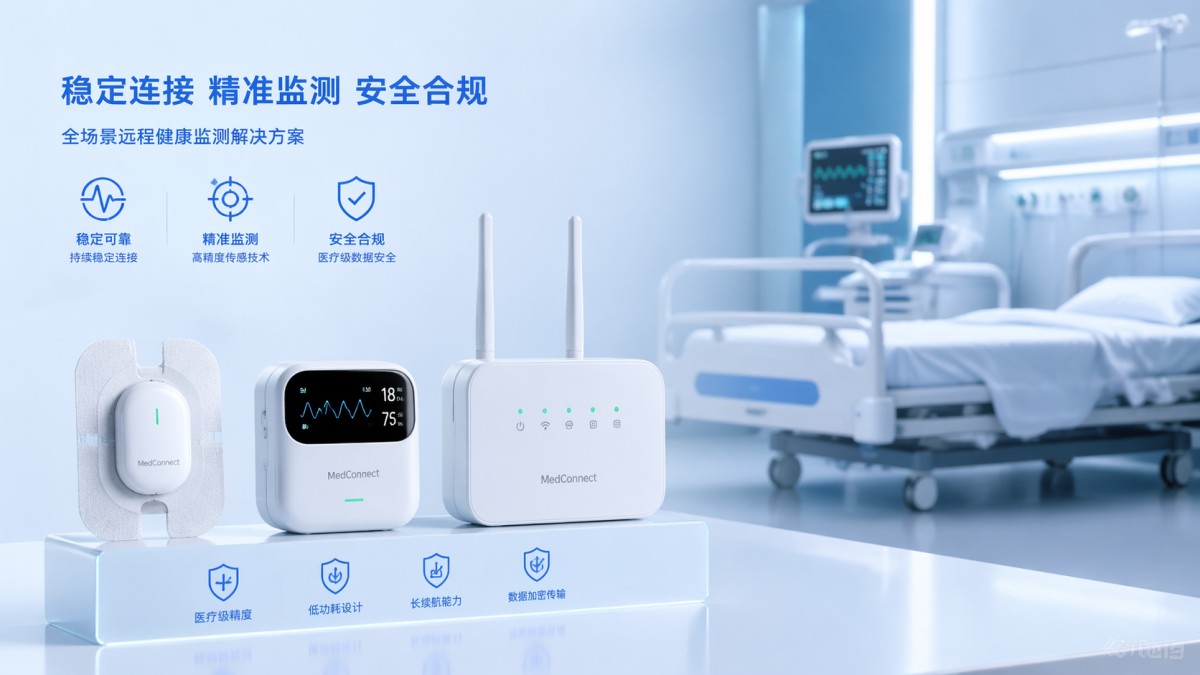
In healthcare, remote monitoring devices often promise continuous data capture, automated alerts, and better patient visibility. Yet users quickly discover that extra functions mean little if the device loses connectivity twice per shift, generates false alarms, or drifts outside acceptable measurement ranges after 6 to 12 months.
Clinical teams usually care about a short list of practical outcomes: stable readings, low maintenance burden, intuitive operation, and dependable alerting. A wearable patch, bedside sensor, or home monitoring gateway must work during long shifts, patient movement, and changing network conditions without creating extra manual checks every 30 minutes.
Procurement teams look at the same issue from a broader angle. They assess total lifecycle risk across purchase, installation, calibration, servicing, spare parts, software updates, and replacement planning. A lower upfront price can become more expensive if downtime exceeds 2% to 3%, battery replacement cycles are too frequent, or maintenance requires specialist visits every 90 days.
Common user expectations in real healthcare settings
Operators typically expect the device to be ready for use within 3 to 5 minutes, not after lengthy setup. In high-turnover wards, emergency observation areas, and decentralized care models, staff do not have the time to troubleshoot pairing errors or review fragmented logs across multiple screens.
Users also expect consistent measurement quality across patient types. A remote monitoring device that performs well on stable adults but struggles with motion artifacts, low perfusion, or variable skin conditions may produce unreliable data where accuracy matters most.
Signals users watch for immediately
- Whether alerts are clinically meaningful or triggered too often during normal movement
- Whether battery duration supports 8-hour, 12-hour, or 24-hour workflows without interruption
- Whether connectivity remains stable across rooms, corridors, and home-care network environments
- Whether cleaning, charging, and reprocessing can be completed within existing routines
These concerns explain why benchmark-driven evaluation is increasingly preferred over marketing-led selection. Buyers want proof of repeatability, not just peak performance under ideal lab conditions.
What procurement teams compare before approving a device
Remote monitoring devices are typically approved through multi-factor comparison rather than single-parameter screening. Procurement directors and technical reviewers often combine clinical usability, regulatory readiness, integration effort, and cost of ownership into a 4-part or 5-part evaluation framework.
The table below summarizes the decision areas that most often determine whether a device moves from pilot to scaled deployment. The emphasis is on practical procurement questions rather than abstract product messaging.
The key takeaway is that procurement rarely hinges on one attractive feature. A remote monitoring device is more likely to be selected when it shows balanced performance across technical, operational, and compliance dimensions.
Cost is judged over the device lifecycle
Medical technology cost is often misunderstood as unit price alone. In practice, buyers examine at least 6 cost elements: acquisition, consumables, connectivity, maintenance, software support, training, and replacement. For remote monitoring devices, recurring costs can exceed the initial hardware cost within 18 to 24 months if service planning is weak.
This is why many organizations request benchmark-style documentation that translates performance claims into measurable operating impact. If sensor drift raises recalibration frequency from annual to quarterly, or if failure rates require replacement stock above 10%, the procurement case changes immediately.
Safety, compliance, and data integrity are non-negotiable
Healthcare users do not separate safety from performance. A remote monitoring device that is difficult to clean, vulnerable to connectivity failure, or weak in data traceability presents a real operational risk. This is especially true in acute care, chronic disease monitoring, and decentralized patient pathways where clinicians may act on remote signals without direct bedside confirmation.
Medical equipment safety standards influence purchasing decisions long before final contract signing. Buyers typically ask how the device behaves during network interruptions, low battery conditions, firmware updates, or sensor degradation. A safe device must not only detect problems; it must fail in a controlled and visible way.
Compliance is equally important for manufacturers and purchasers. If documentation does not support regulatory review, post-market monitoring, and technical file consistency, the device creates long-term risk for tenders, audits, and expansion into new regions. This is why evidence packages often matter as much as hardware design.
Core safety and compliance checkpoints
Before broad deployment, healthcare organizations often review device safety through a practical checklist. The table below reflects common checkpoints used during evaluation, pilot review, and technical due diligence.
The strongest purchasing decisions usually come from linking these checkpoints to operational scenarios. It is not enough to ask whether a remote monitoring device is compliant on paper; users need to know whether it remains safe and traceable after repeated use, software changes, and routine cleaning cycles.
A practical 4-step review process
- Verify the intended use, patient population, and clinical setting for each device configuration.
- Review technical documentation for performance boundaries, maintenance intervals, and alarm logic.
- Assess operational risks in real workflows, including charging, cleaning, and network handoffs.
- Confirm support readiness for updates, replacements, incident reporting, and corrective actions.
This type of structured review reduces procurement surprises and helps users compare engineering integrity rather than presentation quality alone.
Usability, maintenance, and workflow fit determine long-term adoption
Even technically capable remote monitoring devices can underperform if they disrupt daily work. A device may pass validation, but if setup takes 7 steps, adhesive replacement is difficult, or the interface forces repeated screen switching, clinical staff will eventually bypass it or use it inconsistently.
Medical equipment maintenance is therefore not just a biomedical issue. It directly affects adoption. Users tend to prefer devices with predictable service intervals, simple consumable replacement, clear battery indicators, and support models that fit existing staffing levels. In many facilities, the difference between maintenance every 6 months and every 3 months is operationally significant.
Workflow fit also matters across care settings. Intensive care, step-down wards, outpatient monitoring, and home-based follow-up all place different demands on size, wear time, data presentation, and response protocols. A one-size-fits-all approach rarely works well in more than 1 or 2 settings.
What operators usually want from day one
- Fast onboarding, ideally under 2 hours of initial training for routine users
- Clear status visibility for battery, connectivity, sensor contact, and alert escalation
- Maintenance instructions that can be followed without specialist interpretation
- Consumable availability that supports 30-day to 90-day inventory planning
These details shape the real ownership experience. Devices that reduce hidden labor usually create stronger satisfaction than devices that merely add more dashboards or extra modes that few teams actually use.
A simple comparison of operational fit
The table below shows how users often compare remote monitoring devices beyond headline specifications. This operational lens is especially useful for pilot programs and procurement shortlists.
The lesson is straightforward: workflow fit has measurable value. A device that saves 2 to 4 minutes per setup, reduces troubleshooting calls, and aligns with cleaning routines often delivers stronger ROI than a more complex alternative with broader but underused features.
How decision-makers should evaluate vendors and evidence packages
For executives and procurement leaders, the vendor assessment process should go beyond product demonstrations. Remote monitoring devices should be reviewed alongside the supplier’s ability to provide technical clarity, update discipline, service continuity, and transparent performance evidence over time.
This is where independent benchmarking and technical whitepapers can change the quality of a decision. When manufacturing parameters, signal quality indicators, material durability observations, and maintenance assumptions are translated into comparable documentation, stakeholders can move from subjective preference to defensible procurement logic.
VitalSync Metrics (VSM) addresses this need by acting as a technical filter for the healthcare supply chain. For organizations comparing remote monitoring devices, the value of an external evidence layer lies in separating market positioning from engineering performance, especially when product categories are crowded and product claims sound similar.
Questions worth asking before a final decision
How robust is the evidence?
Ask for data collected over meaningful usage windows, not just brief demonstrations. A 24-hour trial may show connectivity, but it may not reveal adhesive fatigue, recharge burden, alarm drift, or repeated disinfection effects after 30, 60, or 90 cycles.
Can the supplier support the full lifecycle?
A capable supplier should explain support response times, replacement paths, software governance, and documentation updates clearly. If service responsibilities are vague at the pre-purchase stage, they often become more difficult after installation.
Does the device fit the intended care model?
Home monitoring, post-acute tracking, and in-hospital observation each require different tolerance for battery life, network dependence, patient self-use, and data review cadence. A good decision matches the device to the workflow, not the other way around.
A practical procurement checklist
- Define 4 to 6 must-have performance criteria tied to clinical use, not brochure language.
- Request maintenance, support, and replacement assumptions over at least a 12-month period.
- Review compliance and technical evidence with both procurement and operational stakeholders.
- Run a pilot with clear acceptance thresholds for usability, uptime, and alert relevance.
- Use independent benchmarking where possible to validate claims under standardized conditions.
Remote monitoring devices create value when they combine sound engineering, usable workflows, and transparent evidence. If your organization is comparing options, refining procurement criteria, or validating technical claims, VSM can help you move from uncertainty to measurable confidence. Contact us to discuss benchmarking priorities, request a tailored evaluation framework, or explore more healthcare technology assessment solutions.
- EMS
- ESS
- healthcare technology
- patient monitoring
- remote monitoring
- EdTech
- procurement
- cybersecurity
- AR
- supply chain
- Cement
- benchmarking
- healthcare technology assessment
- medical technology
- medical equipment
- hospital procurement
- supply chain
- manufacturing parameters
- healthcare supply chain
- healthcare technology
- healthcare compliance
- Remote Monitoring
- medical technology cost
- medical equipment maintenance
- medical equipment safety standards
- wearable healthcare technology
- healthcare compliance solutions
Recommended News
- 2026.04.24Medical technology cost: where budgets go wrongDr. Alistair Thorne (Senior Biomedical Engineer)
- 2026.04.24Packaging choices that protect sterile instrumentsDr. Julian Rossi (RehabTech Specialist)
- 2026.04.24Mobility assist devices: which option fits bestSarah Jenkins (Laboratory Infrastructure Consultant)
The VitalSync Intelligence Brief
Receive daily deep-dives into MedTech innovations and regulatory shifts.