
Ultrasound Transducer Frequency Range Explained by Use Case
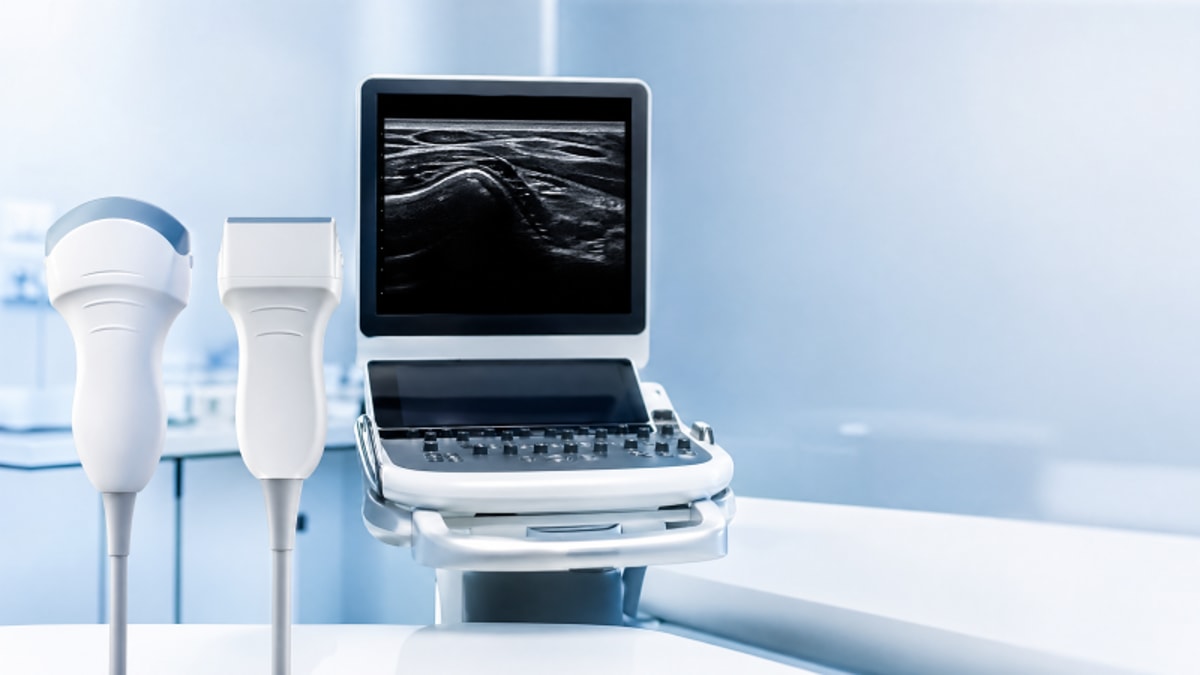
Choosing the right ultrasound transducer starts with understanding the ultrasound transducer frequency range for each clinical task. From deep abdominal imaging to high-resolution vascular and musculoskeletal exams, frequency directly affects penetration, detail, and usability. This guide explains how different use cases shape frequency selection, helping operators make more confident, technically informed decisions.
Why operators should use a checklist instead of guessing the ultrasound transducer frequency range
In daily scanning, the wrong frequency choice usually does not fail in an obvious way. It often produces an image that is “acceptable” but not optimal: vessels appear less crisp, deep lesions lose contrast, or near-field structures become cluttered. For users and operators, this is why a checklist-based approach matters. It reduces trial-and-error and aligns probe selection with penetration depth, anatomical target size, and expected image resolution.
A practical understanding of the ultrasound transducer frequency range also supports more consistent workflow across mixed-use departments. In many facilities, one operator may switch between abdominal, vascular, obstetric, procedural, and small-parts imaging within the same shift. Typical transducers may span from about 1 MHz to 20 MHz, but the usable range for routine care often concentrates between 2 MHz and 15 MHz. Knowing where each use case sits inside that range saves time and reduces repeat scans.
For procurement teams and technical evaluators, frequency is not a marketing label alone. It must be checked alongside bandwidth, element count, footprint, and system presets. VitalSync Metrics (VSM) often emphasizes this engineering view because a listed range such as 3–12 MHz does not automatically guarantee equal performance across the full band. Operators benefit when equipment decisions are based on measured imaging behavior rather than brochure language.
- First confirm the clinical target depth, usually in a practical window such as 1–3 cm, 3–8 cm, or 8–20 cm.
- Then confirm whether detail resolution or tissue penetration is the primary requirement for that exam.
- Check whether the transducer footprint matches the anatomy, especially for intercostal, neonatal, or procedural access.
- Review system presets and harmonic options because they can shift the effective usefulness of a given frequency band.
The core rule operators should remember
Higher frequency generally improves spatial resolution but reduces penetration. Lower frequency generally increases penetration but sacrifices fine detail. This tradeoff is the center of ultrasound transducer frequency range selection. In practical terms, 2–5 MHz is often preferred for deeper abdominal or obstetric work, 5–12 MHz is common for vascular and thyroid imaging, and 10–18 MHz is frequently used for superficial musculoskeletal or small-parts exams.
Use-case checklist: how to match frequency range to the exam
The fastest way to choose well is to connect each exam type to a target depth and a detail requirement. The table below gives a working guide for common operator scenarios. It is not a substitute for device-specific validation, but it is a reliable starting point when comparing routine probe choices.
This table shows the most important principle behind the ultrasound transducer frequency range: exam depth and resolution needs should be prioritized before brand preference or convenience. In many mixed departments, one convex probe in the 2–5 MHz band and one linear probe in the 5–12 MHz or 6–15 MHz band cover a large percentage of routine work.
Quick operating checklist by scenario
Before the scan begins, operators can use the following short list to avoid selecting a transducer that is technically mismatched to the clinical task.
- Estimate depth first. If the anatomy lies deeper than roughly 8 cm, start with a lower frequency option.
- If the target is superficial and under about 4 cm, move toward the higher end of the ultrasound transducer frequency range.
- For fine structures such as tendons, nerves, and vessel walls, prioritize detail over broad field depth.
- For larger body habitus or technically difficult windows, choose penetration first and optimize gain afterward.
A useful operational habit is to treat frequency as the first adjustment, not the last. Many image quality issues that operators try to solve with gain, dynamic range, or post-processing actually begin with a mismatched frequency band.
What to check beyond MHz labels when comparing probes
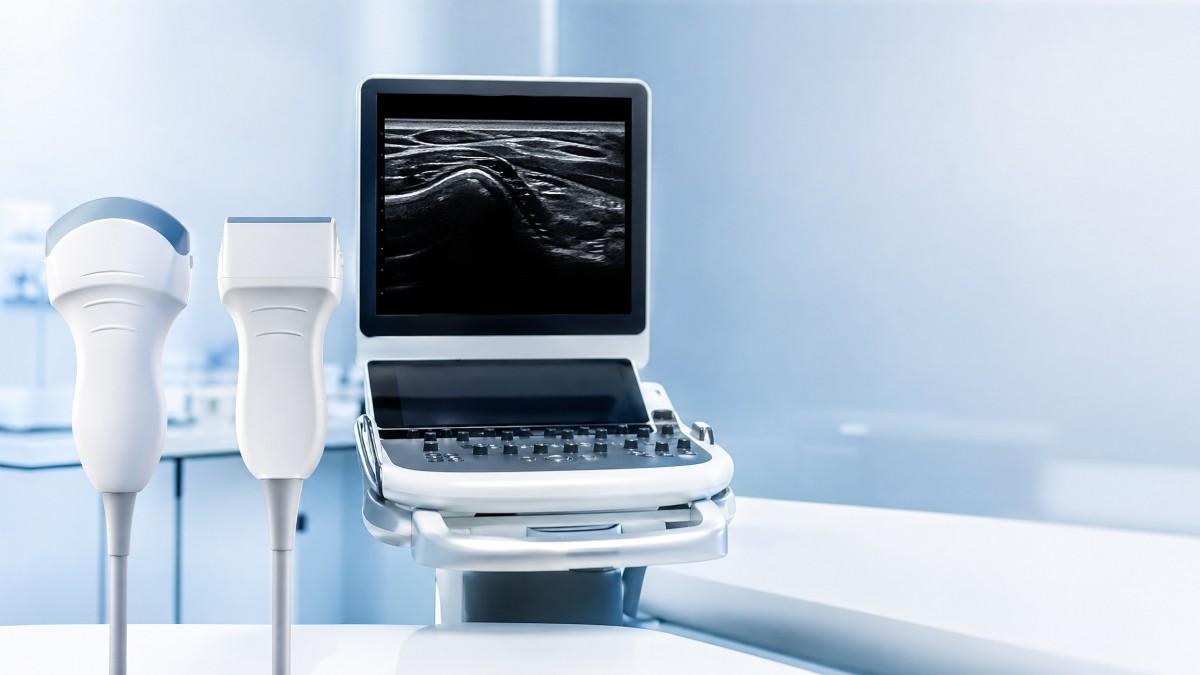
The printed ultrasound transducer frequency range is only one part of the decision. Two probes may both state 4–12 MHz yet perform differently in edge clarity, Doppler sensitivity, or superficial contrast. This happens because bandwidth implementation, matching layers, beamforming, and element design all influence real imaging results. Operators should therefore use a broader comparison framework.
This matters even more when facilities evaluate replacement probes, private-label systems, or cost-sensitive procurement options. In value-based healthcare environments, the right question is not only “What range is listed?” but also “How well does the probe deliver usable images at the low, mid, and high ends of that range?” A transducer that performs strongly across 70% to 80% of its nominal band can be more useful than one with a wider but less stable specification.
Probe comparison checklist for operators and technical buyers
- Check whether the stated frequency is center frequency only or a full operating bandwidth.
- Confirm if the probe supports harmonic imaging, which may improve image quality in the mid-range frequencies.
- Review footprint shape: linear, convex, phased, endocavitary, or specialty design.
- Ask how the transducer behaves in Doppler mode, because some probes lose sensitivity at deeper settings.
- Inspect cable strain relief, lens condition, and connector integrity for long-term reliability.
A practical comparison table for daily use
When comparing options, operators can separate “frequency suitability” from “overall probe usability.” The following table helps teams document both technical and workflow checks in a structured way.
This comparison structure is especially useful for hospitals and imaging centers trying to align operator feedback with procurement decisions. It also reflects the engineering mindset used by VSM: not all frequency claims translate into equal clinical utility, so evaluation should include both stated specifications and practical scan behavior.
Common mistakes that distort frequency selection
Many operators know the high-frequency-versus-low-frequency rule, yet still run into avoidable image problems. The reason is usually not lack of knowledge but incomplete checking. Frequency choice is often affected by patient habitus, acoustic window limitations, preset design, and workflow pressure. Recognizing these common mistakes can improve first-pass scan quality.
Mistake 1: choosing the highest frequency by default
A very common habit is to assume higher frequency always means better imaging. It does mean better detail, but only if the target remains inside the penetration limit. If the anatomy is 10 cm to 15 cm deep, a high-frequency linear probe may produce a cleaner superficial field while missing the structure that matters most. In this case, the ultrasound transducer frequency range must be shifted downward.
Mistake 2: ignoring body habitus and access window
A frequency that works well in a lean patient may fail in a larger body habitus or under difficult rib spacing. Operators should not treat exam type as the only decision factor. For example, vascular studies usually favor 5–12 MHz, but a deeper vessel may require moving toward 5–7 MHz rather than staying at 10–12 MHz.
Mistake 3: trying to fix a frequency problem with gain alone
If the selected probe lacks enough penetration, adding gain often increases noise more than useful signal. This can create false confidence because the screen appears brighter. A better workflow is to step back, re-evaluate depth, and verify whether another probe or another part of the transducer’s operating band is more appropriate.
- If deep anatomy looks washed out, test a lower frequency before changing multiple image controls.
- If superficial borders look soft, move higher within the probe’s range or switch to a more suitable linear transducer.
- If Doppler sensitivity drops unexpectedly, check whether depth and frequency are mismatched for the vessel location.
Execution guide: a simple workflow for selecting the right ultrasound transducer frequency range
A repeatable process helps users work faster and improves consistency between operators. The goal is not to memorize every number, but to make sound decisions in under 30 seconds before image acquisition begins. The following workflow is practical for outpatient imaging, inpatient bedside scanning, and technical evaluation sessions.
Step-by-step selection process
- Define the target structure and likely depth range before touching the probe.
- Choose the transducer family first: convex for deep abdominal work, linear for superficial detail, phased array for cardiac or narrow acoustic windows.
- Set the starting frequency in the mid-band, then move upward or downward based on actual image response.
- Assess whether the near field and far field are both clinically usable within the first few sweeps.
- If image quality remains borderline after basic optimization, reconsider the probe rather than over-correcting with controls.
This process is also valuable during equipment trials. If a department is comparing systems, operators should test the same anatomy at at least 3 depth conditions and document how each probe behaves at the low, middle, and high ends of its stated ultrasound transducer frequency range. That approach produces more reliable feedback than a single quick scan.
What to prepare before requesting technical support or a quotation
If your team is evaluating probes, replacement parts, or cross-platform transducer options, preparing the right information speeds up decision-making and reduces mismatch risk. This is particularly relevant when balancing performance, compliance expectations, delivery planning, and lifecycle cost.
- List the main clinical applications and the approximate percentage of use, such as 40% abdominal, 30% vascular, and 20% small parts.
- Record target depth ranges and whether high-detail superficial imaging is a priority.
- Note system compatibility, connector type, cleaning protocol, and service expectations.
- Clarify if you need support for technical benchmarking, sample evaluation, or documentation review related to procurement decisions.
Why choose us for technical guidance and next-step support
VitalSync Metrics (VSM) supports healthcare decision-makers with an engineering-first view of device performance. For teams trying to understand the real implications of an ultrasound transducer frequency range, that means moving beyond generic claims and focusing on verifiable operating suitability, application fit, and lifecycle considerations. We serve procurement directors, MedTech startups, laboratory planners, and technical users who need clearer benchmarks before they commit.
If you need help confirming parameters, comparing transducer options, reviewing practical use-case fit, or organizing a more structured evaluation workflow, we can help you frame the right technical questions. Our role is especially useful when your team needs a neutral perspective on specification clarity, replacement compatibility, expected delivery windows, or documentation needs linked to regulated healthcare environments.
Contact us to discuss ultrasound transducer frequency range selection, product matching, sample review priorities, technical benchmarking logic, quotation planning, or customized assessment criteria. If you already have candidate probes or system data sheets, sharing those details first will make the conversation faster and more productive.
Recommended News
- 2026.04.29Healthcare Analytics Metrics That Support Smarter Budget CallsLydia Vancini (Regulatory Compliance Lead)
- 2026.04.29Mobility Assist Selection Mistakes That Limit Long-Term UseSarah Jenkins (Laboratory Infrastructure Consultant)
- 2026.04.29Endoscope Image Resolution Benchmark for Vendor ComparisonDr. Alistair Thorne (Senior Biomedical Engineer)
The VitalSync Intelligence Brief
Receive daily deep-dives into MedTech innovations and regulatory shifts.