
Endoscope Image Resolution Benchmark for Vendor Comparison
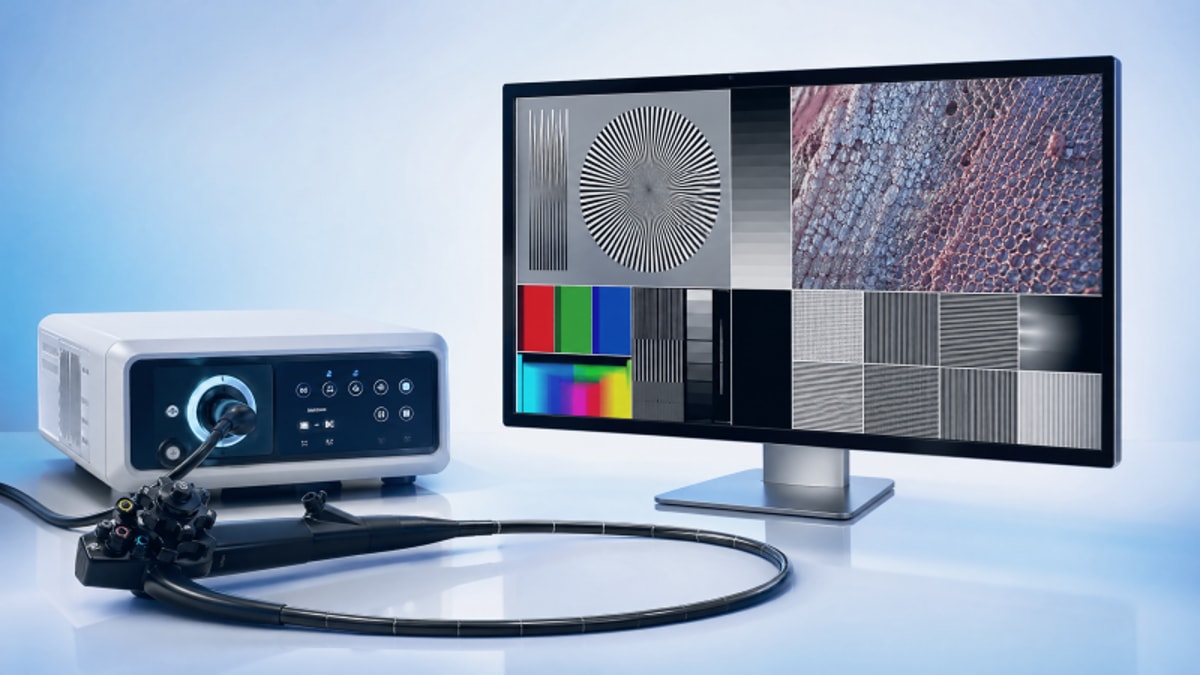
Choosing an endoscopy supplier now requires more than brochure claims. An endoscope image resolution benchmark gives procurement teams a clear, engineering-based way to compare vendors, verify real clinical imaging performance, and reduce sourcing risk. This introduction outlines how independent benchmarking supports value-based purchasing, technical due diligence, and more confident decisions in a complex MedTech market.
What is an endoscope image resolution benchmark, and why are procurement teams paying more attention to it?
An endoscope image resolution benchmark is a structured comparison method used to assess how clearly an endoscopic imaging system reproduces fine visual detail under repeatable test conditions. For procurement teams, this is important because two systems may claim the same “HD” or “4K” output, yet perform differently in edge sharpness, low-light detail, color consistency, and distortion control. In a capital equipment decision that may affect 5 to 8 years of service life, headline specifications alone are rarely enough.
In practical purchasing workflows, the benchmark is not just about pixel count. It usually evaluates the complete imaging chain: distal optics, illumination quality, image sensor behavior, processing pipeline, display compatibility, and signal transmission stability. A useful endoscope image resolution benchmark therefore helps buyers compare vendors on clinically relevant image quality rather than on marketing terminology. This is especially valuable when several suppliers appear technically similar on paper.
For hospital procurement directors and technical evaluators, the main advantage is risk reduction. A benchmark can reveal whether a device maintains detail at different working distances, whether performance changes after repeated sterilization cycles, and whether measured output aligns with the expected use case. In many sourcing projects, the difference between acceptable and preferred imaging performance emerges only when systems are tested side by side across 6 to 10 decision criteria.
Why is brochure-level resolution an incomplete metric?
Displayed resolution and effective clinical resolution are not always the same. A vendor may state a video output format, but the actual captured detail depends on sensor sensitivity, optical transfer efficiency, white balance stability, and compression behavior. Procurement teams that rely only on one advertised figure may overlook image noise, light falloff, or softness at the periphery of the field of view.
This is one reason independent technical comparison has become more relevant in value-based procurement. Instead of buying on claims, buyers can use an endoscope image resolution benchmark to ask whether a system remains readable at typical observation distances such as 10 mm, 20 mm, and 50 mm, or whether performance degrades under reduced illumination. Those are operational questions, not brochure questions.
Core elements usually included in a benchmark
- Center and edge detail measurement using standard targets under controlled lighting.
- Color reproduction checks to detect shifts that may affect tissue interpretation.
- Noise assessment in low-light conditions, often at more than 1 illumination level.
- Distortion and field uniformity review across the image frame.
- Repeatability over time, including handling after cleaning or reprocessing exposure where applicable.
A benchmark built around these points is more useful for sourcing than a single-number claim. It gives purchasing teams a defensible framework for technical due diligence and supports cross-functional alignment among clinical users, biomedical engineers, and finance stakeholders.
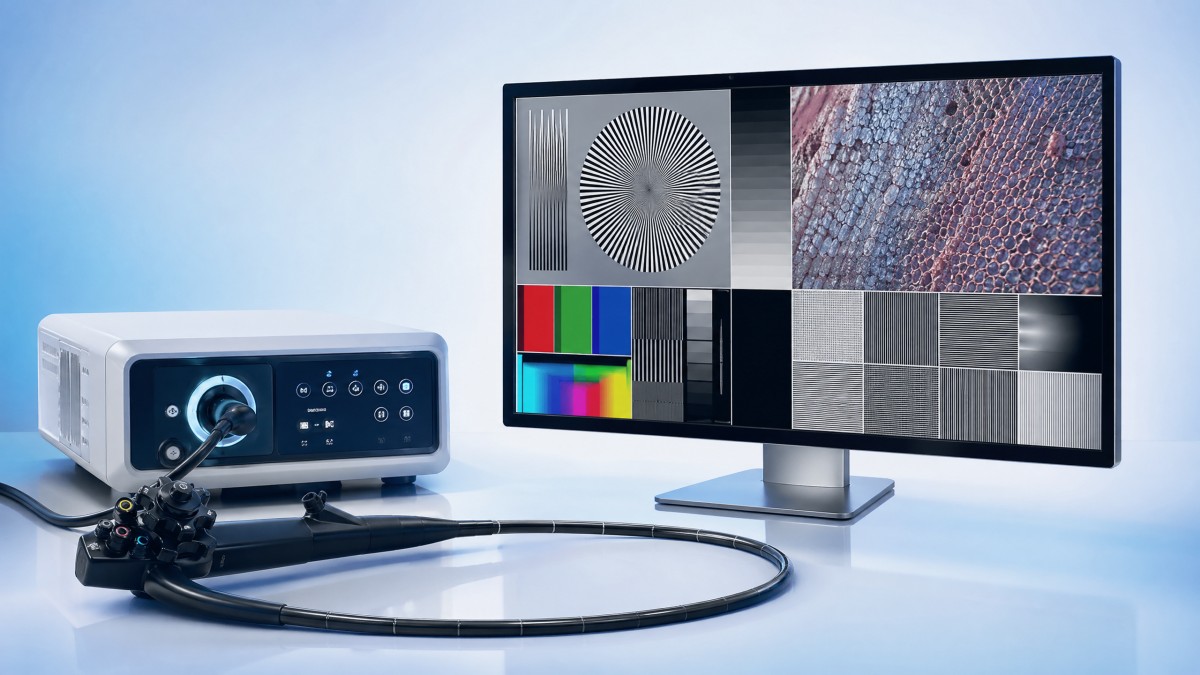
Which buyers and project types benefit most from an endoscope image resolution benchmark?
Not every purchase has the same evaluation depth, but several buyer groups gain clear value from an endoscope image resolution benchmark. Large hospitals with multi-room endoscopy programs often need objective criteria because a single sourcing decision may involve 10 to 30 units, compatibility checks, and long-term service contracts. In these settings, small differences in image performance can influence user satisfaction, training time, and downstream maintenance decisions.
MedTech startups and OEM buyers also benefit when they must validate a manufacturing partner or compare image modules before commercialization. For them, benchmark data can support supplier qualification, design verification, and investor-level technical documentation. A startup may not need a broad commercial tender, but it often needs a focused technical comparison across 3 to 5 shortlisted vendors.
Laboratory architects, innovation centers, and simulation facilities can also use benchmarking when selecting systems for training environments, test labs, or demonstration platforms. In these cases, consistency matters as much as peak quality. If multiple systems are used for evaluation, benchmarked imaging parameters help ensure that decisions are based on comparable visual output rather than inconsistent setup variables.
Where does the benchmark add the most value in the purchasing process?
The strongest value usually appears in the middle stage of procurement, after preliminary supplier screening but before final commercial negotiation. At this stage, buyers typically have a shortlist and need technical evidence to justify selection. A benchmark can separate vendors whose quote prices fall within a narrow band, such as a 10% to 15% spread, but whose imaging performance differs more meaningfully in practice.
It also helps when the project includes compliance review under MDR or related quality documentation processes. While a resolution benchmark is not a regulatory certificate, it can support the technical file review mindset by showing that the buyer evaluated measurable performance instead of relying entirely on supplier assertions.
Typical use cases for procurement-led benchmarking
- Competitive vendor comparison in a hospital tender with 2 to 4 finalists.
- Technical qualification of OEM imaging partners before contract signing.
- Replacement planning when existing systems show aging optics or declining image consistency after several years.
- Due diligence for investors or strategic buyers evaluating a MedTech product pipeline.
In short, the benchmark becomes most valuable when the cost of a wrong choice is high, the technical claims are close, or the installed lifecycle is long enough that small quality gaps can accumulate into large operational consequences.
What should procurement teams actually compare when reviewing vendors?
A strong endoscope image resolution benchmark should compare more than nominal resolution. Procurement teams should ask vendors and testing partners to define the exact conditions of measurement, including working distance, illumination level, image output path, display type, and test target. Without this, two data sheets may look comparable even when one system was measured under more favorable conditions.
It is also useful to separate optical performance from software enhancement. Some systems sharpen images aggressively, which may improve apparent detail on first viewing but can also introduce halos or hide underlying sensor limitations. Buyers should ask whether benchmark results distinguish native captured detail from processed output, particularly when systems are intended for demanding visual tasks.
Beyond image quality, practical comparison should include durability and service variables. A system that performs well on day 1 but is difficult to maintain, calibrate, or integrate may generate higher total ownership cost over a 3- to 7-year window. That is why vendor comparison should connect imaging results with supportability, traceability, and replacement planning.
A practical comparison matrix for vendor screening
The table below summarizes the kinds of parameters procurement teams should review when building an endoscope image resolution benchmark for vendor comparison. It is not a universal scoring sheet, but it provides a disciplined starting point for technical and commercial alignment.
This matrix helps buyers avoid a common mistake: comparing only one image metric while ignoring serviceability and consistency. A supplier with slightly lower initial sharpness but stronger repeatability and support may fit a procurement strategy better than a vendor that wins only on a single visual snapshot.
What questions should be asked during technical review?
- At what distances and lighting levels was the image quality measured?
- Does the result reflect raw capture quality, processed output, or both?
- How stable is performance after repeated cleaning, transport, or handling cycles?
- What is the expected service response time, and are key spare parts locally accessible?
- Can the vendor provide traceable documentation that aligns with internal quality review needs?
When these questions are built into the sourcing process, an endoscope image resolution benchmark becomes more than a lab exercise. It becomes a structured decision tool that helps protect both clinical quality and procurement accountability.
What are the most common mistakes when comparing endoscope vendors?
One frequent mistake is assuming that a higher stated resolution automatically means better clinical imaging. In reality, poor illumination, weak optics, or excessive image processing can reduce useful detail even when the output format looks advanced. Procurement teams should treat any single-number claim as incomplete until it is placed inside a broader endoscope image resolution benchmark.
A second mistake is testing systems under non-equivalent conditions. If one vendor demonstrates a device on a premium display with optimized settings and another is viewed through a standard chain, the comparison is already biased. Equalized test setup is essential. Even changes in monitor calibration or cable path can influence perception when buyers are comparing close candidates.
A third mistake is separating technical review from lifecycle economics. For many buyers, imaging quality matters most at evaluation time, but maintenance access, replacement lead times, and training requirements become more influential after installation. A sourcing decision should therefore balance short-term visual preference with medium-term operational reliability over 24 to 60 months.
A quick FAQ table for common decision errors
The following FAQ-style table highlights recurring misconceptions and how procurement teams can respond more effectively during vendor comparison.
This table is useful because it translates technical uncertainty into purchasing behavior. Many sourcing risks do not come from a lack of data, but from using the wrong decision shortcut. A disciplined benchmark helps procurement teams replace assumptions with repeatable evidence.
How can teams reduce comparison bias?
- Use the same display environment, viewing distance, and lighting setup for every vendor.
- Define 5 to 7 weighted decision factors before the live review starts.
- Separate user preference scoring from measured technical performance.
- Document any software enhancement settings that may influence perceived sharpness.
These steps do not make procurement slower. In many cases, they make vendor selection faster by reducing debate and creating a shared evaluation language between engineering and purchasing stakeholders.
How long does benchmarking take, and what should be confirmed before starting?
The timeline depends on scope, but a focused endoscope image resolution benchmark for 2 to 4 vendors can often be planned within 1 to 2 weeks and executed in several days once samples and test conditions are confirmed. A broader project involving repeatability checks, multi-distance analysis, and procurement reporting may extend into a 3- to 6-week cycle. Buyers should define urgency early, especially if the benchmark is tied to a tender deadline or capital budget window.
Before testing starts, teams should confirm the exact equipment configuration. This includes scope type, camera control unit, processor version, display path, and any accessories that may affect image output. If configurations differ too much, results may not be procurement-ready. The benchmark should answer a specific sourcing question, not generate a loosely comparable set of impressions.
It is also wise to align on report format in advance. Procurement users often need an executive summary, weighted comparison view, and technical appendix. Engineering teams may need raw observations and setup documentation. If the output structure is agreed at the beginning, the benchmark becomes easier to use in committee review, supplier negotiation, and internal approval workflows.
A practical pre-benchmark checklist
Before launching a vendor comparison project, the following checklist can save time and reduce rework.
- Confirm the procurement goal: shortlist validation, final award support, or supplier qualification.
- Define which image conditions matter most: standard illumination, low light, near field, or wider working distance.
- Decide whether durability exposure or repeat testing is required over multiple handling cycles.
- Specify the report depth needed for procurement, engineering, and quality teams.
- Clarify whether pricing, service response, and spare support will be reviewed alongside imaging performance.
For many organizations, this checklist is where technical benchmarking becomes operationally useful. It connects the endoscope image resolution benchmark to real sourcing outcomes such as award justification, negotiation leverage, and risk documentation.
How can procurement teams use benchmark findings to make a confident final decision?
The best use of benchmark results is not to rank vendors by one visual score, but to integrate technical evidence into a broader decision model. Procurement teams can create a weighted framework in which image quality, service capability, compatibility, documentation quality, and commercial terms each have a defined role. In many projects, image performance may carry 30% to 40% of the total score, while support and lifecycle factors carry another substantial share.
This approach is especially valuable when one vendor leads in peak sharpness while another offers stronger service coverage or more stable long-term support. Benchmarking helps the organization understand the trade-off clearly. Rather than arguing from opinion, stakeholders can discuss which difference is material for the intended clinical workflow and which difference is acceptable within budget and operational constraints.
For organizations working under value-based procurement principles, benchmark findings can also improve negotiation quality. If buyers know precisely where a system is strong or limited, they can negotiate around warranty terms, accessories, training, delivery sequencing, or sample support instead of focusing only on unit price. Better data often leads to better contract structure.
Why choose us for benchmark-driven vendor comparison?
VitalSync Metrics supports healthcare procurement and MedTech decision-making with an engineering-first approach. We focus on turning technical claims into structured comparison evidence, helping buyers assess whether a product’s imaging performance matches procurement goals, risk tolerance, and lifecycle expectations. Our role is not to amplify promotional language, but to clarify what can be measured, verified, and acted upon.
If your team is reviewing endoscopy suppliers, we can help frame the right endoscope image resolution benchmark for the decision in front of you. That may include parameter confirmation, vendor comparison criteria, test condition design, reporting structure, or alignment between technical findings and commercial review. For startups and OEM buyers, we can also help define supplier qualification logic before larger commitments are made.
What can you contact us about?
- Parameter confirmation for image quality comparison and reporting scope.
- Vendor selection support for hospital procurement, OEM sourcing, or technical due diligence.
- Estimated project cycle, sample coordination, and test planning for urgent tenders.
- Custom benchmark design aligned with clinical workflow, documentation needs, or internal quality review.
- Discussion of certification-related context, delivery expectations, sample support, and quotation planning.
If you need a clearer basis for comparing suppliers, reducing sourcing uncertainty, or validating imaging claims before award, contact us to discuss your project scope. A well-designed endoscope image resolution benchmark can turn a difficult vendor comparison into a more transparent and defensible procurement decision.
Recommended News
- 2026.04.29Healthcare Analytics Metrics That Support Smarter Budget CallsLydia Vancini (Regulatory Compliance Lead)
- 2026.04.29Mobility Assist Selection Mistakes That Limit Long-Term UseSarah Jenkins (Laboratory Infrastructure Consultant)
- 2026.04.29Endoscope Image Resolution Benchmark for Vendor ComparisonDr. Alistair Thorne (Senior Biomedical Engineer)
The VitalSync Intelligence Brief
Receive daily deep-dives into MedTech innovations and regulatory shifts.