
Surgical & Clinical Tech Upgrades That Reduce Workflow Friction
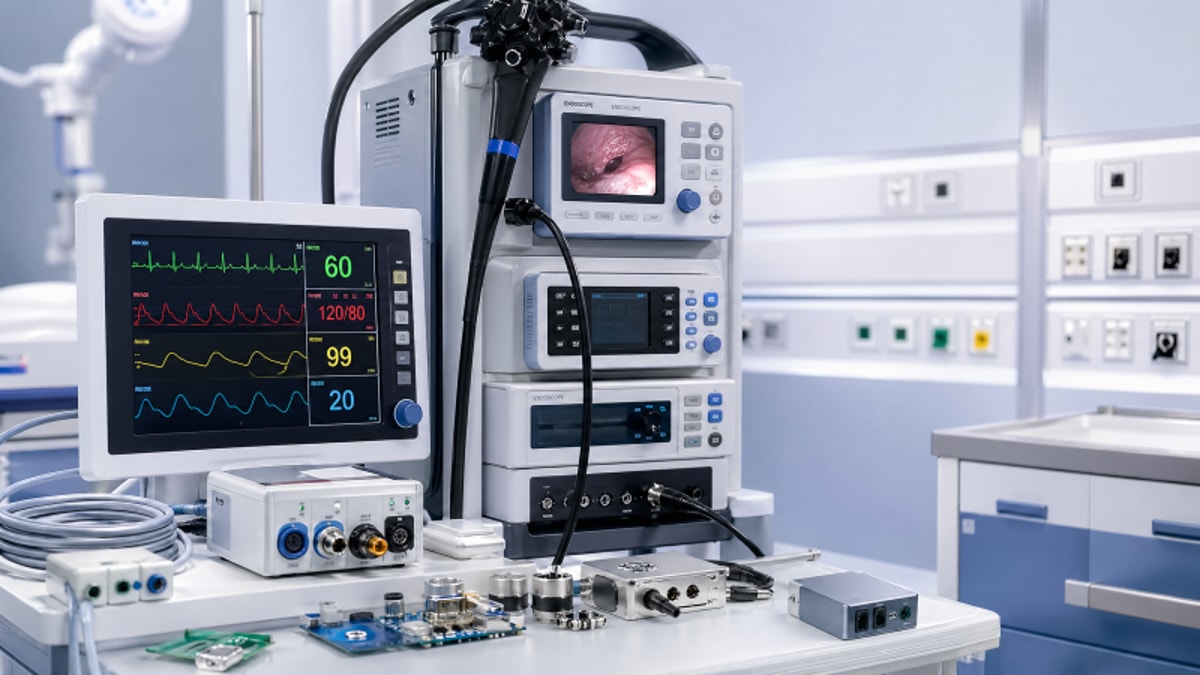
In modern care environments, Surgical & Clinical Tech upgrades are only valuable when they reduce downtime, simplify servicing, and protect clinical performance. For after-sales maintenance teams, the real challenge lies in balancing device reliability, compliance, and workflow continuity. This article explores how smarter technical upgrades can remove friction across surgical and clinical settings while supporting long-term operational confidence.
Understanding Surgical & Clinical Tech in Real Operational Terms
In hospitals, ambulatory surgery centers, laboratories, and hybrid clinical facilities, Surgical & Clinical Tech is not limited to headline devices such as imaging systems, endoscopy towers, patient monitors, or sterilization units. It also includes the service layers that keep those assets usable: sensor modules, interface boards, firmware controls, cable assemblies, power management, traceability features, and maintenance diagnostics. For after-sales maintenance personnel, upgrades matter only when they reduce intervention time, support predictable servicing, and preserve clinical function under daily use.
Workflow friction usually appears in small but costly forms. A 20-minute delay caused by unstable connectivity, a recurring alarm that requires manual reset twice per shift, or a component that fails after 6 to 12 months instead of reaching its expected service interval can disrupt an entire care chain. In surgical settings, friction affects room turnover and equipment readiness. In clinical and laboratory environments, it can affect sample throughput, monitoring continuity, and preventive maintenance scheduling.
This is why the best Surgical & Clinical Tech upgrades are rarely the loudest. The most valuable changes are often engineering-level improvements that reduce fault frequency, improve modular replacement, strengthen environmental tolerance, and support cleaner compliance documentation. For maintenance teams working across multiple device families, the practical question is not whether a technology is newer, but whether it is easier to maintain within 15-minute triage windows, 24-hour service targets, and multi-site asset management frameworks.
Why the Industry Is Paying Closer Attention
Healthcare providers are under pressure to improve uptime without overexpanding technical staff. At the same time, device ecosystems are becoming more interconnected, more software-dependent, and more compliance-sensitive. As a result, the maintenance burden has shifted from isolated hardware repair to lifecycle oversight that includes firmware compatibility, component traceability, calibration confidence, and documentation discipline. Surgical & Clinical Tech decisions now influence not just capital performance, but downstream service efficiency over 3-, 5-, or even 7-year usage periods.
The move toward value-based procurement has added another layer. Procurement teams increasingly ask whether an upgrade reduces ownership risk, whether parts remain available for at least 36 months, and whether technical files support regulated deployment under frameworks such as MDR or IVDR where relevant. In practice, this means service teams are no longer responding only to failures. They are expected to contribute to technical verification before installation and throughout the product lifecycle.
Independent benchmarking has become more relevant in this context. Organizations such as VitalSync Metrics focus on translating engineering parameters into usable decision support, helping global stakeholders distinguish between promotional claims and maintainable performance. For after-sales teams, this type of technical clarity is useful because service success depends on measurable design choices, not on brochure language.
Core Traits of Low-Friction Upgrades
- Modular assemblies that allow replacement at sub-system level rather than full-unit teardown.
- Diagnostic visibility that shortens fault localization from hours to minutes.
- Stable firmware architecture with controlled update cycles, rollback logic, and version traceability.
- Materials and connectors designed for repeated cleaning, vibration, heat, or sterilization exposure.
- Documentation that supports servicing, compliance review, and cross-site maintenance consistency.
Where Workflow Friction Comes From in Surgical and Clinical Environments
Friction usually develops where clinical urgency meets technical complexity. In the operating room, high dependency on synchronized systems means one unstable video processor, one unreliable footswitch interface, or one drifting insufflation control can interrupt an entire case pathway. In wards, clinics, and laboratories, recurring friction often comes from battery instability, sensor degradation, calibration drift, network handoff issues, or service documentation gaps that delay corrective action.
After-sales maintenance teams see these issues from a practical angle. They have to manage first response, root-cause assessment, parts replacement, verification, and service records under real time pressure. If a device family requires 8 different tools, 4 firmware environments, and multiple undocumented field adjustments, every visit becomes slower and riskier. By contrast, a well-designed upgrade can reduce mean time to diagnose, standardize part replacement, and simplify training across technician groups.
The following overview shows how different friction points typically appear and what type of Surgical & Clinical Tech upgrade can reduce them. This is especially relevant for service teams supporting mixed fleets in hospitals, private centers, and laboratory networks.
What stands out is that friction often has a cumulative effect. A single failure mode may seem small, but if it occurs weekly across 10 to 30 assets, it becomes a major service burden. That is why Surgical & Clinical Tech upgrades should be assessed not only by device performance at delivery, but by how they behave after repeated disinfection cycles, connector mating cycles, transport stress, and software updates over time.
Common Hidden Contributors to Downtime
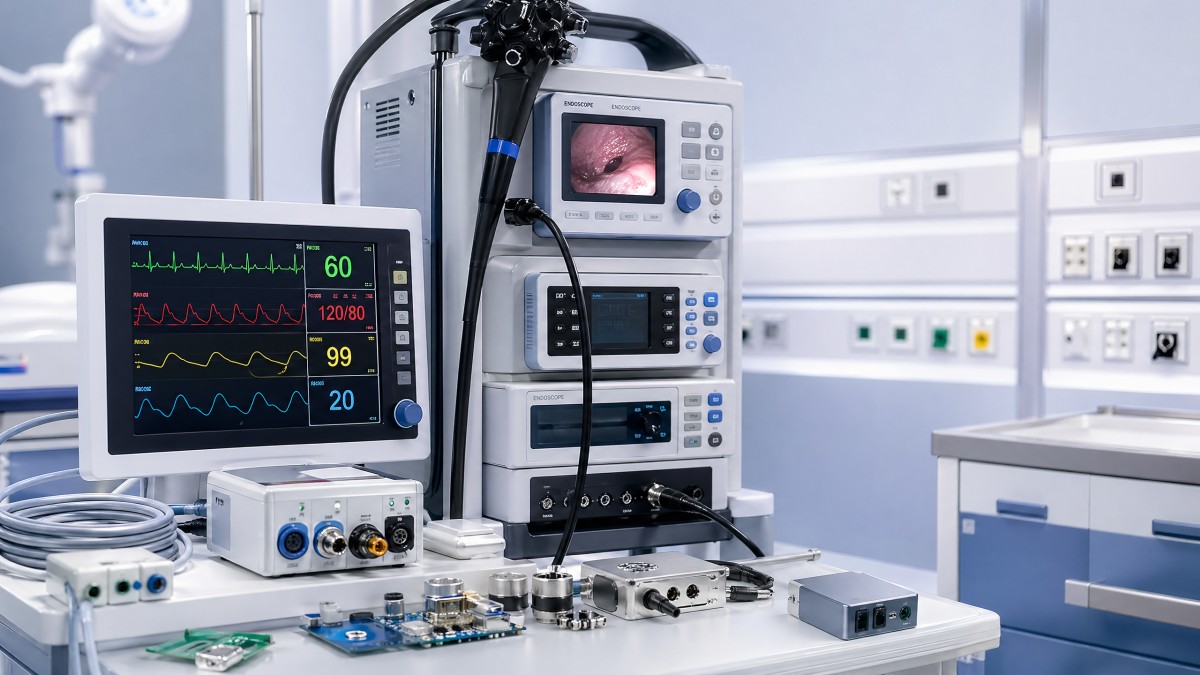
Many maintenance delays are not caused by catastrophic failures. They come from missing spare parts mapping, unclear service manuals, nonstandard fasteners, poor event logging, or undocumented calibration dependencies. In some fleets, the hardware itself is serviceable, but the upgrade path is weak. A simple replacement may require additional configuration steps, a laptop image that only one technician has, or a manual compliance note that adds 30 to 45 minutes to closure.
This is where disciplined technical benchmarking becomes valuable. Instead of judging a system only by marketed feature count, maintenance leaders can examine parameters that affect service life: tolerance to heat or humidity, alarm stability, firmware maturity, consumable interface wear, and subassembly replacement logic. These details may not appear prominently in promotional materials, but they determine whether service becomes routine or disruptive.
For mixed clinical estates, the best strategy is often standardization around service-friendly architecture rather than around branding alone. Even a 10% to 15% reduction in troubleshooting variation can improve technician utilization, especially when support teams are responsible for several departments at once.
How Smarter Upgrades Improve Serviceability and Clinical Continuity
A practical Surgical & Clinical Tech upgrade should improve two outcomes at the same time: serviceability for maintenance personnel and continuity for clinical users. If it improves clinical function but creates a heavier maintenance burden, friction simply shifts from one department to another. The strongest upgrades align engineering design, service access, and compliance readiness so that fewer interventions are needed and each intervention is easier to execute.
One example is modular board-level architecture with standardized harnessing. Instead of tracing a fault through a complex internal layout, technicians can isolate and replace a validated subassembly in 15 to 30 minutes, then complete functional verification using guided diagnostics. Another example is firmware designed with stable release windows every quarter or half-year, rather than irregular patches that create uncertainty across sites.
The value also extends to compliance. When upgrade histories, part revisions, and software versions are traceable, maintenance records become easier to defend during internal quality reviews or external audits. This matters in facilities that must document service events precisely, especially when devices are tied to surgical use, patient monitoring, laboratory workflows, or infection-control procedures.
High-Value Upgrade Areas for Maintenance Teams
The table below outlines upgrade categories that frequently deliver measurable operational benefits. These are not luxury enhancements. In many cases, they are the difference between reactive support and controlled lifecycle management.
For after-sales maintenance teams, the verification column is critical. An upgrade can look attractive on paper, but if it lacks rollback control, accessible spare kits, or clear inspection criteria, it may create more field complexity than it removes. This is why engineering review should always include service documentation, environmental assumptions, and expected maintenance intervals, not only performance claims.
Operational Signs That an Upgrade Is Working
- Unscheduled service calls decline over a 90- to 180-day observation period.
- Technicians can complete common repairs using fewer tools and fewer undocumented steps.
- Repeat faults after replacement become less frequent across similar units.
- Clinical departments report shorter room turnaround or fewer device-related interruptions.
- Service logs become more consistent and easier to audit.
Typical Surgical & Clinical Tech Scenarios by Facility Type
Not every facility experiences workflow friction in the same way. The service priorities of a large acute-care hospital differ from those of a specialty clinic or diagnostic laboratory. Understanding these differences helps maintenance teams and technical decision-makers apply Surgical & Clinical Tech upgrades where they will have the strongest practical effect.
In operating suites, the main concern is often coordinated readiness. A failure in one linked component can affect visualization, insufflation, monitoring, or documentation pathways. In outpatient clinics, speed of reset and ease of replacement may matter more than deep subsystem customization. In laboratories, service value often depends on calibration stability, contamination control, and reproducible throughput across long operating hours.
The classification below offers a grounded view of where low-friction upgrades usually provide the most benefit. It can also help maintenance teams prioritize stock planning, technician training, and validation procedures.
This kind of segmentation is useful because it prevents overgeneralized upgrade decisions. A feature set that reduces friction in a central hospital may offer limited value in a small clinic, while a laboratory may need tighter attention to sensor repeatability than to external hardware ruggedness. Matching the upgrade to the operating context is one of the most practical ways to improve total lifecycle performance.
What Maintenance Teams Should Document Across Scenarios
Regardless of facility type, certain records make Surgical & Clinical Tech management more controllable. These include device revision histories, firmware baselines, high-failure consumable interfaces, average repair time, and environmental stress observations such as moisture exposure, repeated transport, or aggressive cleaning-agent use. Over a 6-month cycle, this information can reveal whether a friction point is random or systemic.
Maintenance teams should also note which upgrades create training savings. If a new module reduces calibration steps from five actions to two, or if a diagnostic menu cuts fault isolation time by 25%, those changes deserve structured recognition. They affect staffing efficiency, spare inventory planning, and service-level predictability just as much as traditional performance metrics do.
A disciplined documentation habit supports procurement discussions as well. When service teams can describe recurring failure intervals, replacement bottlenecks, or version-control issues in concrete terms, decision-makers are better equipped to evaluate future upgrades on engineering merit rather than on marketing positioning.
Practical Evaluation and Upgrade Planning for Long-Term Reliability
A successful Surgical & Clinical Tech upgrade program starts before installation. Maintenance teams should be included early enough to review service access, spare strategy, update control, and environmental assumptions. If the first technical review happens only after deployment, the organization may discover service burdens too late, especially in high-dependency areas such as surgery support, bedside monitoring, or laboratory automation.
A balanced assessment typically covers four dimensions: engineering durability, maintainability, compliance readiness, and operational fit. Engineering durability looks at fatigue risk, connector life, material resistance, and heat or chemical tolerance. Maintainability examines access time, tool requirements, replacement hierarchy, and service log quality. Compliance readiness focuses on documentation, traceability, and controlled changes. Operational fit tests whether the upgrade matches real staffing patterns, downtime tolerance, and asset mix.
For many organizations, a phased approach works best. Start with a pilot group of 5 to 20 units, observe fault behavior for 60 to 120 days, compare service event frequency against the legacy baseline, then decide whether broader rollout is justified. This prevents overcommitting to upgrades that look efficient in demonstration settings but create hidden complexity in field use.
A Service-Oriented Upgrade Checklist
- Confirm the expected maintenance interval and identify which parts are intended for field replacement versus depot repair.
- Review firmware update logic, version control rules, and rollback options before clinical deployment.
- Check whether diagnostic outputs are accessible enough to support first-line triage within a standard service visit.
- Evaluate cleaning, sterilization, and environmental tolerance based on actual site conditions, not ideal conditions.
- Map spare parts availability for at least the next 24 to 36 months where possible.
- Ensure technical documentation supports regulated use environments and internal quality records.
Why Independent Technical Review Matters
Because healthcare devices are increasingly complex, maintenance teams benefit from objective engineering review that goes beyond supplier-facing claims. Signal integrity, component wear behavior, thermal performance, sensor stability, and material fatigue can all affect service burden long after installation. A neutral benchmarking perspective helps technical buyers and after-sales teams identify whether an upgrade truly reduces friction or merely shifts risk into future service events.
VitalSync Metrics operates in this space by translating manufacturing and performance variables into structured technical understanding. For organizations managing Surgical & Clinical Tech across global or multi-site environments, this type of engineering-focused analysis can support more confident decisions around validation, servicing, and lifecycle planning.
Ultimately, the goal is straightforward: fewer avoidable interruptions, clearer technical accountability, and equipment that remains clinically dependable without becoming service-heavy. When upgrades are judged through that lens, maintenance teams gain a more realistic basis for supporting uptime and protecting care continuity.
Why Work With Us on Surgical & Clinical Tech Evaluation
If your team is reviewing Surgical & Clinical Tech upgrades, maintenance complexity should be assessed with the same seriousness as clinical performance. VitalSync Metrics helps healthcare stakeholders examine engineering integrity, service practicality, and compliance-facing documentation so that upgrade decisions are grounded in measurable technical reality.
You can contact us to discuss parameter confirmation, upgrade-path evaluation, serviceability review, product selection logic, delivery-cycle expectations, technical documentation requirements, and custom benchmarking support. We can also help frame questions around material durability, sensor performance, software traceability, spare strategy, and MDR/IVDR-related decision context where applicable.
For after-sales maintenance teams, procurement leaders, MedTech developers, and laboratory planners, the most useful upgrade is the one that remains reliable after installation, after cleaning, after repeated use, and after the next service cycle. If you want a clearer basis for selecting or validating Surgical & Clinical Tech, reach out to discuss your operating environment, equipment category, and technical priorities.
Recommended News
- 2026.04.29Healthcare Analytics Metrics That Support Smarter Budget CallsLydia Vancini (Regulatory Compliance Lead)
- 2026.04.29Mobility Assist Selection Mistakes That Limit Long-Term UseSarah Jenkins (Laboratory Infrastructure Consultant)
- 2026.04.29Endoscope Image Resolution Benchmark for Vendor ComparisonDr. Alistair Thorne (Senior Biomedical Engineer)
The VitalSync Intelligence Brief
Receive daily deep-dives into MedTech innovations and regulatory shifts.