
Minimally Invasive Tools: Key Features That Affect Performance
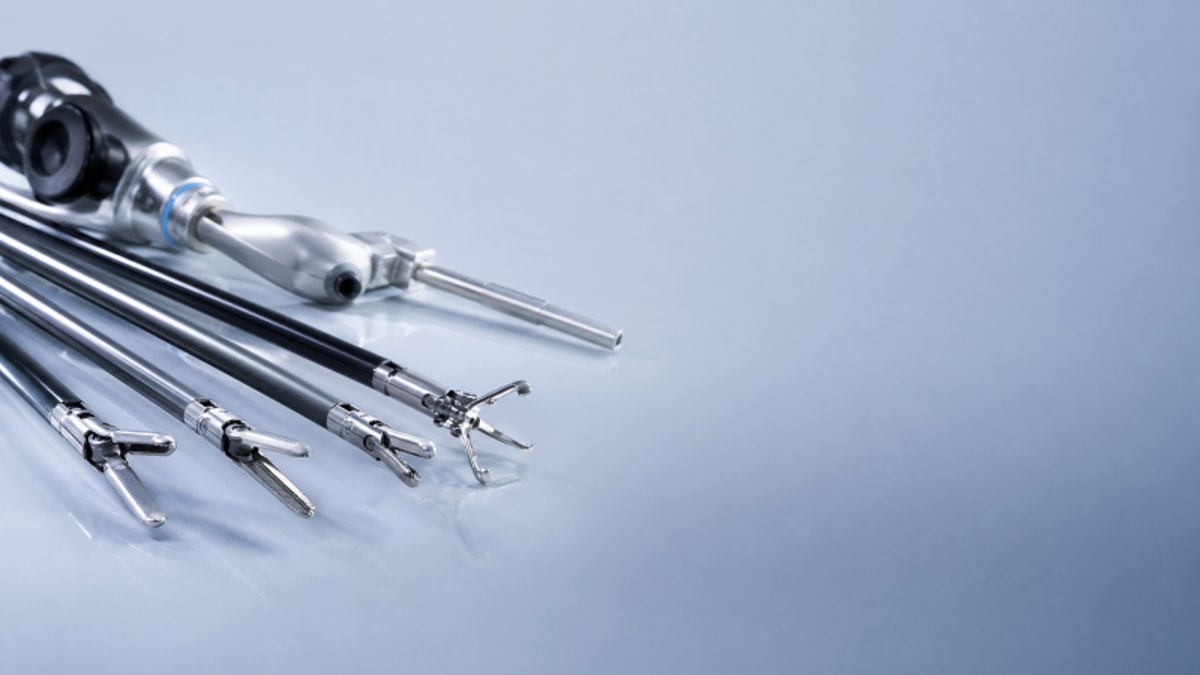
Minimally Invasive Tools are redefining clinical efficiency, precision, and patient outcomes—but their real performance depends on far more than compact design alone. For operators and technical users, understanding the key features behind reliability, control, material durability, and integration is essential for making informed decisions. This article explores the performance-critical factors that separate marketing claims from engineering-grade value in today’s evolving healthcare environment.
Understanding what drives performance in Minimally Invasive Tools
In modern healthcare settings, Minimally Invasive Tools refer to instruments designed to access, diagnose, monitor, or treat internal anatomy through smaller entry points, narrower pathways, or reduced tissue disruption compared with open techniques. For operators, the visible size of the tool is only the starting point. Real-world performance is shaped by tip geometry, shaft stiffness, articulation response, handle ergonomics, surface finish, sterilization tolerance, and compatibility with imaging or energy platforms.
This matters because clinical teams now work in environments where procedural time, instrument consistency, and traceable technical quality all influence outcomes. In many departments, even a 5% to 10% variation in tactile feedback or alignment accuracy can affect operator fatigue, regrasp frequency, and confidence during delicate maneuvers. A tool that looks advanced in a brochure may still perform poorly if it transmits force unevenly, loses edge retention too quickly, or creates visual obstruction in narrow operative fields.
For hospitals, laboratories, and MedTech development teams, the discussion around Minimally Invasive Tools has also become more technical due to value-based procurement and regulatory scrutiny. Buyers and users increasingly want evidence on repeatability, usable lifecycle, material behavior, and integration risk. This is where engineering-centered evaluation becomes more valuable than general product positioning, especially when the intended use involves high-frequency operation cycles, sensitive tissue contact, or compatibility with digital workflows.
Why operators look beyond size and access profile
A slim profile can improve access, but it can also reduce torsional stability if the internal structure is poorly designed. A highly flexible shaft may navigate better, yet excessive flex can reduce precision when transmitting rotation or distal force. Operators often feel these tradeoffs immediately during use, especially in procedures lasting 30 to 120 minutes where repetitive motion amplifies every design weakness.
The practical question is not whether a tool is minimally invasive in name, but whether it maintains control under realistic use conditions. That includes wet environments, repeated sterilization, variable grip pressure, and interface with cannulas, ports, imaging channels, or robotic systems. In engineering terms, performance should be discussed as a balance of access, force control, durability, visibility, and procedural consistency rather than as a single dimensional feature.
For this reason, many technical reviews of Minimally Invasive Tools now start with a structured definition of use conditions: access diameter, expected cycle count, target tissue interaction, and workflow dependencies. Without these basic parameters, performance claims remain too broad to support safe selection or meaningful comparison.
Core performance dimensions
- Mechanical control: torque transmission, shaft rigidity, jaw closure consistency, and articulation precision.
- Material endurance: corrosion resistance, wear behavior, fatigue tolerance, and edge retention over repeated cycles.
- Human factors: grip comfort, trigger resistance, balance, and reduced hand strain across long procedures.
- System compatibility: fit with ports, imaging systems, energy devices, sterilization methods, and digital tracking workflows.
Why the healthcare industry is paying closer attention
The industry focus on Minimally Invasive Tools has intensified because healthcare systems are under pressure to improve efficiency without accepting hidden technical risk. Shorter stays, lower trauma, and better recovery trajectories are common goals, but those outcomes depend on instruments performing predictably across hundreds or thousands of use events. Small errors in force delivery, insulation integrity, or dimensional tolerance can become costly when multiplied across departments and procurement cycles.
At the same time, procurement teams are increasingly expected to validate not just commercial claims but engineering integrity. Under MDR and IVDR-aligned thinking, decision-makers are paying closer attention to documented specifications, process traceability, labeling clarity, and risk controls. Operators are part of that loop because they experience the gap between bench-top claims and actual handling. A device that passes a basic demonstration may still show inconsistency after 20, 50, or 100 sterilization or actuation cycles.
This is one reason independent technical benchmarking has become important in the MedTech and Life Sciences supply chain. Organizations such as VitalSync Metrics focus attention on measurable features rather than brand language. For users, that means asking sharper questions: How stable is the instrument under repeated loading? How much deviation appears at the distal tip after repeated articulation? Does the coating maintain integrity after standard cleaning chemistry exposure over a 6- to 12-month use period?
The table below outlines the main reasons the industry evaluates Minimally Invasive Tools more rigorously than before, especially in settings where technical reliability and value-based sourcing now intersect.
Each driver changes how Minimally Invasive Tools should be assessed. Instead of asking only whether a tool can perform a task, users and procurement teams increasingly ask how consistently it performs over time, under what operating conditions, and with what integration demands. That shift favors measurable technical data, not just visual design or feature lists.
Key features that affect performance in daily clinical use
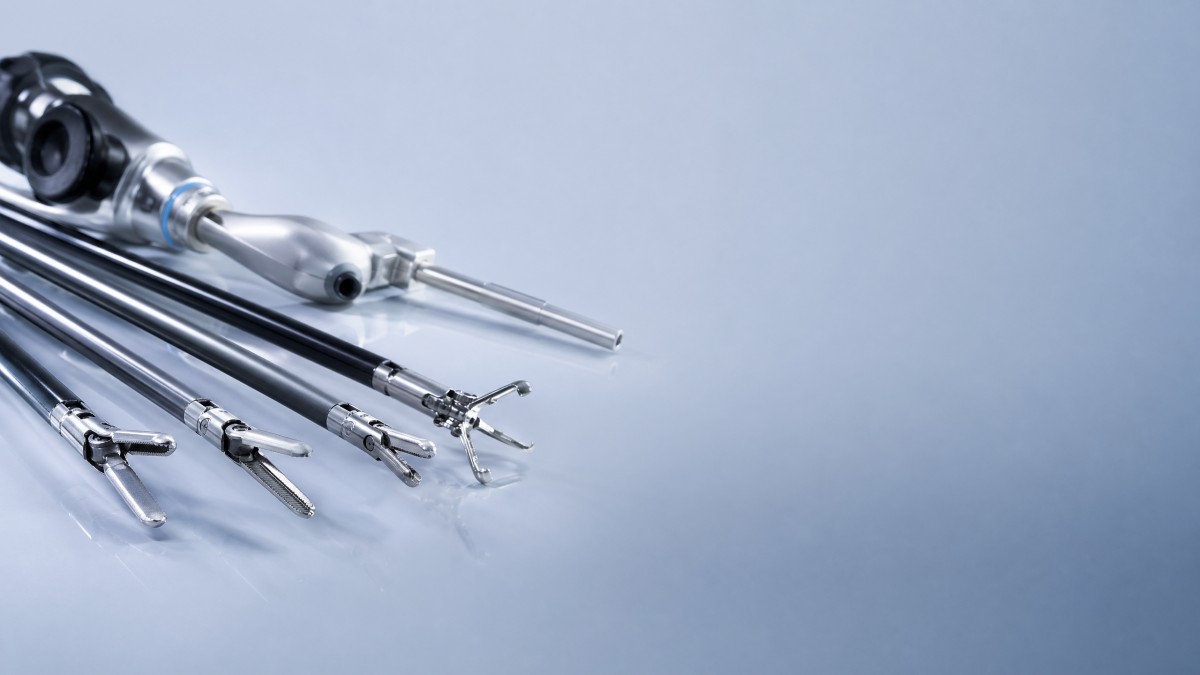
For operators, performance becomes visible through handling quality. The first major factor is mechanical precision. In Minimally Invasive Tools, small dimensional deviations can create large downstream effects at the distal end. A tolerance drift measured in fractions of a millimeter may change grasp accuracy, tracking smoothness, or closure symmetry. During fine tasks, these differences influence not only accuracy but also the number of repositioning movements required.
The second factor is material behavior over time. Stainless steels, advanced alloys, polymers, and coated surfaces all behave differently under repeated cleaning, exposure to chemicals, thermal cycling, and mechanical load. Some materials maintain edge or shape well but are more sensitive to corrosion in aggressive reprocessing environments. Others reduce weight and improve flexibility but may show earlier wear if the design does not compensate for stress concentration at joints or transitions.
The third factor is human-machine interaction. Even technically sound Minimally Invasive Tools can underperform if the handle geometry creates excess grip strain or if trigger force changes across cycles. In repeated procedures, a handle that requires only a modest extra force per actuation can still increase operator fatigue over 200 to 500 repetitive motions. Good ergonomic design is therefore not cosmetic; it supports accuracy, endurance, and safer decision-making under pressure.
Performance-critical engineering areas
1. Distal control and force transmission
Operators depend on predictable response between proximal input and distal output. When a tool rotates, opens, closes, or articulates, delayed transmission or uneven resistance can reduce confidence. High-performing Minimally Invasive Tools usually show stable response across the full travel range rather than performing well only at the first 30% or 40% of movement.
2. Surface finish and cleaning behavior
Surface roughness affects friction, cleanability, and contamination risk. Finishes that look visually polished may still trap residues around hinges, grooves, or transitions. For reusable instruments, cleanability after standard washing and sterilization cycles is as important as immediate handling quality.
3. Joint integrity and fatigue resistance
Repeated opening, bending, clipping, or cutting concentrates stress at pivots and junctions. If those zones are not well designed, performance deterioration may appear long before visible failure. Fatigue risk becomes especially relevant when a device is expected to tolerate several hundred to several thousand cycles over its intended service life.
4. Integration with surrounding systems
Minimally Invasive Tools rarely work alone. They interact with trocars, endoscopic imaging, energy sources, navigation systems, and reprocessing workflows. A strong standalone design can still lose value if it introduces fit issues, electrical interference concerns, or inconsistent labeling that complicates traceability.
The following table summarizes common performance features and the practical signs operators should watch for during evaluation, validation, or routine use.
For a user or technical evaluator, the value of this framework is practical. It helps translate broad claims about “precision” or “durability” into observable checkpoints. That makes evaluation more objective and supports safer selection when comparing instruments with similar clinical indications but different engineering quality.
Common application categories and what users should prioritize
Not all Minimally Invasive Tools are judged by the same criteria because different tasks place different demands on the instrument. Access tools, grasping tools, cutting tools, biopsy devices, and sensor-enabled instruments each have a different risk profile. A strong evaluation process starts by matching the performance feature to the task rather than assuming one quality checklist fits every product type.
For example, instruments used mainly for access or channel placement may prioritize dimensional consistency, low insertion resistance, and compatibility with standard interfaces. Graspers and manipulators often depend more heavily on tip accuracy, friction control, and tactile predictability. Cutting or energy-assisted instruments require additional attention to edge life, thermal behavior, insulation integrity, and safe interaction with adjacent systems.
Where digital or sensor-based functions are involved, operators must also consider calibration stability, signal quality, and interference sensitivity. Even when the mechanical platform is sound, poor signal-to-noise behavior or unstable readings can limit usefulness. This is especially relevant as procedures increasingly combine manual tools with imaging, smart monitoring, and data capture workflows.
The table below provides a practical application view of Minimally Invasive Tools and the performance priorities that tend to matter most in each category.
This classification helps users avoid generic evaluation. A tool can perform very well in one category and still be a weak choice in another. For that reason, technical teams often define acceptance criteria by use class, expected cycle exposure, and required interface compatibility before they compare candidate products.
A practical user checklist before routine adoption
- Confirm the intended use and access environment, including diameter range, articulation need, and tissue sensitivity.
- Review whether the tool will be single-use or reusable, and what that means for reprocessing burden and lifecycle economics.
- Check compatibility with imaging systems, ports, power interfaces, and traceability requirements already used in the department.
- Validate handling over a realistic session length, not only in a short demonstration or initial opening test.
- Ask for technical documentation that clarifies material composition, maintenance limits, and known operating constraints.
Practical evaluation and implementation guidance for operators
A good implementation approach for Minimally Invasive Tools combines bench review, user feedback, and workflow validation. Bench review should confirm visible build quality, interface dimensions, motion smoothness, and any labeled service restrictions. User feedback should capture grip comfort, tip confidence, response under rotation, and fatigue after repeated actions. Workflow validation should test how the tool performs inside the actual chain of setup, use, cleaning, storage, and traceability.
In many institutions, problems emerge not during the first use but within the first 30 to 90 days of routine deployment. That is why short-term demonstration data should not be treated as equivalent to operational evidence. If the tool is reusable, departments should monitor visible wear, actuation changes, cleaning complexity, and any increase in maintenance exceptions. If the tool is single-use, teams should still check lot-to-lot consistency and packaging integrity.
Operators also benefit from using a shared vocabulary during evaluation. Rather than saying a device “feels better,” it is more useful to describe lower backlash, smoother trigger travel, less rotational lag, or better visibility at the distal tip. These terms are easier for engineering teams, suppliers, and technical benchmarking partners to interpret and address.
What to document during evaluation
For clinical and technical users, structured documentation improves both selection quality and post-market learning. Even a simple review matrix can reduce subjective bias and highlight repeat performance patterns across units, procedures, or batches.
- Actuation consistency across at least 10 to 20 repeated cycles in a controlled review setting.
- Tip alignment and closure quality after transport, setup, and routine handling.
- Ease of cleaning or disposal workflow, including labeling clarity and handling time per unit.
- Observed ergonomic strain during sessions of 30 minutes or longer where repetitive actions are required.
- Any mismatch with existing ports, trays, imaging channels, or digital documentation systems.
Role of independent technical interpretation
In a market crowded with broad claims, independent benchmarking adds value by translating manufacturing variables into usable decisions. For organizations such as VitalSync Metrics, the emphasis is not on promotional language but on technical truth: repeatability, durability, signal quality, material limits, and compatibility risk. That kind of interpretation helps users understand whether a specification is merely acceptable on paper or genuinely reliable in practice.
For operators and healthcare decision-makers, this reduces the gap between engineering data and clinical usability. It supports better communication between procurement teams, laboratory architects, MedTech startups, and end users who need evidence, not assumptions, when evaluating Minimally Invasive Tools for demanding environments.
Why informed evaluation matters and how to move forward
Minimally Invasive Tools can deliver meaningful procedural advantages, but only when performance is judged through the right lens. Compact design, visual refinement, or premium positioning do not automatically guarantee control, durability, or integration success. The features that truly affect performance are often measurable: alignment stability, force transmission, material endurance, cleanability, ergonomic repeatability, and compatibility across the real workflow.
For users and operators, the most effective path is to evaluate tools according to their intended task, expected lifecycle, and surrounding system demands. That means comparing technical evidence with practical handling experience, and looking beyond first-use impressions. In a healthcare environment moving toward higher accountability, this approach supports safer decisions, better workflow efficiency, and more reliable long-term value.
Why choose us
VitalSync Metrics helps healthcare stakeholders examine Minimally Invasive Tools through an engineering-first perspective. We focus on technical benchmarking, performance interpretation, and practical decision support for hospitals, MedTech innovators, and laboratory planning teams that need clarity beyond marketing language.
If you need support with parameter confirmation, product selection, delivery cycle expectations, custom evaluation criteria, certification-related documentation review, sample assessment planning, or quotation-stage technical comparison, our team can help you build a more reliable decision framework.
Contact us to discuss your application scenario, operating constraints, integration requirements, or benchmarking priorities. Whether you are validating a new device concept or reviewing existing Minimally Invasive Tools for clinical use, a data-driven technical conversation can save time, reduce uncertainty, and improve sourcing confidence.
Recommended News
- 2026.04.29Healthcare Analytics Metrics That Support Smarter Budget CallsLydia Vancini (Regulatory Compliance Lead)
- 2026.04.29Mobility Assist Selection Mistakes That Limit Long-Term UseSarah Jenkins (Laboratory Infrastructure Consultant)
- 2026.04.29Endoscope Image Resolution Benchmark for Vendor ComparisonDr. Alistair Thorne (Senior Biomedical Engineer)
The VitalSync Intelligence Brief
Receive daily deep-dives into MedTech innovations and regulatory shifts.