
Medical equipment sterilization mistakes to avoid
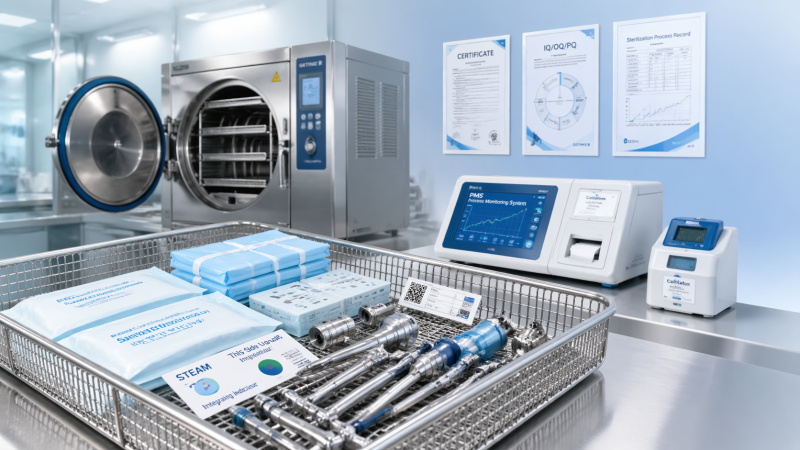
Avoiding mistakes in medical equipment sterilization is essential for protecting patients, meeting medical equipment safety standards, and reducing costly downtime. From improper handling of surgical instruments sterilization to overlooked medical equipment maintenance and calibration steps, small errors can create serious compliance and performance risks. This guide highlights the most common pitfalls and practical ways healthcare teams, buyers, and decision-makers can improve reliability and healthcare compliance solutions.
Why sterilization failures still happen in modern healthcare settings
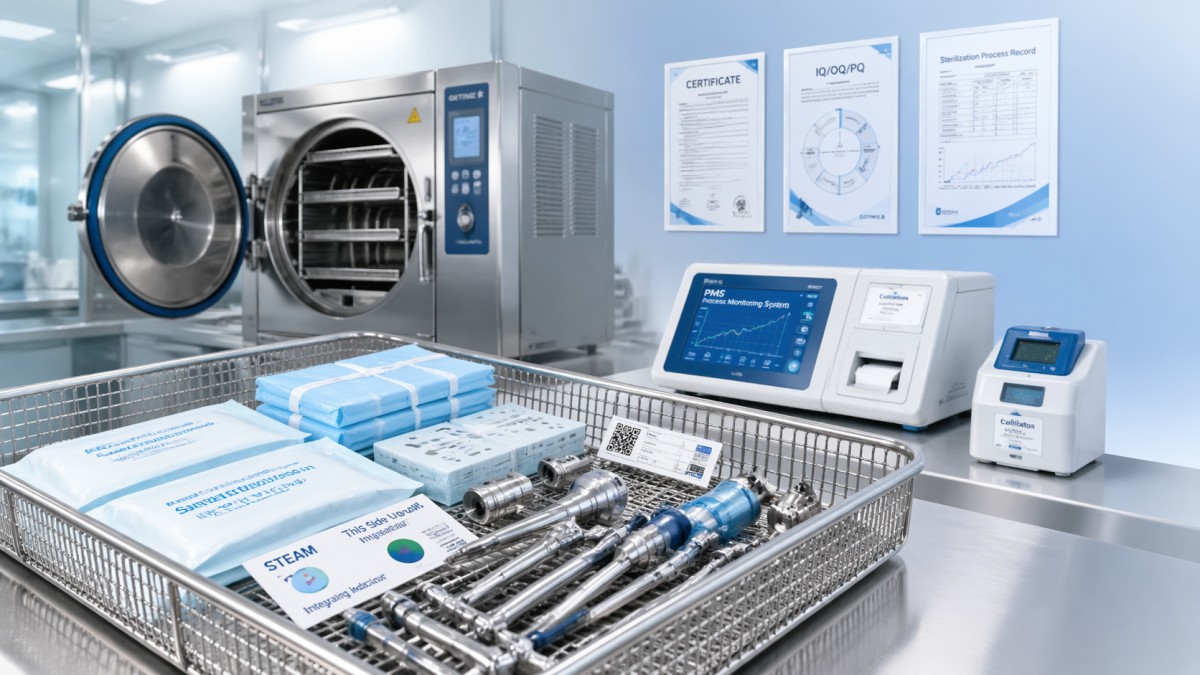
Medical equipment sterilization mistakes rarely come from one dramatic failure. In most facilities, they result from 3 linked gaps: process variation, incomplete documentation, and weak verification. A sterile processing team may follow one workflow, while clinical users handle devices differently at the point of use. Procurement may then select equipment based on purchase price alone, without checking reprocessing compatibility, cycle tolerance, or validation support.
This risk has grown as healthcare systems move toward value-based procurement and digital integration. Instruments, endoscope components, sensors, and reusable accessories now involve more materials, tighter tolerances, and more demanding cleaning instructions. What looked acceptable 5–10 years ago may now fail internal quality review, manufacturer instructions for use, or current regulatory expectations tied to MDR/IVDR environments and broader healthcare compliance solutions.
For operators, the pain point is practical: limited turnaround windows, overloaded departments, and pressure to release trays quickly. For buyers, the challenge is different: comparing sterilization compatibility across suppliers in a 2–4 week evaluation cycle. For decision-makers, the issue is system-level reliability, because one avoidable sterilization error can trigger rework, delayed procedures, and costly equipment replacement.
VitalSync Metrics (VSM) approaches this problem from an engineering and benchmarking perspective. Instead of accepting vendor claims at face value, VSM helps organizations assess technical integrity, material behavior, process repeatability, and documentation quality. That matters when procurement teams must verify not just whether a device can be sterilized, but whether it remains safe, functional, and compliant after repeated cycles.
- A sterilization process is only reliable when cleaning, packaging, cycle selection, storage, and release checks work as one connected system.
- Many failures emerge after 20–100 reuse cycles, when seals, coatings, adhesives, and precision surfaces begin to degrade.
- The most expensive mistake is often not contamination alone, but unplanned downtime caused by device damage and repeat processing.
Which medical equipment sterilization mistakes create the highest risk?
Not every error has the same consequence. Some medical equipment sterilization mistakes mainly reduce workflow efficiency, while others directly increase infection risk or shorten device life. The highest-risk failures usually happen before the sterilizer door closes. Incomplete pre-cleaning, delayed soil removal, and poor disassembly can prevent steam, low-temperature sterilant, or other validated methods from reaching critical surfaces.
A common issue in surgical instruments sterilization is assuming that visible cleanliness equals process readiness. It does not. Hinges, lumens, textured surfaces, and multi-part assemblies can retain organic residue even when the outer surface appears clean. If point-of-use treatment is delayed beyond the facility’s defined window, often measured in minutes rather than hours, drying residue can make later cleaning less reliable and more labor-intensive.
Another high-impact mistake is using the wrong cycle for the device material or configuration. Heat-sensitive polymers, electronics-adjacent components, and certain bonded assemblies may not tolerate repeated high-temperature exposure. Teams sometimes focus on whether one cycle “works once,” but procurement and quality leaders should ask a harder question: does the device maintain performance after the typical service life, such as 50, 100, or 250 validated reprocessing cycles?
Packaging errors also remain underestimated. Overloaded trays, incompatible wraps, blocked air removal, and poor drying can compromise sterility assurance even when sterilizer settings are correct. In busy departments, these are easy mistakes to miss because they look like routine handling issues rather than major safety events. Yet they can lead to wet packs, rejected loads, and repeat work across multiple departments.
Top errors to identify during audits and procurement reviews
The list below is useful for internal audits, supplier qualification, and reprocessing workflow reviews. It combines operator-level mistakes with procurement-level oversights, because both shape long-term sterilization reliability.
- Skipping or delaying pre-cleaning after use, especially when residue can dry within 15–30 minutes on complex surfaces.
- Failing to fully disassemble instruments according to instructions for use before cleaning and sterilization.
- Selecting sterilization parameters without checking material compatibility, lumen dimensions, or validated load configuration.
- Ignoring medical equipment maintenance and calibration records for washers, sterilizers, and monitoring devices.
- Using damaged packaging systems or overloading trays in ways that impair sterilant penetration and drying.
- Releasing loads with incomplete documentation, failed indicators, or unclear traceability back to the device set.
For hospitals and laboratories, these failures should not be treated as isolated operator mistakes. They often point to weak process design, inconsistent training every 6–12 months, or supplier documentation that is too vague for real-world use. That is why technical benchmarking matters: it converts marketing language into evidence-based procurement criteria.
How to evaluate sterilization compatibility before buying or approving equipment
Procurement teams can avoid many downstream sterilization failures by moving reprocessing checks into the sourcing stage. The right question is not simply whether a device is reusable. The better question is whether it can be cleaned, sterilized, inspected, and returned to service consistently within the facility’s actual workflow. That includes staffing limits, turnaround targets, packaging systems, utility conditions, and documentation requirements.
In practical terms, buyers should assess 5 core dimensions: material durability, cleaning complexity, validated cycle options, maintenance burden, and traceability support. This is especially important for devices with narrow channels, coated surfaces, hybrid material construction, or accessories that may be processed in different departments. A low upfront price can become expensive if the product increases rejected loads or requires early replacement.
VSM supports this evaluation by translating engineering parameters into procurement-ready benchmarks. Instead of relying on broad vendor statements such as “autoclavable” or “reusable,” decision-makers benefit from clearer criteria: number of validated cycles, dimensional stability after repeated processing, inspection checkpoints, and alignment with internal healthcare compliance solutions. That makes supplier comparison more rigorous and less subjective.
The table below can be used during RFQ, technical review, or supplier qualification meetings. It is designed to identify sterilization-related risks before contract award, rather than after implementation.
A strong purchasing decision connects technical evidence with operational reality. If a device requires 8 cleaning steps, special adapters, and narrow cycle limits, the team must decide whether that fits a high-throughput environment. This is where independent benchmarking adds value: it clarifies whether a solution is clinically and operationally sustainable, not just commercially attractive.
A practical 4-step buying workflow
Healthcare organizations often improve results when they use a staged review rather than a single purchasing meeting. A 4-step workflow keeps sterilization compatibility visible from early screening to final approval.
- Screen supplier documents for validated reprocessing instructions, material limitations, and expected reuse range.
- Compare engineering details and workflow burden across 2–3 shortlisted options, not just quoted price.
- Run an internal fit assessment with sterile processing, clinical users, quality, and biomedical or technical teams.
- Approve only after maintenance, calibration, traceability, and training responsibilities are defined.
This approach reduces the common gap between purchasing and actual use. It also supports more disciplined healthcare compliance solutions, because validation evidence and operational readiness are reviewed together.
What standards, maintenance, and calibration checks should not be overlooked?
Even a well-designed sterilization process can fail if the supporting equipment is not maintained or verified properly. Medical equipment maintenance and calibration are not side tasks. They are part of the sterility assurance chain. Sterilizers, washer-disinfectors, temperature sensors, pressure gauges, and monitoring systems must function within defined ranges, and those checks should be documented at planned intervals such as daily, weekly, quarterly, and annually depending on facility policy and device criticality.
Healthcare teams should also keep a clear distinction between process indicators and equipment condition. A passed indicator does not erase poor loading practice, overdue preventive maintenance, or drift in measurement devices. Procurement leaders sometimes underestimate this because maintenance costs are spread over time. Yet in lifecycle terms, inadequate calibration and servicing can create hidden costs through repeat loads, investigation time, and shortened asset life.
From a compliance perspective, organizations should align with widely recognized sterilization and quality management expectations relevant to their geography, device type, and intended use. The exact framework may differ, but the recurring themes remain consistent: validated processes, documented release criteria, traceability, periodic review, and controlled change management. In cross-border sourcing, clarity around these points is especially important.
VSM helps buyers and technical reviewers examine these issues before they become audit findings. That includes checking whether a supplier’s documentation is specific enough for implementation, whether the product design supports repeatable processing, and whether maintenance-related constraints are transparent. This is particularly valuable when comparing equipment marketed with similar claims but different engineering realities.
Core checks for safety standards and operational control
The matrix below summarizes the areas that most often determine whether a sterilization program remains robust after the equipment is delivered and in use.
The key takeaway is simple: sterilization quality depends on system discipline. When maintenance, calibration, and release controls are weak, even good equipment becomes unreliable. For executives, this argues for lifecycle budgeting. For operators, it supports clearer routines. For procurement, it means selecting suppliers that provide usable documentation instead of generic claims.
Quick warning signs of a fragile process
- Repeated wet packs or frequent load rejections over a 30-day period.
- Missing calibration records for monitoring devices tied to sterilization release decisions.
- Device damage patterns that appear after routine reprocessing rather than unusual misuse.
- Instructions for use that do not clearly define compatible cycles, inspection points, or end-of-life criteria.
FAQ and decision guidance for operators, buyers, and executives
The most effective sterilization programs answer practical questions early. The FAQ below focuses on real search intent from information researchers, sterile processing teams, procurement specialists, and healthcare leaders who need fast but credible decision support.
How often should reusable medical equipment be inspected for sterilization-related wear?
Inspection should occur after each processing cycle for visible cleanliness, packaging integrity, and obvious mechanical defects. A deeper review may be scheduled by use volume, device criticality, and manufacturer guidance, often monthly or after a defined number of cycles such as 25, 50, or 100. High-risk devices with hinges, seals, lumens, or coated surfaces need closer attention because deterioration can appear gradually before full failure.
What matters more in procurement: sterilizer compatibility or device price?
In lifecycle terms, compatibility usually matters more. A lower-priced device that increases manual cleaning time by 10–15 minutes per unit, fails early under repeated cycles, or requires specialized consumables can become more expensive over 12–24 months. Buyers should compare total operational burden, not just purchase cost. This is especially relevant in multi-site hospitals and laboratories where standardization reduces training complexity and processing errors.
Can medical equipment safety standards be met without independent technical benchmarking?
Internal validation and supplier documents remain important, but independent benchmarking adds a different layer of assurance. It helps teams challenge vague claims, compare engineering tolerance across suppliers, and detect risks that are easy to overlook during sales discussions. For organizations sourcing across borders or evaluating newer technologies, this outside technical view can improve procurement quality and strengthen healthcare compliance solutions.
What is the fastest way to reduce sterilization mistakes in a busy department?
Start with 3 actions in the next 30 days: standardize point-of-use pre-cleaning, review the top 10 most frequently reprocessed device types, and confirm maintenance and calibration status for the supporting equipment. These steps usually reveal the largest practical gaps without requiring a full system redesign. After that, teams can prioritize retraining, supplier review, and documentation upgrades based on actual risk.
Why work with VSM when sterilization reliability affects procurement and patient safety?
When hospitals, MedTech startups, and laboratory planners evaluate reusable devices, they often face the same problem: supplier information is abundant, but engineering truth is harder to verify. VitalSync Metrics (VSM) is built for that gap. VSM translates technical performance, material limits, and documentation quality into benchmarking outputs that support procurement, risk review, and long-term operational planning.
This is valuable when you need more than a general sales presentation. You may need help comparing 2–3 supplier options, checking whether sterilization claims align with actual use conditions, or reviewing whether maintenance, calibration, and compliance requirements are realistically manageable within your facility. In those cases, independent assessment helps reduce uncertainty before a purchasing decision becomes a service problem.
If your team is reviewing medical equipment sterilization risks, VSM can support discussions around parameter confirmation, product selection, delivery feasibility, technical documentation, reprocessing compatibility, and certification-related questions. That includes early-stage supplier screening as well as deeper benchmarking for complex devices where repeated sterilization may affect performance, durability, or regulatory readiness.
To move forward efficiently, prepare 4 inputs for consultation: the device category, your intended sterilization method, expected reuse volume, and any compliance or tender requirements. With that information, conversations become concrete. Instead of debating broad claims, your team can focus on practical issues such as cycle compatibility, maintenance burden, sample evaluation, and quotation alignment with operational needs.
- Request support for technical parameter review before RFQ or tender release.
- Compare supplier options based on reprocessing reliability, not only initial price.
- Discuss documentation gaps, delivery timing, sample support, and compliance expectations early.
For teams under pressure to improve sterilization quality while controlling cost and downtime, that level of clarity can make procurement faster, implementation safer, and long-term performance easier to defend.
- EMS
- ESS
- surgical instruments
- PPE
- EdTech
- procurement
- AR
- Cement
- benchmarking
- value-based procurement
- technical integrity
- medical equipment
- surgical instruments
- technical benchmarking
- digital integration
- engineering truth
- healthcare compliance
- Packaging
- medical equipment sterilization
- medical equipment maintenance
- surgical instruments sterilization
- medical equipment safety standards
- healthcare compliance solutions
Recommended News
- 2026.04.24Medical technology cost: where budgets go wrongDr. Alistair Thorne (Senior Biomedical Engineer)
- 2026.04.24Packaging choices that protect sterile instrumentsDr. Julian Rossi (RehabTech Specialist)
- 2026.04.24Mobility assist devices: which option fits bestSarah Jenkins (Laboratory Infrastructure Consultant)
The VitalSync Intelligence Brief
Receive daily deep-dives into MedTech innovations and regulatory shifts.